
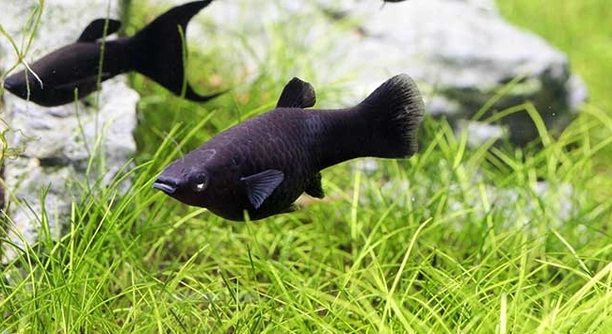
Fry can sometimes scatter into separate groups even in a well-maintained tank. This can feel worrisome, especially when you notice some fry hiding while others swim together freely. Observing them carefully helps prevent future problems.
When fry separate into isolated groups, the main cause is often stress, uneven water conditions, or territorial behavior. Ensuring consistent water parameters, proper feeding, and gentle tank management can help reunite groups and promote overall healthy social interaction.
Watching fry interact in their environment can reveal patterns in behavior and needs. By learning these signs, you can create a safer, more balanced habitat for all your fry.
Recognizing Why Fry Separate
Fry may split into isolated groups for several reasons. Uneven water conditions like temperature differences or fluctuating pH levels can make some areas of the tank uncomfortable. Overcrowding or lack of hiding spots also causes fry to seek their own space. Even minor stress from sudden movements or strong tank lighting can lead to separation. Some species naturally form small groups for safety or social reasons. Observing which fry are isolated and noting their behavior can provide insights into what they need. Feeding patterns also influence grouping; fry that receive less food may stay in quieter corners. Adjusting tank decorations and monitoring water quality consistently can reduce separation. Consistent care encourages fry to swim more freely and interact safely. Over time, proper conditions help them form a balanced social structure. Regular observation helps prevent small problems from turning into larger health or growth issues for isolated fry.
Isolated fry often show slower growth or appear skittish. Addressing environmental factors early improves overall tank harmony.
Consistently checking water parameters and providing gentle filtration reduces stress that can lead to separation. Adding plants or small hiding spaces encourages fry to feel secure and explore more areas. Feeding evenly ensures no fry are left behind, which also promotes social interaction. Some fry will naturally return to groups once conditions are stable. Avoid sudden changes to water temperature or lighting, as these can worsen separation. Maintaining clean water and a balanced environment is key to helping fry feel comfortable and safe. Over time, small groups often merge as fry adjust to their surroundings. Patience and attention to detail are essential to restore a healthy, active community within the tank. Observing daily behaviors can indicate which adjustments are working and which may need further tweaking to encourage group cohesion.
Practical Steps to Reunite Fry
Keeping water consistent is essential to reduce separation. Regular monitoring and careful feeding are simple yet effective ways to help fry interact.
Adding gentle hiding spots, maintaining clean water, and evenly distributing food supports fry social behavior. Moving slowly around the tank and avoiding sudden disturbances helps fry gain confidence. Observing fry during feeding shows which individuals are isolated. Adjusting decorations to create multiple small zones can encourage shy fry to explore. Temperature stability is crucial, as even minor changes can trigger hiding. Ensuring a quiet environment with minimal vibrations reduces stress. Over time, isolated fry often begin to merge into small groups naturally. Patience is key, as forcing interaction can increase tension or injuries. Gradual adjustments in water flow and lighting can help fry feel secure in previously avoided areas. By combining careful environmental management with regular observation, you can foster a balanced, interactive group. This method supports both the physical health and social behavior of fry, promoting growth and activity. Safe spaces, consistent feeding, and gentle handling ensure fry are more likely to thrive together.
Adjusting Tank Environment
Changing water flow can help fry move more freely. Gentle currents encourage exploration without stressing them. Adjusting decorations provides safe zones that help shy fry feel comfortable and start joining others.
Plants and small structures give fry places to hide and explore safely. Fry tend to separate when open spaces feel unsafe, so adding cover encourages them to swim confidently. Observing which areas fry prefer shows where they feel secure and where adjustments are needed. Consistent water temperature and clean conditions reduce stress. Over time, these changes help isolated fry start interacting with other groups. Avoid overcrowding and keep feeding consistent to prevent further separation. Gradual improvements in the tank layout can significantly impact fry social behavior.
Lighting can influence fry activity and grouping. Softer, even light helps fry feel safe, while sudden bright light can push them into corners. Positioning lights to reduce shadows and glare encourages more even swimming. Combining gentle lighting with small hiding spaces supports natural grouping and prevents panic-induced separation. Watching how fry respond allows for fine-tuning the environment for comfort.
Feeding Strategies for Fry
Feeding in multiple small spots ensures all fry have access to food. This reduces competition and prevents shy fry from staying isolated.
Fry often separate when some individuals dominate feeding areas. Spreading food evenly across the tank gives each fry a chance to eat without stress. Observing feeding behavior shows which fry struggle or avoid groups, indicating where environmental adjustments are needed. Rotating feeding locations encourages fry to explore and swim more evenly throughout the tank. Proper feeding intervals and balanced portions also prevent overcrowding at feeding times, which can increase separation. Consistent nutrition and careful monitoring help fry develop steadily while maintaining social interactions. Over time, this reduces isolated groups.
Maintaining proper food size and type is essential. Fry need small, digestible portions to grow properly. Large food particles or unsuitable types can lead to slow growth or avoidance behavior. Feeding more frequently in tiny amounts encourages movement and reduces stress, as fry are not forced to compete aggressively. Providing variety ensures nutritional balance and promotes curiosity in exploring different areas of the tank. Tracking which fry are eating regularly helps identify isolated or weaker individuals, allowing for targeted adjustments in feeding and environment. Regularly observing and adapting feeding strategies supports healthier, more connected fry communities.
Monitoring Water Quality
Consistent water checks prevent stress that leads to fry separating. Testing temperature, pH, and ammonia levels regularly keeps the environment stable and safe. Small fluctuations can quickly cause fry to isolate in calmer areas.
Using gentle filtration and partial water changes maintains clean water. Fry are sensitive, so avoiding sudden changes helps them stay comfortable and active. Proper maintenance reduces stress and encourages natural group behavior, helping isolated fry gradually join others.
Identifying Stress Signals
Fry that hide, dart rapidly, or stay at the surface often experience stress. These behaviors indicate environmental or social issues needing correction. Regular observation helps pinpoint problem areas. Adjustments like repositioning decorations, checking water, or changing feeding patterns often reduce stress.
Group Integration Techniques
Introducing new fry slowly prevents sudden social disruption. Gradual acclimation helps all fish adapt without panic. Controlled introductions reduce conflict and support healthier interactions between isolated fry and main groups.
Avoiding Overcrowding
Overcrowding can make fry fearful, pushing them into separate groups. Maintaining proper density ensures everyone has space to swim, feed, and grow without unnecessary stress.
FAQ
Why do my fry keep separating even though the water looks fine?
Even when water appears clear, small fluctuations in temperature, pH, or hardness can stress fry. Some fry are more sensitive than others, so even minor differences in tank conditions can lead them to hide or swim in separate groups. Gentle filtration and consistent feeding often help.
How can I tell if my fry are stressed?
Signs include hiding constantly, rapid darting, staying at the surface, or refusing food. Stressed fry are less active and often avoid other fry. Observing their behavior over several days can reveal patterns and indicate which environmental adjustments are needed to reduce stress.
Can adding plants really help isolated fry?
Yes. Plants provide shelter and visual boundaries that make shy fry feel safe. They reduce open space stress, giving fry confidence to swim near others. Even small clusters of plants or floating vegetation can encourage integration and reduce panic in isolated groups.
Should I separate aggressive fry from the rest?
Aggressive fry can push others into isolation, affecting growth and behavior. If one fry consistently chases or blocks others, temporarily separating it or adjusting tank layout can help. Introducing hiding spots or rearranging decorations often reduces aggressive behavior without permanent separation.
How often should I feed fry to prevent separation?
Multiple small feedings throughout the day are best. Large, infrequent meals increase competition, which pushes timid fry into corners. Evenly distributing food encourages all fry to explore the tank and interact more naturally with their group.
Is water temperature really that important?
Yes. Fry are very sensitive to temperature changes. Even a difference of a few degrees between tank areas can lead to isolated groups. Maintaining stable water temperatures and avoiding sudden shifts reduces stress and encourages fry to swim together.
Can fry ever reintegrate naturally?
Often, yes. When water quality, feeding, and hiding spaces are managed well, isolated fry usually start exploring and joining other groups over time. Patience is important, as forcing them together too quickly can cause more stress or injuries.
Do different species behave differently regarding isolation?
Absolutely. Some species naturally form small groups or prefer corners, while others are more social. Understanding the behavior of your specific species helps in designing the tank and adjusting feeding, hiding spots, and water conditions to encourage healthy interaction.
How do I prevent future separation?
Regular monitoring of water, proper feeding, and gradual adjustments in tank layout prevent fry from isolating. Avoid overcrowding and sudden environmental changes. Observing behavior daily and responding quickly to signs of stress keeps fry integrated and healthy over time.
Can water flow affect fry grouping?
Yes, uneven or strong currents can push fry into corners or isolated areas. Gentle, consistent water flow encourages swimming and exploration while reducing stress. Adjusting filter output or redirecting flow can help fry feel secure and move more freely in the tank.
Is it necessary to treat isolated fry differently?
Not always. Small adjustments to environment and feeding usually suffice. Only if fry show prolonged stress, poor growth, or aggression issues should targeted interventions like temporary separation or supplemental feeding be considered. Observing and responding carefully is more effective than drastic changes.
How long does it take for fry to stop isolating?
It depends on species, tank conditions, and severity of stress. Some fry reintegrate within days, while others may take weeks. Consistency in care and monitoring behavior is more important than speed, ensuring fry join groups safely and grow healthily.
Can lighting influence fry behavior?
Yes, bright or uneven lighting can stress fry and push them into isolated areas. Softer, evenly distributed light reduces fear and encourages normal swimming patterns. Adjusting lighting gradually helps fry feel comfortable without sudden changes that could worsen separation.
What role does tank size play in separation?
Smaller tanks increase competition and stress, often causing fry to split into groups. Providing enough space per fry, along with hiding spots and gentle water flow, supports healthy interaction and reduces the chance of prolonged isolation.
Are there signs that isolated fry might be sick?
Yes. Fry that separate and also show clamped fins, pale color, lethargy, or abnormal swimming may be unwell. Early detection and proper water care are essential. Sick fry may require targeted treatment, but often improving environmental stability helps prevent health issues.
Can rearranging tank decorations help fry group together?
Yes. Changing layout encourages exploration and prevents territorial dominance by certain fry. Introducing new hiding spots or moving existing ones can reduce stress, helping isolated fry gradually join others without forced interaction or confrontation.
How do I balance hiding spaces without encouraging permanent isolation?
Provide enough cover for shy fry but avoid overly dense clusters. The goal is security, not separation. Spread hiding areas across the tank, ensuring fry explore multiple zones. This encourages confidence and natural group formation while still offering protection.
Is it necessary to check water chemistry daily?
Frequent checks help maintain stability, especially in tanks with sensitive fry. Daily monitoring may not always be needed, but regular testing for temperature, pH, ammonia, nitrites, and nitrates ensures early detection of issues that can cause separation. Consistency is key.
Can fry grouping behavior change as they grow?
Yes, growth and development influence social patterns. Fry that were shy may become more active, while dominant individuals may emerge. Adjusting tank conditions gradually as fry grow supports healthy group integration throughout their development.
How important is observation in managing fry separation?
Observation is critical. Noticing subtle changes in swimming, feeding, or hiding helps identify stress or environmental issues early. Consistent monitoring allows for small, targeted adjustments that prevent prolonged isolation and promote healthy, balanced fry communities.
Can isolated fry affect overall tank health?
Yes, isolated fry may miss food or develop slower growth, affecting population balance. Stress can make them more susceptible to disease. Supporting integration and reducing stress helps maintain overall tank health and growth rates for all fry.
Do some fry never reintegrate?
Occasionally, extremely timid or stressed fry may remain isolated. Most will eventually join groups if conditions are stable, but a few individuals may always prefer corners or hiding spaces. Providing safe zones ensures they remain healthy even if socially withdrawn.
How do I manage feeding when fry are partially separated?
Distribute food to reach isolated fry, using multiple locations or slow-release feeding. Avoid overcrowding at one spot. Observing which fry eat and which avoid food helps adjust placement and portioning, encouraging interaction and supporting growth for all individuals.
Can tankmates influence fry separation?
Yes, aggressive or active tankmates can push fry into corners or isolated areas. Observing interactions and adjusting the mix of species, tank layout, or providing additional hiding spots can reduce stress and encourage fry to swim together more confidently.
Is it normal for fry to form temporary small groups?
Yes, temporary grouping can occur naturally as fry explore, feed, or avoid stressors. Small groups often merge over time once environmental conditions are stable. Observing these patterns helps understand normal behavior versus prolonged isolation needing intervention.
What is the most effective long-term solution to prevent isolation?
Consistent care, stable water conditions, proper feeding, and adequate hiding spaces are key. Observation allows for small adjustments before problems escalate. Overcrowding and sudden changes should be avoided. A balanced environment fosters healthy social behavior, reducing the likelihood of long-term separation and promoting even growth for all fry.
Final Thoughts
Keeping fry together in a tank can sometimes feel like a challenge. Fry are naturally sensitive to changes in their environment, and even small fluctuations in water quality, temperature, or lighting can make them separate into small groups. It is important to remember that separation is often a sign of stress, discomfort, or simply natural behavior for certain species. Observing how they move, feed, and interact is the first step to understanding their needs. By paying attention to these behaviors, you can identify areas of the tank that may need adjustment, whether it’s adding hiding spots, rearranging decorations, or gently increasing water stability. Small, gradual changes often have a bigger effect than sudden interventions, which can sometimes increase stress.
Feeding is another key factor in keeping fry integrated. When food is only offered in one location or in large amounts, timid fry may avoid the main group, creating isolated pockets. Distributing food across the tank and feeding in smaller amounts multiple times a day encourages fry to explore and interact. Proper nutrition also supports growth and overall health, which helps fry become more confident in joining other groups. Adding plants or other hiding spaces gives shy fry the security they need to venture out gradually. This allows them to merge with other groups naturally, without forcing interaction. Over time, consistent care, patience, and observation will reduce stress and encourage healthy social behavior.
Water quality, tank size, and the presence of other fish all play an important role in fry behavior. Overcrowded tanks, strong water currents, or aggressive tankmates can push fry into corners and prevent natural group formation. Regular testing of water parameters and small, consistent adjustments help maintain a stable environment where fry can feel safe and comfortable. Understanding that some fry may take longer to reintegrate than others is also important. Patience is key, as forcing interaction can create more problems than it solves. By providing a balanced, calm, and well-maintained habitat, fry are more likely to grow healthily and form natural, active groups. Attention to detail, consistent care, and small adjustments over time are the most effective ways to support your fry and encourage them to thrive together.

Hello,
If you enjoy the content that we create, please consider saying a "Thank You!" by leaving a tip.
Every little bit helps us continue crafting quality advice that supports the health, happiness, and well-being of pets around the world, for pets of all shapes, sizes, and species.
We really appreciate the kindness and support that you show us!