
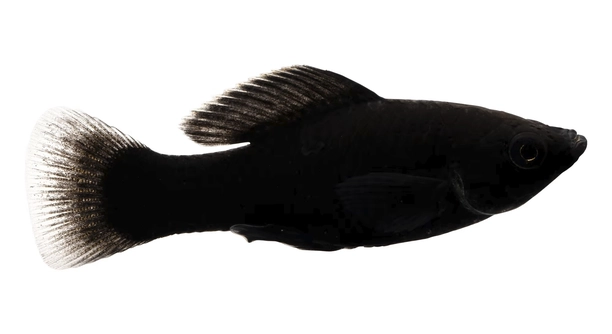
Black Mollies are known for their calm nature, but sometimes they suddenly freeze when shadows pass over their tank. This behavior can seem strange or alarming, especially for owners who are used to their steady movements and curiosity.
Black Mollies freeze at sudden shadows due to a natural instinct called the startle response. This reflex is triggered by abrupt changes in light or movement, signaling potential threats in their environment, and helps them avoid predators in the wild.
Understanding why your fish react this way can help you create a calmer, safer tank environment and improve their overall comfort and health.
How Shadows Affect Their Behavior
Black Mollies rely heavily on visual cues to understand their surroundings. Sudden shadows can trigger their startle response because they interpret quick changes in light as potential danger. In their natural habitat, predators often move quickly and cast fleeting shadows. Even small movements above the tank, such as someone walking by or a curtain swaying, can catch them off guard. The freezing behavior is a defensive mechanism that allows them to remain undetected. Over time, Mollies can become accustomed to consistent patterns of light and activity, reducing the frequency of these reactions. However, frequent changes in lighting or moving objects near the tank can keep them on edge. By understanding this, you can adjust the tank’s placement, lighting, and surrounding environment to minimize unnecessary stress. Observing their reactions helps identify what triggers the freezes, allowing you to create a calmer, more stable habitat that feels secure and predictable.
Maintaining steady light cycles and avoiding sudden movements near the tank helps Mollies feel safer and less stressed overall.
Reducing shadows involves more than just moving objects. You can install a consistent overhead light or use a tank background to block outside movement. Keeping the tank in a low-traffic area also prevents sudden flashes of light or motion that trigger the startle reflex. Gradually introducing minor changes helps Mollies adapt without frequent freezes. Properly positioned plants and decorations create hiding spots, giving them a sense of control and comfort. Monitoring their behavior over time will reveal which areas or patterns cause stress. Small adjustments to lighting intensity or timing can make a significant difference. The goal is to create a predictable, secure environment where shadows no longer feel threatening. Once they feel safe, their natural playful and curious behavior will become more visible, making tank observation more enjoyable. Consistency and gentle modifications are key to reducing stress and promoting healthy, confident fish behavior.
Tank Placement and Lighting
Keeping the tank in a quiet area away from windows or heavy foot traffic reduces sudden changes in light that trigger freezes.
Consistent lighting is essential for Black Mollies. Using timers to maintain regular day and night cycles prevents abrupt changes in illumination. Shadows from moving objects above or around the tank can startle them, so placing the tank where overhead activity is minimal helps. Reflective surfaces or sunlight through windows should be blocked, as rapid changes in brightness can provoke stress. Choosing a stable location and controlling light sources ensures the environment feels safe. Additionally, using subdued or diffused lighting can mimic natural conditions, making the tank less intimidating. Observation of their behavior after these adjustments confirms improvements in comfort levels. Over time, a well-lit, calm, and consistently placed tank reduces the frequency of freezing episodes. Mollies are sensitive to environmental changes, so minimizing abrupt stimuli while maintaining visibility supports their overall well-being. Creating a balanced, predictable habitat encourages natural swimming patterns, exploration, and healthier social interactions among the fish.
Feeding and Shadow Reactions
Black Mollies can become tense during feeding if shadows move across the tank. Sudden shifts in light may startle them, causing brief freezes before they resume eating.
Shadow-induced freezes at feeding time happen because Mollies associate rapid movements with potential threats. Even small objects passing over the tank, such as hands or utensils, can trigger a cautious response. The fish may stop swimming or hover in place, assessing whether it is safe to continue. Over time, repeated exposure to consistent feeding routines and minimal disturbances helps them feel more comfortable. Using a steady light source during feeding reduces sudden contrasts and gives them confidence. Mollies gradually learn that shadows above the tank are not dangerous, allowing them to focus on eating without hesitation. Creating a calm feeding environment benefits both their nutrition and stress levels.
Observing how shadows affect their feeding also helps adjust timing and positioning of the tank. Keeping lights steady and movements minimal ensures they maintain regular eating habits.
Social Interaction and Freezing
When Black Mollies interact with each other, shadows can affect group dynamics. A sudden shadow can pause swimming and cause multiple fish to freeze simultaneously.
Freezing in response to shadows is tied to social awareness. Mollies often mirror the reactions of nearby fish, so one fish freezing can trigger a chain reaction in the tank. Rapid movements above the water can amplify stress among the group. Ensuring stable lighting and minimal overhead activity allows the fish to socialize naturally, reducing unnecessary pauses. Providing hiding spots helps shy or subordinate fish feel secure, while more dominant individuals continue normal activity. Gradual acclimation to minor changes in light helps the entire group respond calmly. Tracking these reactions over time can reveal patterns, making it easier to manage the tank’s environment. Healthy social interaction improves swimming behavior, reduces stress-related illness, and enhances the overall harmony of the group.
Tank Decorations and Shadows
Tall plants and ornaments can create pockets of shade that make Black Mollies pause unexpectedly. Shadows moving across open areas can trigger short freezes as they assess their surroundings.
Using decorations strategically helps Mollies feel secure. Providing consistent hiding spots reduces stress from sudden light changes, encouraging natural movement and confident exploration.
Water Clarity and Light
Cloudy or murky water can amplify shadow effects, making sudden changes in lighting more noticeable. Clear water allows Mollies to better judge light contrasts and avoid unnecessary freezing. Maintaining proper filtration and regular water changes ensures visibility and reduces stress. Clean water helps the fish distinguish shadows from real threats, supporting healthier behavior.
Observing Patterns
Tracking when and where freezes occur gives insight into what triggers them. Noting time of day, tank location, and light changes helps identify patterns.
Why do Black Mollies freeze when shadows pass over the tank?
Black Mollies freeze because it is an instinctive response to sudden changes in their environment. Shadows can signal danger, like a predator moving above them. This startle response helps them stay still and avoid being noticed. Even minor movements above the tank, like a hand or curtain, can trigger this reaction. Over time, they can adapt if the tank environment is stable and predictable. Reducing sudden light changes and providing hiding spots makes them feel secure, which helps minimize the frequency of freezing episodes.
Is it harmful if my Black Molly freezes often?
Frequent freezing is usually not harmful by itself, but it can indicate stress. Stress weakens their immune system, making them more vulnerable to illness. If your Mollies freeze often, it’s important to check the tank setup. Proper lighting, placement, water quality, and minimal disturbances are key to lowering stress levels. Consistent feeding routines and hiding spaces also support a calmer environment. Monitoring their behavior helps you notice patterns and adjust the surroundings. Healthy Mollies will freeze less and swim more confidently, reflecting a well-maintained habitat.
Can tank placement reduce freezing?
Yes, tank placement makes a big difference. Tanks placed in high-traffic areas or near windows are more likely to have sudden shadows or light shifts. A quiet, stable spot reduces abrupt changes and helps Mollies feel safer. Keeping the tank away from moving curtains, reflections, or bright sunlight minimizes unexpected shadows. Positioning it where overhead activity is limited also reduces stress. Once placed correctly, the Mollies start exploring more confidently and freeze less often. Observing their reactions in different locations can help you find the optimal spot for a calmer tank environment.
Does lighting type affect their response to shadows?
Lighting plays a major role in shadow reactions. Bright, direct lights can cast sharp shadows that startle Mollies, while diffused lighting creates a softer, more even environment. Using timers for consistent day-night cycles reduces abrupt changes. Avoid placing the tank under fluctuating light sources or areas where sunlight moves throughout the day. Stable illumination allows Mollies to distinguish harmless shadows from real threats, lowering stress. Over time, they adapt to predictable lighting patterns, which encourages normal swimming and feeding behavior, making the tank more enjoyable to observe.
Will tank decorations help reduce shadow stress?
Yes, decorations can help. Tall plants, rocks, and ornaments create safe zones where Mollies can hide if they feel threatened. These areas reduce the impact of sudden shadows and give fish a sense of control. Arranging decorations to create consistent hiding spots reduces unnecessary freezes and promotes exploration. Over time, Mollies learn which areas are safe, helping them feel more confident even when shadows appear. Decorations also break up the line of sight, softening abrupt light changes and contributing to a calmer tank atmosphere.
How can feeding routines influence freezing behavior?
Feeding time can trigger freezes if shadows pass overhead. Mollies associate quick movements with potential threats, so even a hand placing food can startle them. Maintaining a consistent feeding schedule and using steady lighting helps reduce anxiety. Gradually introducing them to minor changes in light during feeding teaches them to remain calm. Providing enough space and hiding spots during feeding ensures timid fish feel safe. A stable environment encourages regular eating habits, reduces stress-related freezes, and supports overall health and activity levels.
Do water quality and clarity impact freezing?
Yes, water clarity directly affects how Mollies perceive shadows. Cloudy or murky water makes light changes more noticeable and can intensify stress. Proper filtration and regular water changes improve visibility and reduce the chance of unnecessary freezing. Clean water helps them accurately interpret shadows and focus on normal swimming and social behavior. Monitoring water parameters consistently also prevents other stress-related issues. Clear, well-maintained water paired with stable lighting creates a safe environment where Mollies can move naturally and freeze only when truly necessary.
Can multiple fish trigger group freezing?
Yes, Mollies are social and often mimic each other’s behavior. When one fish freezes, others may follow, creating a chain reaction. Sudden shadows above the tank can trigger simultaneous freezing in several fish. Ensuring predictable lighting, hiding spots, and minimal overhead movement helps reduce this effect. Gradual exposure to minor environmental changes teaches the group to respond calmly. Observing interactions between fish lets you adjust the tank setup to support healthy social behavior while preventing unnecessary stress-induced freezes.
Are there signs that freezing indicates a deeper problem?
Frequent freezing accompanied by loss of appetite, erratic swimming, or lethargy may indicate stress or illness. Environmental adjustments often help, but persistent unusual behavior should prompt a water quality check and health inspection. Maintaining stable lighting, clean water, hiding spaces, and a consistent routine is essential. Noticing patterns in freezing episodes helps identify triggers early. A well-maintained tank reduces stress, supports healthy fish behavior, and prevents potential health issues. Tracking these signs ensures Mollies stay active, comfortable, and healthy in their environment.
How long does it take for Mollies to adapt to a stable environment?
Adaptation varies by individual and tank conditions. Some Mollies adjust within a few days, while others may take several weeks to feel secure. Consistency is key—steady lighting, quiet placement, and predictable feeding routines encourage confidence. Providing decorations for shelter accelerates adjustment. Gradual exposure to minor changes allows Mollies to learn which shadows are harmless. Over time, freezing episodes decrease, and natural behavior becomes more visible. Patience and careful observation are essential to supporting their comfort and long-term well-being in the tank.
Black Mollies are sensitive fish that react strongly to changes in their environment. Freezing at sudden shadows is a natural behavior rooted in survival instincts. In the wild, quick movements above them could mean predators, so staying still helps them avoid detection. While this may look alarming to owners, it is usually harmless if the fish are otherwise healthy. Understanding why they freeze helps you create a tank environment that reduces stress and encourages normal activity. Paying attention to lighting, tank placement, water quality, and decorations can all make a noticeable difference. By making small adjustments, you help your Mollies feel safer and more confident in their surroundings. Over time, consistent care reduces the frequency of these freeze responses and allows you to enjoy watching their natural swimming and social behavior.
Shadows are just one of many environmental factors that can affect Black Mollies. Other triggers include sudden movements near the tank, changes in light intensity, and water clarity. Consistent routines are essential for reducing stress. Using timers for lighting and providing predictable feeding times helps them feel secure. Adding plants, rocks, and ornaments not only enhances the tank visually but also gives fish places to hide if they feel threatened. These hiding spots are important for timid individuals and help maintain harmony in a group of Mollies. By observing how your fish respond to their environment, you can learn which areas or situations cause stress and take steps to adjust. Gradually, the fish become more confident, and freezing episodes are reduced. This makes the tank more enjoyable to watch and helps maintain the overall health of the fish.
Creating a calm, stable tank is the best way to support Black Mollies. Clear water, regular maintenance, and minimal disturbances all contribute to a safe environment. Understanding their social behavior is also helpful because Mollies often copy each other’s reactions. If one fish freezes, others may follow, so reducing triggers benefits the entire group. Patience is important, as adaptation can take days or weeks depending on the individual fish. By combining consistent routines, careful tank placement, and thoughtful decoration, you can minimize stress and create a habitat where your Mollies feel secure. Over time, you will notice more natural movement, playful interaction, and confident swimming. Paying attention to these details ensures the long-term well-being of your Black Mollies while making tank ownership a more enjoyable experience for you.

Hello,
If you enjoy the content that we create, please consider saying a "Thank You!" by leaving a tip.
Every little bit helps us continue crafting quality advice that supports the health, happiness, and well-being of pets around the world, for pets of all shapes, sizes, and species.
We really appreciate the kindness and support that you show us!