
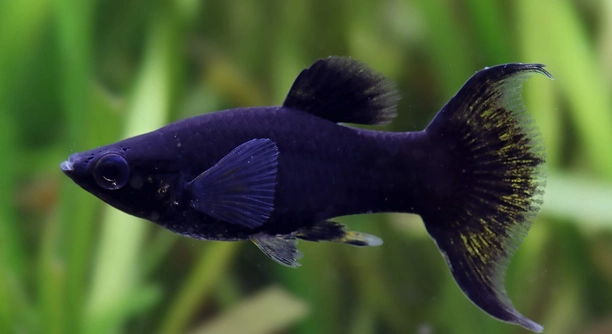
Are your Black Molly fish swimming sluggishly or staying near the surface more than usual? Observing their behavior closely can reveal signs that they may not be receiving adequate oxygen in the tank. Regular monitoring ensures their well-being.
Black Molly require sufficient dissolved oxygen to maintain proper respiration and overall health. Signs of oxygen deficiency include rapid gill movement, gasping at the water surface, lethargy, clamped fins, reduced feeding, abnormal swimming, and increased stress responses in the fish.
Monitoring these indicators can help you take prompt action and create a healthier environment for your Black Molly fish. Maintaining balance in the tank is essential for their long-term survival.
Observing Gills and Breathing Patterns
When Black Molly fish are not getting enough oxygen, their gills often move faster than usual. You may notice them opening and closing rapidly, especially near the water surface where oxygen is more concentrated. Some fish appear to gasp, trying to take in more air, which is a clear signal that oxygen levels are low. Even minor changes in breathing patterns can indicate stress or discomfort. Monitoring gill activity daily helps prevent prolonged oxygen deficiency. It’s important to compare their behavior to what is normal for your specific tank conditions, as some variation is natural. Over time, these observations allow you to spot early warning signs before the fish become weak or ill. By paying attention to these details, you can adjust aeration or water circulation to improve oxygen distribution. Healthy gill movement is one of the most reliable indicators of your fish’s overall well-being.
Regular checks of gill activity can prevent serious health issues in your Black Molly fish. It ensures timely adjustments to oxygen levels.
Keeping an eye on breathing patterns and gill movement is crucial. Fish that consistently gasp or exhibit rapid gill motion may need immediate intervention. Adjusting filters, adding air stones, or changing water more frequently can help increase oxygen. Additionally, avoid overcrowding and remove decaying plants or uneaten food, as these reduce oxygen availability. Tracking these behaviors over time allows for better management of your tank’s environment, supporting your Black Molly’s health and activity. Consistent observation and proactive adjustments are key to preventing stress and maintaining a thriving aquarium.
Monitoring Swimming Behavior
Fish that struggle for oxygen often change how they swim. They may linger near the water surface or move sluggishly around the tank.
Swimming patterns are a strong indicator of oxygen sufficiency. Fish may hover near filters, stay in one corner, or appear weak. Oxygen-deprived Black Mollies tend to avoid active swimming and hide more frequently. Overcrowding, poor water circulation, or excessive plant decay can worsen the situation, making it harder for them to access oxygen. Observing their position in the tank and their response to movement provides insight into their comfort levels. Adjusting aeration devices, removing excess debris, and keeping the tank at appropriate temperature can improve oxygen levels. This helps restore normal swimming behavior and reduces stress. Maintaining consistent observation ensures the tank remains suitable for long-term health. Over time, these efforts support more energetic and alert fish, allowing them to thrive in a balanced aquatic environment.
Checking Tank Surface Activity
Black Mollies spending most of their time at the water surface often indicate low oxygen. Frequent surfacing is a sign they are seeking more oxygen-rich areas in the tank. Observing this behavior can help you identify issues early.
Fish that remain at the top or near filters may be compensating for insufficient oxygen below. Poor circulation, high temperature, or overstocking can reduce oxygen levels in the tank. Removing uneaten food, trimming decaying plants, and improving aeration can help restore balance. Watching where your Mollies spend time provides insight into their comfort and overall health, allowing for timely corrective action before they become stressed or weak.
Consistently monitoring surface activity helps track oxygen levels effectively. Combining observation with water testing ensures your Black Mollies remain active and healthy. Adjustments such as adding air stones or improving flow can reduce stress and support natural behavior, preventing long-term issues caused by oxygen deficiency. Proper tank maintenance directly impacts their energy levels and swimming patterns.
Observing Fin Clamping
Clamped fins in Black Mollies often signal stress from low oxygen. Fins pressed close to the body suggest discomfort, which can indicate environmental issues.
When Black Mollies consistently hold their fins close, it may be due to oxygen depletion. Other stressors like poor water quality or temperature fluctuations can also cause this behavior. Ensuring proper aeration, maintaining clean water, and avoiding overcrowding are essential steps to prevent long-term health problems. Fins serve as indicators of comfort, and clamping is one of the first visible signs of trouble. Observing fin posture daily allows timely interventions to restore optimal tank conditions.
Monitoring fin clamping along with other behaviors provides a fuller picture of oxygen sufficiency. Healthy, spread fins indicate comfort and good oxygen levels, while persistent clamping signals the need for immediate adjustments. Implementing better water circulation, using air stones, and maintaining proper temperature support fin health and overall well-being. Tracking these signs consistently can prevent stress-related illnesses and ensure your Black Mollies remain active, alert, and thriving in their aquatic environment.
Noticing Reduced Feeding
Black Mollies that are not getting enough oxygen often eat less or ignore food entirely. Reduced appetite is a subtle but important sign of stress in your fish. Monitoring their feeding habits helps identify early oxygen issues before serious health problems arise.
A sudden drop in feeding can indicate poor water quality or low oxygen levels. When Mollies seem disinterested in food, it is essential to check aeration, temperature, and tank cleanliness. Small changes in behavior often reflect larger environmental concerns. Acting quickly prevents long-term health issues and supports recovery.
Watching Lethargy
Prolonged inactivity or staying in one corner is a strong sign of oxygen deficiency. Lethargic Black Mollies are conserving energy because oxygen levels are too low for normal activity.
Observing Color Changes
Fading or dulling of a Black Molly’s colors can indicate stress from low oxygen. Healthy fish typically show vibrant coloration.
How can I tell if my Black Molly is not getting enough oxygen?
Signs of oxygen deficiency are often behavioral. Fish may gasp at the surface, swim sluggishly, or stay near filters and aeration sources. Clamped fins, reduced feeding, and faded coloration are additional indicators. Observing daily patterns gives a clear picture of whether your Black Mollies are comfortable. Monitoring multiple behaviors at once is important because one symptom alone may not indicate oxygen stress. Combining observation with water testing ensures a reliable assessment.
What steps can I take to increase oxygen levels in my tank?
Improving water circulation is key. Installing or upgrading filters, adding air stones, or adjusting the placement of powerheads can boost oxygen distribution. Regular water changes remove decaying material that consumes oxygen. Controlling temperature is equally important; warmer water holds less oxygen, so maintaining a moderate temperature helps. Avoid overcrowding, as too many fish can deplete oxygen quickly. Adding live plants can provide some oxygen during the day, but they also consume oxygen at night, so balance is crucial. Ensuring all these factors are managed creates a stable environment for healthy Mollies.
How often should I monitor my Black Mollies for oxygen issues?
Daily observation is ideal. Pay attention to their gills, fins, swimming patterns, feeding behavior, and position in the tank. Testing water parameters, including temperature and dissolved oxygen levels, once or twice a week supports visual monitoring. Consistent observation helps identify small problems before they become serious. Even subtle changes, like slower swimming or brief surfacing, can indicate oxygen concerns. Maintaining a routine allows you to respond quickly with adjustments, preventing stress-related health issues. Over time, tracking trends helps you understand what normal behavior looks like for your specific tank conditions.
Are certain tank setups more prone to low oxygen?
Yes, smaller tanks, crowded setups, or tanks with poor circulation often have lower oxygen availability. Tanks with heavy plant growth or decaying organic matter may also reduce oxygen levels. High temperatures and excessive lighting increase oxygen consumption and can stress fish. Ensuring proper aeration, regular maintenance, and avoiding overstocking are critical for preventing oxygen depletion. Choosing the right tank size for the number of fish and providing enough space for swimming also helps maintain adequate oxygen.
Can diet affect oxygen levels or fish stress?
Indirectly, yes. Uneaten food decays and consumes oxygen during decomposition. Overfeeding can exacerbate oxygen depletion in the tank, especially in smaller setups. Feeding moderate amounts and removing leftovers promptly helps maintain oxygen levels and reduces stress. A balanced diet supports fish health, making them more resilient to minor environmental changes. Healthy, well-fed Mollies are less likely to show extreme stress behaviors when oxygen levels fluctuate slightly.
Is it safe to add more air stones or aeration devices?
Adding air stones or other aeration devices is generally safe and effective. They increase water movement and oxygenation, improving overall tank health. Placement matters; distribute them evenly to prevent dead zones where oxygen is low. Avoid excessive turbulence that can stress fish. A well-planned setup with moderate aeration provides stable oxygen levels, allowing your Black Mollies to swim freely and maintain natural behavior.
What are the long-term effects of low oxygen on Black Mollies?
Chronic low oxygen can weaken the immune system, reduce growth, and cause persistent stress. Fish may become more susceptible to disease and show behavioral changes, like prolonged lethargy or hiding. Long-term oxygen deprivation can shorten their lifespan and reduce activity. Prompt detection and correction of low oxygen prevent these outcomes. Maintaining stable, well-oxygenated water ensures your Black Mollies remain healthy, active, and vibrant for years.
Monitoring the oxygen levels in your Black Molly tank is essential for keeping your fish healthy and active. Black Mollies rely on dissolved oxygen to breathe properly, and even small drops in oxygen can affect their behavior and overall well-being. Observing daily habits such as swimming patterns, gill movement, and feeding behavior can provide early warning signs of low oxygen. Fish that consistently stay near the surface, gasp for air, or swim sluggishly are often struggling to get enough oxygen. Similarly, clamped fins or faded coloration can indicate stress caused by environmental conditions. By paying attention to these signs, you can identify issues early and take corrective action before your fish experience serious health problems. Keeping a close eye on your fish allows you to maintain a stable and comfortable environment, which directly supports their long-term health and activity levels.
Creating the right tank environment is just as important as observing your fish. Proper water circulation, aeration, and tank maintenance are key factors in maintaining adequate oxygen levels. Installing air stones, adjusting filters, and regularly cleaning the tank can improve oxygen distribution and remove harmful waste that consumes oxygen. Controlling the tank temperature is also critical, as warmer water holds less oxygen. Overstocking can quickly deplete oxygen, so providing enough space for each fish is essential. Even live plants, which provide oxygen during daylight, need to be balanced because they consume oxygen at night. Combining these environmental measures with regular observation helps prevent stress and keeps your Black Mollies active and comfortable. Ensuring a stable tank environment supports healthy behavior, reduces disease risk, and allows your fish to thrive over time.
Maintaining healthy oxygen levels requires ongoing attention, but the effort is well worth it. Monitoring your fish and tank daily provides a clear understanding of their needs and allows for timely interventions. Small adjustments such as adding aeration devices, performing regular water changes, or trimming decaying plants can make a significant difference in oxygen availability. Observing multiple indicators, including gill movement, surface activity, feeding habits, and coloration, offers a complete picture of your fish’s well-being. Over time, consistent care and careful monitoring ensure your Black Mollies remain vibrant, active, and healthy. By addressing oxygen needs proactively, you create a stable and thriving environment that promotes long-term health, reduces stress, and encourages natural behavior in your fish.

Hello,
If you enjoy the content that we create, please consider saying a "Thank You!" by leaving a tip.
Every little bit helps us continue crafting quality advice that supports the health, happiness, and well-being of pets around the world, for pets of all shapes, sizes, and species.
We really appreciate the kindness and support that you show us!