
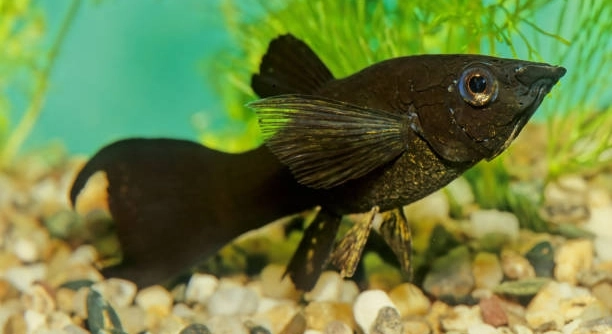
Feeding black molly fry can be a delicate process, especially in their first weeks. Observing their behavior and physical condition after feeding is essential. Proper care ensures the fry grow healthy and adapt well to their environment.
After feeding black molly fry, it is important to monitor their swimming patterns, appetite, and overall activity. Check for signs of bloating, uneven growth, or lethargy. Regular observation helps detect potential health issues early and maintain a stable tank environment.
Noticing subtle changes in behavior or appearance can make a big difference in their survival. Paying attention ensures they remain healthy and thrive in their aquarium.
Observing Swimming Behavior
After feeding, I always watch how the black molly fry swim. Healthy fry move actively through the water, exploring different areas of the tank. They rarely stay in one spot for long, and their movements are smooth rather than jerky. Sudden changes in swimming patterns can indicate stress, illness, or digestive issues. Some fry may float near the surface, while others prefer the mid-levels. It’s important to note these tendencies because deviations from normal behavior often signal a problem before physical symptoms appear. Overcrowding or insufficient hiding spots can also impact swimming. By providing a well-planned environment with plants and small decorations, fry can move freely and reduce stress. I find that consistent observation after feeding helps me identify early signs of swim bladder problems or overfeeding. Adjusting feeding amounts or tank conditions usually resolves minor issues quickly without medical intervention.
Keeping an eye on their movements helps detect problems early and ensures proper development in a balanced tank environment.
Watching swimming behavior is not just about noticing health problems. It also reflects the tank’s overall condition, including water quality and feeding routines. Fry that swim normally indicate that the environment supports their growth. Changes in behavior can reveal hidden issues like water temperature fluctuations or overcrowding. Observing them closely after each feeding allows for quick adjustments to prevent serious health concerns. Over time, recognizing patterns in swimming behavior helps maintain a stable tank. The more attentive you are, the easier it becomes to support their development and detect problems before they worsen. Proper monitoring, combined with a clean and well-organized tank, ensures that fry remain energetic and healthy while adapting to their surroundings. This method has personally helped me maintain a thriving colony of black molly fry, making feeding sessions both reassuring and informative.
Checking Appetite
Appetite is a clear indicator of fry health. Fry should eat eagerly after feeding, showing consistent interest in the food provided.
Monitoring what and how much they consume gives insight into overall well-being. Uneaten food can lead to water quality issues, so careful observation is necessary.
Changes in appetite often signal digestive problems or stress. Fry that suddenly stop eating may be affected by water quality or disease. Observing feeding patterns also helps determine appropriate food amounts. I have noticed that when fry are consistently hungry, it often points to insufficient feeding rather than illness. Overfeeding, however, can be just as harmful, causing bloating or poor water conditions. Adjusting feeding routines and portion sizes based on observed appetite ensures the fry receive enough nutrition without compromising the tank’s environment. Keeping a close eye on feeding behavior allows me to correct minor issues before they escalate. Monitoring appetite is a practical and effective way to support healthy growth and development for black molly fry. It has become a reliable part of my daily care routine, ensuring each fry thrives.
Monitoring Water Clarity
Clear water is essential for black molly fry. After feeding, leftover food can cloud the water quickly. Observing water clarity helps prevent potential health problems.
I always check the tank immediately after feeding to ensure no excess food is floating or sinking. Cloudy water can indicate overfeeding or poor filtration, which may lead to bacterial growth. Removing uneaten food promptly keeps the water clean and reduces stress on fry. I also monitor for tiny particles that might accumulate near the substrate. Regular partial water changes support clarity and maintain stable conditions. A well-maintained tank prevents digestive issues and keeps fry active and healthy.
Water clarity directly affects fry health and behavior. When the water is clean, fry swim more confidently and feed better. Maintaining a clear environment also reduces the likelihood of disease, making tank management smoother. Consistently monitoring and adjusting feeding routines ensures water remains optimal, supporting the fry’s growth without introducing unnecessary stress or risk of contamination. Over time, paying attention to clarity has become a key part of my daily care routine.
Observing Physical Changes
After feeding, I pay close attention to the fry’s appearance. Any swelling, discoloration, or irregular growth is a sign to act quickly.
Noticing even small changes helps identify problems early. Fry can show subtle signs of bloating or deformities after feeding, which may indicate overfeeding or digestive issues. I track their size and shape regularly to ensure consistent growth. Observing fins, tails, and body coloration allows me to spot stress or illness. Maintaining proper nutrition and tank conditions minimizes these risks, helping fry develop normally.
Tracking physical changes is crucial for long-term health. When fry display consistent growth and vibrant coloration, it indicates proper nutrition and a stable environment. Irregularities in body shape or color often signal stress, water quality issues, or inadequate feeding. Documenting these observations has helped me adjust feeding schedules and tank maintenance practices effectively. Regular checks also allow me to separate weaker fry when necessary, reducing competition and promoting healthier growth for the rest. This approach ensures that each fry has the best chance of thriving in the tank.
Checking Tank Temperature
Maintaining a stable temperature is vital for black molly fry. After feeding, fluctuations can stress fry and affect digestion. I keep a thermometer nearby to ensure water stays within the recommended range, preventing sudden changes that may harm their development.
Even slight temperature drops can slow metabolism, while spikes increase activity and risk of illness. Monitoring temperature consistently helps maintain a safe and stable environment, keeping fry comfortable and healthy.
Observing Social Interaction
Fry interactions reveal their health and comfort level. Aggressive chasing or hiding after feeding may indicate overcrowding or stress. I watch how they move around each other to ensure a balanced environment.
Monitoring Fin Condition
Fins should remain intact and free from tears or discoloration. Damaged fins often suggest stress, disease, or poor water quality. I inspect fry closely after feeding to catch early signs and maintain proper tank care.
Checking Growth Rate
Tracking growth rate helps determine feeding efficiency and overall health. Fry growing consistently are likely receiving adequate nutrition. I measure and compare their size regularly to ensure proper development.
FAQ
How often should I feed black molly fry?
Black molly fry need small amounts of food multiple times a day. I usually feed them two to three times, offering tiny portions that they can consume within a few minutes. Overfeeding can harm water quality and cause bloating, so careful portion control is essential.
What signs indicate overfeeding?
Overfed fry often appear bloated and may swim sluggishly. Uneaten food can settle on the substrate and cloud the water. I make sure to remove any leftover food after feeding to prevent bacterial growth and stress on the fry. Overfeeding repeatedly can slow growth and lead to health problems.
What should I do if fry stop eating?
If fry suddenly lose interest in food, I check water conditions first. Poor water quality, sudden temperature changes, or stress from tankmates can cause appetite loss. Adjusting feeding schedules or improving tank cleanliness usually helps fry resume normal eating behavior within a day or two.
Can fry eat adult fish food?
Adult fish food is often too large or nutrient-dense for fry. I grind flakes into tiny particles or offer specialized fry food to ensure they can consume it easily. Proper nutrition at this stage supports healthy growth and strengthens their immune system.
How can I prevent fin damage after feeding?
Fins can tear if the tank is overcrowded or has sharp decorations. I provide ample space, smooth hiding spots, and carefully monitor fry interactions. Removing aggressive individuals or adding extra cover helps protect fins and reduces stress during feeding times.
Is cloudy water always a sign of overfeeding?
Cloudy water often results from leftover food, but it can also indicate bacterial blooms or insufficient filtration. I observe feeding habits and filter performance closely. Cleaning or adjusting the filter and removing excess food helps maintain clear water and a healthy tank environment.
How do I know if a fry is growing properly?
Healthy fry grow steadily and maintain a consistent body shape. I measure them regularly and compare sizes across the tank. Uneven growth or deformities may indicate nutrition or water quality issues. Tracking development allows me to adjust feeding routines and prevent long-term health problems.
What temperature is best after feeding?
Stable water temperature between 24–28°C supports digestion and energy levels. I monitor temperature with a reliable thermometer. Sudden drops or spikes can stress fry, slowing growth or causing illness. Consistent temperature helps maintain active swimming and proper food absorption.
How can I reduce stress in fry after feeding?
Stress can be minimized by keeping the tank calm, avoiding sudden movements, and maintaining proper water quality. I provide plants and hiding spots, control feeding portions, and ensure fry have space to swim freely. Low-stress conditions improve appetite and overall health.
Can I mix fry from different clutches in the same tank?
Mixing fry is possible, but I watch for aggressive behavior or competition for food. Keeping fry from similar sizes together reduces stress. Observing interactions during feeding ensures that all fry get adequate nutrition without harming one another.
How long should I monitor fry after feeding?
I observe fry for at least 30 minutes post-feeding to ensure proper swimming, eating, and social behavior. Immediate attention to any abnormal activity allows for quick intervention, reducing risk of illness or injury in the tank.
What foods are safest for black molly fry?
Specialized fry food, powdered flakes, and finely crushed high-quality flakes are safe and nutritious. I occasionally supplement with tiny amounts of live foods like infusoria or baby brine shrimp. These options provide essential nutrients for growth without overwhelming their digestive system.
Can water changes affect fry after feeding?
Yes, sudden large water changes immediately after feeding can stress fry. I prefer small, frequent changes or wait a short time after feeding before partial water replacement. This maintains water quality without disrupting digestion or causing unnecessary stress.
How do I know if fry are healthy overall?
Active swimming, steady growth, clear eyes, and intact fins indicate health. I track feeding response, behavior, and physical condition regularly. Early detection of any abnormality allows me to adjust care routines and maintain a thriving fry population.
What if one fry is weaker than the rest?
Weaker fry may struggle to compete for food. I sometimes separate them temporarily to ensure they receive proper nutrition. Providing a calm environment with minimal stress helps weaker fry catch up and supports overall tank health.
How important is filtration after feeding?
Effective filtration keeps water clear and removes excess food. I make sure filters are working properly and clean them regularly. Good filtration prevents bacterial growth, supports oxygen levels, and reduces stress, ensuring the fry remain healthy after every feeding.
Can overfeeding affect fry long-term?
Yes, consistent overfeeding can lead to bloating, slower growth, and weakened immune systems. I control portion sizes carefully and observe fry responses. Maintaining balanced feeding routines protects long-term health and supports normal development throughout early life stages.
Is monitoring fry necessary every day?
Daily observation is crucial. Even small changes in swimming, appetite, or behavior can indicate issues. I check the fry consistently after feeding, noting any irregularities. Early intervention prevents complications and ensures a safe, healthy environment for all fry in the tank.
How can I make feeding less stressful for fry?
Providing small, evenly distributed portions and ensuring plenty of swimming space reduces competition. I scatter food gently and avoid sudden disturbances. A calm feeding environment encourages proper consumption and supports overall health, helping fry thrive consistently.
What if water becomes cloudy even after adjusting feeding?
Persistent cloudiness may point to filtration issues, bacterial blooms, or substrate disturbance. I check filter performance, remove debris, and ensure the tank is properly cycled. Correcting these factors maintains clear water and a healthy environment for fry development.
Are there signs of disease to watch for after feeding?
Lethargy, unusual swimming, fin deterioration, or visible spots can indicate illness. I inspect fry closely post-feeding and maintain proper water conditions to prevent outbreaks. Early detection and isolation, if necessary, help protect the rest of the tank from potential disease.
How long should fry stay in the nursery tank?
Fry typically remain in a separate nursery until they are large enough to avoid being eaten by adult fish. I monitor growth and strength, ensuring they are healthy before moving them to the main tank to reduce mortality risk.
Can I use live food after every feeding?
Live food is highly nutritious but should not replace regular fry food entirely. I offer it occasionally to supplement their diet, providing variety and boosting growth without overwhelming their digestive system or polluting the tank.
What is the best observation routine after feeding?
I spend 20–30 minutes watching fry for swimming, appetite, and social behavior. Recording any abnormalities helps track long-term trends. Regular, consistent observation ensures timely interventions and fosters a thriving, healthy fry population over time.
How do I balance feeding and tank cleanliness?
I feed small portions, remove leftovers, and schedule partial water changes carefully. Monitoring both food intake and water quality prevents stress, illness, and poor growth. Maintaining this balance ensures fry remain healthy while keeping the tank stable and clean.
Can I tell if fry are stressed from their behavior?
Yes, stressed fry may hide excessively, swim erratically, or show color changes. I watch post-feeding behavior closely and adjust tank conditions or feeding routines to minimize stress and promote normal growth.
How important is light during feeding?
Moderate lighting helps fry find food without causing stress. I avoid overly bright lights, which can make fry nervous. Consistent lighting schedules combined with careful observation improve feeding efficiency and overall well-being.
Are there signs of digestive issues to watch for?
Bloating, slowed swimming, and leftover food in the gut may indicate digestive problems. I adjust feeding amounts, provide appropriate food types, and monitor water quality to prevent and correct these issues quickly.
How do I know when fry are ready to join the main tank?
Fry should be strong swimmers, evenly sized, and free of disease. I observe feeding behavior, growth consistency, and interactions before transfer. Proper timing reduces stress and ensures survival in the main tank.
What adjustments should I make for weaker fry after feeding?
I provide extra hiding spaces, smaller meals, and sometimes separate them temporarily. These steps ensure they receive adequate nutrition, recover strength, and continue developing alongside stronger fry without excessive competition.
How can I prevent mold or fungus on leftover food?
Promptly removing uneaten food and maintaining proper filtration prevents mold or fungal growth. I watch for floating debris and clean the tank regularly, ensuring a healthy environment for fry development.
Can feeding schedules vary by fry age?
Yes, younger fry need more frequent, smaller feedings. As they grow, I gradually reduce frequency while increasing portion size. Adjusting schedules based on age ensures proper nutrition and growth rates.
What are common mistakes to avoid after feeding?
Overfeeding, ignoring water quality, or overcrowding are frequent mistakes. I focus on portion control, clear water, and enough space for all fry. Avoiding these errors helps maintain healthy growth and reduces stress-related problems.
How long should fry be observed after each feeding?
Observing for 20–30 minutes is sufficient to catch immediate problems like overeating, stress, or abnormal swimming. I track behavior carefully and act quickly if anything seems off. Early intervention prevents bigger issues from developing.
What if fry show signs of illness despite proper care?
Immediate isolation and treatment are necessary. I assess water conditions, feeding, and behavior, and consult reliable sources for proper medication. Early action can prevent disease from spreading and save vulnerable fry.
Are there visual cues that indicate fry are thriving?
Bright coloration, active swimming, and consistent feeding response show thriving fry. I document their growth and behavior regularly. Healthy fry are generally alert, move confidently, and interact well with tankmates, signaling proper care and environment.
How can I ensure all fry get enough food?
I distribute food evenly, use small portions, and occasionally separate slower feeders. Careful observation during feeding ensures each fry consumes enough without overfeeding the tank.
Should I adjust feeding if water quality declines?
Yes, I reduce portions and remove uneaten food immediately. Maintaining water quality is critical, so adjusting feeding helps prevent further stress and supports fry health.
How important is consistency in feeding and observation?
Consistency builds routine for fry and allows early detection of problems. I feed at regular times, monitor closely, and maintain tank stability. Reliable routines create an environment conducive to healthy growth and development.
Can stress affect fry digestion after feeding?
Yes, stressed fry may swallow less food or exhibit bloating. I maintain calm tank conditions, avoid sudden disturbances, and monitor interactions to reduce stress and support healthy digestion.
How do I track long-term fry health effectively?
I keep notes on feeding, growth, behavior, and water quality. Regular monitoring allows early intervention and ensures fry develop consistently. Detailed tracking has become an essential part of maintaining a thriving fry population over time.
Final Thoughts
Caring for black molly fry requires patience, observation, and consistent effort. After feeding, it is important to monitor every aspect of their behavior and physical condition. Small fry are delicate, and even minor issues can quickly affect their health and growth. By keeping a close eye on swimming patterns, appetite, and physical changes, you can address problems before they become serious. Observing these details allows you to adjust feeding amounts, water quality, and tank conditions as needed. Overfeeding or sudden changes in the environment can stress fry and slow their development. I have found that maintaining a consistent routine and providing a stable environment helps fry thrive. Simple practices, such as checking water clarity and temperature, removing leftover food, and ensuring enough space, make a noticeable difference in their overall health. Over time, careful monitoring creates a better understanding of their normal behaviors, making it easier to spot abnormalities.
Feeding is only one part of proper care, and it is closely connected to tank management. Clean water, adequate filtration, and proper lighting all contribute to fry survival and growth. Observing how fry interact with each other after feeding also gives insight into social dynamics and stress levels. Fry that swim confidently, eat consistently, and grow steadily are usually healthy and adapting well to their environment. Any signs of lethargy, bloating, or irregular swimming should be addressed promptly. I make sure to separate weaker or slower-growing fry when necessary, ensuring they receive proper nutrition without excessive competition. This approach helps maintain balance in the tank and prevents health problems from affecting the entire population. Paying attention to these small details is essential, and consistency in care practices ensures long-term success. Even minor adjustments, such as changing feeding portions or improving tank structure, can have a meaningful impact.
Overall, the health of black molly fry depends on careful observation, consistent feeding routines, and a stable environment. Monitoring appetite, physical changes, water quality, and social interactions provides the information needed to make informed care decisions. Stress, overcrowding, overfeeding, and poor water conditions are common factors that can compromise fry growth, but they can be managed effectively with attention and timely action. Regularly checking fry after feeding allows early detection of potential issues and helps maintain overall tank health. With patience and careful monitoring, fry can grow into healthy adult mollies. Taking the time to observe and respond to their needs ensures they remain active, properly nourished, and thriving in their aquatic environment. The small effort put into monitoring and care consistently pays off with stronger, healthier fry and a more balanced tank ecosystem.

Hello,
If you enjoy the content that we create, please consider saying a "Thank You!" by leaving a tip.
Every little bit helps us continue crafting quality advice that supports the health, happiness, and well-being of pets around the world, for pets of all shapes, sizes, and species.
We really appreciate the kindness and support that you show us!