
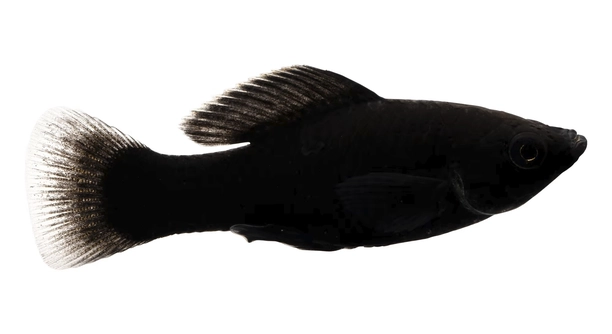
Do you love keeping aquariums but find yourself unsure how to care for your new Black Molly fish properly? These small, elegant fish can brighten any tank, yet they bring challenges that often surprise first-time owners.
New Black Molly owners often face difficulties such as water quality management, proper feeding routines, tank compatibility, stress prevention, disease monitoring, breeding control, and maintaining ideal temperature conditions. Addressing these factors is essential for ensuring their health and long-term survival.
Learning to navigate these challenges early can prevent common mistakes and help your Black Molly thrive in its new home. Proper care sets the foundation for a happy, healthy aquarium.
Water Quality Challenges
Maintaining clean water is the first hurdle for many new Black Molly owners. These fish are sensitive to changes in their environment, and poor water conditions can quickly lead to stress or illness. Regular water testing is essential, focusing on ammonia, nitrite, and nitrate levels. Using a good filter and performing partial water changes weekly helps stabilize the environment. Overfeeding can also affect water quality, as leftover food decomposes and releases toxins. It’s important to introduce new fish slowly and monitor how the tank reacts. Avoid overcrowding, as more fish produce more waste, which makes balancing water parameters harder. Additionally, keeping a consistent temperature and pH prevents sudden shifts that can shock the fish. Monitoring water quality is not a one-time task; it requires commitment and regular attention. Understanding the specific needs of Black Mollies regarding salinity and hardness can further improve their resilience and overall health. Patience and routine are key.
Frequent testing and partial water changes are crucial for maintaining a stable, healthy environment for Black Mollies.
By paying attention to water parameters, you can prevent stress and disease, ensuring your Black Mollies grow strong. Even small adjustments, like controlling leftover food or maintaining proper tank circulation, make a significant difference. Over time, these practices become natural and help you enjoy a thriving aquarium without constant worry.
Feeding and Diet Issues
Feeding Black Mollies the right diet is essential for their health. They need a mix of high-quality flake food, vegetables, and occasional protein treats.
Providing a balanced diet supports growth, bright colors, and active behavior. Overfeeding can pollute the water, while underfeeding weakens their immune system.
Many new owners struggle with finding the right balance. Black Mollies require regular feeding but not excessive portions. Leafy vegetables such as spinach or zucchini can supplement their flake diet, offering nutrients that promote healthy digestion. Occasionally, small amounts of brine shrimp or daphnia provide protein. Monitoring feeding habits and removing uneaten food prevents water contamination. Feeding at consistent times each day helps establish a routine for the fish, reducing stress. Observing their behavior during feeding can indicate health issues early, as lethargy or disinterest may signal a problem. By adjusting diet based on observation, you can maintain vitality and prevent common diet-related problems in Black Mollies. A thoughtful feeding approach directly contributes to the overall success of keeping them.
Tank Compatibility
Black Mollies get along with many peaceful fish, but aggressive or overly active species can stress them. Avoid keeping them with large, nippy, or territorial fish to reduce conflicts and injuries.
Keeping compatible tank mates ensures Black Mollies swim freely without stress. They thrive in community tanks with calm, similar-sized species. Observing behavior when introducing new fish helps prevent bullying. Providing hiding spaces, such as plants or decorations, allows shy Mollies to retreat. Avoid sudden additions of multiple fish at once, as this can disrupt the tank’s balance. Mollies are social, so keeping them in small groups improves their activity and reduces anxiety. Attention to compatibility fosters a healthy, harmonious environment for everyone in the tank. Proper planning avoids long-term stress-related health issues.
Some Mollies may still show territorial tendencies despite compatibility. Watching for signs of fin nipping or chasing helps identify issues early. Adjusting tank layout, adding barriers, or separating aggressive fish can protect vulnerable Mollies. Over time, a well-planned community tank encourages natural behaviors and reduces stress, contributing to better growth, color, and overall vitality. Ensuring proper space per fish also prevents overcrowding, which can otherwise lead to aggression or water quality problems, making careful selection of tank mates essential.
Stress and Disease Prevention
Stress weakens Black Mollies’ immune systems, making them more prone to disease. Consistent tank conditions and careful handling are crucial for prevention.
Sudden temperature changes, water parameter fluctuations, or rough handling can trigger stress. Observing fish behavior daily helps catch early signs such as hiding, erratic swimming, or loss of appetite. Proper acclimation when introducing new fish reduces shock. Avoid overcrowding, as competition for space and food increases tension. Clean water, balanced diet, and adequate hiding spaces minimize stress.
Routine monitoring and preventative care protect Black Mollies from common illnesses like ich, fin rot, and fungal infections. Quarantining new fish before adding them to the main tank reduces the risk of introducing pathogens. Using high-quality filtration and avoiding contaminated equipment further lowers exposure to harmful bacteria. Paying attention to small behavioral changes allows early intervention, which is often more effective than treatment after illness develops. Stress reduction combined with careful hygiene creates a stable, healthy environment where Black Mollies can thrive and display their full potential in activity, growth, and color.
Breeding Control
Black Mollies breed easily, which can quickly overcrowd a tank. Separating males and females or using breeding traps helps manage population growth.
Uncontrolled breeding stresses the tank ecosystem. Removing fry or providing a dedicated breeding tank ensures adults remain healthy and prevents water quality issues.
Temperature Sensitivity
Black Mollies require stable water temperatures, ideally between 75°F and 82°F. Sudden drops or spikes can cause stress or illness. Maintaining a reliable heater and monitoring with a thermometer prevents dangerous fluctuations and supports consistent health and activity levels.
Monitoring Health
Regular observation is essential to catch early signs of disease. Look for changes in behavior, appetite, or appearance, such as clamped fins, spots, or lethargy, which indicate potential problems.
FAQ
How often should I change the water for my Black Mollies?
Partial water changes should be done weekly, usually 20–30 percent of the tank volume. This helps maintain water quality, remove excess waste, and prevent toxin buildup. Avoid changing too much at once, as sudden shifts can stress the fish and disrupt beneficial bacteria.
What should I feed my Black Mollies?
A balanced diet includes high-quality flake food, supplemented with vegetables like spinach or zucchini, and occasional protein treats such as brine shrimp or daphnia. Feed small amounts two to three times daily, removing any uneaten food to prevent water contamination.
Can Black Mollies live in freshwater?
Yes, they can live in freshwater, but they thrive best in slightly brackish water with a small amount of aquarium salt. Adding a pinch of salt improves their immune system and helps prevent certain diseases. Monitor levels carefully to avoid harming plants or other fish.
How many Black Mollies should I keep together?
They are social fish, so keeping at least three or more together is recommended. Small groups reduce stress and encourage natural activity. Avoid overcrowding, as this increases waste, raises aggression, and complicates water quality management.
What is the ideal tank size for Black Mollies?
A minimum of 20 gallons is recommended for a small group. Larger tanks are better for maintaining water stability and giving the fish space to swim freely. Overcrowding can lead to stress, aggression, and rapid deterioration of water quality.
Why are my Black Mollies’ fins clamped?
Clamped fins often indicate stress or illness. Common causes include poor water quality, sudden temperature changes, aggressive tank mates, or parasites. Addressing the underlying issue promptly can prevent further health problems and restore normal behavior.
How can I prevent disease in my Black Mollies?
Maintain clean water, provide a balanced diet, and quarantine new fish before introducing them. Regularly inspect your fish for signs of illness and avoid overcrowding. Stress reduction through proper tank setup and consistent care also helps prevent common diseases.
Do Black Mollies require a heater?
Yes, they prefer stable water temperatures between 75°F and 82°F. Using a reliable heater ensures consistent warmth, especially in cooler climates. Sudden temperature drops can cause stress or trigger illness, so monitoring with a thermometer is recommended.
Can Black Mollies live with other fish?
They do well with peaceful, similar-sized species. Avoid aggressive, nippy, or territorial fish to reduce stress. Providing hiding spots and monitoring behavior during introductions ensures a harmonious community tank.
Why are my Black Mollies breeding so quickly?
Black Mollies are livebearers and reproduce easily. Uncontrolled breeding can overcrowd the tank and impact water quality. Using breeding traps or separating males and females helps manage population growth and prevents stress-related health issues.
How do I know if my Black Mollies are healthy?
Healthy fish are active, swim freely, eat regularly, and display vibrant color. Watch for signs like lethargy, loss of appetite, clamped fins, or spots. Early detection of abnormal behavior allows prompt intervention and reduces the risk of serious illness.
Can Black Mollies adapt to different water hardness?
They prefer moderately hard water but can tolerate a range if changes are gradual. Sudden shifts in hardness or pH can cause stress. Slowly adjusting water parameters helps them acclimate without impacting their health.
Is it necessary to add plants to the tank?
Live plants provide hiding spots, improve water quality, and reduce stress. While not strictly required, they enhance the tank environment, offering shelter for shy Mollies and areas for fry to hide if breeding occurs.
How long do Black Mollies live?
With proper care, they typically live three to five years. Maintaining water quality, balanced nutrition, and stress-free conditions contributes to longevity. Regular observation ensures they remain healthy and active throughout their lifespan.
What should I do if my Black Molly shows signs of illness?
Isolate the affected fish in a quarantine tank to prevent spreading disease. Test water parameters, adjust diet, and, if necessary, treat with appropriate medication. Prompt action improves recovery chances and helps protect other fish in the main tank.
Can Black Mollies live in brackish water?
Yes, they tolerate slightly brackish conditions, which can improve health and encourage breeding. Mixing a small amount of aquarium salt carefully ensures optimal results. Monitor water parameters to avoid harming sensitive tank mates or plants.
Are Black Mollies hardy fish for beginners?
They are generally hardy but still require consistent care. New owners must manage water quality, diet, tank mates, and temperature carefully. Attention to detail ensures a healthy, thriving aquarium and prevents common beginner mistakes.
How do I acclimate a new Black Molly to my tank?
Float the sealed bag in the tank for 15–20 minutes to equalize temperature. Gradually mix small amounts of tank water into the bag over 30–60 minutes before releasing the fish. This prevents shock and improves survival.
Why are my Black Mollies hiding constantly?
Excessive hiding indicates stress from poor water conditions, aggressive tank mates, or illness. Ensure water quality is stable, provide hiding spaces, and monitor behavior. Addressing environmental or social stressors encourages normal activity.
What is the best way to clean the tank without harming the fish?
Use a siphon for water changes, gently remove debris, and clean the filter according to instructions. Avoid harsh chemicals, and perform partial water changes regularly. Consistent maintenance keeps the tank safe and supports healthy fish.
Can Black Mollies coexist with shrimp or snails?
Yes, peaceful invertebrates like shrimp or snails can live alongside Black Mollies. Avoid aggressive species that may harm them. Invertebrates help with algae control and add diversity, contributing to a balanced tank ecosystem.
How do I prevent my Black Mollies from jumping out of the tank?
Keep a secure lid on the tank, as Black Mollies are active swimmers and may jump when startled. Ensure the tank is stable and provide enough swimming space to reduce stress and discourage jumping behavior.
What water parameters are ideal for Black Mollies?
Maintain a temperature of 75–82°F, pH 7.0–8.0, and moderate hardness. Consistent parameters prevent stress and disease, while sudden changes can compromise health. Regular testing ensures optimal conditions for growth and activity.
How often should I check my Black Mollies for signs of stress or disease?
Daily observation is recommended. Check behavior, appetite, and appearance for early warning signs. Early detection allows intervention before minor issues become serious, keeping your fish healthy and active.
Can Black Mollies live in small tanks?
They can survive in smaller tanks, but a minimum of 20 gallons is recommended for groups. Larger tanks stabilize water conditions, reduce stress, and provide swimming space. Small tanks increase maintenance demands and can quickly develop water quality problems.
How do I encourage Black Mollies to breed safely?
Provide a well-maintained tank with hiding spots for fry. Ensure a balanced diet and stable water conditions. Separate males and females if population control is needed. Observing their behavior helps manage breeding and keeps adults healthy.
Are there common mistakes new Black Molly owners make?
Yes, mistakes include overfeeding, overcrowding, neglecting water changes, adding incompatible tank mates, and failing to monitor temperature. Attention to these areas reduces stress, prevents disease, and ensures a thriving tank environment for the fish.
What equipment is essential for keeping Black Mollies?
A reliable heater, filter, thermometer, water test kits, and proper lighting are essential. Optional additions like plants, hiding spaces, and breeding traps support health and natural behavior. Regular maintenance of equipment ensures stability and longevity of the tank ecosystem.
How can I improve my Black Mollies’ coloration?
Provide a balanced diet, clean water, and consistent lighting. Stress reduction, proper nutrition, and healthy tank conditions enhance natural color. Observation and minor adjustments to diet or environment can make a noticeable difference over time.
Can I mix different types of Mollies?
Yes, but monitor for aggression or dominance, as some variations may compete more. Ensure the tank is large enough and provide hiding spaces to maintain harmony. Proper planning helps avoid stress and preserves health.
What should I do if my Black Mollies stop eating?
Check water parameters and tank conditions first. Offer varied foods in small amounts and remove uneaten portions. Monitor for signs of illness. Appetite loss often indicates stress or disease, so early intervention is key.
How important is lighting for Black Mollies?
Moderate lighting supports natural behavior, plant growth, and coloration. Avoid overly bright or direct light, which can stress the fish. Maintaining a consistent light cycle encourages activity and reduces stress-related problems.
Can Black Mollies live with goldfish?
It’s not recommended. Goldfish are coldwater fish and may compete for food or stress Black Mollies. Differing temperature requirements make coexistence challenging, often leading to poor health or increased disease risk.
Do Black Mollies need salt in freshwater tanks?
Adding a small amount of aquarium salt can improve health, enhance coloration, and reduce disease risk. Use sparingly and monitor water parameters to avoid harming plants or sensitive tank mates.
How do I handle a sick Black Molly?
Quarantine the fish, check water quality, and provide targeted treatment if needed. Avoid using chemicals in the main tank unless necessary. Isolation prevents spread and allows focused care for recovery.
Can Black Mollies live in planted tanks?
Yes, they enjoy planted tanks. Plants provide hiding spaces, reduce stress, and help maintain water quality. Live plants also offer shelter for fry and contribute to a natural, comfortable environment.
What temperature fluctuations are dangerous for Black Mollies?
Sudden drops below 75°F or spikes above 82°F can cause stress and illness. Consistent temperature using a heater and thermometer is essential to maintain health and prevent shock.
How do I acclimate multiple Black Mollies at once?
Float bags for 15–20 minutes, then slowly mix tank water in over 30–60 minutes. Introduce fish gradually to prevent stress and maintain stable water conditions, ensuring a smooth transition for all.
Why are my Black Mollies hiding more than usual?
Excessive hiding signals stress from poor water quality, aggressive tank mates, or illness. Check parameters, observe behavior, and adjust the environment to reduce tension and encourage normal activity.
Can I breed Black Mollies without a separate tank?
Yes, but fry survival is low in a community tank due to predation. Using breeding traps or providing dense plants helps protect fry and manage population growth while keeping adults healthy.
How long should I quarantine new fish before adding them?
Two to four weeks is ideal to monitor for disease and prevent introducing pathogens. Quarantine ensures the main tank remains healthy and reduces the risk of outbreaks among established fish.
What are signs of stress in Black Mollies?
Stress manifests as hiding, clamped fins, rapid breathing, lethargy, or loss of appetite. Early identification allows intervention to restore stable conditions and prevent disease.
Can Black Mollies tolerate slightly hard or soft water?
They adapt to moderate variations if changes are gradual. Sudden shifts in hardness or pH can stress the fish, so slow acclimation is necessary to maintain health.
How often should I test my tank water?
Weekly testing of ammonia, nitrite, nitrate, pH, and hardness is recommended. Frequent checks prevent harmful conditions from developing and support a stable, healthy environment for Black Mollies.
Can Black Mollies jump out of the tank at night?
Yes, they may jump if startled or stressed. Secure lids and stable tank placement prevent accidents, ensuring safety and reducing risk of injury or escape.
Do Black Mollies require aeration?
Moderate aeration helps maintain oxygen levels, especially in crowded tanks. Filters often provide sufficient movement, but additional air stones can be used if necessary to support health.
How do I reduce aggression among Black Mollies?
Provide enough space, hiding spots, and observe tank dynamics. Overcrowding or incompatible tank mates often cause aggression. Adjust layout and population as needed to maintain harmony.
Are Black Mollies sensitive to medication?
Yes, always follow dosage instructions carefully. Overuse or improper treatment can harm them. Isolate sick fish when possible to avoid affecting the main tank.
Can I keep male and female Black Mollies together?
Yes, but expect frequent breeding. Manage population through traps, separation, or monitoring to prevent overcrowding and maintain stable water conditions.
Why are my Black Mollies losing color?
Fading coloration often results from stress, poor diet, illness, or inadequate lighting. Address water quality, nutrition, and tank environment to restore vibrancy and overall health.
How do I safely clean decorations and substrate?
Remove debris using a siphon or gentle scrubbing. Avoid soap or chemicals. Rinse thoroughly with tank water to maintain safety and prevent introducing harmful substances.
Can Black Mollies live with bettas?
It depends on individual betta temperament. Some bettas may be aggressive, so monitor carefully. Providing ample space and hiding spots reduces the risk of stress or injury.
What is the recommended pH for Black Mollies?
Maintain pH between 7.0 and 8.0. Sudden fluctuations can cause stress and illness. Regular testing and gradual adjustments help keep conditions stable and suitable for their health.
Do Black Mollies need a specific light cycle?
Yes, 8–12 hours of light per day supports natural behavior, plant growth, and coloration. Consistent cycles help reduce stress and encourage activity.
How do I know if my Black Mollies are eating enough?
Healthy fish eat consistently and show interest in food. Uneaten portions should be minimal. Observe daily to ensure proper nutrition and adjust feeding amounts as needed.
Can Black Mollies live with tetras?
Yes, peaceful, similar-sized fish like tetras coexist well. Avoid overly aggressive species and monitor behavior during introduction. Proper tank setup ensures a calm, balanced community.
How do I treat fin rot in Black Mollies?
Isolate affected fish, improve water quality, and use appropriate medication. Clean water and stress reduction are essential for recovery. Regular monitoring prevents recurrence and protects other fish.
Are Black Mollies suitable for planted aquariums?
Yes, they benefit from hiding spots and cover provided by plants. Plants also improve water quality and provide areas for fry to hide, enhancing overall tank health.
How do I prevent overfeeding in Black Mollies?
Feed small portions two to three times daily and remove leftovers. Overfeeding pollutes water, stresses fish, and increases disease risk. Observation and consistent feeding help maintain health.
What should I do if my Black Mollies are inactive?
Check water parameters, temperature, and tank mates. Inactivity may indicate stress, illness, or unsuitable conditions. Early intervention restores normal behavior and prevents health decline.
Can Black Mollies live in soft water?
They tolerate soft water if changes are gradual. Sudden shifts can cause stress or illness, so acclimation is important. Maintain consistent parameters for long-term health.
How do I keep Black Mollies from nipping each other?
Provide adequate space, hiding spots, and avoid overcrowding. Observe interactions and separate aggressive individuals if necessary. A well-structured environment reduces conflict and supports harmony.
Are Black Mollies good for beginners?
Yes, they are hardy but still require attention to water quality, diet, and tank mates. Consistent care ensures a thriving, healthy aquarium and prevents common mistakes.
How do I introduce Black Mollies to a new tank?
Float the bag for 15–20 minutes, gradually mix tank water, then release. Introduce fish slowly to reduce stress and allow acclimation to temperature and water parameters.
Can Black Mollies live with guppies?
Yes, peaceful and similar in size, guppies coexist well. Monitor for overbreeding, as both species reproduce quickly, which may impact tank balance and water quality.
What is the average lifespan of a Black Molly?
Three to five years with proper care. Maintaining water quality, diet, and stress-free conditions contributes to longevity and overall well-being.
How do I handle water parameter fluctuations?
Adjust gradually, monitor daily, and avoid sudden changes. Consistency prevents stress, supports immune function, and promotes health and activity in Black Mollies.
Can Black Mollies live in tanks without a filter?
They can survive temporarily, but a filter is essential for long-term water quality, oxygenation, and overall health. Regular maintenance compensates partially but does not replace proper filtration.
Are Black Mollies affected by water chlorine?
Yes, chlorine and chloramine are harmful. Use a water conditioner to neutralize chemicals before adding water to the tank. Proper treatment prevents stress and protects gills and overall health.
How do I prevent algae growth in a Black Molly tank?
Control light exposure, avoid overfeeding, and maintain water quality. Live plants compete with algae for nutrients. Regular cleaning and maintenance help reduce buildup and preserve a healthy environment.
Can Black Mollies tolerate slightly salty water?
Yes, small amounts of aquarium salt improve health and immunity. Monitor levels to avoid harming plants or sensitive tank mates. Proper salinity benefits overall vitality and reduces disease risk.
How do I know if my Black Mollies are stressed?
Watch for hiding, clamped fins, rapid breathing, lethargy, or loss of appetite. Early identification allows adjustments to tank conditions, diet, or population to restore normal behavior.
Do Black Mollies need a specific diet for breeding?
Yes, providing protein-rich foods like brine shrimp or daphnia alongside vegetables improves fertility and fry survival. Balanced nutrition supports health for both adults and offspring.
How do I prevent water cloudiness in a Black Molly tank?
Perform regular partial water changes, avoid overfeeding, and maintain the filter. Remove debris promptly. Stable water parameters and proper maintenance prevent turbidity and maintain a clear tank.
Can Black Mollies live with corydoras catfish?
Yes, peaceful bottom dwellers like corydoras coexist well. They occupy different levels of the tank, reducing competition and stress while promoting a balanced ecosystem.
What is the best way to remove uneaten food?
Use a net or siphon shortly after feeding. Prompt removal prevents water contamination, reduces stress, and maintains a healthy environment for Black Mollies and other tank inhabitants.
Are Black Mollies prone to parasites?
Yes, especially in poor water conditions. Quarantine new fish, maintain clean water, and monitor behavior to detect early signs. Prompt treatment reduces the risk of spreading parasites.
Can Black Mollies live with African dwarf frogs?
Yes, they are compatible if the tank is large enough and hiding spaces are provided. Monitor interactions to ensure frogs are not stressed and fish remain healthy.
How do I treat ich in Black Mollies?
Raise water temperature gradually
Black Mollies are beautiful, lively fish that can bring life to any aquarium, but they require consistent care to thrive. From managing water quality and temperature to ensuring proper diet and tank compatibility, there are many aspects that new owners need to monitor closely. These fish are sensitive to sudden changes, so establishing a stable environment is crucial. Small mistakes, such as overfeeding or overcrowding, can quickly lead to stress or illness, making careful observation and routine maintenance essential. Taking time to understand their specific needs helps prevent problems before they start and supports long-term health and activity.
Understanding the common challenges that come with keeping Black Mollies is an important part of responsible fish ownership. Regular water testing, partial water changes, and proper filtration ensure that their environment remains clean and balanced. Feeding them a varied diet that includes both flake foods and occasional vegetables or protein treats keeps them healthy and vibrant. Observing behavior daily allows owners to detect early signs of stress or disease, which is critical for timely intervention. Tank compatibility and space considerations also play a key role in their well-being, as aggressive or incompatible fish can cause unnecessary stress. Providing hiding spaces and monitoring social interactions further reduces tension and encourages natural behavior.
Ultimately, success with Black Mollies comes from consistency and attention to detail. Creating a stable, well-maintained tank not only promotes their health but also enhances their natural beauty and activity. Breeding, stress prevention, and disease monitoring require careful planning and patience, but the effort is rewarded with lively, thriving fish that are a joy to watch. By taking preventive measures, observing their needs, and adjusting care as necessary, new owners can enjoy the satisfaction of a healthy aquarium. These practices lay the foundation for a long-lasting, harmonious environment where Black Mollies can flourish, making the experience of keeping them both rewarding and enjoyable.

Hello,
If you enjoy the content that we create, please consider saying a "Thank You!" by leaving a tip.
Every little bit helps us continue crafting quality advice that supports the health, happiness, and well-being of pets around the world, for pets of all shapes, sizes, and species.
We really appreciate the kindness and support that you show us!