
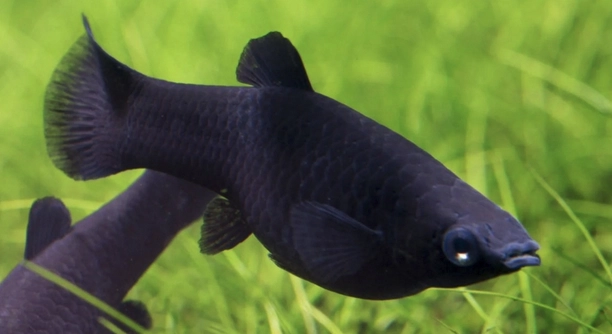
Are your black mollies constantly swimming back and forth in the tank, leaving you puzzled about their behavior? Observing them can feel a little stressful, especially when they seem restless or unsettled. It is a common concern for aquarium enthusiasts.
Black mollies often pace the tank due to stress, poor water quality, or insufficient space. Inadequate hiding spots, fluctuating temperatures, or lack of social interaction can trigger this behavior, which indicates the fish’s discomfort and need for environmental adjustment.
Addressing these factors can improve their comfort and overall well-being in the tank. Understanding the reasons behind pacing helps maintain a healthier aquarium environment.
Water Quality and Tank Conditions
Poor water quality is one of the main reasons black mollies pace constantly. High ammonia, nitrite, or nitrate levels can stress fish quickly, causing restless behavior. Checking the water regularly and performing consistent partial water changes helps maintain a healthy environment. Temperature fluctuations also play a role. Mollies thrive in slightly warm water, around 75-80°F, so a stable heater and thermometer are important. Uneven pH or hard water can make them uncomfortable, too. Additionally, overcrowding in the tank increases stress and encourages pacing. Providing a spacious tank with at least a 20-gallon capacity for a small group allows more freedom to swim and reduces tension. Adding plants, decorations, or hiding spots offers security and lowers stress. Black mollies are social, but they need personal space to feel safe. Monitoring water parameters and adjusting the environment carefully can greatly reduce pacing and keep your fish calmer overall.
Regular water tests and cleaning routines help keep mollies healthy and less stressed.
Keeping consistent water quality, temperature, and space creates a stable habitat. When fish feel secure, pacing often decreases, and they display more natural, relaxed behaviors. Observation and careful adjustments go a long way in maintaining a peaceful tank.
Diet and Feeding Habits
Overfeeding or underfeeding can affect black molly behavior, causing them to swim restlessly.
Feeding a balanced diet is essential. Mollies need both plant matter and protein, such as flake food, algae, and occasional live or frozen treats. Uneaten food should be removed promptly to prevent water quality issues. Feeding small portions multiple times a day is better than one large meal, which can overwhelm their system. Inconsistent feeding schedules or sudden diet changes can stress them and trigger pacing. Observing their response to different foods helps identify preferences and dietary needs. Maintaining variety ensures they receive all essential nutrients, supporting overall health and reducing restlessness. Additionally, keeping the tank clean from leftover food prevents spikes in ammonia and nitrite, which can worsen pacing behavior. A thoughtful feeding routine paired with proper tank maintenance encourages calm, natural swimming patterns. Over time, mollies will appear more content and active in a healthy way, making the aquarium easier to manage and more enjoyable to watch.
Tank Size and Social Needs
Black mollies need enough space to swim comfortably and interact with other fish. Small tanks limit movement and can increase stress, leading to pacing. A minimum of 20 gallons is recommended for a small group to reduce tension and encourage natural behavior.
Providing adequate space allows black mollies to form social groups without feeling crowded. They are active fish and need room to explore. Overcrowded conditions make them restless, and pacing often becomes a sign of frustration or discomfort. Adding plants and decorations helps break lines of sight, giving them private areas. A well-planned layout supports both social interaction and personal space, which is crucial for their mental well-being. Monitoring how they swim and interact can indicate whether the tank setup meets their needs.
Mollies are social but need balance. Too few companions or too many can trigger pacing. Observing their interactions helps ensure harmony. Adjusting numbers or tank layout reduces stress and improves overall behavior. Personal space and companionship together create a calm environment.
Environmental Enrichment
Black mollies respond well to visual stimulation and varied environments. Changing decorations, adding plants, and introducing safe hiding spots keeps them engaged and less restless.
Environmental enrichment reduces repetitive pacing by giving mollies places to explore and retreat when needed. Open swimming areas combined with plants, caves, and gentle currents mimic natural habitats. Mollies enjoy exploring tall plants, floating objects, and driftwood, which provide security while encouraging activity. Rearranging items occasionally introduces novelty, stimulating curiosity and reducing boredom. A diverse environment supports both physical and mental health, helping fish remain calm and active. Enrichment also helps prevent aggression by providing multiple territories and escape routes. Careful observation ensures each addition benefits the fish without overcrowding. Balancing open swimming zones with structured hiding spots creates a healthy, dynamic tank.
Consistent enrichment combined with proper care improves mollies’ behavior over time. A varied, engaging environment supports natural instincts and keeps them healthy and active. Regularly updating features helps maintain interest and reduce pacing.
Stress and Aggression
Stress from tank mates or sudden changes can make black mollies pace constantly. Aggressive or overly active fish may intimidate them, increasing anxiety and restlessness.
Minimizing stress involves keeping compatible species together and avoiding sudden environmental shifts. Mollies thrive with peaceful companions and a stable routine, which encourages calm behavior. Observing interactions helps identify sources of tension early.
Lighting and Day-Night Cycle
Consistent lighting supports mollies’ natural rhythm. Too much or too little light can cause restlessness and pacing. A regular day-night schedule helps regulate activity and reduces anxiety. Bright or flickering lights may overstimulate them, while dim lighting promotes calm behavior. Adjusting light exposure encourages a natural swimming pattern.
Disease and Health Issues
Pacing may indicate illness or discomfort. Internal parasites, swim bladder problems, or other health conditions can trigger constant movement. Monitoring for other symptoms such as discoloration, clamped fins, or loss of appetite helps identify potential issues early. Timely treatment improves recovery and reduces stress.
Observation and Monitoring
Watching black mollies closely helps identify the cause of pacing. Noting patterns, tank conditions, and behavior changes informs necessary adjustments for their well-being.
FAQ
Why are my black mollies constantly pacing back and forth?
Pacing is usually a sign of stress or discomfort. Common causes include poor water quality, incorrect temperature, insufficient space, or lack of hiding spots. Overcrowding or incompatible tank mates can also make them restless. Observing their environment and adjusting conditions can reduce pacing over time.
Can water quality really affect their behavior?
Yes, black mollies are sensitive to ammonia, nitrite, nitrate, and pH fluctuations. Even minor changes can stress them. Regular water testing and partial water changes help maintain stability. Clean water supports healthy swimming patterns and reduces constant pacing.
Does tank size matter for pacing?
Absolutely. Small tanks limit movement and can increase stress. A minimum of 20 gallons is recommended for a small group of black mollies. Providing plenty of swimming space, plants, and decorations helps them feel secure and reduces restlessness.
Do they need companions?
Black mollies are social fish, so having a few companions helps them feel comfortable. However, too many fish can cause overcrowding, which also triggers pacing. Maintaining the right balance of social interaction and personal space is essential for calm behavior.
Could lighting affect their pacing?
Yes, lighting plays a role in their daily rhythm. Too bright or inconsistent lighting can overstimulate them, while a stable day-night cycle encourages natural activity and reduces stress-induced pacing. Adjusting light duration and intensity can help regulate their behavior.
Can diet influence pacing behavior?
Feeding inconsistencies or poor nutrition can make mollies restless. A balanced diet of flake food, algae, and occasional live or frozen treats is ideal. Small, frequent meals prevent hunger-related stress and support healthy swimming patterns. Removing uneaten food also helps maintain water quality.
Is disease a common reason for pacing?
Yes, health issues like swim bladder problems, internal parasites, or infections can cause constant movement. Other signs include clamped fins, discoloration, or loss of appetite. Early detection and treatment are critical to reducing stress and restoring normal behavior.
Do tank decorations really help?
Providing plants, caves, and hiding spots gives mollies security and mental stimulation. These additions allow exploration, reduce boredom, and lower aggression from other fish. Rearranging decorations occasionally keeps their environment interesting and helps minimize pacing.
How can I tell if pacing is serious?
If pacing is accompanied by other symptoms such as labored breathing, erratic swimming, or physical changes, it may indicate illness or severe stress. Otherwise, pacing is often behavioral and improves with better tank conditions, diet, and enrichment.
How long does it take for pacing to stop?
The time varies depending on the cause. Improvements in water quality, tank setup, or diet can show results within a few days to a couple of weeks. Continuous observation ensures the environment remains suitable for their long-term comfort.
Are there preventive measures I can take?
Regular tank maintenance, stable water conditions, proper tank size, balanced diet, compatible tank mates, and environmental enrichment are key. Monitoring behavior and addressing small issues early prevents stress, supports health, and reduces pacing over time.
Can I use medications to stop pacing?
Medication is only necessary if a disease is diagnosed. Using it for behavioral pacing without underlying illness can be harmful. Focus first on environmental adjustments, diet, and social needs before considering medical intervention.
Will mollies ever stop pacing completely?
With proper care, pacing usually decreases significantly. Some movement is natural, but addressing stressors ensures that their swimming becomes calmer and more relaxed, reflecting a healthier, well-adjusted fish.
Is temperature a factor in pacing?
Yes, unstable or incorrect temperatures can make black mollies restless. They thrive in 75-80°F. Consistent warmth helps regulate metabolism and activity, encouraging steady, natural swimming patterns.
Does overcrowding always cause pacing?
Overcrowding increases stress and limits swimming space, often leading to pacing. Balancing the number of fish with tank size is essential. Even compatible species need enough room to move freely and establish personal zones within the tank.
Black mollies pacing in a tank is usually a signal that something in their environment needs attention. It is a behavior rooted in stress, discomfort, or sometimes health issues. Many factors can contribute to this behavior, including poor water quality, incorrect temperature, overcrowding, or lack of environmental enrichment. Observing your fish carefully can help pinpoint the source of the problem. Checking ammonia, nitrite, and nitrate levels regularly, maintaining stable temperatures, and ensuring there is enough space for swimming are practical first steps. Simple adjustments like these often make a noticeable difference in their activity and overall well-being. Providing hiding spots and decorations gives them a sense of security and reduces restlessness.
Diet also plays an important role in reducing pacing. Black mollies need a balanced diet that includes both plant matter and protein. Feeding small, consistent portions throughout the day can prevent hunger-related stress and keep water quality from deteriorating due to leftover food. Introducing variety, like algae, flake food, and occasional live or frozen treats, supports their health and encourages natural activity. Overfeeding, underfeeding, or sudden changes in diet can make them swim anxiously, so consistency is key. Pairing a proper diet with a clean and stable environment creates conditions that allow black mollies to feel safe and display normal swimming patterns.
Monitoring social dynamics and tank setup is equally important. Black mollies are social fish, but too many tank mates or incompatible species can trigger anxiety and pacing. Ensuring the right balance of companions and personal space helps reduce stress. Lighting and environmental enrichment also influence behavior. A stable day-night cycle and varied, engaging tank features encourage exploration without overwhelming the fish. Even small adjustments, like rearranging plants or adding gentle currents, can help create a more stimulating yet comfortable environment. With consistent care, observation, and adjustments, pacing behavior usually decreases over time. Focusing on these elements promotes healthier, calmer black mollies and allows them to thrive naturally in the tank.

Hello,
If you enjoy the content that we create, please consider saying a "Thank You!" by leaving a tip.
Every little bit helps us continue crafting quality advice that supports the health, happiness, and well-being of pets around the world, for pets of all shapes, sizes, and species.
We really appreciate the kindness and support that you show us!