
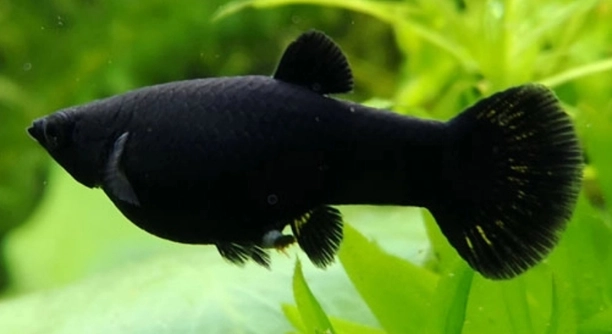
Do you ever find yourself tending to your black molly tank and noticing fewer fry than expected? Many hobbyists face challenges in breeding these fish despite proper care and attention, leading to frustration and concern about their health.
Several conditions can disrupt black molly breeding, including poor water quality, inconsistent temperatures, overcrowding, lack of hiding spaces, improper diet, stress from tank mates, and fluctuating light cycles. Addressing these factors is crucial to maintain reproductive health and successful fry development.
Understanding these influences will help you create a more supportive environment for your mollies. Each condition has unique effects that are important to recognize for successful breeding.
Poor Water Quality
Maintaining clean water is essential for black molly breeding. High levels of ammonia, nitrites, or nitrates can cause stress, reduce fertility, and even lead to illness or death. Regular water changes, proper filtration, and monitoring water parameters are necessary to keep your tank stable. Mollies are sensitive to sudden changes, so it is important to gradually adjust water conditions when needed. Keeping the water slightly alkaline and moderately hard promotes health and encourages mating. Over time, neglecting water quality can disrupt hormonal balance, reduce fry survival, and cause females to abort eggs. Even with proper feeding and tank size, poor water conditions will hinder reproduction and overall vitality. Observing fish behavior, such as lethargy or erratic swimming, can indicate water issues early, allowing you to correct problems before they affect breeding success.
Frequent water testing and partial changes are the simplest methods to maintain a healthy breeding environment.
Regular maintenance and careful observation ensure your black mollies remain active, healthy, and ready to reproduce successfully. A stable aquatic environment directly impacts their willingness to breed and the survival of their fry.
Inconsistent Temperature
Black mollies require stable temperatures between 75 and 80°F to breed effectively. Fluctuations can stress the fish, reduce mating behaviors, and prevent fry from developing properly. Even small changes can delay breeding cycles and affect egg viability.
Using a reliable heater and thermometer helps maintain consistent warmth. Regular monitoring ensures temperature remains within the optimal range, reducing stress and promoting reproductive activity.
Sudden temperature drops or spikes can negatively affect hormones responsible for reproduction. Female mollies may reabsorb eggs or produce fewer fry, while males may show reduced mating interest. Consistency is critical, especially when combining breeding tanks with community setups where other fish may require different conditions. Seasonal variations, drafts, or low-quality heaters can all contribute to fluctuations. Observing behavior such as reduced swimming, hiding, or decreased feeding can indicate temperature stress. By keeping a steady environment, black mollies are more likely to breed reliably. Temperature control works best alongside good water quality, proper nutrition, and adequate tank space to support healthy fry growth.
Overcrowding
Too many fish in one tank increases stress and aggression, which directly impacts black molly breeding. Limited space reduces hiding spots, making females less likely to mate.
Overcrowding can lead to constant competition for food and territory. Females may become stressed and reject males, or males may be too aggressive, chasing females relentlessly. Poor spacing also increases waste accumulation, worsening water quality and making the environment even less suitable for fry survival. Providing enough space per fish and ensuring hiding spots can prevent stress-related breeding issues. A properly stocked tank supports natural behaviors, encourages mating, and helps maintain healthy fry development without constant intervention.
By giving each molly sufficient space and hiding areas, breeding success improves naturally. Balanced tank populations reduce aggression and stress, allowing females to carry and release healthy fry while males maintain normal mating behaviors.
Improper Diet
Feeding black mollies low-quality or insufficient food can hinder reproduction. Balanced nutrition is essential for fertility and fry development.
A diet rich in protein, vitamins, and minerals supports egg production and strengthens males for mating. Inadequate nutrition can lead to smaller or fewer fry, weakened immune systems, and reduced energy for mating behaviors. Regularly rotating food types, including live or frozen options, ensures mollies receive necessary nutrients.
In addition to quantity, quality matters. Overfeeding can pollute the water, while underfeeding causes stress and lowers fertility. High-quality flakes, pellets, and occasional live foods like brine shrimp or daphnia enhance reproductive health. Maintaining a feeding schedule and monitoring fish condition ensures they are healthy and capable of successful breeding. Proper nutrition works alongside clean water and stable temperatures to optimize fry survival and overall tank health.
Lack of Hiding Spaces
Without plants, caves, or decorations, female black mollies feel exposed and stressed. This stress can prevent them from mating or cause them to reject males.
Providing plenty of hiding spots allows females to escape persistent males and feel secure. Stress-free environments encourage natural breeding behaviors.
Stress from Tank Mates
Aggressive or overly active tank mates can intimidate black mollies, reducing breeding activity. Stress weakens the immune system and affects fry survival. Careful selection of peaceful species ensures mollies can breed without constant harassment or fear.
Fluctuating Light Cycles
Inconsistent day-night cycles disrupt reproductive hormones and mating routines. Black mollies rely on predictable light patterns to trigger breeding behaviors.
Maintaining regular light cycles with timers can help regulate hormones, support egg development, and encourage fry production. Stable lighting complements water quality, temperature, and nutrition, ensuring overall breeding success.
Why are my black mollies not breeding even though the tank looks fine?
Even if the tank appears clean and well-stocked, unseen factors can prevent breeding. Poor water quality, stress from other fish, fluctuating temperatures, or insufficient hiding spots can all play a role. Observing behavior closely helps identify the real issue.
How can I improve water quality for breeding?
Regular partial water changes, proper filtration, and testing for ammonia, nitrites, and nitrates are key. Keeping water slightly alkaline and moderately hard encourages reproductive health. Avoid sudden changes to prevent stress, and always condition new water before adding it to the tank.
What is the ideal temperature for black molly breeding?
A stable temperature between 75 and 80°F supports mating and fry development. Sudden spikes or drops can stress fish, delay breeding, or cause females to reabsorb eggs. Using a reliable heater and thermometer ensures consistency and promotes reproductive behavior.
How does overcrowding affect breeding?
Too many fish create stress, aggression, and competition for resources. Females may hide continuously, and males may become overly aggressive. Overcrowding also worsens water quality, further reducing fertility and fry survival. Providing enough space and hiding spots supports healthy breeding behaviors.
What foods support successful black molly reproduction?
A balanced diet rich in protein, vitamins, and minerals is essential. High-quality flakes, pellets, and occasional live foods like brine shrimp or daphnia help maintain fertility. Overfeeding can pollute the water, while underfeeding reduces energy for mating. Rotate food types for optimal nutrition.
Why do hiding spaces matter for breeding?
Females need places to escape persistent males and feel secure. Plants, caves, or decorations reduce stress and encourage natural mating behaviors. A lack of hiding spaces can prevent females from mating or lead to them reabsorbing eggs.
Can tank mates interfere with black molly breeding?
Yes, aggressive or fast-moving species can intimidate mollies, increasing stress and lowering breeding activity. Peaceful tank mates are best, as constant harassment or fear can disrupt reproductive hormones and reduce fry survival.
How important is light in breeding success?
Consistent day-night cycles trigger reproductive hormones and mating routines. Fluctuating light patterns disrupt these signals, reducing breeding activity. Using timers to maintain regular light periods supports egg development, fry production, and overall tank health.
How often should I monitor my breeding tank?
Daily observation is recommended. Watch for unusual swimming patterns, hiding, or aggression. Regular checks help spot water quality issues, temperature fluctuations, or stress factors early, allowing timely interventions that improve breeding outcomes.
What steps should I take if breeding fails repeatedly?
Assess water parameters, nutrition, tank population, hiding spaces, and light cycles. Make gradual adjustments and monitor behavioral changes. Stress reduction and consistent care often restore breeding activity. Patience and careful observation are key to successful black molly reproduction over time.
How can I ensure fry survival once they are born?
Provide dense plants or breeding boxes to protect fry from adults. Maintain stable water conditions, a balanced diet, and minimal stress. Early separation of fry from adults may be necessary to prevent predation and support healthy growth until they are strong enough to join the main tank.
Are there any signs that indicate breeding is about to happen?
Males will become more active, chasing females gently, and females may develop a rounded belly. Courtship behaviors, such as fin displays and nudging, are common. Recognizing these signs allows timely preparation, including providing sufficient hiding spots and optimal water conditions.
What is the best way to manage stress in a breeding tank?
Minimize sudden changes in water parameters, temperature, or light. Avoid overcrowding, choose compatible tank mates, and provide hiding spots. Reducing stress improves hormone balance, increases mating behavior, and enhances fry survival, contributing to overall successful breeding outcomes.
How long does it take for black mollies to breed successfully under optimal conditions?
With proper care, mollies can breed within a few weeks. Females give birth to live fry approximately 4 to 6 weeks after mating. Continuous monitoring, proper nutrition, and stable environmental conditions ensure higher survival rates for both adults and fry.
Can breeding issues be resolved without changing the tank setup?
Sometimes minor adjustments like improving diet, maintaining temperature, or adding hiding spaces are enough. However, persistent problems often require reviewing tank size, population, or water quality. Small, consistent improvements usually yield better results than major sudden changes.
Is it normal for females to reabsorb eggs?
Yes, if females are stressed, malnourished, or kept in poor conditions, they may reabsorb eggs instead of releasing them. Ensuring optimal water quality, stable temperature, proper diet, and minimal stress prevents this and promotes successful fry production.
How can I track breeding progress effectively?
Keep notes on water parameters, feeding schedules, temperature, and fish behavior. Observing courtship, pregnancy signs, and fry appearance helps track reproductive success. Regular monitoring identifies issues early and allows adjustments to improve outcomes without guessing.
Are there any seasonal effects on breeding?
While black mollies can breed year-round in stable tanks, natural seasonal cues like daylight length may influence behavior. Consistent light cycles and temperature control mimic optimal conditions, reducing seasonal disruptions and supporting continuous breeding activity.
What is the role of tank maintenance in breeding success?
Consistent cleaning, water testing, and equipment checks maintain stable conditions. Proper maintenance reduces stress, prevents disease, and ensures all other factors like nutrition and temperature have maximum impact, creating an environment where black mollies can breed reliably.
How do I know if breeding has been successful?
Successful breeding is evident when fry appear and start swimming independently. Healthy fry are active, well-fed, and growing steadily. Observing both adult behavior and fry development confirms reproductive success and indicates that environmental and dietary conditions are suitable.
What are the most common mistakes hobbyists make when breeding black mollies?
Neglecting water quality, overcrowding, poor nutrition, insufficient hiding spaces, inconsistent temperature, and improper lighting are frequent errors. Each factor contributes to stress or reproductive failure. Correcting these mistakes through careful monitoring and consistent care greatly improves breeding outcomes and fry survival rates.
Breeding black mollies can feel challenging at times, especially when it seems like everything in the tank is fine but the fry are not appearing. Success requires careful attention to several key factors that work together to create a healthy environment. Water quality, temperature, and diet are foundational elements that directly affect reproductive health. Regular testing and maintenance of water parameters prevent stress and illness, while a consistent temperature range supports natural mating behavior. Feeding high-quality, nutrient-rich foods ensures that both males and females have the energy and health needed for successful breeding. Each small step contributes to the overall well-being of the fish, making breeding more predictable and sustainable over time.
Providing sufficient space and hiding spots in the tank is equally important. Overcrowding and constant exposure to aggressive tank mates create stress, which can delay or prevent breeding entirely. Female mollies need safe spaces to escape persistent males, and the presence of plants, caves, or decorations helps them feel secure. A calm environment allows natural courtship behaviors to occur and encourages females to carry and release healthy fry. Observing daily behavior can also provide valuable insights into how the fish are adapting to their environment, revealing subtle signs of stress or readiness to breed. Adjusting tank layout, removing overly aggressive fish, or adding more hiding spots often leads to noticeable improvements in breeding activity.
Consistency in care is a major factor for long-term success. Light cycles, feeding schedules, and water conditions should all be stable to minimize stress and encourage reproduction. Sudden changes, even small ones, can disrupt hormones and interfere with mating. Patience is required, as mollies may take time to adjust and respond to improvements. Combining proper nutrition, water quality, temperature control, and environmental enrichment creates the ideal conditions for breeding. Observing and learning from the behavior of your fish over time helps fine-tune these conditions and increases the chances of healthy fry survival. By maintaining a steady, supportive environment, black mollies are more likely to breed consistently, and you can enjoy watching new generations thrive in your aquarium.

Hello,
If you enjoy the content that we create, please consider saying a "Thank You!" by leaving a tip.
Every little bit helps us continue crafting quality advice that supports the health, happiness, and well-being of pets around the world, for pets of all shapes, sizes, and species.
We really appreciate the kindness and support that you show us!