
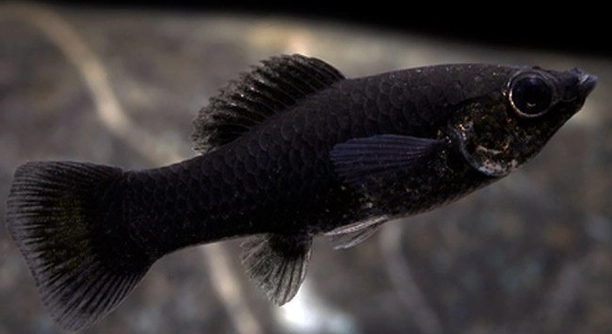
Is your black molly tank unusually calm, with fish barely moving around or interacting? Observing a quiet aquarium can be relaxing, but too much stillness may signal underlying issues that affect the health of your fish.
A black molly tank that appears too calm often indicates stress, illness, or environmental imbalance. Factors such as water quality, temperature, overcrowding, or lack of stimulation can reduce activity levels and impact overall fish behavior and well-being.
Knowing the signs of an overly calm tank is essential to maintain a healthy and engaging environment for your mollies. Proper attention can help restore natural activity and vitality in your aquarium.
Fish Hiding Most of the Time
Black mollies that hide constantly can indicate discomfort in their tank. If your fish spends most of the day behind decorations, under plants, or near the filter, it may be feeling stressed. Stress can result from sudden changes in water temperature, poor water quality, or aggressive tank mates. Mollies need space to swim and explore. When hiding dominates their behavior, it affects feeding and social interaction. Observing how often they leave hiding spots can help identify patterns. Regular water testing for pH, ammonia, nitrite, and nitrate levels ensures the environment is suitable. Even small adjustments, like adding plants or rearranging décor, can make them feel safer. Avoid overcrowding, as too many fish in a small space increases stress. Over time, consistent hiding can lead to weakened immune systems and higher susceptibility to disease. Monitoring daily behavior gives insight into their comfort and overall tank health.
Hiding most of the time signals stress or environmental imbalance. Immediate action can prevent health issues.
Creating a calm, secure environment requires careful observation. Adjusting tank layout, maintaining clean water, and ensuring compatible tank mates encourages activity and reduces hiding behaviors. A properly balanced tank supports healthier, more active black mollies, helping them display natural swimming and social behavior.
Reduced Swimming and Activity
When black mollies are unusually still, they may lack proper stimulation or feel unwell. Slow or minimal movement can indicate water issues, insufficient oxygen, or boredom.
Black mollies need space and appropriate conditions to stay active. Stagnant behavior may suggest that environmental factors need immediate adjustment.
Monitoring swimming patterns is crucial for assessing their health. Tank temperature, water quality, and current flow all influence activity levels. Proper feeding schedules, varied diet, and regular water changes encourage movement. Ensuring the tank has open areas for swimming along with hiding spots balances exploration and security. Lack of activity can also indicate disease, so observing physical signs like discoloration or fin deterioration is important. Adjusting conditions promptly helps mollies regain their natural energy, ensuring a lively and balanced tank ecosystem. By maintaining optimal water conditions and providing environmental enrichment, black mollies are more likely to swim actively, interact with one another, and display normal behaviors. This promotes long-term health and reduces stress in the aquarium.
Loss of Appetite
A black molly that refuses to eat is showing a clear sign of stress or illness. Appetite loss can result from poor water quality, sudden temperature changes, or internal health issues.
Monitoring feeding habits is essential. If your fish consistently avoids food, it may indicate digestive problems or infection. Uneaten food can further harm water quality, creating a cycle of stress. Adjusting diet with high-quality flakes, pellets, or occasional live food can help stimulate interest in eating. Check for other signs like lethargy or faded coloration, which often accompany appetite loss. Water parameters, including temperature and pH, should be stable and suitable for black mollies. In some cases, isolating the affected fish in a quarantine tank can prevent disease spread and allow for focused care. Observing behavior alongside dietary response helps determine whether medical treatment or environmental adjustment is needed.
Proper diet, stable water conditions, and attentive observation support recovery. Gradually reintroducing food encourages healthier feeding habits.
Ensuring the tank is clean and properly oxygenated also impacts appetite. Mollies are sensitive to water quality fluctuations. Adding live plants or gentle water flow can create a more engaging environment that stimulates feeding. Regularly checking for illness signs and maintaining consistent routines helps prevent long-term appetite problems and keeps your fish active and healthy.
Lack of Interaction
Black mollies that do not engage with tank mates or explore their surroundings may be stressed or uncomfortable. Social withdrawal is an early sign of environmental or health issues.
Isolation can result from water imbalance, overcrowding, or illness. Stress reduces interaction, causing fish to linger in one area or avoid others entirely.
Providing a stable environment encourages natural social behavior. Space, proper tank mates, and consistent care help mollies feel secure. Observing their interactions reveals much about tank health. Avoid sudden changes and maintain a routine to reduce stress. Healthy mollies will swim together, share territory, and respond to stimuli. Adjustments like adding hiding spots or rearranging decorations can make fish more comfortable. Nutritional support also promotes energy for social engagement. Consistent water quality and moderate lighting improve overall well-being. Active, interactive fish indicate a balanced tank, while withdrawn behavior signals the need for attention. Monitoring their engagement helps maintain a lively, harmonious aquarium and prevents potential health issues.
Clinging to the Surface
When black mollies stay near the water surface, it often indicates low oxygen levels or poor water quality. Constant surface clinging can signal that the tank environment is not optimal.
Check aeration and ensure proper filtration. Increasing water movement or adding an air stone can improve oxygen levels and encourage normal swimming behavior.
Pale or Faded Color
A sudden loss of vibrant coloration is a clear sign of stress or illness. Faded colors often result from poor water conditions, inadequate diet, or disease. Mollies normally display rich, dark hues when healthy, so color changes should not be ignored. Maintaining stable pH and temperature, along with a varied diet, helps restore their natural appearance. Regular water changes and tank maintenance support healthy coloration. Observing other physical signs, such as clamped fins or unusual swimming patterns, alongside faded colors can help identify specific issues affecting your fish. Prompt adjustments improve both appearance and overall well-being.
Lethargy
Persistent lethargy in black mollies often points to environmental stress or illness. Reduced movement and minimal response to stimuli indicate that something needs attention.
FAQ
Why is my black molly tank so calm all of a sudden?
A calm tank often points to stress, illness, or environmental imbalance. Water quality, temperature fluctuations, or overcrowding can reduce activity levels. Ensuring proper pH, ammonia, nitrite, and nitrate levels, along with stable temperature and compatible tank mates, helps mollies feel secure and active.
How can I tell if my black mollies are stressed?
Signs of stress include hiding, clinging to the surface, faded colors, reduced swimming, and loss of appetite. Observing their daily behavior gives clues. Sudden changes in movement, coloration, or interaction are early indicators that environmental conditions or health may need attention.
What water parameters are best for black mollies?
Black mollies thrive in slightly alkaline water with a pH between 7.5 and 8.5. Temperature should stay around 75–82°F (24–28°C). Regular testing ensures ammonia, nitrite, and nitrate levels are safe. Stable water conditions are critical for activity, appetite, and coloration.
How do I improve activity in a calm tank?
Introduce gentle water flow, add plants and open swimming areas, and maintain proper temperature and oxygenation. Feeding a varied diet also encourages movement. Avoid overcrowding and provide compatible tank mates to create a balanced, stimulating environment.
Can diet affect molly activity?
Yes, a limited or low-quality diet can reduce energy levels. High-quality flakes, pellets, and occasional live or frozen foods support vitality. Regular feeding schedules, along with dietary variety, encourage activity, swimming, and natural behavior.
What should I do if my mollies hide constantly?
Check for stressors like aggressive tank mates, poor water quality, or sudden changes. Rearranging decorations, adding plants for security, and maintaining stable conditions reduces hiding. Quarantine any sick fish to prevent disease spread and allow focused care.
Why are my mollies clinging to the surface?
Surface clinging usually signals low oxygen levels or poor water circulation. Increase aeration with an air stone or adjust filtration flow. Proper temperature and clean water also help mollies swim normally and stay active throughout the tank.
How can I tell if a molly is sick?
Look for faded colors, clamped fins, lethargy, loss of appetite, or abnormal swimming. Physical signs like spots, frayed fins, or bloating indicate illness. Early detection allows for water adjustments, quarantine, or treatment, preventing further stress or disease spread.
Is it normal for mollies to be calm sometimes?
Yes, occasional calm periods are natural, especially at night or after feeding. Consistent inactivity or hiding, however, signals stress or environmental issues. Maintaining clean water, proper diet, and a stable environment ensures mollies remain healthy and active.
Can tank decorations affect molly activity?
Yes, overcrowded or sparse decorations can impact movement. Provide a balance of open swimming space and hiding spots. Plants and rocks give security while allowing exploration, stimulating natural behavior and reducing stress in your mollies.
How often should I check water conditions?
Test water at least weekly for pH, ammonia, nitrite, and nitrate. Frequent checks help catch imbalances early, preventing stress and inactivity. Regular maintenance, including partial water changes, supports a healthy and lively tank environment.
Will mollies recover from stress?
With proper care, mollies can regain normal behavior. Stabilizing water parameters, improving diet, reducing stressors, and providing stimulation encourage recovery. Close observation ensures that issues are addressed quickly, restoring activity, appetite, and coloration over time.
Can temperature changes make mollies too calm?
Yes, even slight temperature swings can reduce activity. Maintaining a steady range between 75–82°F (24–28°C) ensures metabolic function and normal swimming. Sudden drops or spikes in temperature increase stress and can trigger hiding or lethargy.
How important is tank size for molly behavior?
Tank size directly affects activity. Small, overcrowded tanks increase stress and limit swimming, leading to calm behavior. Providing ample space with 10–20 gallons for the first few mollies and additional gallons per fish supports natural movement and social interaction.
What role does lighting play in activity levels?
Lighting impacts natural behavior and circadian rhythm. Moderate light encourages swimming and exploration, while overly bright or dim conditions can increase hiding or calm periods. A consistent day-night cycle promotes health and vitality in black mollies.
How do I encourage social interaction among mollies?
Keep compatible numbers of mollies together, avoid aggressive species, and provide both open swimming areas and hiding spots. Social interaction reduces stress and encourages natural schooling, swimming, and feeding behaviors. Observing group dynamics helps maintain a lively and balanced tank.
Can sudden changes in the tank make mollies too calm?
Yes, sudden changes like new decorations, water changes, or adding fish can trigger stress. Gradual adjustments, stable water conditions, and careful monitoring prevent inactivity and help mollies adapt comfortably.
Are black mollies more sensitive than other fish?
Black mollies are moderately sensitive to water quality, temperature, and diet. They respond quickly to environmental stressors, making observation and maintenance essential. Providing a stable, clean, and stimulating environment supports their activity, coloration, and overall well-being.
How long does it take for mollies to regain normal activity?
Recovery time varies depending on stress severity. With proper care, behavior may improve within days to weeks. Consistent water maintenance, balanced diet, and minimized stressors accelerate recovery and restore natural swimming, feeding, and social behaviors.
What signs indicate permanent health issues?
Persistent lethargy, faded color, continuous hiding, or abnormal swimming despite stable conditions may indicate chronic illness or injury. Consulting a veterinarian or aquatic specialist ensures proper diagnosis and care.
Can I prevent a too-calm tank?
Yes, regular water checks, balanced diet, proper tank mates, enrichment, and stable conditions maintain activity. Monitoring daily behavior allows early detection of stress, ensuring black mollies stay lively, healthy, and engaged in their environment.
Final Thoughts
Keeping a black molly tank active and healthy relies on simple habits that support stability and comfort. When their behavior changes or becomes unusually calm, it often reflects the tank environment more than anything else. Water quality, temperature, oxygen levels, and general tank conditions shape how your mollies behave each day. Paying attention to small details helps you respond quickly when something feels off. Mollies depend on consistent care, steady routines, and a safe space that meets their natural needs. When these factors stay balanced, their activity levels rise, their colors stay rich, and their overall health improves. By observing them closely, you develop an understanding of what feels normal in your tank and what signals that something needs attention. This kind of awareness helps prevent many issues before they grow into larger problems.
A calm tank may look peaceful, but extreme stillness is usually a sign that something requires adjustment. Whether it is a change in diet, a drop in temperature, poor water circulation, or the presence of stress from tank mates, these elements can slowly affect their well-being. When mollies show signs like hiding, losing color, avoiding food, or lingering at the surface, they are communicating that the environment is no longer comfortable. Addressing these signs early helps create a balanced space where mollies can swim freely, interact naturally, and show their bright personalities. Maintaining stable water parameters, providing enough space, and keeping up with routine care make a meaningful difference. Mollies respond quickly to positive changes, and once their environment improves, their activity and behavior usually recover. Being patient and consistent helps your fish regain energy and confidence, creating a more vibrant tank atmosphere.
Supporting your black mollies is not complicated when you focus on stability, observation, and gentle adjustments. Their behaviors give you steady feedback about what is happening in the tank, and learning to read those signals helps you build a healthier environment over time. A well cared for tank becomes a calm yet lively space where mollies thrive. Clean water, varied food, compatible tank mates, and proper oxygenation all work together to encourage natural behavior. Taking the time to maintain these conditions helps prevent stress and keeps your mollies moving, exploring, and interacting in ways that show they feel secure. With consistent care and attention, the tank becomes a safe place where your mollies can flourish, offering a steady rhythm of activity that reflects their comfort. You are not only supporting their health but also creating a stable environment that allows them to be active and expressive in their own gentle way.

Hello,
If you enjoy the content that we create, please consider saying a "Thank You!" by leaving a tip.
Every little bit helps us continue crafting quality advice that supports the health, happiness, and well-being of pets around the world, for pets of all shapes, sizes, and species.
We really appreciate the kindness and support that you show us!