
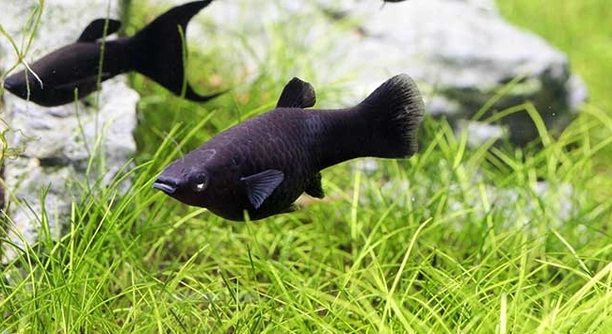
Is your Black Molly Fry thriving in a tank with limited space? Many fish owners consider using dividers to separate fry, aiming to protect them from adult fish or prevent overcrowding in community tanks. Proper care is essential.
Using a divider with Black Molly Fry is generally safe when implemented correctly. The divider should allow water flow, prevent fry from being crushed, and reduce stress, ensuring both fry and adult mollies maintain proper health and growth conditions in the shared tank.
Understanding the right setup can improve fry survival and tank harmony, making your Black Mollies’ environment safer and more balanced.
Choosing the Right Divider
When selecting a divider for your Black Molly Fry, size and material matter most. A divider should fit securely in your tank without gaps that fry could escape through. Plastic or acrylic dividers work well because they are easy to clean and won’t harm your fish. Mesh dividers can allow water circulation, which helps maintain stable water conditions on both sides. Avoid materials that could leach chemicals into the water or have sharp edges that might injure the fry. The divider’s height should prevent adult mollies from jumping over, while still allowing light and water to reach all areas. Some dividers come with adjustable panels, which can be useful as the fry grow. Always monitor how your mollies respond initially, as stress can occur if the divider restricts swimming space too much. A proper divider ensures fry safety without compromising tank conditions or adult activity levels.
Plastic or acrylic dividers are safer for small fry and easier to maintain over time.
Regularly check the divider for algae buildup or damage, and ensure water continues to flow evenly. Cleaning should be gentle to avoid stressing the fry.
Monitoring Fry Behavior
Observing fry behavior after installing a divider is key. Watch how they swim, feed, and interact with adults.
Fry tend to hide initially, which is normal. They may need a few days to adjust to the new barrier. Feeding frequency should be slightly increased for young fry, as their growth depends on consistent nutrition. Small, frequent meals of finely crushed flake food or specialized fry food work best. Observe how adult mollies respond to the divider, ensuring they don’t crowd it or cause stress. Over time, fry should become more active and explore the tank confidently. Adjust the divider placement if you notice areas with poor water circulation or excessive hiding. Recording observations daily can help track growth and behavior patterns. The goal is to create a safe, low-stress environment that supports development without isolating fry from necessary tank conditions. Regular maintenance and careful monitoring ensure that both fry and adult mollies remain healthy and active.
Feeding Fry Safely
Fry need smaller, more frequent meals than adult mollies. Crushed flake food or specialized fry food works best. Avoid overfeeding, as leftover food can foul the water and harm fry development.
Start with three to four small feedings daily. Young fry have tiny mouths and limited swimming stamina, so spreading out food ensures they all get a share. Use a small spoon or feeding dropper to distribute food evenly across the divider section. Remove uneaten food promptly to maintain water quality. Over time, observe how quickly the fry consume the meals and adjust the portion size as they grow. Healthy fry should appear active, with rounded bellies and consistent growth. Feeding properly helps them develop immunity and strengthens their chances of reaching maturity.
Adult mollies can intimidate fry if food is accessible across the divider. Ensure the divider prevents adults from taking fry food, and supplement with fine foods that pass easily through the divider mesh. Watching interactions while feeding helps identify stress points or adjustments needed.
Water Conditions
Stable water conditions are critical for fry survival. Keep temperature, pH, and hardness consistent, as sudden changes stress fry and slow growth.
Maintain temperature around 76–78°F, slightly warmer than the adult section if possible. Regular water changes help remove toxins and maintain clarity, but avoid drastic shifts. Monitor pH between 7.0 and 8.0 and keep ammonia and nitrite at zero, as fry are highly sensitive. Filtration should be gentle; sponge filters are ideal because they provide aeration without sucking in fry. Adding a few plants or hiding spots can reduce stress and encourage natural behavior.
Water quality directly impacts growth, immunity, and overall fry health. Even minor fluctuations in parameters can cause disease or stunt development. Checking water daily ensures early detection of issues. Proper circulation around the divider prevents stagnant areas, ensuring both sides receive similar water conditions. Over time, stable water and careful monitoring allow fry to grow stronger and more resilient, improving survival rates and reducing stress for all tank inhabitants.
Divider Placement
Position the divider to give fry enough swimming space while keeping adults separated. Ensure both sections have similar water flow and light exposure.
Avoid corners where water circulation is weak, as fry may get trapped or stressed. Proper placement encourages healthy activity and growth.
Cleaning the Divider
Regular cleaning prevents algae buildup and debris accumulation, which can harm fry. Use a soft sponge and lukewarm water, avoiding chemicals.
Cleaning frequency depends on tank conditions, usually once a week. Removing excess debris maintains water quality and reduces stress for fry.
Fry Growth Monitoring
Track fry size and activity daily. Note any unusual behavior or slowed growth. Adjust feeding and tank conditions as needed to support healthy development.
Adjusting Divider Over Time
As fry grow, the divider may need repositioning or replacement to provide more space and prevent overcrowding.
FAQ
How long should fry stay separated with a divider?
Fry should remain separated until they are large enough to avoid being eaten or stressed by adult mollies. Usually, this takes four to six weeks, depending on growth rates and tank conditions. Observe their size, activity, and ability to compete for food before removing the divider. Gradually introducing them back into the main tank helps reduce stress and prevents injuries.
Can I use any divider for my Black Molly fry?
Not all dividers are suitable. Choose dividers made of smooth plastic, acrylic, or fine mesh. Avoid sharp edges or materials that may leach chemicals into the water. The divider should allow water flow while keeping fry safe from adult mollies. Adjustable dividers are helpful as fry grow.
Is water circulation important with a divider?
Yes, proper circulation is essential. Water should flow on both sides of the divider to maintain temperature, oxygen levels, and waste removal. Sponge filters or gentle flow filters work best. Avoid strong currents that could stress fry, but make sure stagnant areas are eliminated to prevent harmful bacteria growth.
How often should I feed fry?
Fry require frequent, small meals. Feed three to four times a day using finely crushed flake food or specialized fry food. Remove uneaten food to prevent water quality issues. As fry grow, gradually reduce feeding frequency while increasing portion size to match their capacity.
Can adult mollies stress fry through a divider?
Yes, adults may hover or display aggression near the divider. Ensure the divider is secure and doesn’t allow adult interaction that stresses fry. Adding plants or hiding spaces near the divider helps fry feel safer. Observing behavior daily allows adjustments before stress becomes harmful.
What is the best way to clean a divider?
Clean dividers weekly or as needed using a soft sponge and lukewarm water. Avoid chemical cleaners, which can harm fry. Remove algae, debris, or leftover food buildup carefully. Proper cleaning ensures water quality remains high and fry are not exposed to harmful bacteria.
How do I know if my fry are healthy?
Healthy fry are active, swim steadily, and have rounded bellies. They should respond to food quickly and grow consistently. Signs of stress or illness include lethargy, clamped fins, or sudden inactivity. Monitor daily and adjust feeding, water quality, or divider setup as needed.
When can I remove the divider safely?
Remove the divider when fry are large enough to avoid adult predation and compete for food confidently. Check that water quality is stable and fry are strong swimmers. Gradually merging them into the main tank reduces sudden stress.
Can I use live plants with a divider?
Yes, live plants benefit both fry and adults. Plants provide hiding spaces and improve water quality. Place them near the divider to help fry feel secure. Fast-growing species like Java moss or floating plants are especially helpful for small fry.
How do I prevent overfeeding with fry?
Feed small portions multiple times a day and remove uneaten food promptly. Observe how quickly fry consume meals. Overfeeding can pollute water and harm growth. Using a dropper or small spoon ensures controlled feeding and prevents excess food accumulation.
Is temperature control necessary with a divider?
Yes, maintaining a stable temperature around 76–78°F helps fry grow quickly and reduces stress. Avoid sudden fluctuations, especially during water changes. Warmer water speeds metabolism slightly, supporting growth, but keep it within safe ranges to prevent illness.
Do dividers affect adult molly behavior?
Some adults may show increased activity near the divider, trying to reach the fry. This is normal, but ensure the divider is secure. Over time, adults adjust, and the tank becomes calmer as fry gain size and confidence. Observing interactions helps prevent long-term stress.
Should I use a mesh or solid divider?
Mesh dividers allow water circulation and chemical balance but must be fine enough to prevent fry from escaping. Solid dividers block adult interaction but may limit water flow. Choosing the right type depends on tank setup and fry density, balancing safety with water quality.
Can fry survive without a divider?
In tanks with very peaceful adult mollies or separate breeding tanks, fry might survive without a divider. However, survival rates are much higher with separation, as adults can eat or stress fry. Dividers increase fry safety and improve long-term growth success.
What are signs the divider needs adjustment?
If fry cluster in corners, adults repeatedly hit the divider, or water flow is poor, the divider may need repositioning. Overcrowding or blocked circulation can stress fry. Adjust placement, clean it thoroughly, and monitor behavior to maintain a safe environment.
How do I transition fry back into the main tank?
Gradually remove the divider or acclimate fry using a temporary partition. Introduce them slowly to avoid sudden stress from adults. Monitor closely for the first few days, ensuring fry can feed properly and adults are not aggressive. Proper transition supports survival and healthy growth.
Are there risks to using dividers long-term?
Extended use of dividers can limit fry exploration and social interaction. Ensure enough space, proper water circulation, and regular maintenance. Adjust divider placement as fry grow to prevent overcrowding or stunted development. Observing daily ensures the tank remains balanced for all fish.
Can multiple dividers be used in one tank?
Yes, multiple dividers can separate different fry groups or protect multiple species. Ensure water flow is adequate, and each section has enough space. Overcrowding behind dividers can lead to stress, so balance the number of dividers with tank size.
How does feeding differ when fry are near adults?
Keep fry food confined to their section to prevent adults from consuming it. Observe both sides during feeding and remove leftover food quickly. Adults may compete for food, so separation ensures fry receive sufficient nutrition for growth.
What precautions should I take during water changes?
When performing water changes, avoid sudden temperature or pH shifts. Gently siphon debris near the divider, taking care not to suck up fry. Maintain consistent water chemistry to prevent stress or illness. Gradual changes keep fry healthy and reduce risk during maintenance.
Are there signs of stress related to dividers?
Fry hiding excessively, swimming erratically, or refusing food may indicate stress from divider placement or adult activity. Adjust the divider, add plants, and monitor interactions. Stress can stunt growth or cause illness, so early detection and correction are important.
Do fry benefit from hiding spots near dividers?
Yes, hiding spaces like plants or decorations reduce stress and provide safety. Fry feel secure and are less likely to be chased by adults. Incorporating multiple hiding areas ensures even shy fry get protection and encourages healthy exploration and growth.
How often should I inspect the divider?
Check daily for gaps, algae buildup, or damage. Ensure water flows freely and adults do not damage the divider. Regular inspection prevents injuries, maintains safety, and supports consistent tank conditions for fry and adults alike.
Final Thoughts
Using a divider with Black Molly fry can make a noticeable difference in their survival and overall growth. Separating fry from adult mollies reduces the risk of predation and stress, which are common challenges in a shared tank. A properly set-up divider allows fry to swim freely while still receiving adequate water circulation, light, and nutrients. It also provides a structured environment for feeding, ensuring each fry gets its share without adult competition. Over time, fry grow stronger and more confident, ready to safely join the main tank when they reach the right size. By carefully observing the fry, adjusting the divider as they grow, and maintaining clean water, you create a healthier and safer environment for all fish.
Maintaining a divider is not complicated, but it does require attention and consistency. Cleaning it regularly prevents algae buildup and food debris from harming the fry or altering water quality. Proper placement ensures that water flow remains balanced and that fry do not become trapped in corners or areas of low circulation. Monitoring behavior is equally important; fry may initially hide or swim hesitantly, while adult mollies might show interest or mild aggression near the barrier. Over time, you can adjust the divider to give fry more space as they develop. Adding plants or small decorations near the divider can also provide additional hiding spots, reducing stress and encouraging natural behaviors. These small steps collectively improve survival rates and help fry develop into healthy, active adult mollies.
The use of a divider is a practical solution for anyone raising Black Molly fry, whether in a home aquarium or a more advanced breeding setup. It supports consistent growth, protects fry from stress and injury, and allows for easier monitoring of feeding and water quality. With careful attention to divider placement, feeding routines, and water conditions, fry can grow efficiently while adults remain undisturbed. Over time, the divider becomes less of a barrier and more of a tool for ensuring a balanced tank environment. By following these basic practices, you not only improve fry survival but also create a more harmonious tank overall, making the experience of raising Black Molly fry more manageable and rewarding.

Hello,
If you enjoy the content that we create, please consider saying a "Thank You!" by leaving a tip.
Every little bit helps us continue crafting quality advice that supports the health, happiness, and well-being of pets around the world, for pets of all shapes, sizes, and species.
We really appreciate the kindness and support that you show us!