
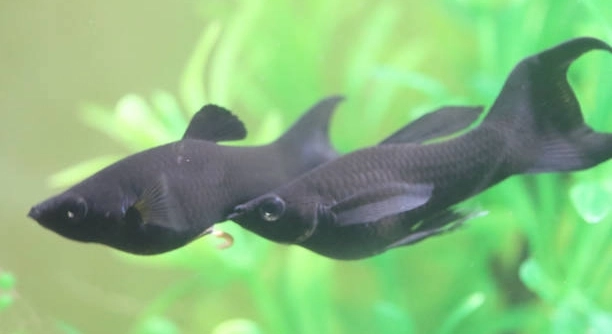
Many aquarists enjoy watching Black Mollies swim gracefully in their tanks. These small, dark-colored fish often display a unique habit, capturing attention with a behavior that seems unusual at first glance in everyday observation.
Black Mollies tilt their heads while swimming primarily due to swim bladder adjustments. This organ helps control buoyancy, allowing the fish to maintain balance and orientation in water. Head tilting aids in stabilization during movement and feeding activities.
Observing this subtle behavior can reveal important insights into their health and environment, offering guidance for creating an optimal habitat for these lively fish.
Understanding Swim Bladder Function
The swim bladder is a small, gas-filled organ in Black Mollies that controls buoyancy and stability. When working properly, it allows them to float at different depths without effort. A fish tilting its head often indicates it is adjusting the bladder to maintain balance. This movement helps the fish navigate the water efficiently, especially when swimming upwards or downwards. Changes in water pressure, diet, or temperature can influence how the swim bladder functions. Observing the way Mollies tilt their heads provides clues about their comfort and overall health. Over time, consistent head tilting can show whether the fish is struggling with balance or simply using normal adjustments to remain steady. Tank conditions play an important role, including cleanliness and water chemistry. Proper feeding and avoiding overfeeding can prevent swim bladder issues. Even subtle head movements are natural adaptations that help them maintain smooth and controlled swimming patterns in a confined aquarium setting.
Head tilting is mostly harmless when Mollies appear active and healthy, showing it is a normal adjustment process.
Monitoring head movements helps detect early health issues and ensures the Mollies maintain proper buoyancy and movement in their environment.
Tank Conditions and Behavior
Water quality directly affects the swimming patterns of Black Mollies. Poor water conditions can stress fish, causing unusual movements like frequent tilting or listing. Regular cleaning and maintaining stable temperatures help them swim naturally.
Ensuring optimal tank conditions is essential for preventing discomfort and maintaining natural behavior. Mollies respond to oxygen levels, pH balance, and temperature, and these factors influence how they use their swim bladder. Overcrowded tanks can force fish to maneuver awkwardly, making head tilting more noticeable. Additionally, diet plays a significant role in overall health. Feeding high-quality food in controlled amounts reduces digestive strain, which can otherwise affect buoyancy. Stress from sudden changes in lighting or tank decorations may also alter swimming patterns temporarily. By creating a stable and comfortable environment, head tilting remains part of normal movement rather than a sign of trouble. Observing Mollies closely under these conditions allows caretakers to distinguish between natural adjustments and potential health concerns, ensuring a lively, balanced aquarium for these engaging fish.
Diet and Head Tilting
Improper feeding can contribute to swim bladder issues, causing head tilting in Black Mollies. Overfeeding or feeding low-quality foods may create digestive problems, which affect buoyancy and stability, making their head tilt more noticeable during swimming.
A balanced diet is essential for maintaining healthy swim bladder function. Black Mollies thrive on a mix of high-quality flakes, pellets, and occasional live or frozen foods. Overfeeding can lead to constipation or bloating, both of which interfere with normal buoyancy control. Providing smaller, more frequent meals helps digestion and prevents excess pressure on the swim bladder. Vegetables like blanched spinach or zucchini can supplement their diet, adding fiber that promotes digestive health. Observing their feeding habits can also reveal early signs of stress or illness, allowing timely intervention before tilting becomes more severe.
Consistency in feeding times and portion control reduces stress on Black Mollies’ digestive systems. This routine helps maintain buoyancy, minimizing head tilting and keeping their swimming smooth and balanced in the tank.
Observing Behavior Patterns
Head tilting can also indicate environmental stress or minor health concerns. Watching Mollies closely helps identify patterns related to lighting, tankmates, or water conditions.
Behavioral observations are crucial for understanding how Black Mollies interact with their surroundings. When head tilting increases, it may signal irritation from tank decorations, aggressive tankmates, or sudden changes in water parameters. Stress can amplify normal movements, making tilting more pronounced. Tracking when and how often tilting occurs helps distinguish between natural adjustments and potential health problems. Changes in swimming speed, posture, or feeding habits often accompany prolonged head tilting, signaling the need for intervention. Adjusting the environment, reducing stressors, and maintaining stable water conditions allow Mollies to regain normal swimming patterns and maintain overall well-being.
Common Health Indicators
Frequent head tilting can be a subtle sign of swim bladder stress or digestive issues. Monitoring their activity and appetite helps identify early warning signs before serious problems develop.
Clear eyes, smooth scales, and steady swimming indicate a healthy Black Molly. Changes in these signs alongside tilting suggest it may be time to check water conditions or diet.
Tank Environment Adjustments
Proper tank setup minimizes head tilting and supports natural swimming. Maintaining clean water, stable temperatures, and adequate space reduces stress on Black Mollies, allowing smoother movement. Decorations should be arranged to avoid sharp turns or obstacles that might force awkward swimming, which can exaggerate tilting.
Feeding Practices
Small, frequent meals improve digestion and reduce swim bladder strain. Avoid overfeeding and provide a mix of high-quality flakes, pellets, and occasional vegetables for balance.
FAQ
Why do Black Mollies swim with their heads tilted?
Black Mollies tilt their heads mainly to adjust their buoyancy. The swim bladder, a gas-filled organ, helps them stay balanced in water. Head tilting allows them to stabilize while swimming, feeding, or changing depths. Minor tilting is normal and often shows healthy movement.
Is head tilting a sign of illness?
Not always. Occasional tilting is natural, but persistent or severe tilting can indicate swim bladder problems, digestive issues, or stress. Monitoring appetite, activity levels, and water quality helps determine whether intervention is needed. Early observation prevents minor issues from becoming serious.
Can tank conditions affect head tilting?
Yes. Poor water quality, unstable temperatures, or overcrowded tanks can stress Black Mollies and affect their swimming. Clean water, proper filtration, and consistent conditions reduce stress, supporting natural swimming patterns and minimizing tilting.
Does diet influence swim bladder health?
Absolutely. Overfeeding or low-quality food can cause digestive problems that affect buoyancy. Feeding smaller, more frequent meals and including high-quality flakes, pellets, and vegetables supports proper digestion and reduces tilting caused by discomfort.
Are certain tankmates responsible for head tilting?
Aggressive or overly active tankmates can stress Black Mollies, leading to unusual swimming, including tilting. Choosing peaceful companions and providing sufficient space allows Mollies to swim naturally without interference.
How can I tell if my Molly’s tilting is serious?
Look for changes in appetite, sluggish swimming, or floating upside down. These signs often accompany serious swim bladder issues or illness. If symptoms persist, adjusting diet, tank conditions, or consulting a specialist is necessary.
Can temperature changes cause head tilting?
Yes. Sudden drops or spikes in water temperature can stress fish, affecting buoyancy and causing tilting. Keeping a stable temperature range suitable for Black Mollies ensures comfort and minimizes abnormal movements.
Will adding decorations affect swimming?
Tank decorations can influence movement. Sharp corners or crowded areas may force Mollies to tilt more often while navigating. Arranging decorations to allow free swimming promotes natural movement and reduces stress-related tilting.
Is head tilting reversible?
In most cases, yes. Adjusting diet, maintaining water quality, and stabilizing tank conditions usually allow Mollies to return to normal swimming. Persistent issues may require veterinary advice or more specialized care.
How often should I monitor my Black Mollies?
Daily observation is ideal. Watching swimming patterns, feeding behavior, and general health helps detect early signs of tilt-related issues. Regular monitoring allows timely intervention before minor problems escalate.
Can stress cause tilting even if water is clean?
Yes. Noise, sudden movements near the tank, or frequent handling can stress Mollies. Reducing disturbances and providing hiding spots helps them feel secure, promoting smooth, stable swimming and reducing unnecessary tilting.
Are there supplements that help swim bladder health?
Fiber-rich foods like blanched spinach, peas, or zucchini can improve digestion and reduce swim bladder strain. Avoid over-supplementing, as balance is key. A varied, high-quality diet typically provides all necessary nutrients for buoyancy control.
Do juvenile Black Mollies tilt more than adults?
Young fish may show more frequent tilting as their swim bladder and coordination develop. As they grow and adapt to the tank environment, tilting usually becomes less pronounced, reflecting improved stability and strength.
Can water hardness or pH affect head tilting?
Yes. Mollies prefer slightly alkaline water with stable hardness. Significant shifts in pH or mineral content can stress them, affecting swimming patterns and causing more noticeable tilting. Regular testing and adjustments maintain a supportive environment.
Should I isolate a tilting Molly?
Isolation may be necessary if the fish shows signs of illness or is being harassed by tankmates. A separate tank with clean water, proper diet, and reduced stress can help recovery. Observe closely to determine when it can safely rejoin the main tank.
Is tilting more common in certain Molly colors or types?
Tilting is not strongly linked to color or type but can vary slightly by individual physiology. Black Mollies, like other varieties, adjust their swim bladder similarly. Individual differences, age, and health status are more significant factors.
How long does it take for swim bladder issues to improve?
Improvement depends on the cause. Diet adjustments and stress reduction may show results within days, while more serious issues could take weeks. Persistent problems may require veterinary attention or specialized care routines.
Can tilting be completely prevented?
Not entirely, as minor tilting is a natural behavior. However, maintaining a stable environment, feeding properly, and monitoring health greatly reduce excessive or concerning tilting. Consistent care supports overall well-being and normal swimming patterns.
Are there signs that tilting is caused by infection?
Yes. Infections may cause lethargy, swollen abdomen, or unusual swimming beyond head tilting. If these symptoms appear, isolating the fish and consulting a veterinarian experienced with tropical fish is recommended.
Does age affect tilting frequency?
Older Mollies may show more tilting if health or swim bladder function declines. Regular care, diet, and stress management help reduce tilting frequency in aging fish, keeping them active and balanced longer.
Can tilting be a temporary response to tank changes?
Yes. Mollies may tilt temporarily when new decorations, water changes, or new fish are introduced. Observation and gradual adaptation reduce stress, allowing them to regain normal swimming patterns without long-term issues.
What daily practices support healthy swimming?
Feeding measured portions, cleaning the tank, monitoring water quality, and limiting stress create an environment where Mollies swim naturally. Daily observation ensures early detection of problems, helping maintain balanced, tilt-free swimming behavior over time.
Do Mollies recover from swim bladder damage?
Recovery is possible if the underlying cause is addressed. Adjusting diet, tank conditions, and stress levels allows many fish to regain proper buoyancy. Severe or chronic cases may require professional treatment to fully restore normal swimming.
Are there preventative measures for tilting?
Yes. Consistent diet, proper water conditions, gentle handling, and avoiding overcrowding help prevent excessive tilting. Proactive monitoring and small daily adjustments maintain health, reducing the likelihood of persistent swim bladder or stress-related tilting in Black Mollies.
How important is observation in preventing tilting issues?
Observation is crucial. Daily attention to swimming behavior, feeding, and tank conditions helps detect early signs of tilting, allowing corrective measures before problems become severe. Regular monitoring ensures long-term health and stability for Black Mollies in captivity.
Black Mollies are small but fascinating fish that bring life to any aquarium. One of their most noticeable behaviors is swimming with their heads slightly tilted. While this may seem unusual at first, it is often a normal part of how they move and maintain balance. The tilt is largely linked to the swim bladder, an internal organ that helps them control buoyancy and stability. When Mollies adjust the swim bladder, they tilt their heads to move smoothly through water or to reach food. Observing these movements can help you better understand their health and behavior. Even though the tilt may appear odd, it usually does not indicate a serious problem, especially if the fish is active, eating well, and swimming normally in other ways. Paying attention to this small detail can improve how you care for your fish and maintain a balanced aquarium environment.
Maintaining proper tank conditions plays a key role in how Mollies swim. Clean water, consistent temperature, and a suitable pH level help keep their swim bladder functioning properly. Overcrowding, sudden changes in water chemistry, or poor filtration can create stress, which sometimes makes tilting more noticeable. Diet is another factor that directly affects buoyancy. Feeding high-quality flakes, pellets, and occasional vegetables in measured amounts helps prevent digestive issues that could interfere with the swim bladder. Small, frequent meals support digestion and reduce bloating, which in turn helps Mollies swim more evenly. Stress from aggressive tankmates or excessive disturbances can also affect swimming patterns, so providing peaceful companions and a calm environment is important. By combining proper diet, clean water, and careful observation, head tilting can remain a normal, harmless behavior rather than a sign of concern.
Regular observation and small adjustments to the environment are essential for keeping Black Mollies healthy and happy. Watching how they swim, feed, and interact with their surroundings gives insight into their comfort and overall well-being. When tilting becomes persistent or is accompanied by other signs such as lethargy, loss of appetite, or unusual swimming patterns, it is time to investigate possible causes. Early intervention, whether through diet adjustments, environmental changes, or consultation with a professional, can prevent minor issues from becoming serious. Understanding the reasons behind head tilting helps you provide better care and ensures that your Black Mollies thrive in a stable, supportive habitat. Over time, this attention allows them to swim naturally, maintain buoyancy, and display the lively behavior that makes them so enjoyable to watch.

Hello,
If you enjoy the content that we create, please consider saying a "Thank You!" by leaving a tip.
Every little bit helps us continue crafting quality advice that supports the health, happiness, and well-being of pets around the world, for pets of all shapes, sizes, and species.
We really appreciate the kindness and support that you show us!