
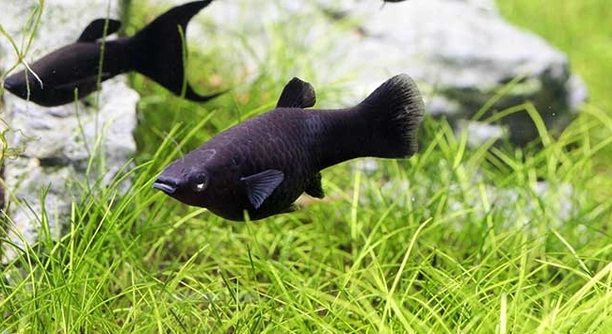
Have you ever watched your fry grow and wondered when they might start shifting toward more independent feeding habits as they mature? Their daily behavior can offer clear signs that they are moving toward this important stage in their development. Understanding these moments helps you support their needs with confidence.
Fry behavior that signals readiness to wean typically includes increased exploration, consistent interest in larger food particles, improved swimming strength, reduced reliance on parental guidance, and steady growth. These indicators align with developmental milestones that mark the transition toward independent feeding.
Small changes in their daily patterns can reveal a lot, and recognizing them early can shape a smoother feeding transition.
Early Behavioral Signs
As fry mature, their behavior shifts in ways that show they are becoming more capable on their own. You might see them roaming farther from sheltered spots, moving with steadier motions, and showing interest in areas they once ignored. These small changes often appear gradually, yet they offer meaningful clues about their growth. When fry start responding to stimuli more quickly, it usually reflects better coordination and a stronger sense of their surroundings. You may also notice them interacting more with their tank mates, which signals improved comfort within their space. As these patterns continue, their confidence becomes easier to recognize, especially when they navigate open areas without hesitation. Each of these details contributes to a clearer picture of their readiness for new feeding methods. With steady observation, these behaviors begin to stand out, helping you understand when the transition to more independent feeding may work well for them.
When fry show consistent activity, smooth movements, and longer periods of exploration, it often indicates that they are developing the stability needed for gradual feeding changes.
These early signs reflect natural growth, and watching for them helps you move forward with feeding adjustments at a pace that supports their comfort and overall health.
Feeding Patterns to Watch
Feeding behavior often shifts before the actual transition starts, and these small adjustments can reveal more than you might expect.
As fry grow, their feeding responses become clearer, and they begin reacting to food with noticeable precision. You may see them moving toward larger particles, attempting to sample pieces they previously ignored. This interest suggests that they are gaining the coordination needed for more complex foods. Their speed around feeding time also tends to increase, showing higher confidence and stronger instincts. At this stage, fry often spend less time waiting near familiar spots and more time actively searching, which is an important change in their routine. Observing how long they stay engaged during feeding can give you valuable insight, since longer engagement often reflects better endurance. Over time, these patterns create a reliable picture of when they can handle a shift toward different food textures. Careful attention to these behaviors helps you guide them through the transition while maintaining their comfort and growth.
Environmental Cues to Notice
Environmental stability affects how fry behave, and certain shifts can make their readiness more visible. When they navigate the tank with ease during slight changes in lighting or movement around the tank, it often reflects their growing confidence and comfort with daily activity.
A stable environment supports steady development, and when fry respond calmly to routine maintenance or small disturbances, it usually signals that they are gaining better control over their movements. You may notice them staying active even after minor disruptions, which shows increased resilience. Their tendency to explore new sections of the tank without hesitation also becomes more pronounced. As they adjust to different feeding spots, their willingness to seek food in unfamiliar areas becomes a useful indicator. These behaviors show that environmental variables no longer overwhelm them, making it easier for them to handle changes during feeding transitions.
Their comfort with gradual shifts in water flow or lighting also provides helpful clues. When fry move confidently through slightly stronger currents or remain active during subtle brightness changes, they demonstrate adaptability that supports weaning. These responses help you understand when they can manage new feeding routines without becoming stressed.
Growth and Physical Readiness
Fry that show consistent size increases often handle feeding transitions more smoothly, and observing their shape can help you identify their readiness. Fuller bodies, steady fin development, and firmer movements tend to reflect growing strength that will support independent feeding.
Steady growth helps fry manage the demands of new food textures, and you may notice subtle changes that indicate stronger health. Their bodies often appear more filled out, and they move with a sense of purpose that was not present earlier. When they maintain energy throughout the day instead of tiring quickly, it signals better endurance. Their improved posture while swimming can also suggest stronger muscle development. Paying attention to these details gives you a clearer picture of how well they might adapt to changes in feeding. Observing physical readiness alongside behavioral cues allows you to time the transition in a way that supports their ongoing development.
Changes in Activity Levels
Higher activity often appears before fry begin handling new food types, and steady energy throughout the day is a helpful sign. When they swim with purpose and move between areas more frequently, it usually shows they can manage small feeding adjustments.
Short bursts of active foraging also become more common at this stage. Fry that remain engaged longer during feeding times often show the stamina needed for gradual weaning. Their ability to stay focused on food instead of drifting away reflects improving strength and coordination.
Social Behavior Shifts
As fry mature, they begin interacting with their tank mates more consistently, and these interactions can help you understand their readiness for changes. You might notice them holding their place within a group or responding more quickly to others’ movements. These small shifts show improved awareness and growing stability. Social patterns often change slowly, but steady participation suggests confidence that supports feeding transitions. When fry move smoothly within the group without hesitation, it often reflects better coordination and readiness for new routines.
Reaction to Feeding Methods
When fry adjust quickly to small changes in how food is offered, it often signals readiness for the next stage. Smooth reactions to tiny shifts in feeding location or timing usually show that they can handle new textures and slightly more complex feeding methods.
FAQ
How do I know if my fry are ready to wean?
Fry readiness can be identified by several key behaviors. They should show steady growth, improved swimming strength, and longer activity periods. Increased curiosity around the tank and interest in larger food particles also signal readiness. Fry that explore without hesitation and interact confidently with tank mates are typically ready for the next stage of feeding.
What signs show fry are still dependent on parental feeding?
Fry that stick close to sheltered areas, move slowly, or avoid larger food particles are usually still dependent. Hesitation to explore new spaces, frequent pauses while swimming, and lack of interest in approaching food independently are all indicators that they are not yet ready to wean.
How can I introduce new foods safely?
Start with small, soft food particles that are easy to handle. Gradually increase particle size as fry adjust. Place food in familiar areas and observe their responses. If they ignore or struggle with food, reduce size and reintroduce more gradually. Monitoring closely ensures minimal stress and encourages independent feeding.
Can environmental changes affect readiness?
Yes. Stable water conditions, consistent temperature, and gentle lighting encourage fry to explore and feed independently. Sudden changes can stress them, slowing development and delaying readiness. Fry that navigate minor changes confidently usually show adaptability, which supports the weaning process.
How long does the weaning process take?
Timing varies depending on species, tank conditions, and individual growth rates. Some fry adapt within a few days, while others take several weeks. Observing daily behavior, swimming confidence, and food interest helps determine the right pace. Rushing the process can lead to stress and poor growth.
What should I do if fry reject new foods?
If fry ignore new food, return to previously accepted food and try smaller portions. Introduce changes gradually and offer a variety of textures. Ensuring they are active and healthy supports their willingness to experiment. Patience is essential; consistent observation and gradual adjustments work best.
Does fry size affect weaning readiness?
Yes. Fry that have reached appropriate body proportions and show firm, controlled movements are typically ready. Smaller or underdeveloped fry may struggle with larger particles. Regular measurement and growth monitoring help determine when they can safely transition.
Are there risks in weaning too early?
Introducing new foods before fry are physically or behaviorally ready can lead to poor feeding, slow growth, and increased stress. Fry may become weak or avoid food altogether. Ensuring observable readiness through swimming, exploration, and feeding responses minimizes these risks.
How often should I feed during weaning?
Frequent, smaller feedings help fry adjust to independent eating. Multiple daily offerings maintain energy levels and reduce competition. As they adapt, feeding amounts and frequency can be adjusted based on activity, growth, and interest in food. Observation guides proper scheduling.
Can tank mates influence weaning?
Yes. Fry observing confident peers often adopt new feeding behaviors faster. Conversely, timid or slower fry may need extra attention. Separating fry temporarily during early transitions can reduce stress and competition, allowing gradual adaptation to new food types. Monitoring interactions ensures smooth progression.
What is the best way to track progress?
Keep notes on activity levels, feeding responses, swimming strength, and size. Regular observation helps identify readiness trends and guides incremental changes. Visual checks combined with measurement ensure fry remain healthy throughout the weaning process. Adjust strategies as patterns become clear.
Final Thoughts
Weaning fry is an important step in their growth and overall health. Paying attention to their behavior, feeding patterns, and physical development helps ensure the transition is smooth and safe. Fry show readiness in many ways, including increased activity, exploration, and interest in larger food particles. Observing these signals closely allows you to support them without causing unnecessary stress or setbacks. It is important to remember that each fry is unique, and timing may vary even within the same tank. Some fry adapt quickly, while others need more time to build strength and confidence before fully handling new foods. Patience and careful observation are key to guiding them successfully through this stage.
Providing a stable environment is also crucial during the weaning process. Fry respond better to consistent water conditions, lighting, and feeding routines. Sudden changes in their surroundings can lead to hesitation or stress, which may slow their progress. Small, gradual adjustments in food size and location encourage independence without overwhelming them. Watching how fry interact with each other during feeding can offer additional insight into their readiness. Fry that confidently navigate their tank and show interest in food without constant guidance are generally prepared for more independent feeding. Supporting them in this stage ensures they continue growing steadily, develop proper coordination, and maintain healthy activity levels.
Finally, tracking progress and making adjustments based on observation helps fry succeed in the transition. Monitoring growth, swimming ability, and feeding responses allows for tailored changes that meet the needs of each individual. Consistent, small steps are more effective than abrupt shifts, and maintaining a close eye on their behavior ensures any issues are addressed early. Fry that adapt gradually to new foods develop stronger independence, better coordination, and improved overall health. Paying attention to both behavior and physical development ensures that the weaning process is completed safely and successfully. By focusing on observation, stability, and patience, you can support your fry as they reach this important milestone in their growth.

Hello,
If you enjoy the content that we create, please consider saying a "Thank You!" by leaving a tip.
Every little bit helps us continue crafting quality advice that supports the health, happiness, and well-being of pets around the world, for pets of all shapes, sizes, and species.
We really appreciate the kindness and support that you show us!