
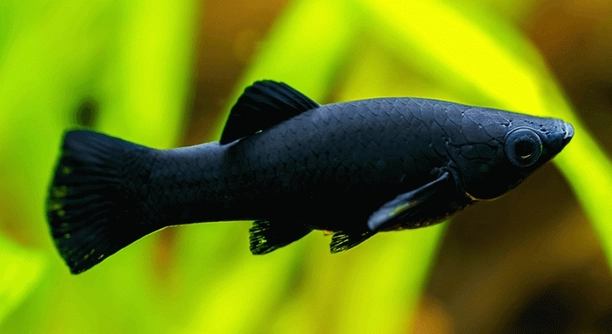
Do your black molly fry spend most of their time hovering near the bottom of the tank instead of swimming near the bubbler? Observing this behavior can be worrying, especially when you want them to thrive in their environment.
Black molly fry tend to stay below the bubbler primarily due to water current sensitivity, oxygen levels, and hiding instincts. Fry are small and weak swimmers, so they instinctively remain in calmer areas near the substrate where they feel safer.
Understanding their behavior can help you create a more comfortable and healthy tank setup for your fry to grow confidently.
Why Fry Stay Near the Bottom
Many black molly fry naturally stay near the bottom because of their size and limited swimming strength. Strong currents from the bubbler can tire them out quickly. They also prefer calmer areas where they can hide from sudden movements or shadows above. The substrate and decorations give them a sense of safety. Temperature differences in the tank can make the lower areas more comfortable, and fry often seek slightly warmer water near the bottom. Uneven oxygen distribution can also influence their position, as the bottom sometimes holds more dissolved oxygen if the bubbler stirs the surface excessively. Fry are sensitive to light, and the bottom offers shaded regions that reduce stress. Observing them there is usually normal, as they gradually grow stronger and more confident in swimming. Proper feeding and small portions of food near their location encourage healthy development while minimizing risk from strong currents or aggressive tank mates.
Even minor water flow changes can significantly impact where fry spend their time in the tank.
Providing gentle currents and plenty of hiding spaces encourages molly fry to explore higher areas, allowing them to build strength and confidence naturally over time.
Managing Water Flow for Fry
Adjusting the bubbler or adding flow-reducing attachments creates a calmer environment for fry to swim safely.
Reducing water flow is essential for fry health. Fry are tiny and can quickly be overwhelmed by strong currents from bubblers or filters. Using sponge filters or diffusers can slow the water movement, letting fry swim freely without constant struggle. Calm areas encourage them to explore and feed without stress, which improves growth and survival rates. Positioning plants and decorations strategically creates natural barriers to direct currents while adding hiding spots. Gradually increasing water movement as fry grow helps them strengthen swimming muscles, preparing them for normal tank conditions. Observing fry behavior while adjusting the flow ensures changes are effective and safe. Proper flow management also reduces stress that can lead to illness, promoting healthier fry in a stable environment where they can thrive. Monitoring for uneven currents or turbulence allows quick corrections, keeping the tank environment balanced for both fry and adult fish. This approach supports steady growth and minimizes losses from exhaustion or poor feeding habits.
Feeding Habits and Fry Position
Fry often stay near the bottom while feeding because food sinks quickly. Tiny fry are weak swimmers, so they wait for food to reach calmer areas near the substrate. Overcrowding at the surface can make feeding stressful and unsafe for them.
Providing finely crushed flakes or powdered food ensures fry can eat without struggling. Scatter small portions throughout the tank, focusing on lower areas where they naturally gather. Feeding more frequently in tiny amounts helps prevent starvation and reduces competition. Avoid large, fast-sinking pieces that adult fish may eat first. Observing fry while they feed shows if adjustments are needed, ensuring every fry gets adequate nutrition. This approach helps them grow stronger and more active over time.
Different fry may have varying feeding speeds, so patience is essential. Maintaining consistent feeding times creates routine, reducing stress and encouraging fry to explore beyond the bottom gradually. Ensuring all fry have access to food improves growth and survival rates, while minimizing aggression from older or stronger fish.
Tank Environment Adjustments
Adding live plants and decorations provides hiding spots and reduces fry exposure to strong currents. Plants also help stabilize water conditions naturally.
Strategically placing plants, rocks, or floating decorations creates calm zones that fry can navigate safely. Live plants contribute to oxygenation and absorb excess nutrients, improving overall water quality. Fry feel safer near vegetation, which encourages them to explore while minimizing stress. Decorations break up open spaces, preventing fry from being swept into strong currents and giving them secure resting areas. Regularly cleaning and rearranging decorations helps maintain balance, ensuring fry can grow without danger from overly exposed spots. Monitoring tank layout and adjusting plant density over time supports gradual development. Creating these microhabitats simulates natural conditions, enhancing fry confidence and activity. A stable environment combined with gentle flow and proper feeding encourages fry to move beyond the bottom, promoting healthy growth and adaptation to the tank’s full space.
Water Temperature Effects
Fry prefer slightly warmer water near the bottom where it is stable. Sudden temperature changes can make them stay low and avoid moving upward.
Keeping water temperature consistent helps fry stay active and explore more of the tank. Fluctuations stress them and can stunt growth or weaken immune systems.
Oxygen Levels and Fry Movement
Low oxygen near the bottom can cause fry to move higher, but strong surface currents from bubblers may push them back down. Fry often balance their position based on oxygen availability and comfort. Monitoring oxygen levels and ensuring gentle circulation supports healthy development and prevents unnecessary stress.
Fry Hiding Instincts
Fry naturally seek shelter to feel safe. Shadows, tank mates, or bright lights make them stay near the substrate or plants, using hiding spots until they feel secure.
FAQ
Why do my black molly fry stay at the bottom even when the bubbler is on?
Fry stay at the bottom because strong currents are difficult for them to swim against. Their small size and weak fins make them prefer calmer areas near the substrate. Staying low also gives them a sense of security from sudden movements or shadows above.
How can I help fry swim more confidently?
Providing gentle water flow and plenty of hiding spots encourages exploration. Using sponge filters or diffusers reduces current strength. Gradually increasing water movement as fry grow helps build swimming muscles without overwhelming them. Live plants and decorations create natural barriers, making fry feel safe while gaining strength.
Is it normal for fry to avoid the bubbler for several days?
Yes, it is common. Fry are sensitive to water movement and light. They often stay hidden until they gain strength and confidence. Consistent feeding in lower areas helps them grow while minimizing stress from strong currents.
What foods are best for black molly fry?
Crushed flakes, powdered fry food, or newly hatched brine shrimp work well. Feed small amounts frequently to ensure fry can eat without competition from adults. Avoid large or fast-sinking foods that may be eaten by adult fish first.
Can tank mates affect where fry stay in the tank?
Adult fish or aggressive tank mates can make fry stay near the bottom to hide. Providing plants, rocks, or other decorations gives them shelter and prevents constant chasing. Separating fry in a breeding tank or partition can improve survival rates.
How does water temperature influence fry behavior?
Fry prefer stable, slightly warmer temperatures. Sudden drops or fluctuations make them less active and more likely to stay low. Consistent temperatures improve swimming activity, feeding response, and overall growth.
Does oxygen distribution in the tank matter for fry?
Yes. Fry balance their position according to oxygen levels. While the surface usually has more oxygen, strong currents can push fry down. Calm water areas with moderate oxygen support their activity without stress.
How often should I check fry during the first weeks?
Daily monitoring is important to observe feeding, swimming, and hiding behavior. This helps identify issues with flow, food access, or water quality early, allowing quick corrections. Gentle observation prevents unnecessary stress while keeping fry healthy.
Are fry hiding instincts permanent?
No, hiding is temporary. As fry grow stronger and more confident, they explore higher levels in the tank. Creating a safe environment accelerates this transition, allowing them to use the full tank space eventually.
Can adjusting decorations improve fry activity?
Yes. Placing plants, rocks, and floating objects strategically creates calm zones and reduces exposure to currents. Rearranging periodically keeps fry engaged while maintaining safety. Decorations also simulate natural habitats, helping fry gain confidence and strength over time.
How long do fry typically stay near the bottom?
Most black molly fry remain near the bottom for the first few weeks. This varies depending on water flow, temperature, food availability, and tank setup. Gradual improvements in swimming and curiosity indicate healthy development.
What are signs that fry are stressed near the bottom?
Signs include rapid gill movement, clinging to surfaces, refusing food, or lethargy. Stress often results from strong currents, poor water quality, or aggressive tank mates. Addressing these factors improves activity and reduces health risks.
Is it necessary to move fry to a separate tank?
It is helpful when adult fish pose a threat or water flow is too strong. A breeding tank with gentle currents, stable temperature, and hiding spots ensures fry survival and encourages more confident swimming.
How can I encourage fry to move toward the bubbler eventually?
Gradually increasing gentle water flow, adding floating food, and reducing hiding spots over time motivates fry to explore higher areas. Consistency and patience are key while monitoring for stress.
What role does light play in fry positioning?
Bright lights can make fry stay hidden near the substrate. Providing shaded areas or diffused lighting encourages them to move around without feeling threatened. Gradual exposure helps them adjust to the tank’s conditions safely.
Can overcrowding affect fry behavior?
Yes. Overcrowded tanks increase competition for food and stress, making fry stay low. Reducing density or dividing fry into smaller groups improves access to food, swimming space, and overall growth.
How do I know if my fry are growing properly?
Healthy fry feed actively, gradually explore the tank, and show stronger swimming over time. Monitoring their size, color, and activity ensures they are developing normally and can eventually move away from the bottom confidently.
What is the best way to maintain water quality for fry?
Regular water changes, gentle filtration, and monitoring parameters like ammonia, nitrites, and pH are essential. Clean water reduces stress and supports growth while preventing disease that could make fry stay hidden.
Should I adjust feeding if fry stay at the bottom?
Yes. Provide food near the bottom in small, frequent portions. This ensures fry get enough nutrition without struggling against currents or competition from adult fish. Consistent feeding supports growth and eventual exploration of the full tank.
How long does it take for fry to explore the whole tank?
With proper care, fry gradually explore more areas over several weeks. Factors like water flow, temperature, feeding, and hiding spots influence the pace. Observing progress helps adjust conditions for healthier development.
Black molly fry naturally spend a lot of time near the bottom of the tank, and this behavior is usually normal. Their small size and weak swimming ability make strong currents challenging, and staying near the substrate provides safety and comfort. Fry also use the bottom to hide from shadows, bright lights, and other fish, which helps reduce stress. Observing them in these lower areas does not necessarily indicate a problem. Providing a tank setup that accommodates their needs, including gentle water flow, hiding spots, and consistent temperature, encourages fry to stay healthy and gradually gain confidence to explore other parts of the tank. While it may seem like they are avoiding the bubbler, their behavior is mostly instinctual and protective, and creating the right environment supports their natural growth patterns.
Proper feeding is also key to encouraging fry to become more active. Small portions of finely crushed flakes or powdered food, spread throughout the tank, allow fry to feed without competing with adults or struggling against strong currents. Fry respond well to frequent, tiny feedings, which improves their energy and growth. Positioning food near the bottom or within calm areas helps fry eat safely and reduces stress, making it easier for them to gradually move into higher areas over time. Over time, as fry develop stronger fins and improve swimming ability, they will naturally start exploring beyond the bottom, showing increased curiosity and confidence. Observing their progress regularly helps ensure they are feeding properly and adapting well to their environment.
The overall environment of the tank is just as important as feeding. Live plants, decorations, and carefully placed rocks provide natural hiding spots and reduce exposure to strong currents, giving fry safe zones to rest and grow. Adjusting water flow, light intensity, and tank layout gradually allows fry to gain confidence and improve swimming skills without feeling overwhelmed. Maintaining clean, stable water conditions supports both their health and growth, reducing stress and the risk of disease. Patience is important because fry grow and explore at their own pace. With careful attention to feeding, water conditions, and tank setup, fry will become stronger, healthier, and eventually comfortable swimming throughout the entire tank, including areas near the bubbler. This approach ensures that they develop normally and enjoy a stable, safe environment in which to thrive.

Hello,
If you enjoy the content that we create, please consider saying a "Thank You!" by leaving a tip.
Every little bit helps us continue crafting quality advice that supports the health, happiness, and well-being of pets around the world, for pets of all shapes, sizes, and species.
We really appreciate the kindness and support that you show us!