
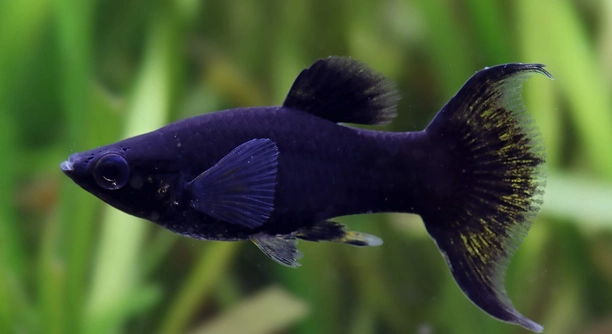
Black Mollies are lively and elegant fish that bring movement and charm to any freshwater aquarium. However, they sometimes appear less active, leaving aquarists wondering how to encourage more natural swimming and exploration in their tanks.
Adding live plants, floating decorations, and varied hiding spots can stimulate activity in Black Mollies. Adjusting water flow, providing a balanced diet, and incorporating gentle lighting variations create an enriched environment that promotes consistent, healthy movement and natural behavior.
Enhancing your tank goes beyond aesthetics; these simple additions can significantly improve your Black Mollies’ vitality and engagement within their aquatic environment.
Live Plants for Movement
Live plants are one of the simplest ways to encourage Black Mollies to be more active. Adding tall and bushy plants gives them areas to explore and hide, which naturally stimulates swimming. Plants such as hornwort, java fern, and water wisteria are ideal because they are sturdy and require minimal care. When plants move slightly in the water current, it mimics natural conditions, prompting Black Mollies to navigate around and through them. This interaction keeps them engaged and reduces periods of inactivity. Additionally, plants help improve water quality by absorbing nitrates and providing oxygen, which supports overall health. Strategically placing plants in different sections of the tank encourages constant movement, as Black Mollies explore each area. Grouping plants near corners and leaving open swimming space in the center allows for a balance of shelter and freedom, making the tank more dynamic. Regular trimming ensures plants do not overcrowd, keeping the environment stimulating.
Live plants not only enhance activity but also improve water conditions for Mollies.
In addition to encouraging movement, plants offer visual enrichment and security. Mollies feel safer when they can hide or dart among foliage, reducing stress-related inactivity. By choosing varied textures and heights, you create natural routes for swimming. Rotating plant arrangements occasionally keeps their environment fresh, motivating consistent exploration.
Floating Decorations and Hiding Spots
Floating decorations give Mollies areas to interact and feel safe.
Incorporating floating logs, driftwood, and small caves provides multiple layers for exploration. Black Mollies enjoy moving under or around objects, which promotes exercise and curiosity. Caves or PVC tubes act as shelters where they can rest or retreat when feeling threatened. Even simple floating leaves or foam mats mimic natural surfaces and can reduce boredom. Placing these items in open swimming areas encourages activity without blocking movement entirely. Rotating or slightly changing decorations keeps the tank interesting, as Mollies naturally investigate new elements. Avoid overcrowding, ensuring they have enough free space to swim quickly and interact with peers. These additions also contribute to a balanced visual setup, making the aquarium more dynamic and stimulating for both the fish and the observer. Using materials safe for freshwater tanks ensures longevity and prevents water contamination, maintaining a healthy environment. Observing how Mollies use these features helps determine which items best promote activity.
Adjustable Water Flow
Black Mollies respond well to gentle variations in water flow.
Using a filter with adjustable flow creates currents that encourage swimming. Moderate movement stimulates exercise and prevents stagnation, keeping them active throughout the day. Positioning the filter output near open swimming areas ensures Mollies can navigate freely without feeling trapped.
Adjusting water flow can also mimic natural river conditions, which Mollies are accustomed to. Some areas of the tank can have stronger currents while others remain calm, giving them choices. Alternating the flow slightly over time maintains interest and promotes natural exploration patterns. This simple adjustment improves overall tank dynamics and reduces periods of inactivity.
Flow changes also help with oxygenation and distribute nutrients more evenly. Observing how Mollies interact with different current strengths allows you to fine-tune the setup for optimal activity and engagement.
Balanced Diet and Feeding Variety
Providing a varied diet enhances energy levels and encourages movement.
Feeding a mix of high-quality flakes, pellets, and live or frozen foods like brine shrimp or daphnia gives Mollies essential nutrients. Frequent small feedings throughout the day keep them consistently active.
Including plant matter, such as blanched spinach or zucchini, supports digestive health and mirrors natural grazing behavior. Rotating food types maintains interest and prevents boredom, stimulating activity. Nutrient-rich meals contribute to brighter colors and more energetic swimming patterns. Observing feeding habits helps identify which foods promote the most engagement.
Balanced nutrition also strengthens immunity, reducing stress that can lead to lethargy. Proper feeding routines ensure Mollies maintain healthy weight and stamina, making the tank environment lively and engaging for all inhabitants.
Gentle Lighting Variation
Changing lighting intensity can influence Black Mollies’ activity.
Using a combination of soft and moderate lighting encourages exploration. Gradually adjusting brightness mimics natural day and night cycles, prompting movement throughout the tank.
Gentle shadows created by decorations or plants provide areas for rest while still promoting curiosity. This variation reduces stress and supports natural behavior.
Open Swimming Spaces
Clear areas in the tank allow Mollies to swim freely and exercise consistently.
Removing obstacles from central zones prevents crowding and gives them room to navigate. Black Mollies naturally patrol open spaces, increasing activity levels while maintaining a balanced environment.
Social Interaction
Keeping Mollies in small groups encourages movement and engagement.
They are social fish that respond to peers, often swimming together and exploring collectively. Interaction motivates natural behaviors, keeping them active and reducing stress.
FAQ
How many Black Mollies should I keep together to encourage activity?
Black Mollies are social fish, so keeping them in groups of at least three to five is ideal. Small groups stimulate natural schooling and social behavior, which encourages movement. Too few can lead to inactivity, while overcrowding can cause stress and competition for space.
Can changing the tank layout really make Mollies more active?
Yes, rearranging plants, decorations, and hiding spots creates new areas for exploration. Even minor changes stimulate curiosity, prompting Mollies to swim around and investigate. Regularly rotating elements prevents boredom and encourages consistent exercise without adding unnecessary stress.
What types of live plants are best for activity?
Tall, bushy plants like hornwort, java fern, and water wisteria work well. They provide vertical and horizontal swimming opportunities and mimic natural habitats. Plants with flexible leaves that move with the water current also encourage Mollies to navigate and interact with their environment.
Is a stronger water current better for activity?
Moderate water flow is sufficient. Strong currents can stress Mollies and reduce natural swimming patterns. Adjustable filters allow for areas of gentle and slightly faster flow, mimicking natural conditions. Mollies often use stronger currents to exercise while calmer zones serve as resting areas.
How often should I feed Black Mollies to keep them active?
Small, frequent feedings throughout the day are ideal. This prevents overfeeding and encourages regular swimming as they forage for food. A balanced diet including flakes, pellets, and live or frozen foods ensures energy levels remain high, supporting consistent movement and vibrant behavior.
Do floating decorations really make a difference?
Yes, floating items such as driftwood, logs, and foam mats provide interactive surfaces and shelter. Mollies often swim around or under these objects, which promotes exercise. Floating items also create subtle water movement and shadows, adding variety to their environment and reducing inactivity.
Can lighting affect activity levels?
Lighting plays a significant role. Gradual changes in light intensity, mimicking day and night cycles, encourage natural behavior. Shadows from plants and decorations provide areas for rest without restricting movement, and slight variations in brightness keep Mollies curious and active throughout the day.
Will Mollies become more active with diet variety?
Absolutely. Rotating foods like flakes, pellets, live brine shrimp, or blanched vegetables keeps them interested and encourages foraging. Plant matter supports grazing instincts, while protein-rich foods boost energy. Balanced nutrition directly impacts swimming activity, stamina, and overall vitality.
How important is open swimming space?
Open spaces are crucial. Removing clutter from central areas allows Mollies to swim freely, exercise, and patrol their territory. Combining open zones with structured hiding spots maintains a balance between security and movement, preventing stress while promoting natural activity patterns.
Do Mollies interact more with peers than with decorations?
Social interaction often stimulates more movement than static objects. Mollies respond to peers by swimming together, exploring in groups, and establishing social hierarchies. Combining social groups with enriching decorations maximizes activity, keeping them engaged both physically and mentally.
Can these changes prevent lethargy entirely?
While activity levels vary, implementing live plants, floating decorations, balanced diets, gentle currents, and proper lighting greatly reduces lethargy. Observing behavior and making gradual adjustments ensures Mollies remain consistently active, healthy, and engaged with their environment, promoting long-term well-being.
How do I know if my Mollies are sufficiently active?
Healthy activity includes regular swimming through open areas, exploring decorations, interacting with peers, and responding to feeding times. Sudden inactivity or hiding for extended periods may indicate environmental issues, water quality concerns, or dietary deficiencies that need attention.
Is tank size a factor in activity?
Yes, adequate space allows Mollies to swim naturally. A tank that is too small restricts movement, leading to lethargy. Larger tanks with varied zones for exploration, hiding, and swimming encourage exercise and engagement, supporting both physical and mental health.
Can I combine these methods for maximum activity?
Combining all these strategies—live plants, floating decorations, social groups, varied diets, gentle currents, and lighting variations—creates an enriched environment. Each element complements the others, producing a dynamic and engaging tank where Black Mollies remain active and healthy consistently.
Are there seasonal or daily patterns to Mollies’ activity?
Black Mollies often display peak activity during morning and evening hours, aligning with natural light cycles. Adjusting tank lighting to reflect these patterns supports natural rhythms. Seasonal water temperature changes can influence energy, so maintaining stable conditions promotes steady activity year-round.
Can stress reduce activity even with all additions?
Yes, stress from sudden changes, poor water quality, overcrowding, or aggressive tankmates can lower activity levels. Monitoring water parameters, ensuring adequate space, and maintaining consistent routines are essential to minimize stress and sustain healthy movement.
Do different Black Molly strains respond differently?
Some strains may exhibit slightly varied energy levels, but environmental enrichment and proper care generally improve activity across all types. Observing specific behavior allows adjustments to tank layout, diet, or flow, catering to individual needs while maintaining group activity.
Is it necessary to change all tank features at once?
No, gradual changes are more effective. Introducing new plants, decorations, or adjusting flow and lighting in steps reduces stress and allows Mollies to adapt. Observing responses after each change ensures the environment encourages activity without overwhelming the fish.
How long does it take to notice increased activity?
Most changes show results within days to a few weeks. Mollies gradually explore new plants, decorations, and currents, and adjust to dietary variations. Consistent observation and minor tweaks help maintain long-term engagement and movement patterns.
Can adults and juveniles coexist to boost activity?
Yes, mixed-age groups encourage interaction, with juveniles often stimulating adults to swim and explore. Adequate space and hiding areas prevent dominance issues while promoting natural social behavior, keeping all fish active and engaged.
Are there any tools to monitor activity levels?
Observing swimming patterns, interaction with peers, and response to feeding provides the best insight. Some aquarists use timers for lighting, adjustable filters, or cameras for remote observation, helping maintain a consistent environment that encourages continuous activity.
Will adding these features impact tank maintenance?
While enrichment adds complexity, routine cleaning, trimming plants, and rotating decorations keep the tank manageable. Proper maintenance ensures water quality, prevents algae buildup, and maintains an engaging environment that supports active, healthy Black Mollies consistently.
Final Thoughts
Creating an environment that encourages Black Mollies to be active requires a combination of simple, thoughtful adjustments. Live plants, floating decorations, and open swimming spaces work together to provide both shelter and areas for exploration. Each element adds a different form of stimulation, from gentle water movement around plants to areas where fish can swim freely without obstruction. Black Mollies are naturally curious, and giving them opportunities to interact with their surroundings reduces boredom and encourages consistent activity. Even minor changes in layout or positioning of decorations can prompt them to explore and navigate in ways they would in natural habitats.
Water flow and lighting play an equally important role in maintaining activity. Moderate currents allow Black Mollies to exercise while providing a sense of variety in their environment. Adjustable filters create gentle currents that mimic natural streams, which Black Mollies respond to instinctively. Lighting that changes gradually through the day, with softer areas and slightly brighter zones, encourages natural movement while reducing stress. Shadows created by decorations and plants provide resting spaces without limiting activity. Together, these adjustments create a balanced tank where fish can engage in natural behaviors safely and consistently, promoting both physical health and mental stimulation.
Diet and social interaction are essential for sustaining energy and encouraging movement. Offering a varied diet, including flakes, pellets, live or frozen foods, and plant matter, ensures that Black Mollies remain energetic and motivated to swim. Feeding small amounts throughout the day mirrors natural foraging habits and keeps them active. Social groups further encourage activity, as Black Mollies often respond to peers by swimming together, exploring collectively, and establishing natural hierarchies. Observing their behavior helps determine which combinations of diet, environment, and social grouping generate the most engagement. By maintaining these practices, aquarists can support a lively, healthy aquarium where Black Mollies remain active, display natural behaviors, and thrive over time, creating a dynamic and balanced aquatic environment.

Hello,
If you enjoy the content that we create, please consider saying a "Thank You!" by leaving a tip.
Every little bit helps us continue crafting quality advice that supports the health, happiness, and well-being of pets around the world, for pets of all shapes, sizes, and species.
We really appreciate the kindness and support that you show us!