
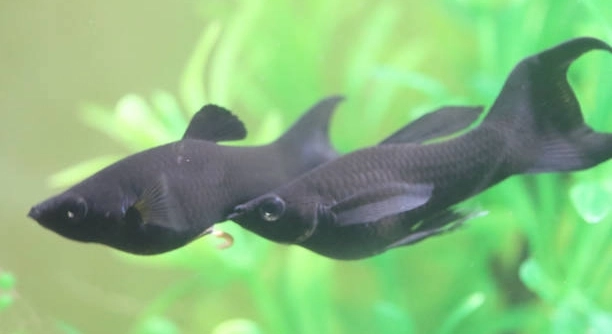
Black Mollies are a popular choice for home aquariums due to their striking appearance and lively behavior. Many aquarists enjoy keeping them because they are relatively hardy and adapt to various tank setups. Their vibrant presence adds life to any space.
Black Mollies can survive in a tank without plants, but the absence of vegetation may impact their comfort and natural behavior. Plants provide hiding spots, improve water quality, and reduce stress, contributing to a healthier environment for the fish.
Maintaining a balanced tank without plants requires careful attention to water conditions and enrichment. Proper care ensures Black Mollies remain healthy and active, even in a simplified aquatic setup.
Why Plants Benefit Black Mollies
Adding live plants to a Black Molly tank improves their overall well-being. Plants offer shelter and resting areas that reduce stress, especially for shy or new fish. They also help stabilize water quality by absorbing excess nitrates, limiting algae growth, and contributing oxygen. Mollies often nibble on soft plants, which can provide a supplemental source of nutrients. Even hardy tanks can benefit from plant coverage, as it encourages natural swimming patterns and exploration. Plants can break the line of sight between fish, reducing aggressive interactions. When Black Mollies feel secure, they display more natural behavior, including foraging and social interaction. Selecting fast-growing, low-maintenance plants like hornwort or Java moss ensures the tank stays balanced and visually appealing. Regular trimming maintains space for swimming and prevents overcrowding. Ultimately, plants create a healthier, more stimulating environment that supports the fish’s long-term health and activity levels.
Plants improve comfort and reduce stress while keeping water cleaner and the tank more visually engaging for Black Mollies.
Even in small or minimal tanks, incorporating greenery offers subtle but significant benefits. Black Mollies thrive when they have areas to hide, explore, or rest among leaves. Plants also help maintain water stability, making it easier to manage pH and nitrates. Even artificial plants can provide some visual barriers, though live plants have additional advantages. By carefully choosing hardy, easy-to-grow plants and positioning them strategically, you can create a tank that balances openness with protective spaces. Over time, you may notice more active swimming, less aggression, and better overall health in your Mollies. Plants do not only enhance appearance; they play a functional role in sustaining water quality, providing microhabitats, and encouraging natural behaviors that contribute to a happier, healthier fish population. Proper care, combined with the presence of plants, results in a stable environment that supports growth and reduces disease risks.
Managing a Tank Without Plants
Black Mollies can adapt to a tank without live plants if care is consistent and water conditions are stable.
In a plant-free tank, it is essential to provide hiding spots using decorations, rocks, or driftwood. Without plants, water maintenance becomes more critical. Regular water changes are necessary to control nitrate levels and prevent the buildup of harmful substances. Adding floating decorations or structures can simulate plant benefits by offering areas for shelter and rest. Mollies may explore these spaces naturally, reducing stress and encouraging natural swimming patterns. Monitoring water temperature, pH, and filtration becomes the main factor in keeping fish healthy. Even without greenery, a thoughtfully arranged tank with attention to cleanliness and enrichment ensures Black Mollies remain active, social, and free from undue stress. This approach requires vigilance but can successfully sustain a lively, attractive aquarium without live plants.
Water Quality and Tank Conditions
Maintaining stable water conditions is essential for Black Mollies. They require clean, slightly alkaline water with moderate hardness. Regular testing and partial water changes prevent ammonia and nitrate buildup, keeping the fish healthy and active in both planted and plant-free tanks.
Black Mollies are sensitive to sudden changes in water parameters. Fluctuations in temperature, pH, or hardness can stress them and increase susceptibility to disease. In a tank without plants, these risks are higher because plants naturally absorb some waste and stabilize conditions. Using a reliable filter, performing weekly water changes, and monitoring key parameters ensures a balanced environment. Keeping water within safe ranges supports growth, maintains coloration, and encourages normal behavior.
Filtration plays a crucial role in compensating for the lack of plants. Mechanical and biological filtration remove debris and toxins, while aeration maintains oxygen levels. Regular maintenance and careful observation of water quality prevent common issues like cloudy water, algae blooms, or fish stress. Even minimal tanks benefit from consistent upkeep, which promotes a stable and healthy environment, ensuring Black Mollies thrive without plant coverage.
Feeding Black Mollies in a Plant-Free Tank
Black Mollies need a balanced diet of flakes, pellets, and occasional vegetable matter to stay healthy. Feeding small amounts multiple times a day prevents overfeeding and water pollution.
In tanks without live plants, providing supplemental vegetable matter becomes more important. Mollies naturally graze on algae and soft plant material, so offering blanched spinach, zucchini, or spirulina flakes can mimic their natural diet. A mix of protein-rich and plant-based foods ensures proper growth and coloration. Observing feeding behavior helps adjust portions, preventing leftover food from polluting the tank. Overfeeding can lead to spikes in ammonia and nitrites, which are more noticeable without plants to absorb nutrients. Maintaining a consistent feeding schedule promotes digestive health and supports active, vibrant fish.
Supplemental enrichment, like occasional floating food or varied textures, keeps Black Mollies engaged in plant-free tanks. This approach encourages natural foraging behavior, reduces boredom, and minimizes aggression. Combined with careful portion control and balanced nutrition, it ensures that even without live plants, your Mollies remain healthy and visually striking. Creating a feeding routine that mimics natural grazing patterns helps maintain energy levels and reduces the risk of dietary deficiencies, providing a sustainable and low-stress environment in a simplified tank setup.
Tank Decorations as Alternatives
Decorations like rocks, driftwood, and caves can provide hiding spots and break lines of sight. These alternatives help reduce stress and encourage natural swimming patterns in a tank without plants.
Adding tunnels or small structures creates secure areas where Black Mollies can rest. Proper placement ensures open swimming space while maintaining shelter.
Lighting Considerations
Moderate lighting is sufficient for Black Mollies. Bright lights can stress them, while dim lighting supports natural behavior and helps fish feel secure.
Tank Size Requirements
A minimum of 20 gallons is recommended for a small group of Black Mollies. Adequate space reduces aggression, promotes swimming, and supports overall health.
Monitoring Behavior
Observing your Mollies’ interactions, feeding, and activity levels is essential. Changes in behavior often indicate stress or water issues, especially in plant-free tanks.
FAQ
Can Black Mollies survive long-term without plants?
Yes, Black Mollies can survive without plants if water conditions are stable and the tank is properly maintained. Plants are not strictly necessary for survival, but they provide natural hiding spaces, improve water quality, and reduce stress. Without plants, extra care must be taken with filtration, water changes, and decorations that mimic plant functions.
What are good alternatives to plants for hiding spots?
Rocks, caves, driftwood, and artificial decorations can serve as effective hiding spots. Placing these items strategically helps Black Mollies feel secure and reduces aggression. Even simple structures like PVC tubes or small ornaments can provide shelter while maintaining open swimming space.
Do Mollies need extra oxygen without plants?
While plants naturally contribute oxygen, filtration and aeration can compensate. Using a sponge filter or air stone ensures sufficient oxygen levels. Black Mollies are active fish and benefit from well-oxygenated water, particularly in plant-free tanks where natural oxygen sources are reduced.
Will Black Mollies get stressed without plants?
Some Mollies may show increased stress without plants, especially if the tank is crowded or lacks hiding spots. Stress can be minimized with decorations, careful tank setup, stable water parameters, and a balanced feeding schedule. Monitoring their behavior helps detect and address stress early.
Do Mollies eat plants if they are available?
Yes, Black Mollies may nibble on soft plants, which provides supplemental nutrition. This behavior is natural and can help with digestion. In the absence of plants, offering blanched vegetables like spinach, zucchini, or spirulina flakes ensures they still receive plant-based nutrients.
Is tank maintenance different without plants?
Maintenance is more critical in a plant-free tank because plants naturally absorb nitrates and waste. Weekly water changes, regular filter cleaning, and careful monitoring of ammonia, nitrites, and pH are necessary to keep water quality safe and stable.
Can Mollies reproduce in a plant-free tank?
Yes, they can breed without plants, but they may use decorations as hiding spots for fry. In heavily planted tanks, fry have natural protection. Without plants, extra care may be needed to provide small shelters or use a breeding box to prevent predation.
What tank size is ideal for plant-free setups?
A minimum of 20 gallons is recommended for a small group of Black Mollies. Larger tanks allow more swimming space, reduce territorial conflicts, and help maintain stable water parameters, which is especially important in the absence of plants.
How often should I feed Mollies without plants?
Feed small amounts two to three times daily. Since they cannot graze on plants, providing balanced nutrition with protein-rich flakes, pellets, and occasional vegetables is essential. Overfeeding can quickly deteriorate water quality in a plant-free tank.
Are there signs Mollies are unhappy without plants?
Signs include hiding excessively, reduced activity, poor appetite, or faded coloration. Increased aggression may also occur. Providing alternative hiding spots, monitoring water parameters, and maintaining a proper diet can prevent these issues.
Can artificial plants replace live plants?
Artificial plants provide hiding spots and visual barriers but do not improve water quality or supply nutrients. They are useful for aesthetics and reducing stress, but additional care in filtration and water changes is required to maintain a healthy environment.
Do Mollies need special water parameters without plants?
Water quality is more critical without plants. Maintain stable temperature, pH between 7.0 and 8.5, and moderate hardness. Regular monitoring ensures a safe, comfortable environment for active fish and prevents stress-related health issues.
Can I mix Mollies with other fish in a plant-free tank?
Yes, compatible species can cohabit, but avoid aggressive or overly territorial fish. Providing hiding spaces through decorations is essential to reduce conflicts and ensure all species have areas to retreat if stressed.
How can I prevent algae in a plant-free tank?
Regular water changes, controlled feeding, and proper lighting prevent algae buildup. Without plants to compete for nutrients, algae can grow faster. Mechanical removal and occasional use of algae-eating species, like snails, can help manage growth.
What should I do if water quality drops quickly?
Increase the frequency of water changes, check the filter, and test for ammonia, nitrites, and nitrates. Reducing feeding temporarily and removing excess waste or debris helps restore balance. Consistent monitoring prevents long-term health problems.
Do Mollies need a varied diet without plants?
Yes, a combination of high-quality flakes, pellets, and vegetable matter mimics their natural diet. Variation supports digestion, coloration, and overall health. Blanched vegetables or spirulina flakes supplement nutrients normally provided by plants.
Can Mollies live happily without plants?
With proper care, stable water, suitable hiding spots, and balanced nutrition, Black Mollies can live healthy, active lives without plants. Observing behavior and maintaining consistent tank management are key to their well-being.
Are there behavioral differences in plant-free tanks?
Mollies may explore more openly or use decorations for shelter. They might also show increased aggression or stress if hiding spots are limited. Providing adequate space, enrichment, and careful feeding reduces negative behaviors and supports normal activity.
Is filtration more important in a plant-free tank?
Yes, filtration compensates for the absence of plants. Mechanical and biological filters remove waste and toxins, maintaining water quality. Consistent filter maintenance is essential to prevent ammonia spikes and ensure a stable environment for Black Mollies.
Can plants be added later if desired?
Absolutely. Introducing plants later can enhance shelter, water quality, and aesthetics. Choose hardy species that adapt to existing conditions. Gradual introduction prevents stress and allows fish to adjust smoothly to new tank elements.
Black Mollies are adaptable fish that can live in tanks with or without plants. While plants offer natural benefits such as hiding spots, improved water quality, and supplemental nutrition, they are not strictly necessary for the survival of Mollies. A well-maintained tank with stable water parameters, proper filtration, and thoughtful decoration can provide a safe and comfortable environment even in the absence of live plants. In a plant-free setup, it becomes essential to monitor water quality closely, perform regular water changes, and maintain consistent temperature, pH, and hardness levels. Mollies are sensitive to sudden changes in these parameters, and any lapse in maintenance can cause stress, illness, or behavioral issues.
Providing alternative hiding spots is a key part of creating a supportive environment without plants. Rocks, driftwood, caves, and even artificial decorations can simulate the shelter plants naturally provide. Strategically placed items reduce aggression, offer resting areas, and give fish a sense of security, encouraging natural swimming and social behaviors. Black Mollies are active, curious fish, and while they enjoy open swimming space, having areas to retreat helps reduce stress and maintain healthy interactions among tank mates. In addition, feeding routines take on added importance in plant-free tanks. Mollies naturally graze on algae and plant matter, so offering a balanced diet that includes protein-rich flakes or pellets alongside blanched vegetables like spinach or zucchini helps meet their nutritional needs. This approach supports growth, coloration, and digestive health while preventing overfeeding and water pollution.
Overall, keeping Black Mollies in a tank without plants is entirely feasible when careful attention is paid to water quality, nutrition, and enrichment. While the environment lacks the natural buffering effects of live plants, it can be successfully managed with proper care, monitoring, and planning. Filtration and aeration become more significant, and regular observation of behavior can help detect early signs of stress or illness. Decorations, hiding spots, and consistent feeding routines contribute to the overall health and happiness of the fish. Plant-free tanks may require slightly more effort in daily maintenance, but they can still offer a visually appealing and thriving habitat for Black Mollies. With dedication and attention to detail, a plant-free aquarium can sustain active, healthy, and visually striking fish, allowing them to display their natural behaviors and vibrant appearance in a safe and balanced environment.

Hello,
If you enjoy the content that we create, please consider saying a "Thank You!" by leaving a tip.
Every little bit helps us continue crafting quality advice that supports the health, happiness, and well-being of pets around the world, for pets of all shapes, sizes, and species.
We really appreciate the kindness and support that you show us!