
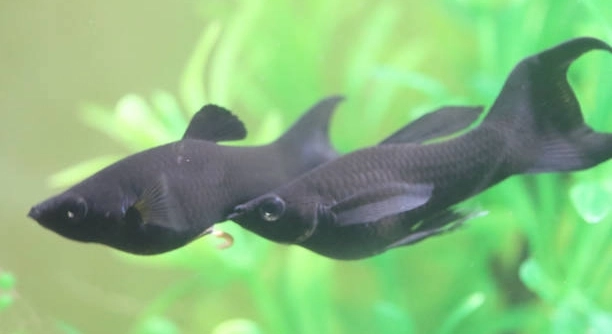
Do you ever notice your Black Molly swimming a little differently, or its fins looking less vibrant than usual? Observing subtle changes early can make a big difference in maintaining a healthy, happy aquarium environment.
Fin trouble in Black Molly typically manifests as fraying, discoloration, or white edges on the fins. These signs indicate potential bacterial or fungal infections, poor water quality, or stress factors that must be addressed promptly to prevent further health decline.
Monitoring your fish closely allows you to act early, ensuring recovery and maintaining a thriving, balanced aquatic habitat for your Black Molly.
Frayed or Torn Fins
When you first notice frayed or torn fins on your Black Molly, it is often a sign of stress or minor injury. Poor water quality, aggressive tank mates, or rough decorations can all cause physical damage. Even small tears can lead to bacterial infections if left unchecked, so it is important to observe the severity and frequency of fin damage. Immediate steps include removing sharp objects from the tank, checking for signs of aggression among fish, and improving overall water conditions. Regular water changes and maintaining stable temperature and pH levels can prevent further fin deterioration. Nutrition also plays a key role; a balanced diet rich in vitamins strengthens fin tissue and supports natural healing. Over time, minor tears may heal, but consistent monitoring is essential to avoid more serious complications. Acting quickly ensures your Black Molly remains active and visually healthy.
Frayed fins often indicate underlying issues beyond just physical damage. Quick intervention prevents serious infections.
Keeping track of the tank environment, adjusting diet, and minimizing stress factors will help your Molly recover faster. Maintaining cleanliness and providing a calm space encourages healthy regrowth. Observation over weeks can reveal whether additional measures, such as medications or isolation, are necessary to fully restore fin integrity and prevent recurring damage.
Discoloration and Fading
Discoloration in Black Mollies usually signals stress or illness. Water quality, sudden temperature changes, or low oxygen levels often cause colors to fade. Mild fading can sometimes improve with better conditions and proper feeding.
Persistent fading may indicate a bacterial or parasitic infection that requires treatment.
Fading is often accompanied by other behavioral changes like lethargy or reduced appetite. Correcting water parameters and providing high-quality food may restore vibrancy, but if discoloration continues, isolating the affected fish and treating with appropriate medications can prevent further decline. Observing interactions in a community tank is also critical, as bullying or competition can cause stress-related color loss. By addressing both environmental and health factors, you support the Black Molly’s natural pigmentation and overall vitality. Regular monitoring allows early detection of subtle color changes, giving you the opportunity to act before more severe symptoms develop. Maintaining clean water, consistent feeding, and a calm tank setup promotes recovery and long-term fin and color health.
Clamped Fins
Clamped fins occur when a Black Molly holds its fins close to its body, often signaling stress or poor water conditions. This behavior is subtle but important to notice, as it can precede more serious health issues.
Clamped fins are commonly caused by high ammonia, nitrite, or nitrate levels. Sudden temperature changes or overcrowding can also trigger this response. When fins are held tightly, the fish may reduce swimming activity and show signs of lethargy. Addressing water quality through frequent partial changes and monitoring filtration efficiency can help alleviate stress. Observing the tank environment, including the behavior of other fish, ensures that your Molly feels safe. Reducing disturbances, maintaining consistent temperatures, and providing hiding spots encourage normal fin movement and overall activity.
Ignoring clamped fins can lead to infections or weakened immunity over time. Continuous monitoring and prompt action are necessary to restore your Black Molly’s natural fin posture and maintain a healthy, balanced tank environment.
White or Cloudy Edges
White or cloudy edges on fins often indicate early signs of fin rot or fungal infection. These visible changes should not be ignored, as they can spread quickly if untreated. Proper water maintenance is critical to prevent further damage.
Fin rot is usually caused by bacteria thriving in poor water conditions. Minor injuries or stress from other fish can make fins more vulnerable to infection. Treatment involves isolating the affected fish, improving water quality, and sometimes using medicated treatments specifically designed for bacterial or fungal infections. Consistent observation allows you to track recovery and prevent reinfection. Adjusting diet to include immune-boosting foods also supports healing and reduces the chance of recurring infections.
Preventing white or cloudy edges relies on proactive tank management, careful observation, and maintaining a stress-free environment. By ensuring clean water, proper nutrition, and safe surroundings, you can stop fin deterioration before it worsens. Keeping a close eye on your Black Molly’s fins lets you act immediately, promoting faster recovery and preserving overall fish health.
Ragged Edges
Ragged edges on a Black Molly’s fins are a sign of wear or minor damage. They can result from sharp tank decorations, rough handling, or fin nipping by other fish. Prompt attention can prevent infection.
Improving water quality and providing smooth decorations reduces further damage. Isolation may be necessary if tank mates are aggressive.
Shortened or Shrunken Fins
Shortened or shrunken fins often indicate prolonged stress or nutritional deficiencies. Fins may fail to grow back fully after damage or illness. Addressing environmental factors and feeding a vitamin-rich diet supports proper fin development and overall health. Consistent water changes, proper tank size, and reducing overcrowding help prevent recurrence.
Red Streaks
Red streaks in fins usually suggest a bacterial infection or internal stress. Early identification and water management are essential to avoid worsening health.
What causes fin trouble in Black Mollies?
Fin trouble in Black Mollies is usually caused by poor water conditions, stress, or infections. High levels of ammonia, nitrite, or nitrate weaken fins. Overcrowding, aggressive tank mates, and sharp decorations can also physically damage fins. Nutritional deficiencies and sudden environmental changes contribute as well.
How can I prevent fin rot?
Maintaining stable water parameters is key. Regular partial water changes, proper filtration, and monitoring pH and temperature help reduce bacterial growth. Avoid overcrowding, provide a balanced diet, and remove any rough or sharp objects that may tear fins. Stress reduction supports immune health.
How do I treat frayed or torn fins?
Minor tears may heal on their own in clean water, but severe damage requires treatment. Isolate the affected fish, keep water clean, and consider antibacterial or antifungal medications. Support recovery with high-quality, vitamin-rich food to strengthen fin tissue.
Why are my Black Molly’s fins clamped?
Clamped fins are usually a response to stress or poor water quality. Sudden temperature changes, aggressive tank mates, or overcrowding can trigger this behavior. Addressing environmental factors and reducing stress allows fins to return to normal posture.
What does discoloration indicate?
Faded or dull colors often reflect stress, illness, or poor water quality. Nutritional deficiencies or infections can also cause discoloration. Restoring stable water conditions, providing high-quality food, and reducing stressors typically help regain natural coloration.
When should I use medication?
Medication is necessary when bacterial or fungal infections are evident, such as white edges, red streaks, or spreading fin rot. Always follow instructions carefully and isolate the affected fish when possible to prevent transmission to healthy tank mates.
Can diet impact fin health?
Yes, diet plays a major role. A poor diet lacking vitamins and protein weakens fins and slows recovery. Feeding a variety of high-quality flakes, pellets, and occasional live or frozen food improves fin strength and overall immunity.
How do I know if fin damage is permanent?
Minor fraying usually heals, but long-term neglect, severe infections, or repeated injuries can cause permanent shortening or deformation. Observing the fins over weeks will show whether they regrow or remain damaged. Preventive care is essential.
Is tank size important for fin health?
A cramped tank increases stress and the risk of aggression, which can lead to torn or damaged fins. Providing adequate space, hiding spots, and consistent water parameters supports fin growth and reduces injuries.
How often should I check my Black Molly’s fins?
Regular observation is critical. Daily or every-other-day checks allow you to catch early signs of trouble, such as fraying, discoloration, or clamping. Early detection ensures quicker intervention and better recovery outcomes.
Can stress alone cause fin trouble?
Stress alone can weaken fins and make them more prone to infections or tears. Factors like overcrowding, sudden environmental changes, or aggressive tank mates trigger this. Reducing stress and providing a stable, calm environment helps prevent fin problems.
What is the fastest way to improve fin health?
The fastest improvements come from correcting water conditions, reducing stress, isolating sick fish, and supporting recovery with proper nutrition. Combining these actions addresses both the underlying cause and visible symptoms, allowing fins to heal efficiently.
Are fin infections contagious?
Yes, bacterial and fungal infections can spread to other fish if left untreated. Isolating affected Black Mollies and maintaining strict water hygiene prevents transmission and protects the rest of the tank.
How long does it take for fins to heal?
Healing time varies. Minor tears may recover in one to two weeks, while severe or infected fins can take several weeks or longer. Proper care, clean water, and balanced nutrition are critical for full recovery.
Can environmental changes trigger fin issues?
Sudden changes in temperature, pH, or lighting can stress Black Mollies and contribute to fin deterioration. Maintaining consistency and making gradual adjustments prevents unnecessary damage and supports healthy fin regrowth.
What should I do if fin rot returns?
If fin rot recurs, reassess water quality, tank conditions, diet, and stress levels. Persistent infections may require repeated treatment, isolation, or veterinary advice. Preventive measures, such as regular monitoring, ensure long-term fin health.
Are some Black Mollies more prone to fin problems?
Yes, fish with genetic vulnerabilities, weakened immunity, or prior injuries are more susceptible. Providing optimal care, nutrition, and a safe environment helps reduce the likelihood of recurring fin issues.
How important is water testing for fin health?
Regular testing for ammonia, nitrite, nitrate, pH, and temperature is crucial. Poor water quality is the most common cause of fin damage. Frequent testing allows early intervention before problems escalate.
Can overcrowding worsen fin issues?
Overcrowding increases stress and aggression, which can cause tearing, clamping, and fin infections. Maintaining an appropriate fish-to-tank ratio is essential for preventing fin trouble.
What role does observation play in prevention?
Close observation helps detect early signs of fin trouble, such as slight fraying, clamping, or color changes. Early action ensures quicker recovery and reduces the risk of permanent damage.
Are natural remedies effective for fin problems?
Some natural treatments, like salt baths or herbal additives, can support healing. However, they are less effective than proper water management, isolation, and medications for serious infections. Use them as supplementary care rather than primary treatment.
How can I support long-term fin health?
Provide consistent water quality, a spacious tank, a balanced diet, and a calm environment. Regular observation and preventive care prevent most fin issues and promote strong, healthy fins for your Black Molly.
What signs indicate improvement?
Improvement is visible when fins start to regrow, discoloration fades, and the fish returns to normal swimming behavior. Reduced clamping and increased activity indicate recovery. Continuous monitoring ensures full restoration.
Is isolation always necessary?
Isolation is recommended for severe infections or aggressive interactions. It prevents the spread of bacteria or fungi and allows targeted treatment, making recovery faster and safer for both the affected fish and the tank.
How do I balance multiple treatments?
When using medication, dietary adjustments, and water changes simultaneously, follow a clear schedule to avoid stress. Prioritize water quality first, then medications, and finally dietary support to maximize effectiveness.
Can fin issues affect other organs?
Yes, infections that start in fins can spread systemically if untreated. Stress-related fin problems may also weaken immunity, making the fish more vulnerable to other illnesses. Prompt care is essential to prevent broader health complications.
Are fin problems reversible?
Most early-stage fin issues are reversible with proper care. Severe or prolonged damage may lead to permanent deformities. Prevention, early detection, and consistent treatment determine the level of recovery.
How do I choose the right medication?
Select medication specific to the type of infection, whether bacterial or fungal. Read instructions carefully, ensure proper dosage, and isolate affected fish. Combining medication with optimal tank conditions improves outcomes significantly.
What environmental improvements are most effective?
Maintaining stable temperature, proper filtration, clean water, hiding spaces, and adequate space reduces stress and supports fin regeneration. These adjustments create a healthy environment that prevents future fin problems.
How do I know if fin trouble is serious?
Serious fin trouble includes spreading rot, red streaks, severe clamping, or lethargy. If these signs persist despite water improvements, immediate treatment and isolation are necessary to prevent further decline.
Can stress from tank mates be the cause?
Aggressive or overly active tank mates can damage fins through nipping or chasing. Observing social dynamics and separating aggressive fish prevents stress-related fin issues.
Are there seasonal effects on fin health?
Sudden temperature shifts or seasonal changes in water chemistry can stress Black Mollies, making fins more prone to damage or infection. Consistent monitoring during seasonal transitions helps maintain fin health.
How important is consistent feeding?
Regular, high-quality feeding supports immunity and fin growth. Irregular or poor-quality food weakens fins and slows recovery. Balanced nutrition is a cornerstone of fin maintenance.
Can minor injuries heal on their own?
Yes, small tears or frays often heal naturally if water conditions are optimal and stress is minimized. However, monitoring is essential to ensure infections do not develop.
What steps help prevent recurrence?
Regular water maintenance, balanced diet, appropriate tank population, and stress reduction prevent recurring fin issues. Observation and early intervention remain critical for ongoing fin health.
Is it necessary to consult a veterinarian?
For severe, recurring, or unexplained fin issues, consulting a veterinarian ensures accurate diagnosis and effective treatment, especially when home remedies and water management are insufficient.
How do I maintain fin health long-term?
Maintain clean water, stable environment, balanced nutrition, and regular observation. Preventing stress, aggression, and poor conditions supports ongoing fin strength and overall Black Molly health.
Can fin problems affect behavior?
Yes, fin damage or discomfort may cause lethargy, reduced feeding, or hiding behavior. Addressing the underlying cause restores normal activity and improves quality of life.
Are all medications safe for community tanks?
Some medications affect other fish or invertebrates. Always check compatibility and isolate affected fish when necessary to prevent harm to the rest of the tank.
How often should I monitor water parameters?
Testing water at least once a week for ammonia, nitrite, nitrate, and pH helps prevent fin trouble. More frequent checks are needed in new or heavily stocked tanks.
Can fin trouble signal broader health issues?
Yes, fin damage may indicate systemic stress, infections, or dietary deficiencies. Observing other health signs ensures comprehensive care beyond the fins alone.
Are there preventive supplements for fin health?
Vitamin-rich foods and occasional immune-boosting supplements can strengthen fins. However, they should complement proper tank maintenance and water quality management.
What are the most common mistakes in fin care?
Ignoring water quality, overcrowding, poor nutrition, and delayed treatment are the main mistakes. These factors worsen fin problems and increase the risk of permanent damage.
How long should I isolate a sick Black Molly?
Isolation typically lasts until fins have visibly healed and infections are under control, usually two to four weeks depending on severity. Continue monitoring for recurrence after returning the fish to the main tank.
Can stress from lighting or noise impact fins?
Yes, sudden changes in lighting or excessive noise can stress Black Mollies, leading to clamped or damaged fins. Maintaining a calm and consistent environment supports fin health.
Are fin issues common in all Black Mollies?
Fin issues are common but vary depending on care, tank conditions, and genetics. Proper maintenance significantly reduces the likelihood of fin problems, making preventive care the most effective strategy.
How do I track fin recovery?
Photograph fins regularly, note changes in length, color, and texture. Tracking progress allows you to adjust care and confirm healing. Consistent observation ensures fins fully recover and remain healthy.
What is the role of temperature in fin health?
Stable temperature reduces stress and supports immune function. Sudden drops or spikes can weaken fins, making them more vulnerable to tears or infections. Proper heaters and monitoring devices maintain a healthy range.
Can fin problems recur even after treatment?
Yes, without proper preventive measures, fin problems can recur. Maintaining clean water, balanced nutrition, and a stress-free environment minimizes the chance of repeated fin issues.
How do I manage multiple fish with fin problems?
Treat each affected fish individually, isolate if possible, and ensure optimal tank conditions. Monitoring interactions among tank mates prevents spread and reduces stress, allowing all affected fish to recover.
Are certain tank setups better for fin health?
Tanks with smooth surfaces, adequate space, hiding spots, and stable water conditions reduce fin damage. Avoid sharp decorations or aggressive fish to support healthy fin growth.
What is the most important takeaway for fin care?
Early detection, consistent water management, stress reduction, and proper nutrition are key. Timely intervention prevents serious infections and ensures long-term fin health.
How do I balance observation with routine care?
Incorporate fin checks into daily feeding or maintenance routines. Observing while performing regular tasks ensures early detection without adding extra stress for the fish.
Can fin health affect overall longevity?
Yes, damaged fins indicate underlying stress or disease, which can impact immunity and shorten lifespan. Maintaining fin health supports long-term vitality and overall well-being.
How do I know when professional advice is needed?
Persistent fin rot, severe infections, or recurring issues despite proper care warrant veterinary consultation. Professional guidance ensures accurate diagnosis and effective treatment.
Is prevention easier than treatment?
Absolutely. Stable water, good nutrition, proper tank size, and minimal stress prevent most fin issues, making proactive care more effective than reactive treatment.
What is the connection between immunity and fin health?
Strong immunity helps prevent infections that cause fin deterioration. Stress reduction, proper diet, and clean water all support immune function and promote resilient, healthy fins.
How can I spot early signs of fin trouble?
Look for slight fraying, clamping, color changes, or reduced activity. Catching these signs early allows prompt action before the problem worsens.
Are all fin problems visible immediately?
Not always. Some infections or stress-related issues start internally or subtly. Regular observation and monitoring behavior help detect hidden problems before they appear externally.
How do I maintain a safe tank environment?
Regular cleaning, proper filtration, appropriate stocking levels, and smooth decorations create a safe habitat. Minimizing stressors reduces the likelihood of fin injuries and supports overall health.
Can multiple stress factors compound fin problems?
Yes, stress from poor water quality, aggressive fish, and inadequate nutrition can combine, weakening fins and increasing susceptibility to infections. Addressing all factors simultaneously improves recovery.
What role does water movement play in fin health?
Excessive currents can strain fins, while stagnant water encourages bacteria growth. Balanced circulation supports oxygenation and reduces the risk of fin damage.
How do I ensure long-term fin recovery?
Maintain stable water, reduce stress, provide high-quality nutrition, and observe the fish regularly. Continuous care ensures fins fully heal and remain strong.
Is there a point where fin damage is untreatable?
Severe, prolonged damage may be irreversible, resulting in shortened or deformed fins. Early intervention is critical to avoid permanent issues and maintain overall health.
How often should I feed my Black Molly for optimal fin health?
Feed small, frequent meals two to three times daily. High-quality, vitamin-rich food supports immune function, fin growth, and general vitality.
Are some medications harmful if overused?
Yes, excessive or incorrect use can harm fish or disrupt tank balance. Always follow instructions carefully and avoid unnecessary treatments.
What tank maintenance routine supports fin health?
Weekly water testing, regular partial water changes, cleaning filters, and removing debris maintain water quality and reduce infection risk, keeping fins healthy.
Can stress during transport affect fins?
Transport stress may cause clamped fins or minor tears. Minimize handling, maintain stable temperature, and acclimate fish slowly to reduce impact.
How do I know fin recovery is complete?
Fins are fully healed when they regain normal length, color, and texture, and the fish displays active swimming and feeding behaviors.
What is the role of hiding spots in fin protection?
Hiding spots reduce stress, prevent aggressive interactions, and protect delicate fins from damage, promoting healing and overall comfort.
Are some fin problems seasonal?
Sudden temperature or water changes during seasonal transitions can stress fish, leading to temporary fin deterioration. Consistent conditions prevent seasonal flare-ups.
Can water hardness affect fins?
Extremely soft or hard water can stress Black Mollies and weaken fins. Maintaining appropriate hardness levels ensures fin integrity and overall health.
How do I combine preventive measures effectively?
Address water quality, nutrition, tank layout, and stress simultaneously. A comprehensive approach prevents fin damage and supports long-term well-being.
Are fin issues more common in community tanks?
Yes, competition, aggression, and higher waste levels increase fin damage risk. Proper management and monitoring reduce these risks significantly.
Can temperature fluctuations trigger fin rot?
Yes, sudden drops or spikes in temperature stress fish and lower immunity, making fins more susceptible to bacterial or fungal infections.
What should I observe daily to prevent fin problems?
Check fin condition, swimming behavior, coloration, and signs of aggression. Early observation allows quick action to prevent worsening issues.
Are fin problems always visible in the front fins first?
Not necessarily. Damage can start anywhere, including the tail or dorsal fins. Observing the entire fin structure ensures early detection.
How does stress from water changes impact fins?
Sudden, large water changes can shock fish, causing clamping or fraying. Gradual changes maintain stability and reduce stress-related fin problems.
Is quarantine necessary for new fish to protect fins?
Yes, quarantining new arrivals prevents the introduction of infections that could damage fins in the main tank.
How do I identify bacterial versus fungal fin issues?
Bacterial fin rot often appears as red streaks or ragged edges, while fungal infections may show white, cotton-like growth. Correct identification guides treatment.
Can fin damage affect swimming patterns?
Yes, damaged fins reduce propulsion, making swimming awkward. Restoring fin health improves mobility and activity levels.
Are there signs that a fish is too stressed to recover fins?
Severe lethargy, refusal to eat, or rapid deterioration despite intervention indicates critical stress. Immediate evaluation and treatment are required.
How can I encourage natural fin regrowth?
Maintain optimal water quality, reduce stress, feed vitamin-rich foods, and provide safe space for swimming. Natural regrowth occurs faster under stable conditions.
Can fin health be maintained without medication?
Yes, with clean water, proper diet, minimal stress, and good tank setup, most fin issues can be prevented or resolved without medication.
How do I know if my tank setup is fin-safe?
Check for smooth decorations, adequate space, calm currents, and compatible tank mates. A safe setup reduces injury and stress, supporting fin health.
Is observation alone enough to prevent fin trouble?
Observation is critical but must be paired with preventive care like water maintenance, proper feeding, and stress reduction for effective fin protection.
Can fin problems indicate other illnesses?
Yes, fin deterioration can signal systemic infections, stress, or nutritional deficiencies. Treating the underlying cause addresses overall health, not just fins.
What is the most effective combination of treatments?
Clean water, stress reduction, isolation, and a vitamin-rich diet together produce the best results, allowing both recovery and prevention of future problems.
How do I ensure new fish do not cause fin issues?
Quarantine new fish, observe behavior, ensure compatibility, and gradually introduce them to the main tank. This minimizes stress and potential injuries.
**Can poor water circulation contribute to fin problems
Black Mollies are generally hardy fish, but their fins are delicate and prone to damage when conditions are less than ideal. Observing your fish closely and noticing even minor changes can make a significant difference in preventing serious problems. Small signs like frayed edges, clamping, or discoloration are often early warnings that something in the tank environment needs attention. Stress, poor water quality, and nutritional deficiencies are the most common factors affecting fin health, and addressing them promptly can stop issues from escalating. Simple steps such as regular water changes, maintaining proper temperature, and keeping the tank clean are highly effective. Ensuring the fish has enough space and reducing aggressive interactions also helps prevent physical damage to the fins. Monitoring the behavior of Black Mollies daily provides insight into both their health and overall comfort in the tank.
Proper nutrition is a key element in maintaining healthy fins. A balanced diet that includes high-quality flakes or pellets, supplemented occasionally with frozen or live food, provides essential vitamins and proteins. These nutrients help strengthen fin tissue and support natural growth, making fins more resilient against minor injuries and infections. Overfeeding or relying solely on one type of food can weaken fins and overall immunity, leaving the fish vulnerable. Feeding smaller amounts multiple times a day allows better digestion and consistent energy levels, reducing stress. Even when water conditions are optimal, poor nutrition can undermine fin health, so diet should be considered as important as tank maintenance. Observing how the fish responds to different foods can help you adjust the diet to meet their specific needs, encouraging stronger fins and improved coloration.
Taking a proactive approach to care helps avoid severe fin issues and promotes long-term well-being. Early identification of problems allows for prompt action, whether adjusting water quality, isolating an affected fish, or providing dietary support. Minor injuries can often heal naturally if the environment is stable, but persistent or severe damage may require medical treatment. Establishing a routine that combines water testing, observation, and feeding ensures a balanced approach. Even small improvements in water quality, tank setup, or nutrition can significantly impact fin recovery and overall health. By maintaining consistent care, you support not only the fins but also the fish’s activity, coloration, and lifespan. Over time, a stable, well-maintained environment reduces the likelihood of recurring issues, allowing Black Mollies to thrive and remain active, visually healthy, and strong.

Hello,
If you enjoy the content that we create, please consider saying a "Thank You!" by leaving a tip.
Every little bit helps us continue crafting quality advice that supports the health, happiness, and well-being of pets around the world, for pets of all shapes, sizes, and species.
We really appreciate the kindness and support that you show us!