
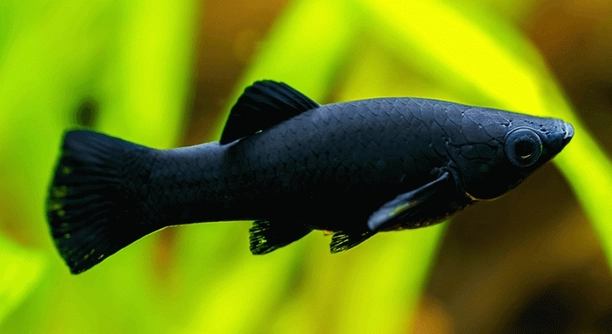
Bright lighting can create an uncomfortable setting for black mollies, causing subtle behavior changes that are easy to miss. As a woman who cares for fish, I appreciate how simple signs can guide tank conditions.
Excessive light intensity can overwhelm black mollies by disrupting their natural behavior patterns and increasing visible stress responses. Consistent hiding, rapid swimming, faded coloration and reduced appetite often indicate lighting that surpasses their tolerance, signaling the need for illumination adjustments.
These insights help you recognize when lighting becomes overwhelming, encouraging smoother care choices that keep your black mollies thriving comfortably.
Light Intensity and Stress Signals
Strong light can make black mollies feel exposed, and I often notice how quickly their behavior shifts when illumination is too harsh. They start lingering near darker areas, trying to avoid direct brightness. Their movements become tighter and less relaxed, and they may hesitate to swim freely. This reaction shows that the environment feels uncomfortable to them. When the light stays on for too many hours or beams directly into the tank without softening, their color may appear muted. These signs reflect ongoing stress that builds over time when lighting conditions remain unchanged. Adjusting brightness levels or reducing exposure helps them settle into a calmer state. Paying attention to these small shifts can guide you toward a more comfortable setup that supports their natural rhythm.
A shorter light cycle can ease these signs by giving your mollies enough darkness to restore their comfort and reduce unwanted tension.
Softening the light with floating plants or dimmer settings can create a smoother transition between bright and shaded spaces. Mollies respond well to gentle surroundings that protect their sense of safety. Keeping light intensity balanced helps them maintain their natural energy and color. A calm and steady environment supports healthier swimming patterns and keeps the tank atmosphere stable for the long term.
Color Changes Under Harsh Lighting
Bright lighting often washes out the natural tones of black mollies, making them look faded or dusty. This shift usually appears slowly, especially when the tank light remains too strong for extended periods. Their darker pigments struggle under intense brightness, so the fish try to adapt by reducing visible coloration. This can be stressful for them, even if the tank looks clean and controlled. Maintaining the right lighting can help them hold their rich, dark appearance and move more confidently in their space.
Keeping the tank lighting balanced supports their pigment stability and allows them to remain comfortable throughout the day.
Proper lighting plays a key role in keeping black mollies healthy and visually vibrant. Harsh brightness forces them to hide or shy away from open areas, interrupting normal behavior. With gentler illumination, they maintain stronger color definition and appear more relaxed during feeding and swimming. Observing their shade changes can help you determine whether your lighting setup needs small adjustments. A well balanced light level encourages a more natural appearance, steadier activity, and a calmer living space for your fish overall.
Behavioral Changes From Excessive Brightness
Bright light often makes black mollies move cautiously, and I notice how they begin avoiding open spaces when illumination feels too strong. Their swimming becomes less fluid, and they may tuck themselves into darker corners to escape the harsh glow.
A strong light source pushes black mollies into patterns that feel unnatural for them, especially when they spend most of their time hiding instead of exploring. Their bodies respond to overwhelming brightness by reducing their overall activity, slowing down their movements, and limiting how far they travel across the tank. Over time, this affects their comfort and energy levels. When the light remains too intense, they may even stay near the bottom, where the brightness feels weaker. Adjusting the light strength helps them regain their usual swimming behavior and return to a more relaxed rhythm.
Noticing these shifts early makes care smoother. When mollies consistently react this way, it signals a need for gentler lighting that supports their normal activity. Softer brightness also stabilizes their behavior, allowing them to move without hesitation. Creating a balanced lighting routine helps them feel safe and improves the overall atmosphere of the tank. A comfortable environment encourages natural patterns that keep them healthier and more at ease long term.
Hiding Habits That Suggest Discomfort
Hiding becomes more frequent when bright lighting overwhelms black mollies, and they usually gravitate toward plants or decorations that block direct light. Watching them cluster in shaded areas often shows that the tank setup needs a small adjustment to make their space feel safer and more balanced.
When hiding becomes a daily pattern, it often means the lighting is too intense for them to handle comfortably. Mollies thrive in settings where light is present but not overpowering, so constant hiding shows they are trying to protect themselves from stress. Softening the intensity by lowering the brightness, adding floating plants, or adjusting the angle of the light helps restore their confidence. Once the lighting becomes gentler, they begin exploring again, moving through the tank with a calmer, more natural pace. These changes create a more stable atmosphere that supports their well being and keeps their behavior steady.
Reduced Appetite Linked to Bright Conditions
Strong lighting often makes black mollies feel uneasy, and I notice how their feeding habits shift when the tank feels too exposed. They may eat slower or ignore food altogether, showing that the brightness is disrupting their comfort during meals.
Lowering the light intensity usually helps them return to normal eating patterns. Softer illumination creates a calmer environment that encourages them to approach food with more confidence. Once the brightness feels manageable, they regain their appetite and respond more naturally during feeding.
Restlessness Caused by Harsh Lighting
Excessive brightness can make black mollies swim rapidly around the tank, often without a clear direction. This restlessness shows they are trying to cope with uncomfortable conditions. When the lighting stays too strong, their movements become repetitive and tense, affecting their overall stability. Adjusting the light to a gentler level helps calm their activity, giving them space to settle into a steady rhythm that supports healthier behavior and reduces unnecessary stress.
Color Fading From Prolonged Exposure
Bright lights weaken the rich tones of black mollies, leaving them looking dull or washed out. Reducing intensity helps their color return and keeps them feeling more comfortable.
FAQ
How can I tell if my black molly is stressed from too much light?
Stress from excessive lighting often shows through behavior and appearance. Black mollies may hide frequently, swim restlessly, or stay near shaded areas. Their color can fade, and they might eat less. Observing these patterns consistently over several days usually signals that the light level is too high. Adjusting the tank lighting and creating shaded spots can help reduce stress and restore normal behavior.
What is the ideal light level for a black molly tank?
Black mollies do best under moderate lighting that mimics natural daylight without being too intense. A soft, diffused light or adjustable LED is ideal. Aim for a light cycle of around 8–10 hours daily, allowing periods of dimmer or shaded areas. This balance helps maintain their natural behavior, vibrant coloration, and feeding patterns while preventing stress caused by prolonged bright exposure.
Can bright lighting affect their health long term?
Yes, prolonged exposure to bright lighting can impact black mollies’ health over time. Chronic stress can weaken their immune system, making them more prone to illness. Faded coloration and abnormal swimming habits may persist if the light remains too strong. Providing shaded areas and monitoring behavior regularly helps prevent long-term negative effects.
How do I reduce tank brightness without removing the light completely?
You can soften tank lighting by using floating plants, placing decorations that create shade, or adjusting dimmer settings if your light allows. Positioning the tank away from direct sunlight also helps. Gradual adjustments are better than sudden changes, as mollies need time to adapt to new light conditions without additional stress.
Will changing the light schedule help mollies adapt?
Yes, adjusting the light schedule can help them adjust. Gradually shortening the hours of intense light or introducing a dimmer phase in the morning and evening encourages natural activity. A consistent routine helps them feel secure, reducing hiding, restlessness, and feeding issues caused by overly bright conditions.
Are certain tank decorations helpful for mollies under bright light?
Yes, decorations that provide shelter, like plants, caves, or driftwood, help mollies escape intense light and feel safe. These shaded areas allow them to explore at their own pace without stress. I often notice that mollies become more active and colorful once they have comfortable hiding spots in bright tanks.
How quickly can mollies recover after reducing light?
Recovery depends on the individual fish and the severity of stress. Behavior changes, like increased swimming and exploration, can appear within a few days. Color may take longer to return fully, often several weeks. Maintaining consistent lighting adjustments and monitoring their habits ensures steady improvement and comfort in their tank environment.
Is it okay to use a timer for the lighting?
Yes, timers are very helpful. They ensure a consistent light cycle, reducing stress caused by irregular exposure. A timer can gradually turn lights on and off, mimicking natural dawn and dusk, which keeps black mollies calm and supports normal behavior and appetite.
Can other fish in the tank affect how mollies react to bright light?
Yes, tankmates can influence behavior. Active or aggressive fish may increase stress when the tank is brightly lit, as mollies feel exposed. Providing hiding spots and adjusting light levels ensures all fish can find safe areas and reduces tension caused by both light and interactions.
What signs indicate the light level is now suitable?
Mollies appear more relaxed, swim freely, feed normally, and maintain rich coloration. They explore open areas instead of staying hidden. Steady, natural behavior combined with regular appetite and vibrant pigment shows the tank lighting is balanced and supports their comfort and health.
Bright lighting can have a bigger impact on black mollies than many fish keepers realize. When the tank is too bright, mollies often show subtle signs of discomfort that can go unnoticed at first. They may hide more, swim erratically, or reduce their feeding habits. Their colors can also appear dull or washed out when exposed to overly strong light for long periods. Observing these behaviors closely can give important clues about the tank’s environment. Adjusting light levels gradually, rather than making sudden changes, is often the best approach. Gentle lighting allows the fish to adapt naturally and regain their normal routines without unnecessary stress. Adding shaded areas, floating plants, or other decorations can help mollies feel secure while still keeping the tank visually appealing. Over time, these small adjustments create a calmer, healthier space for them to thrive.
Maintaining the right light balance is important not only for comfort but also for their overall health. Chronic exposure to intense light can weaken their immune system, making them more vulnerable to illness and affecting growth. Mollies that are stressed from bright conditions may show longer-term behavioral changes, such as constant hiding or lethargy, even if other aspects of the tank appear fine. By keeping the lighting moderate and consistent, their natural behavior and vibrant coloration are more likely to return. It is also helpful to track how mollies respond to changes in lighting over time. Observing their swimming patterns, feeding habits, and color intensity can provide valuable feedback to fine-tune tank conditions. A balanced approach reduces stress while ensuring the tank environment meets the natural needs of the fish. In my experience, paying attention to these small details makes a noticeable difference in how lively and comfortable the fish appear.
Creating a comfortable habitat for black mollies requires a combination of proper lighting, secure hiding spots, and careful observation. Even minor adjustments in brightness can lead to significant improvements in behavior and appearance. Mollies that feel safe under appropriate light are more active, feed regularly, and display their natural dark coloration. Using a timer for the light, introducing shaded areas, and gradually modifying the light intensity are simple steps that can prevent stress. Keeping track of how the fish respond ensures that the environment remains balanced and comfortable. The goal is to create a tank where black mollies can swim freely, explore safely, and maintain healthy routines without the constant pressure of excessive light. This approach supports their long-term wellbeing and enhances the overall enjoyment of keeping them.

Hello,
If you enjoy the content that we create, please consider saying a "Thank You!" by leaving a tip.
Every little bit helps us continue crafting quality advice that supports the health, happiness, and well-being of pets around the world, for pets of all shapes, sizes, and species.
We really appreciate the kindness and support that you show us!