
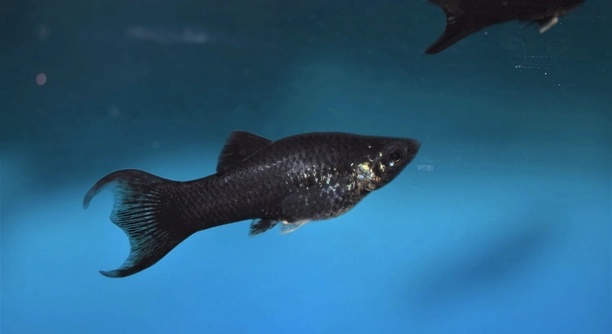
Are your black mollies acting a little different lately, making you feel something in their tank might be off even if it is hard to pinpoint the cause at first glance in your daily routine.
Changes in a black molly tank usually stem from shifts in water quality, environmental stability, or biological balance, creating conditions that disrupt normal behavior and health, signaling that timely adjustments are necessary to restore optimal comfort and overall aquatic wellness.
These subtle issues can unfold quietly, encouraging you to notice patterns that reveal when your aquarium needs gentle attention today.
Shifts in Water Clarity
Water clarity often reflects the overall state of your black molly tank, and noticing even a slight change can guide you toward what needs attention. When the water starts looking dull, hazy, or unusually tinted, it often means waste has started building up faster than your filter can handle. This can happen when feeding becomes inconsistent, when plants shed more than usual, or when the tank has gone a little too long without a regular cleaning. As the imbalance grows, your mollies may show subtle discomfort through slower movements or brief moments of hiding that you might catch during quiet hours. Addressing these signs early can help you prevent more noticeable stress later. By keeping track of how the water looks from day to day, you create a gentle routine that helps your aquarium stay stable. Over time, these small observations make caring for your mollies feel natural and reassuring.
Clear water supports steady behavior, easier feeding, and healthier breathing for your mollies, making it important to respond when any shift appears. Small adjustments made early help prevent bigger issues, keeping the tank comfortable while reducing sudden changes that might unsettle the peaceful rhythm your fish rely on each day.
Noticing changes in water clarity can also help you see patterns in how fast your tank responds to routine care. When you understand how quickly debris accumulates, you can plan simple habits that reduce stress for both you and your mollies. These habits make each cleaning session feel less demanding while keeping the environment stable. When clarity stays consistent, your mollies tend to explore more freely, showing their natural colors and gentle movements. Staying aware of these details helps you maintain a reliable balance that supports long term comfort and smoother upkeep, giving you quiet confidence in your daily care.
Algae Growth and Lighting Issues
Algae growth can signal that lighting, nutrients, or maintenance patterns have shifted enough to disturb balance in your black molly tank. When algae spreads quickly, it often suggests that your aquarium needs immediate attention to restore conditions that keep your fish comfortable and your plants stable throughout the week today.
Algae tends to flourish when excess nutrients linger in the water, and even small shifts can create an environment where growth becomes persistent. When you notice green or brown patches forming on the glass, decorations, or plant leaves, it often means your tank is receiving more light or nutrients than your current routine can manage. Adjusting feeding amounts, cleaning schedules, or lighting duration can slow the spread and return the aquarium to a calmer state. Black mollies can become uneasy when algae becomes dense because it changes how light moves through the water and can reduce the space they prefer for gentle swimming. By observing where algae forms first, you can identify which areas may need better water flow or more frequent upkeep. This awareness helps you respond before the growth becomes overwhelming. Over time, keeping algae under control supports a clearer tank, steadier behavior, and a cleaner environment that feels peaceful to watch. With consistent care, these adjustments become simple habits that naturally guide you toward maintaining a stable routine that fits comfortably into your day. Each small change strengthens the overall balance your mollies depend on for steady wellbeing and helps you keep their tank healthy every week.
Changes in Fish Behavior
Unusual behavior from your black mollies often signals the tank needs attention. When they start hovering near the surface or hiding more than usual, it usually means the environment has shifted in a way that affects their comfort and daily rhythm.
When your mollies move less, eat slowly, or stay in corners longer than they normally would, it often reflects subtle stress in the water. Issues like rising ammonia, dropping oxygen, or shifting temperatures can influence these behaviors, sometimes before any visual signs appear in the tank. Paying attention to these small changes helps you respond early, keeping your fish from becoming overwhelmed. Adjusting your routine, checking equipment, and refreshing the water when needed can help restore a calmer atmosphere. These small steps often bring your mollies back to their usual gentle activity, making the tank feel more stable again.
You might also notice your mollies interacting differently with each other. When they begin chasing more, separating themselves, or swimming with unusual speed, it often reflects discomfort caused by a slow shift in water balance or cleanliness. Watching these patterns can guide you toward what needs adjusting so you can maintain a space that feels steady for them. Over time, this awareness helps you create a smoother routine and a healthier environment.
Shifts in Filter Performance
When the filter slows down, makes new sounds, or releases weaker bubbles than usual, it often signals the tank is not being supported the way it should be. These changes tend to affect water clarity and overall comfort, so it helps to act quickly when you notice them.
A filter that struggles to keep up usually means debris has built up inside or the water flow has become restricted. When waste collects faster than it can be processed, the tank becomes more vulnerable to cloudy water, rising ammonia, and shifting oxygen levels. Cleaning the filter gently, checking the intake, and replacing old media when needed can bring flow back to normal. Staying aware of how the filter behaves helps you catch issues before they affect your mollies, giving them a cleaner and more balanced space to swim. Over time, these small checks make your tank easier to maintain and help keep your mollies comfortable throughout the week.
Fluctuating Water Parameters
Shifts in water parameters often happen slowly, but your mollies feel them quickly. When pH, ammonia, or nitrate levels move outside their comfort range, the tank becomes stressful, even if everything still looks normal on the surface.
These fluctuations can come from overfeeding, irregular water changes, or worn out filter media. Keeping simple habits helps prevent these swings and protects your mollies from discomfort that builds quietly.
Changes in Tank Temperature
Temperature shifts can affect your mollies faster than you might expect. When the water becomes too warm or cool, their activity, appetite, and breathing patterns change, sometimes within hours. A stable heater and routine checks help keep the temperature steady and prevent sudden stress. If you notice repeated fluctuations, the equipment might need adjusting or replacing. Keeping the temperature consistent makes your mollies more relaxed, supports healthy behavior, and reduces the chance of sudden problems that can unfold when the tank environment becomes unpredictable over time.
Reduced Plant Health
When plants fade, weaken, or stop growing, it often means light, nutrients, or water conditions have declined enough to affect the entire tank. Noticing these signs early helps you keep the environment balanced and supportive for both your plants and your mollies.
FAQ
How often should I check my black molly tank for early signs of trouble?
Checking your tank a little each day helps you notice small changes before they grow into bigger problems. A quick look at the water clarity, fish behavior, and equipment performance can guide you toward what needs adjusting. By paying attention to these details regularly, you create a smooth routine that supports your mollies without adding extra stress to your schedule. Weekly deeper checks of parameters and equipment help keep everything steady. Over time, this simple habit makes the tank feel easier to manage and keeps your mollies comfortable.
What changes in behavior should I watch for first?
The earliest signs often show through slower swimming, unusual hiding, or reduced interest in food. These small shifts can tell you a lot about what might be changing inside the tank. When your mollies start behaving differently from their usual gentle pace, it often reflects a water issue, equipment problem, or rising stress in the environment. Paying attention to where and how they move during the day can guide you toward what needs care.
How can I tell if my filter needs cleaning or replacing?
A filter that begins slowing down, making new sounds, or giving weaker flow usually needs attention. When debris builds up, it cannot support the tank as well as it should. Cleaning the intake, rinsing the media gently, and checking for worn parts help restore proper flow. If the filter struggles even after cleaning, replacing the media or the entire unit may be necessary to keep the tank balanced.
Why does water clarity change even when I clean the tank regularly?
Water clarity can shift for many reasons, including feeding habits, plant decay, rising waste, or changes in filter strength. Even with regular care, small imbalances can make the water look slightly dull or hazy. Keeping feeding light, trimming plants when needed, and checking your filter helps prevent these issues. Tracking when the water changes can help you find a pattern, making it easier to maintain a steady routine.
What should I do if algae starts growing too fast?
When algae spreads quickly, it often means the tank is getting too much light or extra nutrients are building up. Adjusting how long the lights stay on, reducing excess feeding, and cleaning surfaces gently can help bring the tank back into balance. Watching where algae appears first makes it easier to know which areas need extra care. Consistent maintenance prevents it from taking over and keeps the tank more comfortable for your mollies.
How important is temperature stability for black mollies?
Temperature stability makes a big difference in how your mollies behave and feel. Sudden changes can cause stress, fast breathing, or sluggish movement. A reliable heater and a simple daily glance at the thermometer help keep things stable. When the temperature stays within a comfortable range, your mollies tend to explore more calmly and show brighter colors.
Why do plants decline even when the fish seem fine?
Plants react to shifts in lighting, nutrients, and water balance before fish show signs of stress. When plants fade or stop growing, it often hints that something in the tank needs adjusting. Making small changes to lighting cycles, adding nutrients if needed, or improving water flow can help bring the plants back to health and support the balance your mollies rely on.
How can I keep my maintenance routine simple but effective?
Focusing on small, steady habits helps more than big, irregular cleanings. Light feeding, weekly water changes, and brief equipment checks keep your tank stable without overwhelming you. A consistent routine supports the long term health of your mollies and keeps the environment predictable and calm.
Final Thoughts
Caring for a black molly tank becomes easier when you pay attention to the quiet signs that appear over time. Small changes in clarity, behavior, or equipment often show up before anything becomes serious, and noticing them early helps you make simple adjustments that keep the environment stable. Each shift you notice gives you a chance to protect your mollies from stress that can build slowly. By staying aware of these details, you create a gentle rhythm of care that fits naturally into your day. As someone who has spent many calm moments watching fish move through their space, I know how reassuring it feels when the tank stays steady and the water remains clear. These small habits help you keep the tank healthy without adding pressure. They remind you that good care does not need to be complicated. It only needs to be consistent, thoughtful, and done with attention to the little things that make a difference.
When you understand how each part of the tank responds to everyday changes, you become more confident in your ability to keep everything balanced. A tank with healthy plants, steady water flow, and peaceful mollies tends to reflect the care you put into it over time. Filter performance, lighting choices, feeding habits, and temperature all play meaningful roles in shaping your aquarium. When one part shifts, the rest of the tank eventually reacts. Seeing these connections makes it easier to know what needs adjusting and when a small change can make a gentle improvement. It also helps you recognize what feels normal for your tank and what feels slightly off. This understanding grows naturally as you spend time observing your mollies each day. You begin to notice their movements, their preferred resting spots, and how they respond to changes around them. Over time, your awareness becomes a guiding part of your routine, allowing you to respond calmly and smoothly whenever something needs attention.
Building a comfortable environment for your black mollies is a gradual process, shaped by simple habits that become second nature. When you keep things consistent, your fish benefit from a space that feels steady and predictable, which supports their long term comfort. Even small steps, like cleaning the filter, watching the temperature, or keeping the lighting schedule steady, can make your tank feel more peaceful and easier to manage. These moments of care add up, helping your mollies stay active, healthy, and relaxed. A supportive tank becomes a place you can enjoy, offering quiet moments throughout the day as the fish move gently through the water. In the end, keeping your aquarium balanced brings both stability for your mollies and a calm sense of assurance for you.

Hello,
If you enjoy the content that we create, please consider saying a "Thank You!" by leaving a tip.
Every little bit helps us continue crafting quality advice that supports the health, happiness, and well-being of pets around the world, for pets of all shapes, sizes, and species.
We really appreciate the kindness and support that you show us!