
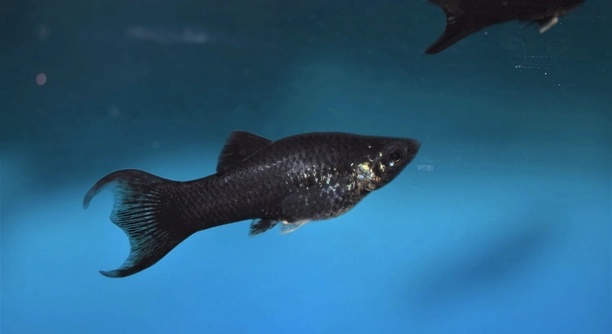
Is your black molly constantly darting around the tank, leaving you unsure of what might be wrong? Many fish owners notice this sudden, erratic swimming behavior and wonder whether it signals stress, illness, or normal activity.
The primary reason a black molly may dart frequently is due to stress, environmental changes, or water quality issues. Factors such as inadequate tank size, poor filtration, sudden temperature shifts, or incompatible tank mates often trigger this behavior.
Understanding these triggers can help maintain a calmer environment and ensure your molly thrives in its habitat without constant anxiety.
Common Causes of Darting Behavior
Black mollies often dart due to stress or sudden changes in their environment. Water temperature fluctuations, poor water quality, and strong currents can make them nervous. Even minor disturbances, like loud noises or shadows outside the tank, can trigger rapid swimming. Tank size also plays a role; overcrowded spaces limit their movement and increase tension. Observing interactions with other fish is essential. Aggressive or territorial tank mates may force a molly to dart repeatedly. Additionally, sudden introduction of new fish or decorations can cause temporary anxiety. Nutritional deficiencies sometimes contribute, especially if their diet lacks essential vitamins or minerals. Frequent darting can be an early sign of illness or parasites, which makes regular monitoring critical. Maintaining stable water parameters and a balanced diet can prevent stress-induced behavior. Over time, these adjustments create a calmer tank environment where black mollies can swim naturally and comfortably.
Stress from environmental changes is the most frequent reason for darting in black mollies.
Monitoring water conditions, tank setup, and social interactions helps reduce anxiety and promote healthy behavior. Regular observation allows early detection of potential issues and ensures mollies remain active without constant erratic movement. Consistency in feeding schedules, tank cleaning, and compatible companions makes a significant difference.
Water Quality and Its Impact
Water quality directly affects a black molly’s health and behavior. Poor filtration, high ammonia, nitrite, or nitrate levels can make them restless and stressed. Mollies are sensitive to pH changes, and even small shifts can trigger sudden darting. Maintaining a stable temperature between 24°C and 28°C supports their natural activity levels. Regular partial water changes, proper aeration, and cleaning of substrates prevent the buildup of harmful substances. Testing water weekly helps catch imbalances early. Incompatible tank decorations or sharp objects can injure the fish, adding stress and encouraging frantic swimming. Using a reliable water conditioner and monitoring chlorine or heavy metals also supports their wellbeing. When water conditions are optimal, mollies show calmer, smoother swimming patterns. Their darting episodes become less frequent, and they display normal feeding and social behaviors. A well-maintained environment encourages health, longevity, and natural activity for black mollies.
Proper water maintenance ensures black mollies remain calm and reduces erratic swimming patterns.
By consistently checking water parameters, performing regular cleaning, and monitoring fish interactions, you can prevent most darting behavior. Mollies respond well to stable environments with minimal fluctuations. Small improvements, like adjusting flow strength or adding hiding spaces, make a noticeable difference. A predictable routine in feeding, lighting, and tank upkeep fosters comfort. Keeping a simple schedule for observation allows early identification of stress signs or illness. Implementing gentle filtration and adequate aeration ensures oxygen levels remain consistent. Over time, these practices create a balanced tank where black mollies feel secure. Calm fish are easier to monitor for health issues and can interact naturally with tank mates. Understanding the link between water quality and behavior is essential for long-term care. Consistent attention to the environment not only minimizes darting but also supports overall vitality, growth, and vibrant coloration in black mollies.
Tank Mates and Social Dynamics
Black mollies react strongly to their tank companions. Aggressive or overly active fish can trigger darting as they try to escape or assert themselves. Peaceful, compatible species reduce stress and encourage calm swimming. Overcrowding increases tension, making darting more frequent and prolonged.
Introducing compatible fish slowly helps black mollies adjust. Observing interactions is key, as some seemingly peaceful species may still provoke stress. Mollies feel secure when they have sufficient hiding spots and space to swim freely. Rearranging tank decorations too often can also unsettle them. A stable social environment encourages natural swimming behavior and reduces stress-induced darting.
Even within compatible groups, dominance behavior can cause occasional darting. Providing visual barriers and adequate space minimizes confrontation. Feeding strategies, like distributing food across the tank, prevent competition. When black mollies feel safe and unthreatened, their activity levels stabilize, and darting becomes minimal. Consistency in tank mates and environment fosters confident, relaxed fish that display normal swimming patterns and social interaction.
Diet and Nutritional Influence
A balanced diet is essential for black mollies’ health and behavior. Poor nutrition can lead to restlessness and excessive darting. High-quality flakes, frozen or live foods, and occasional vegetable supplements ensure they get necessary nutrients. Inconsistent feeding schedules can also cause stress.
Diet directly impacts energy levels and activity. Overfeeding may lead to lethargy, while underfeeding can make mollies frantic in search of food. Ensuring a mix of protein, fiber, and vitamins keeps them healthy and supports calm swimming. Occasional treats like brine shrimp or daphnia add enrichment and stimulate natural hunting behaviors. Feeding at the same times daily helps establish routine and reduces anxiety.
Nutritional deficiencies can also weaken the immune system, making mollies more prone to disease. Proper feeding practices enhance coloration, growth, and overall vitality. Observing how they respond to diet adjustments helps identify preferences and potential issues. A consistent, nutrient-rich diet reduces stress, promotes natural swimming patterns, and supports harmonious interactions with tank mates. Adjusting portion sizes, rotating food types, and including fiber sources like blanched vegetables maintain digestive health. Combining these practices ensures black mollies remain active, healthy, and less prone to erratic darting caused by hunger or dietary imbalance.
Stress from Environmental Changes
Black mollies are sensitive to sudden changes in their surroundings. Rearranging tank decorations or changing lighting too quickly can trigger darting. Maintaining a stable environment helps them feel secure.
Even minor disturbances, like loud noises or shadows outside the tank, can startle mollies. Consistency in routine, including feeding and cleaning schedules, reduces stress and encourages calmer swimming patterns.
Temperature Fluctuations
Rapid shifts in water temperature affect black mollies’ behavior. Water that is too warm or too cold can make them restless and prone to darting. Maintaining a steady temperature between 24°C and 28°C ensures comfort and normal activity levels. Proper use of heaters and thermometers prevents sudden fluctuations.
Signs of Illness
Frequent darting may indicate underlying health issues. Observing changes in appetite, coloration, or fins helps identify potential problems early. Prompt attention can prevent further complications.
FAQ
Why is my black molly darting suddenly?
Sudden darting usually indicates stress or environmental changes. Factors like loud noises, sudden tank movements, or shadows can startle them. Water quality issues, such as high ammonia, nitrite, or nitrate levels, also contribute. Monitoring water parameters and keeping a stable, calm environment reduces sudden darting.
Can tank mates cause darting behavior?
Yes, aggressive or overly active fish can make black mollies feel threatened. Overcrowding increases tension and stress. Introducing compatible species slowly and providing hiding spaces helps mollies adjust. Observing interactions ensures that no fish consistently harasses others, creating a calmer tank dynamic.
Does water temperature affect their swimming?
Temperature fluctuations directly impact behavior. Black mollies thrive between 24°C and 28°C. Water that is too cold slows them down, while water that is too warm increases restlessness. Using a reliable heater and thermometer helps maintain stability and prevents stress-induced darting.
How does diet influence darting?
Poor nutrition can increase activity due to restlessness or searching for food. Inconsistent feeding schedules add stress. A balanced diet of high-quality flakes, frozen or live foods, and occasional vegetable supplements ensures proper energy levels. Regular feeding routines reduce anxiety and promote calm swimming.
Could illness cause erratic swimming?
Yes, frequent darting can be an early sign of disease or parasites. Watch for other symptoms like faded colors, clamped fins, or loss of appetite. Prompt attention and proper treatment help prevent worsening health and improve behavior. Quarantining new or sick fish also protects the rest of the tank.
Do decorations affect darting?
Rearranging decorations or adding new items suddenly can stress mollies. Sharp or unsafe objects may cause injury and increase frantic swimming. Providing hiding spots and maintaining a stable layout helps mollies feel secure and encourages natural, calm movement.
Is overcrowding a problem?
Overcrowding increases stress and competition for food, space, and hiding spots. More fish than the tank can handle leads to frequent darting. Ensuring adequate space and reducing tank density improves comfort, encourages normal swimming, and minimizes conflict.
How long does it take for mollies to calm down?
Adjustment depends on the source of stress. Mollies typically calm within a few days to weeks once water quality, tank mates, and environment are stabilized. Patience and consistency in feeding, cleaning, and monitoring interactions help mollies regain normal behavior.
Are all darting behaviors cause for concern?
Not always. Occasional bursts of speed are normal and may reflect excitement or curiosity. Persistent or sudden darting accompanied by other stress indicators, however, requires attention. Observing the context and frequency helps determine whether intervention is needed.
What immediate steps can reduce darting?
Check water quality, temperature, and tank mates first. Provide hiding spots, maintain routine feeding, and avoid sudden environmental changes. Quarantine new fish if necessary. Consistency and careful observation are the most effective ways to reduce erratic swimming and ensure mollies feel secure.
Can lighting influence darting?
Sudden changes in lighting can startle mollies. Bright or flickering lights may trigger frantic swimming. Using gradual light transitions or dimmers and maintaining a consistent day-night cycle helps mollies adjust and reduces stress-related darting.
Does water flow matter?
Strong currents or overly powerful filters can force mollies to dart to maintain position. Adjusting filter flow and providing areas of calmer water allows mollies to swim naturally without unnecessary stress or frantic movement.
How often should I check my tank?
Regular monitoring is essential. Weekly water tests, observation of fish behavior, and inspection of equipment ensure early detection of stressors. Keeping track of feeding, cleaning schedules, and interactions helps maintain a stable environment, reducing darting incidents over time.
Can stress be completely eliminated?
Stress cannot be entirely removed, but it can be minimized. Stable water parameters, compatible tank mates, proper diet, and consistent routines create an environment where black mollies feel secure and exhibit natural behavior more consistently. Reducing triggers prevents most frequent darting episodes.
How do I know if darting is normal play or stress?
Occasional bursts of speed during feeding or exploration are normal. Persistent darting, hiding, or frantic swimming combined with changes in appetite or appearance indicates stress or health issues. Observing patterns over several days provides clarity on the cause.
Are there long-term effects of constant darting?
Continuous stress from darting can weaken the immune system, reduce appetite, and impact growth. Addressing environmental, social, and dietary factors early prevents long-term health issues and ensures mollies remain active, healthy, and display natural behavior.
Final Thoughts
Black mollies are sensitive fish that respond quickly to changes in their environment. Darting behavior is one of the most common signs of stress or discomfort. It can be caused by a variety of factors, including water quality, tank mates, diet, or sudden environmental changes. Paying attention to these details is essential to ensure their health and well-being. Monitoring water parameters like temperature, pH, ammonia, nitrite, and nitrate levels helps prevent stress caused by poor water conditions. Consistent cleaning and regular partial water changes reduce harmful buildups, allowing mollies to swim calmly and maintain normal behavior patterns.
Social interactions within the tank play an important role in a black molly’s comfort. Aggressive or incompatible tank mates increase tension and force mollies to dart more frequently. Providing hiding spots, visual barriers, and adequate swimming space helps mollies feel secure. Observing how fish interact daily allows early identification of stress points or potential aggression. When introducing new fish, it is important to do so gradually and ensure compatibility. Overcrowding should be avoided, as it intensifies stress and increases competition for resources. A stable and peaceful tank environment encourages natural, calm swimming while reducing erratic movements.
Diet and nutrition are equally important in preventing darting behavior. A balanced diet with a mix of high-quality flakes, frozen or live foods, and occasional vegetable supplements supports energy levels and overall health. Inconsistent feeding schedules or poor nutrition can lead to restlessness, contributing to frantic swimming. Maintaining routine feeding times allows mollies to develop a predictable pattern, reducing anxiety and improving their behavior. Occasional treats and enrichment, such as brine shrimp or daphnia, provide stimulation without causing stress. Combining proper nutrition, stable water conditions, and compatible social environments ensures black mollies remain healthy, active, and less prone to excessive darting. With careful attention and consistency, these fish can thrive, displaying natural swimming patterns, bright coloration, and overall vitality that reflect their well-being.

Hello,
If you enjoy the content that we create, please consider saying a "Thank You!" by leaving a tip.
Every little bit helps us continue crafting quality advice that supports the health, happiness, and well-being of pets around the world, for pets of all shapes, sizes, and species.
We really appreciate the kindness and support that you show us!