
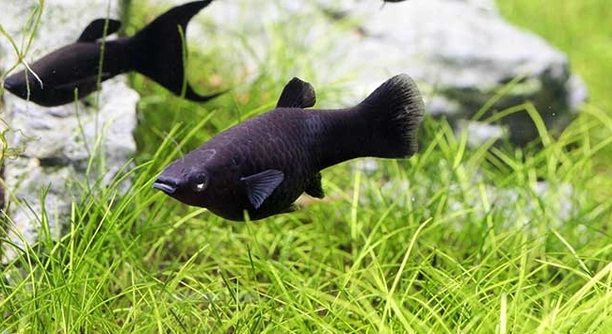
Are your Black Molly swimming habits influenced by the flow of water in their tank? Many aquarists notice subtle changes in their behavior when currents shift. Observing these patterns can help create a comfortable environment for your fish.
Black Molly are moderately sensitive to water flow. They generally prefer gentle currents that allow natural swimming patterns without causing stress. Strong or turbulent water can hinder feeding, increase energy expenditure, and negatively affect overall health.
Understanding their flow preferences can help maintain a calm, balanced aquarium and promote healthier, more active fish. Proper water management is essential for their wellbeing.
Understanding Water Flow in Black Molly Tanks
Water flow plays a crucial role in the daily life of Black Molly fish. These fish are naturally adapted to moderate currents in rivers and streams, so they thrive in tanks that mimic this environment. A tank with too little flow can lead to stagnant areas, which may encourage algae growth and reduce oxygen levels. On the other hand, excessively strong currents can stress the fish, making them swim constantly and tire quickly. Observing how your Mollies respond to different flow rates is important. Some will explore and swim actively in gentle currents, while others may hide or cling to plants if the flow is too strong. Providing areas of calm water alongside gentle currents helps create balance, allowing the fish to choose their preferred swimming conditions. Filters and powerheads can be adjusted to maintain this balance, ensuring a healthier and more natural environment for Black Mollies.
Adjusting flow gradually allows the fish to adapt without sudden stress or behavioral changes.
Balancing water flow also supports overall tank health. It helps circulate nutrients, distribute heat evenly, and prevent debris accumulation. Black Mollies can interact more naturally with their environment, swimming freely or resting in calmer zones. Observing their reactions provides insight into their comfort, allowing aquarists to fine-tune equipment settings. Combining proper flow with plants and hiding spots creates a stable habitat, supporting both physical and mental wellbeing of the fish. Regular monitoring ensures that changes in flow do not negatively impact the tank ecosystem.
Signs of Stress from Improper Flow
Black Mollies will display clear signs if water flow is unsuitable. They may hide excessively, struggle to swim, or show unusual fatigue, which signals a need for adjustment.
Stress from strong or uneven currents can lead to decreased appetite, weakened immunity, and vulnerability to disease. Fish under constant strain expend extra energy, affecting growth and reproduction. Behavioral changes, like staying in corners or repeatedly swimming against the current, indicate discomfort. Providing plants, decorations, or low-flow zones allows the fish to rest and conserve energy. Tank placement of filters and aerators can be altered to reduce turbulence while maintaining circulation. Observing these behaviors helps aquarists identify issues early, ensuring timely intervention. Consistent monitoring and small adjustments can prevent long-term health problems, promoting a stable and thriving environment. Properly managed water flow ensures that Black Mollies remain active, feed efficiently, and maintain their natural behaviors, contributing to a healthier and more balanced aquarium.
Adjusting Flow with Tank Equipment
Using filters and pumps allows precise control over water flow. Positioning equipment correctly can create gentle currents while avoiding strong turbulence that stresses Black Mollies. Small adjustments can significantly improve fish comfort and tank balance.
Filters with adjustable output make it easier to tailor the flow to the fish’s needs. Powerheads can be directed toward tank walls or plants to diffuse strong currents, creating calmer areas for resting. Observing how the fish respond to these changes ensures that the flow supports natural swimming behavior. Combining equipment settings with strategic plant placement and decorations helps maintain a balanced environment. Regularly cleaning and maintaining equipment also prevents clogging or uneven flow, keeping conditions consistent for the fish.
Adjustments should be gradual to avoid sudden changes. Black Mollies adapt better when flow changes are small, preventing stress and promoting stable behavior. Careful observation is key to achieving optimal tank conditions.
Creating Calm Zones
Adding plants and decorations helps form calm zones where water movement is minimal. These areas give Black Mollies a place to rest and explore at their own pace.
Calm zones are essential in tanks with moderate to strong currents. Plants, rocks, and ornaments can break the flow, allowing fish to swim freely without constant resistance. Mollies often use these spaces to hide, feed, or interact socially, reducing stress and energy expenditure. Proper placement of these features ensures that fish can move between active and calm areas naturally. Additionally, plants improve water quality by absorbing nutrients and providing shelter, enhancing overall tank health. Maintaining a mix of flowing and calm zones supports natural behavior, keeps fish active, and creates a visually appealing aquarium.
Observing Fish Behavior
Black Mollies often show their comfort level through swimming patterns. Calm swimming and exploring indicate suitable water flow.
Erratic movements, staying at the bottom, or hiding suggest the flow may be too strong. Observing these behaviors helps adjust tank conditions.
Using Flow to Encourage Exercise
Moderate currents can help Black Mollies exercise naturally. Swimming against gentle flow strengthens muscles and supports overall health. Properly balanced currents prevent lethargy and encourage active, natural behavior, improving feeding efficiency and stamina in the aquarium environment.
Monitoring Water Changes
Regular water changes help maintain consistent flow and water quality. They prevent buildup that can disrupt currents and stress fish.
FAQ
Are Black Mollies okay in strong currents?
Black Mollies can tolerate some current, but strong or turbulent flow causes stress. They may struggle to swim, hide more often, or expend excessive energy. Keeping currents gentle to moderate is best, allowing the fish to move naturally without overexertion. Adjusting filter output and creating calm areas can help balance flow.
How do I know if the flow is too strong?
Signs of strong flow include erratic swimming, constant resistance against currents, staying near the bottom, or hiding behind plants and decorations. Observing fish behavior is the most reliable way to assess whether the current is appropriate. Gradual adjustments to equipment help avoid stress.
Can I use plants to control flow?
Yes, live or artificial plants can break up currents and form calmer areas. Positioning taller plants near powerheads or in open water helps diffuse strong water movement. Plants also provide hiding spots, reduce stress, and allow Mollies to rest comfortably between swimming sessions.
Do Black Mollies need exercise from water flow?
Moderate currents encourage natural swimming and muscle development. Gentle flow keeps fish active and engaged, helping maintain health. Currents should not be overwhelming. Combining areas of moderate flow with calm zones gives fish the freedom to choose how much exercise they get.
How often should I adjust flow?
Flow adjustments should be gradual. Frequent or sudden changes can stress the fish. Small tweaks every few days, based on observation of swimming patterns, are better than large, immediate shifts. Maintaining consistency helps Black Mollies adapt and thrive.
What equipment works best for controlling flow?
Filters with adjustable output and directional flow control are ideal. Powerheads can be aimed toward walls or plants to diffuse current. Combining equipment with tank decorations ensures balanced movement, creating areas of calm and moderate flow for optimal comfort.
Do Black Mollies prefer slow or fast water?
They prefer gentle to moderate water movement. Slow areas allow rest and exploration, while moderate currents encourage swimming and exercise. Extremely fast currents are stressful and reduce feeding efficiency. Observing behavior helps determine the ideal flow for each individual fish.
Can improper flow cause health issues?
Yes, constant stress from strong currents can weaken immunity, reduce appetite, and increase susceptibility to disease. Ensuring balanced water flow is crucial to maintaining overall health, energy levels, and natural behavior patterns in Black Mollies.
Are some Black Mollies more sensitive than others?
Individual fish may vary in sensitivity. Younger or weaker fish may struggle more in currents, while adults with strong swimming ability can tolerate moderate flow. Watching how each fish reacts allows for fine-tuning tank conditions to suit the entire group.
How do I combine flow and tank decorations effectively?
Use plants, rocks, and ornaments strategically to break currents and form calm zones. Position decorations near strong flow areas to diffuse water, giving fish spaces to rest and move naturally. Combining flowing and still areas promotes healthy, stress-free behavior for Black Mollies.
Does water temperature affect flow sensitivity?
Yes, higher temperatures can increase metabolism and swimming activity, making strong currents more tiring. Cooler, stable temperatures combined with gentle flow create comfortable conditions, allowing Black Mollies to swim and rest without undue stress.
How long does it take for Mollies to adapt to new flow conditions?
Adaptation depends on the individual fish and the extent of changes. Gradual flow adjustments over several days or a week allow Mollies to acclimate. Observing behavior during this period ensures that stress is minimized and comfort is maintained.
Can flow influence social behavior?
Yes, overly strong currents can reduce interaction, as fish may hide or focus on resisting flow. Balanced currents encourage normal schooling, exploring, and feeding behavior, allowing Mollies to interact naturally in the aquarium.
Is it necessary to measure flow speed?
Measuring flow is optional but helpful for consistency. Observing behavior is usually sufficient. Gentle adjustments combined with visual monitoring ensure the tank remains suitable without the need for precise measurement tools.
What is the safest way to increase flow gradually?
Increase filter or pump output in small increments, spacing changes over several days. Monitor swimming and stress indicators after each adjustment. Ensure calm zones remain available to allow Mollies to choose how much flow they encounter.
Can tank size affect how Mollies respond to flow?
Yes, smaller tanks with strong currents may feel more turbulent, while larger tanks provide space to distribute flow and create natural swimming paths. Consider tank dimensions when setting equipment and flow levels to suit Black Mollies comfortably.
How do I maintain consistent flow long-term?
Regular maintenance of filters and pumps prevents clogging or uneven water movement. Check equipment monthly, clean or replace components as needed, and monitor fish behavior. Stable flow over time supports long-term health and natural swimming patterns for Black Mollies.
Does water clarity affect flow perception for Mollies?
Yes, murky water can make currents feel stronger, and obstacles may disrupt swimming. Keeping water clean ensures predictable flow patterns, reducing stress and allowing fish to move confidently through the tank.
Can multiple fish change flow requirements?
Yes, more fish increase water movement and interaction, affecting perceived flow. Observing group behavior helps adjust equipment to create balanced currents, ensuring all fish remain comfortable and active.
Is it safe to combine strong and calm areas in one tank?
Yes, mixing zones allows fish to choose where to swim or rest. Strong areas provide exercise, while calm zones offer recovery and stress relief. This balance mimics natural habitats and supports overall wellbeing of Black Mollies.
How do I know when flow is perfect?
Perfect flow is when Black Mollies swim actively without stress, explore the tank, feed normally, and use calm zones freely. Observing consistent healthy behavior is the best indicator of optimal water movement.
Can over-filtering harm Black Mollies?
Yes, overly powerful filters can create currents beyond their comfort level. Adjusting output and adding flow breakers like plants or decorations prevents stress and supports natural behavior in the tank.
How does flow interact with oxygen levels?
Moderate flow improves oxygen distribution, while stagnant areas reduce oxygen. Strong currents alone don’t compensate for poor aeration. Combining proper equipment placement and gentle currents ensures adequate oxygen for all fish.
Are Mollies more sensitive during breeding?
Yes, breeding fish are often less tolerant of strong currents. Calm zones allow them to focus on reproduction and protect fry, while moderate flow keeps the tank healthy without stressing adults.
Can adjusting flow reduce aggression?
Yes, providing both calm and flowing areas reduces competition for space. Fish can retreat from dominant individuals, lowering stress and aggressive interactions, resulting in a more peaceful aquarium.
Do Black Mollies react immediately to flow changes?
Behavioral reactions are often immediate. Fish may swim differently, hide, or adjust their resting spots. Watching these changes helps determine whether the new flow is suitable or requires further adjustment.
How important is tank layout in managing flow?
Tank layout is very important. Plants, rocks, and ornaments guide water movement, creating a mix of flowing and calm zones. Proper layout ensures fish can move naturally, rest comfortably, and maintain health without undue stress.
Can flow affect feeding habits?
Yes, strong currents can make feeding difficult. Fish may struggle to reach food or expend too much energy. Calm zones near feeding areas ensure Black Mollies can eat efficiently and maintain proper nutrition.
Is it better to underflow than overflow?
Yes, slightly weaker flow is safer than overly strong currents. Fish tolerate gentle conditions better, and calm zones can provide exercise when needed, creating a balanced environment for all tank inhabitants.
How often should I observe behavior for flow adjustments?
Daily or every few days is ideal. Continuous monitoring helps detect stress early and ensures adjustments are made before negative effects develop. Observation is more effective than relying solely on equipment settings.
Can combining species affect flow preferences?
Yes, tank mates may have different flow tolerances. Designing mixed-current zones allows all species to coexist comfortably, letting each fish choose suitable areas for swimming, resting, and feeding.
Do water changes affect flow temporarily?
Yes, replacing water can alter currents slightly. Gradual refills and equipment placement help maintain consistent flow during and after changes, minimizing stress on Black Mollies.
How long should calm zones be in the tank?
Calm zones should be large enough for fish to rest comfortably and escape strong currents. Multiple zones spread throughout the tank ensure accessibility and reduce stress, supporting overall wellbeing.
Is it necessary to adjust flow seasonally?
Adjustments are rarely needed seasonally unless equipment or tank conditions change. Stable, balanced flow year-round keeps Black Mollies comfortable and minimizes stress.
How do I combine flow, temperature, and lighting?
Balanced flow works best with stable temperature and lighting. Strong currents combined with high temperatures or harsh lighting can increase stress. Ensuring all conditions are suitable creates a healthy and natural environment for Black Mollies.
What are the most common mistakes with flow management?
Common mistakes include too strong currents, lack of calm zones, sudden adjustments, and ignoring fish behavior. Observing Mollies, gradual changes, and equipment fine-tuning prevent these issues, ensuring a comfortable tank environment.
Can flow affect breeding success?
Yes, calm water encourages mating behavior and protects fry. Strong currents may stress adults and disperse eggs or fry, reducing reproductive success. Creating gentle zones supports breeding activity effectively.
Do Mollies need current in every part of the tank?
No, a mix of flowing and calm areas is ideal. Fish can exercise in moderate currents and rest in still zones. This combination supports health, natural behavior, and energy balance.
Can improper flow cause long-term behavior changes?
Yes, constant stress from inappropriate currents may lead to reduced activity, hiding, or aggression. Adjusting flow and providing suitable environments helps restore normal behavior over time.
How do I test if a new setup has suitable flow?
Observe fish closely after initial setup. Watch swimming patterns, feeding, and use of calm areas. Gradual equipment adjustments allow fine-tuning to ensure Black Mollies remain stress-free and active.
What role do tank size and shape play in flow management?
Larger tanks allow more natural distribution of currents, while smaller tanks may amplify turbulence. Tank shape influences flow patterns, requiring careful equipment placement to create balanced conditions.
Can Mollies adapt to stronger currents over time?
Yes, gradual increases allow some adaptation. Sudden or excessive changes can cause stress, but slow adjustments paired with calm zones give fish time to adjust safely.
Does water chemistry affect flow tolerance?
Indirectly, yes. Poor water quality can stress fish, making them less tolerant of currents. Maintaining clean, stable water conditions supports natural swimming and reduces stress from flow.
How do I balance flow for multiple Black Mollies?
Observe the group collectively. Ensure that all fish have access to calm zones and flowing areas. Adjust equipment and decorations so every fish can swim comfortably and rest without competition.
Are juveniles more sensitive to flow?
Yes, younger Mollies have weaker swimming abilities. Providing gentler currents and protected areas ensures they develop safely while maintaining natural activity.
Can flow influence lifespan?
Indirectly, yes. Properly managed currents reduce stress, encourage exercise, and support feeding, contributing to overall health and longevity of Black Mollies.
Should I change flow during feeding?
Not necessary, but ensuring calm zones near feeding areas improves access to food. Fish can feed efficiently without expending extra energy swimming against strong currents.
Do tank decorations affect flow permanently?
Yes, plants and ornaments shape current paths. Once positioned, they create predictable zones of flow and calm, making it easier to maintain suitable conditions for Black Mollies.
Is trial and error necessary for perfect flow?
Yes, observing fish reactions and adjusting equipment incrementally ensures ideal conditions. Each tank is unique, and small tweaks help create a comfortable, balanced environment.
How important is patience in managing flow?
Patience is critical. Gradual adjustments, careful observation, and consistent maintenance allow Black Mollies to thrive without stress, ensuring a stable and healthy aquarium environment.
Can overstocking affect flow comfort?
Yes, too many fish can amplify turbulence and reduce calm zones. Adjust equipment and decorations to distribute flow evenly, maintaining suitable conditions for all fish.
Is it better to observe in the morning or evening?
Observing throughout the day gives a fuller picture. Black Mollies may behave differently at various times, allowing better assessment of flow comfort and activity patterns.
Do different Mollies strains respond differently to flow?
Yes, some strains may be stronger swimmers or more sensitive to currents. Observation helps tailor flow to the needs of each specific group, ensuring overall comfort.
How can I combine multiple filters for optimal flow?
Position filters to balance strong currents and calm zones. Using multiple devices allows customization of flow patterns, giving fish areas for both exercise and rest while maintaining water quality.
Does substrate type influence flow perception?
Yes, fine sand may slow currents near the bottom, while gravel allows more movement. Substrate choice can affect how fish experience flow and where calm zones naturally form.
Can water additives affect flow tolerance?
Some additives may change water density or viscosity slightly, but effects are usually minimal. Observing fish after treatment ensures they remain comfortable with existing flow.
Is flow adjustment more critical in breeding tanks?
Yes, calm zones are crucial for mating and fry protection. Moderate flow ensures oxygenation without disturbing eggs or young fish, supporting reproductive success.
How does lighting interact with flow comfort?
Strong lighting may make fish more active or stressed, amplifying flow effects. Balancing lighting with gentle currents ensures Black Mollies remain comfortable and maintain natural behavior patterns.
Are Mollies happier in flowing or still tanks?
A combination of both is ideal. Gentle to moderate flow promotes exercise, while calm zones allow resting and stress relief, supporting overall wellbeing and natural behavior.
Can stress from flow affect coloration?
Yes, stressed Black Mollies may show duller colors. Properly balanced currents reduce stress, helping them maintain bright, healthy coloration.
Do Mollies adjust naturally to uneven flow?
They may adapt partially, but consistent, balanced currents are better. Uneven flow can cause stress and uneven swimming patterns, making tank management more challenging.
Is there a standard flow rate for Mollies?
Not exactly. Observing fish behavior and adjusting equipment incrementally is more effective than relying on fixed numbers. Individual tanks and fish have unique needs.
Can flow affect algae growth?
Yes, stagnant areas may promote algae, while gentle currents improve circulation and reduce buildup. Balanced flow helps maintain both fish health and tank cleanliness.
Should I consider seasonal temperature changes when adjusting flow?
Minor seasonal adjustments may be necessary if temperature fluctuations affect fish activity. Gentle currents remain the safest baseline.
Do Mollies use flow for hiding?
Yes, calm zones behind plants or decorations serve as retreat areas, reducing stress and giving fish control over their environment.
Can adding more fish require flow reevaluation?
Yes, additional fish increase movement and interaction. Reassessing and adjusting flow ensures all fish remain comfortable and active.
Does water hardness influence flow tolerance?
Indirectly, yes. Hard or soft water can affect metabolism and swimming energy, slightly influencing tolerance to currents. Observing behavior ensures flow remains suitable.
Are Black Mollies more sensitive in smaller tanks?
Yes, currents feel stronger in smaller spaces. Calm zones and careful equipment placement are especially important to prevent stress.
Can equipment noise impact perception of flow?
Yes, vibrations or noisy pumps may increase stress, making currents feel harsher. Quiet, properly maintained equipment supports comfort.
Do Mollies prefer vertical or horizontal flow?
Horizontal flow is generally preferred for swimming. Vertical flow can cause unusual swimming patterns and stress if too strong. Gentle horizontal currents are most natural.
Can flow affect territorial behavior?
Yes, poorly balanced flow can increase competition for calm zones. Providing multiple areas reduces stress and helps maintain peaceful interactions.
Is it necessary to document adjustments?
Yes, tracking changes helps understand how Mollies respond over time. Notes on flow, equipment settings, and behavior allow more precise and consistent management.
Can flow interact with water chemistry during feeding?
Yes, strong currents may disperse food quickly. Adjusting calm zones ensures efficient feeding and proper nutrition without overexertion.
Do different tank shapes require different flow strategies?
Yes, long or narrow tanks create different current patterns. Equipment placement must account for tank geometry to maintain balanced and comfortable flow.
How important is observation versus measuring equipment output?
Observation is more important. Fish behavior directly indicates comfort, while equipment readings are a guideline. Watching Mollies ensures flow meets their needs effectively.
Can Mollies recover from long-term improper flow?
Yes, with gradual correction and calm zones, they can regain normal behavior and activity. Sudden changes should be avoided to prevent additional stress.
Should I adjust flow during water temperature changes?
Not usually, unless fish show stress. Gentle currents remain safe across normal temperature variations, ensuring comfort.
Do Black Mollies need flow in breeding tanks more than regular tanks?
No, calm zones are more critical in breeding tanks. Moderate flow maintains oxygen and hygiene without disturbing eggs or fry.
How often should I reassess flow needs?
Regularly, especially after adding fish, equipment changes, or decorations. Observation ensures continued comfort and natural behavior.
Can strong flow impact fry survival?
Yes, fry may struggle in strong currents. Calm areas are essential to protect young fish and allow safe development.
Does water depth affect flow tolerance?
Deeper tanks can create more current pressure near the bottom. Adjusting equipment output and providing calm zones ensures safety at all depths.
Is it safe to combine flow with aeration devices?
Yes, as long as the combined effect doesn’t overwhelm fish. Positioning diffusers to avoid strong turbulence maintains balanced currents and oxygen levels.
Can improper flow cause long-term stress?
Yes, chronic stress from unsuitable currents can affect health, behavior, and coloration. Adjusting flow gradually supports recovery and long-term wellbeing.
How do I know when calm zones are sufficient?
When fish use them freely to rest or hide, and swimming behavior in flowing areas is normal, calm zones are effective.
Are Mollies more sensitive to flow changes during acclimation?
Yes, newly introduced fish are more vulnerable. Gradual adjustments and calm areas help them adapt safely to tank conditions.
Can flow influence social hierarchy?
Yes, access to calm zones can affect dominance and stress. Providing multiple safe areas ensures balanced social interactions.
Do Mollies prefer uniform or varied flow?
Varied flow is better, offering exercise in moderate currents and rest in calm zones. This combination supports health, behavior, and comfort.
How can I prevent overexertion in active fish?
Provide calm areas and moderate currents. Observing swimming patterns ensures fish aren’t constantly battling flow, maintaining energy balance.
Does flow impact energy consumption?
Yes, strong currents increase energy expenditure. Balanced flow
Black Mollies are moderately sensitive to water flow, and understanding their preferences is essential for maintaining a healthy aquarium. These fish thrive in gentle to moderate currents that mimic natural river or stream environments. Excessive water movement can stress them, affecting swimming patterns, feeding habits, and overall wellbeing. Observing the fish closely is the most reliable way to determine if the flow in the tank is suitable. Calm areas allow Black Mollies to rest, hide, or feed without struggling, while moderate currents encourage natural swimming and exercise. By providing both types of zones, aquarists can create a balanced environment that meets the physical and behavioral needs of the fish. Proper equipment placement, such as adjustable filters and powerheads, can help maintain the right flow, and decorations or plants can further diffuse water movement. Gradual adjustments to flow are preferable, as sudden changes can cause stress and disrupt natural behavior.
Monitoring behavior over time is key to ensuring the aquarium remains comfortable for Black Mollies. Signs of stress from improper flow include erratic swimming, hiding, or refusing food. Creating calm zones using plants, rocks, or ornaments gives the fish space to recover and reduces tension. Moderate currents support activity and muscle development while still allowing fish to regulate their position in the tank. A well-balanced tank setup ensures that all Black Mollies, including juveniles or less confident individuals, can find areas that suit their needs. Gradually increasing or decreasing water movement helps the fish adapt without overwhelming them. Regular maintenance of equipment, careful observation of behavior, and adjusting flow in small increments contribute to long-term health and stability in the aquarium. Maintaining this balance also helps reduce the risk of disease, improve feeding efficiency, and encourage natural behaviors that keep the fish active and healthy.
Water quality, tank size, and layout also play important roles in flow management. Smaller tanks may feel more turbulent, while larger aquariums allow currents to distribute more naturally. Properly positioning filters and pumps, combined with strategically placed plants and decorations, helps create areas of both calm and moderate flow. Maintaining stable temperature and oxygen levels further supports Black Mollies in adapting to water currents. Calm zones and moderate flow areas provide the fish with choices, allowing them to rest, exercise, or socialize naturally. Observing their reactions and adjusting tank conditions as needed ensures they remain comfortable and stress-free. With careful attention to equipment, flow, and tank layout, aquarists can provide a safe, stable environment that promotes healthy growth, natural behavior, and overall wellbeing for Black Mollies, making the aquarium a balanced and thriving habitat.

Hello,
If you enjoy the content that we create, please consider saying a "Thank You!" by leaving a tip.
Every little bit helps us continue crafting quality advice that supports the health, happiness, and well-being of pets around the world, for pets of all shapes, sizes, and species.
We really appreciate the kindness and support that you show us!