
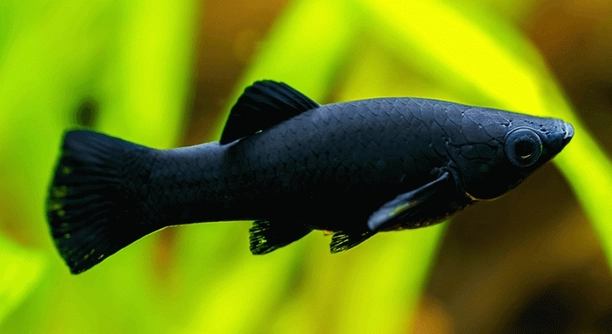
Keeping Black Mollies happy in a home aquarium requires more than just clean water and food. Tank layout plays a key role in their comfort, activity, and overall health. Mistakes in arranging their environment can cause stress.
Common tank layout mistakes that stress Black Mollies include overcrowding, lack of hiding spaces, incorrect water flow, insufficient plants, sharp decorations, poor substrate choices, and improper lighting. Each factor directly impacts their behavior, stress levels, and long-term well-being.
Learning how to arrange a tank correctly can prevent stress and promote natural behavior for your Black Mollies. Proper setup ensures a calmer and healthier aquarium environment.
Overcrowding the Tank
Having too many Black Mollies in a single tank can quickly create stress. These fish need enough space to swim freely and establish their territories. Overcrowding can lead to aggression, competition for food, and poor water quality. Even with regular maintenance, a crowded tank makes it hard to maintain stable water parameters. The fish may become restless, hiding constantly, or displaying erratic swimming patterns. Providing ample space ensures each Molly has room to thrive, explore, and interact naturally.
Overcrowding also increases the risk of disease and reduces oxygen levels, which affects overall health. Proper stocking density is essential for long-term well-being.
Keeping a balanced number of Black Mollies in your tank makes a significant difference. Each fish can swim comfortably, find its preferred spots, and enjoy a calmer environment. Observing them in a properly sized tank often reveals more natural, lively behavior, which is satisfying to watch and helps maintain their health over time.
Lack of Hiding Spaces
Black Mollies need areas to hide and feel secure. Without adequate hiding spots, they may become anxious and stressed.
Adding decorations like plants, rocks, or caves gives them safe retreats. Natural hiding places reduce aggression and allow shy fish to rest and recover.
When arranging the tank, consider multiple hiding areas that are easy to access. Plants, especially tall or bushy varieties, provide cover while still allowing swimming space. Small caves or ornament structures help fish retreat when feeling threatened or during territorial disputes. These spaces reduce stress and support natural behaviors such as exploring and resting. Incorporating hiding spots in different areas also encourages movement and activity throughout the tank, making the environment more stimulating and comfortable for the Mollies. By observing their use of these spaces, you can ensure the setup meets their needs. Properly placed hiding areas balance the tank’s aesthetics and functionality, resulting in a healthier, calmer fish population that adapts better to changes and daily routines.
Incorrect Water Flow
Strong currents can overwhelm Black Mollies, making it difficult for them to swim normally. Gentle water movement is ideal, as it mimics their natural environment and reduces stress.
Water flow affects oxygen levels and waste distribution, so it needs careful adjustment. Too much force causes constant swimming against the current, leading to exhaustion. Mollies prefer moderate movement, allowing them to rest in calmer areas. Positioning filters or pumps strategically can create zones of different flow strengths, giving fish options to move freely or stay sheltered. Observing their behavior helps identify if adjustments are needed, ensuring a balanced environment.
Proper water flow not only prevents stress but also improves tank health. Mollies can explore without strain, maintain better body condition, and interact naturally. Adjusting flow patterns creates a stable environment, reducing aggressive behavior and enhancing overall tank harmony. Consistent monitoring of filter output and water circulation ensures Mollies remain comfortable and healthy, supporting their long-term vitality.
Insufficient Plants
Black Mollies rely on plants for cover, grazing, and creating a natural environment. A bare tank can increase anxiety and erratic behavior.
Live plants provide oxygen, help filter water, and offer hiding spots. Dense or floating plants create areas for rest while allowing open swimming zones.
Plants influence tank balance significantly. They absorb nitrates, compete with algae, and contribute to cleaner water. Black Mollies nibble on soft leaves, which supplements their diet. Arranging plants in layers, with taller species in the back and smaller ones in the front, ensures visibility and swimming freedom. Floating plants reduce lighting intensity, giving fish shaded areas to feel secure. Maintaining plant health involves trimming, fertilizing, and monitoring growth to prevent overcrowding. A planted tank supports natural behaviors, lowers stress levels, and creates a visually appealing environment while improving water quality and fish well-being.
Sharp or Rough Decorations
Sharp or rough decorations can injure Black Mollies as they swim or hide. Smooth surfaces and rounded edges are safer and prevent accidental cuts.
Avoid broken rocks, jagged ornaments, or poorly finished items. Damaged fins and scales can lead to infections, making careful selection essential.
Poor Substrate Choices
Substrate affects behavior, foraging, and water quality. Coarse or sharp gravel can harm Mollies, while fine sand or smooth gravel allows safe movement and natural digging behavior.
Improper Lighting
Too bright or inconsistent lighting can stress Black Mollies. A balance of natural light patterns with shaded areas helps them regulate activity and rest.
FAQ
How many Black Mollies should I keep in one tank?
Keeping too many Black Mollies in a tank increases stress and reduces water quality. A general guideline is one inch of fish per gallon, considering adult size. Overcrowding leads to aggression, hiding, and constant competition for food. Proper stocking ensures each fish has enough space to swim freely, explore its environment, and establish territory. Providing adequate space reduces the risk of illness and promotes natural behavior. Observing their movement and interactions can help determine if the tank is properly stocked or if adjustments are needed to maintain a calm and healthy environment.
What type of plants work best for Black Mollies?
Black Mollies thrive in dense and varied plant setups. Tall plants like Vallisneria or Amazon Swords create vertical cover, while floating plants reduce light intensity and provide shaded areas. Bushy plants like Java Ferns or Anubias offer hiding spots and resting zones. Live plants also improve water quality by absorbing nitrates, controlling algae, and producing oxygen. Arranging plants in layers—from tall background plants to smaller foreground species—ensures open swimming areas while maintaining security. Mollies may nibble on softer leaves, supplementing their diet. Healthy plants reduce stress and make the tank feel closer to their natural environment.
How do I manage water flow for Black Mollies?
Moderate water flow is ideal for Black Mollies. Too strong a current forces constant swimming, causing fatigue and stress. Filters or pumps should be positioned to create calmer zones where fish can rest. Observing fish behavior helps identify areas with excessive flow. Adjusting filter output or adding decorations to redirect currents ensures comfortable swimming conditions. Proper water circulation supports oxygen distribution and waste removal without overwhelming the fish. By balancing movement and calmer areas, Mollies can swim naturally, rest when needed, and maintain overall health.
What substrate is safest for Black Mollies?
Fine sand or smooth gravel is ideal. Sharp or coarse substrate can injure fins and scales, leading to infections. Substrate also affects foraging behavior, as Mollies like to explore and graze on surfaces. Smooth substrates reduce injury risk while providing natural movement and feeding opportunities. Cleaning and monitoring substrate regularly helps maintain water quality and prevents buildup of waste. By combining safe substrate with adequate hiding spaces and plants, the tank environment becomes secure and supportive for healthy, active fish.
How do I prevent stress from lighting?
Black Mollies prefer moderate, consistent lighting. Too bright or rapidly changing light can cause anxiety and hide-seeking behavior. Using timers to maintain natural day-night cycles helps regulate activity and rest. Providing shaded areas with floating plants or decorations allows fish to escape intense light when needed. Observing fish behavior under current lighting shows whether adjustments are necessary. Proper lighting encourages natural activity, reduces stress, and supports plant growth, improving the overall tank environment. Consistency and balance are key to keeping Mollies calm and healthy.
What are the signs of stress in Black Mollies?
Common signs include erratic swimming, hiding excessively, loss of appetite, and faded coloration. Stress may also show as fin clamping or aggression. Overcrowding, poor water conditions, lack of hiding spaces, or improper lighting are frequent causes. Monitoring fish daily allows for early detection of stress. Adjusting tank layout, water quality, or environmental conditions can quickly improve their well-being. Healthy Mollies swim actively, interact normally, and display vibrant coloration, while stressed fish show noticeable behavioral changes that signal the need for immediate care and adjustment.
Can decorations affect Molly behavior?
Yes. Sharp, rough, or poorly placed decorations can injure fish or restrict swimming. Decorations that offer hiding spaces or break water flow are beneficial. Smooth rocks, caves, and plants create secure zones, reduce aggression, and allow exploration. Arranging decorations to create multiple layers of cover while leaving open swimming areas balances safety and activity. Observing how Mollies use decorations helps determine if placement is appropriate. Properly arranged decorations reduce stress, promote natural behavior, and enhance overall tank harmony, making the aquarium a comfortable and engaging environment for the fish.
How often should I check water parameters?
Regular monitoring of pH, temperature, ammonia, nitrite, and nitrate is essential. Black Mollies thrive in slightly alkaline, stable water. Fluctuations can cause stress, illness, or erratic behavior. Weekly testing, along with partial water changes, ensures optimal conditions. Keeping a log helps track trends and detect early issues. Stable, clean water supports health, prevents disease, and reduces stress, making the tank environment more suitable for active, happy Mollies. Maintaining proper water chemistry is one of the most effective ways to ensure long-term success in a Black Molly aquarium.
Is it necessary to provide hiding spots for all Mollies?
Yes. Even social or bold Mollies benefit from places to retreat. Hiding spots reduce aggression, give shy individuals security, and provide resting areas. Multiple hiding areas throughout the tank allow fish to choose safe zones based on mood and hierarchy. Plants, caves, and ornaments are effective solutions. Ensuring access to these areas prevents stress-related behaviors, such as hiding constantly or clamping fins. Hiding spots support natural behavior, enhance comfort, and contribute to overall tank harmony, making the environment healthier for every fish in the aquarium.
Can improper tank maintenance stress Black Mollies?
Neglecting water changes, filter cleaning, or substrate maintenance increases toxins and destabilizes water quality. Dirty tanks lead to stress, disease, and aggression. Consistent care, including partial water changes, filter checks, and waste removal, maintains a stable, clean environment. Healthy, well-maintained tanks support natural behavior and vibrant coloration. Observing fish and adjusting maintenance routines ensures a stress-free habitat. Regular upkeep not only protects Black Mollies from illness but also fosters calm, active, and thriving fish, improving both their physical and behavioral well-being.
Final Thoughts
Creating a healthy and comfortable environment for Black Mollies requires attention to several key details. Tank layout plays a significant role in reducing stress and supporting natural behavior. Overcrowding, improper water flow, lack of hiding spaces, and poor substrate choices are common mistakes that can affect their well-being. By arranging the tank thoughtfully, including enough open swimming areas and safe retreats, Black Mollies can explore freely, rest comfortably, and interact naturally. Paying attention to these factors ensures that the fish feel secure and reduces anxiety, making it easier for them to thrive. Regular observation of their behavior can reveal whether adjustments are needed.
Plants and decorations are essential elements for a calm and balanced tank. Live plants provide not only hiding spots but also improve water quality by absorbing nitrates and adding oxygen. Smooth rocks, caves, and rounded ornaments create additional secure areas for the fish to retreat when feeling threatened. Proper placement of these items helps balance the tank’s aesthetics with functionality, giving Black Mollies freedom to swim while providing safe zones. Lighting also influences stress levels; consistent and moderate lighting, combined with shaded areas, helps regulate activity and encourages resting periods. Together, these elements create an environment that closely resembles the natural habitats of Mollies, reducing stress and supporting healthy behaviors.
Maintaining stable water conditions is equally important. Monitoring pH, temperature, and other water parameters ensures a safe and consistent environment. Partial water changes, filter cleaning, and substrate maintenance prevent the accumulation of harmful substances that could impact the fish’s health. Over time, small adjustments in tank setup, flow, and decoration placement can make a significant difference in reducing stress. Understanding the specific needs of Black Mollies and creating a balanced, thoughtfully arranged tank supports their overall health and longevity. Attentive care, careful observation, and a focus on creating a natural, secure environment allow these fish to thrive, displaying their full range of colors and natural behaviors in a peaceful, well-maintained aquarium.

Hello,
If you enjoy the content that we create, please consider saying a "Thank You!" by leaving a tip.
Every little bit helps us continue crafting quality advice that supports the health, happiness, and well-being of pets around the world, for pets of all shapes, sizes, and species.
We really appreciate the kindness and support that you show us!