
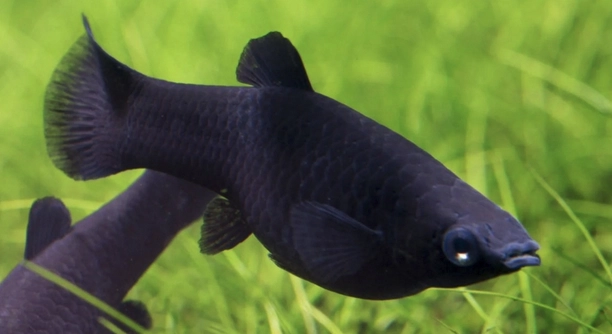
Black Mollies are beautiful fish that bring life to any aquarium, but you may notice your black molly avoids open spaces. These fish often prefer hiding near plants or decorations instead of swimming freely. Their behavior can feel puzzling at first.
Black Mollies avoid open spaces primarily due to instinctive caution and environmental stressors. They feel vulnerable in exposed areas, often seeking shelter to reduce perceived threats. Factors like water quality, tank size, and social dynamics influence their preference for cover.
Learning why your black molly prefers hiding will help you create a more comfortable and healthy aquarium environment for them to thrive.
Limited Hiding Spaces
Black Mollies naturally look for areas where they feel safe. If your tank lacks plants, rocks, or other decorations, they may stay near the edges instead of swimming in open water. Providing hiding spots helps them feel more confident and reduces stress. Small caves, floating plants, or dense foliage can give your molly places to retreat when they feel insecure. Over time, having enough cover encourages them to explore open areas gradually. It’s important to arrange the tank so that hiding places are balanced with swimming space. Too few shelters can make them anxious, while too many can restrict movement. Observing your fish’s behavior and adjusting decorations can make a noticeable difference. Their cautious nature is normal, and respecting it will support their overall health. Stress can affect their appetite and immune system, so ensuring comfort is more than just about tank aesthetics.
Providing enough hiding spots keeps black mollies calmer and more willing to swim freely.
By carefully selecting decorations and plants, you can create a tank environment that balances safety and openness. Start with simple structures like small caves and dense plant clusters near the tank edges. Gradually leave more open water in the center so your molly can feel secure while exploring. Observe how they react to changes and adjust as needed. Over time, they may spend more time swimming openly if they know shelters are nearby. This approach mimics their natural habitat, where shallow plants and rocks provide protection. Maintaining water quality and temperature is also crucial, as environmental stress compounds their fear of open spaces. Regular feeding schedules and gentle interaction reduce anxiety, making them more confident. Each molly has its personality, so patience is key. With consistent care and observation, even the most cautious fish can learn to enjoy open areas without feeling threatened.
Strong Tank Currents
Strong water currents can make black mollies feel unsafe and keep them close to the tank walls or plants.
High water flow requires your mollies to constantly swim to maintain position. This can tire them out and increase stress, leading them to avoid open spaces. Mollies prefer moderate, steady currents that mimic slow-moving streams. Placing decorations strategically can break currents and provide calm zones. Uneven flow allows them to rest and feel in control. Tank filters and pumps should be adjusted based on the tank size and fish behavior. Observing swimming patterns helps determine if currents are too strong. Over time, proper current management encourages exploration and reduces anxiety. This adjustment also benefits their physical health, improving muscle tone without overexertion.
Strong currents force black mollies to expend more energy than necessary, affecting behavior and appetite. By moderating flow and creating calm areas, they can swim naturally, explore freely, and maintain better health. Providing zones of calm near plants or behind decorations allows them to rest while still engaging with the tank. A well-planned current ensures they remain active without stress, helping them feel secure.
Overcrowded Tank
A crowded tank can make black mollies feel threatened, pushing them to stick to hiding spots. They need space to swim comfortably without feeling pressured by other fish. Overcrowding often leads to stress and reduced activity.
Too many fish in a tank create constant movement, which can overwhelm black mollies. They may struggle to find safe zones and may avoid open spaces entirely. Aggressive or faster fish can dominate feeding areas, adding to their anxiety. Overcrowding also affects water quality, raising waste levels and altering chemical balance. Poor water conditions combined with stress from competition can make mollies less willing to swim openly. Providing ample space, even with decorations, is essential for their confidence and overall health. A balanced stocking level ensures each fish has room to swim, rest, and establish personal territory without feeling exposed.
Reducing the number of fish and arranging the tank thoughtfully allows black mollies to explore more freely. Creating pockets of calm space between plants or decorations gives them security while moving around. Adjusting stocking levels and monitoring behavior gradually encourages them to spend time in open areas without feeling stressed. Maintaining water quality and avoiding sudden changes in the tank also support their comfort.
Poor Water Quality
Dirty or unstable water makes black mollies uneasy and likely to avoid open swimming areas. Stress from poor water quality directly affects their behavior and health.
Fluctuations in temperature, pH, or ammonia levels can make black mollies retreat to corners or hiding spots. They are sensitive to changes in their environment and may reduce activity to cope. Regular water testing, partial water changes, and proper filtration are necessary to maintain stable conditions. Clear, clean water promotes confident swimming and overall well-being. Even small changes in water chemistry can trigger hiding behavior, so consistent maintenance is key. Observing your mollies’ reactions to water conditions helps identify issues early and prevent long-term stress or illness.
Stable and clean water is essential for black mollies to feel safe and active. By monitoring temperature, pH, and ammonia levels, you create an environment that supports normal swimming behavior. Regular partial water changes and efficient filtration reduce harmful substances and maintain clarity. This stability allows mollies to explore open spaces without fear, improving both their physical and mental health. Gradual adjustments prevent shock and build trust in their surroundings, encouraging them to be more confident throughout the tank.
Lack of Companions
Black mollies are social fish and feel safer with others of their kind. A single molly may stay near plants or corners to avoid feeling exposed.
Keeping at least two or three together encourages natural behavior. They explore open areas more confidently when they have companions nearby, reducing stress and hiding tendencies.
Excessive Lighting
Bright or harsh lighting can make black mollies uncomfortable. They instinctively seek shaded or covered areas to feel safe. Constant exposure to strong light may discourage them from swimming in the center of the tank. Adjusting light intensity or adding floating plants can create soft, comfortable zones for them to explore.
Recent Changes in Tank
Sudden alterations in tank layout, decorations, or water conditions can unsettle black mollies. They may hide until they adjust to the new environment, avoiding open spaces until they feel secure again.
Why does my black molly hide most of the time?
Black mollies are naturally cautious fish. Hiding is their instinct to protect themselves from potential threats. In the wild, staying near plants, rocks, or other cover keeps them safe from predators. In a tank, stress, strong currents, or poor water quality can amplify this behavior, making them spend most of their time in corners or behind decorations. Providing sufficient hiding spots, maintaining stable water conditions, and keeping a calm environment can encourage them to explore more gradually. Observing their behavior closely helps you identify specific triggers for hiding.
Is it normal for black mollies to avoid open water?
Yes, it is normal. Black mollies prefer sheltered areas because open spaces make them feel exposed. Even in a well-maintained tank, they may spend more time near plants, rocks, or decorations. Social dynamics, tank currents, and sudden environmental changes can further influence their preference for cover. Over time, as they feel safer and more comfortable, they may venture into open areas, especially if the tank provides a balance of hiding spots and swimming space.
How can I encourage my black molly to swim in open spaces?
Start by creating a safe environment with enough hiding spots near the edges of the tank while keeping the center open. Moderate tank currents and stable water conditions are essential. Avoid overcrowding and ensure compatible tankmates that do not intimidate your molly. Gradual exposure to open areas, combined with consistent feeding and gentle observation, can help build confidence. Floating plants or shaded areas can also make open spaces feel safer. Patience is key, as each fish adjusts at its own pace.
Could poor water quality be causing my black molly to hide?
Absolutely. Black mollies are sensitive to changes in water chemistry, temperature, and clarity. High ammonia, nitrite, or nitrate levels can stress them, causing them to retreat to corners or plants. Regular testing, partial water changes, and proper filtration maintain a healthy environment. Stable conditions reduce stress and encourage natural swimming behavior, including exploring open spaces. Paying attention to water quality is one of the most effective ways to improve their confidence and activity.
Do black mollies need companions to feel secure?
Yes, black mollies are social and feel safer in small groups. A single fish may stay hidden, while a few together can explore open areas more confidently. Companionship reduces stress and encourages natural behaviors like schooling and swimming freely. Keeping two to three mollies together allows them to interact, establish a sense of security, and feel less exposed in open water. Social support is especially important in tanks with strong currents or minimal decorations.
Can tank lighting affect my black molly’s behavior?
Bright or harsh lighting can make black mollies uncomfortable and encourage hiding. They prefer soft, shaded areas, which can be created with floating plants or decorations that diffuse light. Adjusting light intensity or providing shaded zones helps them feel safe and more willing to swim openly. Sudden changes in lighting can also stress them, so gradual adjustments are recommended. Proper lighting not only supports behavior but also helps maintain plant growth and overall tank health.
What should I do after rearranging the tank?
Black mollies can be unsettled by sudden changes in decorations, plants, or tank layout. After rearranging, they may hide more and avoid open spaces until they acclimate. Give them time to explore at their own pace and provide plenty of familiar hiding spots. Avoid moving decorations too frequently, and maintain consistent water conditions. Observing their adjustment period helps you understand which areas they feel safe in, allowing gradual exposure to open water as they regain confidence.
Do strong tank currents make black mollies avoid open spaces?
Yes, strong currents require mollies to swim constantly to maintain position, which can tire them and increase stress. They tend to stick close to walls, plants, or decorations where currents are weaker. Adjusting filter output or using decorations to break flow helps create calm zones. Moderate currents allow natural swimming without exhaustion, encouraging mollies to explore the center of the tank. Monitoring their behavior ensures currents are appropriate for their size and energy level, promoting comfort and activity.
How does overcrowding affect black molly behavior?
Overcrowded tanks limit swimming space and increase competition for food, making black mollies more cautious and likely to hide. Excess movement can be stressful, and dominant fish may intimidate them. Reducing the number of fish or increasing tank size ensures each molly has personal space. Combined with hiding spots, proper water maintenance, and compatible tankmates, this approach encourages exploration, reduces stress, and supports overall health. Proper stocking levels are crucial for both physical and mental well-being.
Can temperature fluctuations influence hiding behavior?
Yes, black mollies are sensitive to sudden changes in water temperature. Cold or hot spots can make them retreat to sheltered areas. Maintaining a stable temperature suitable for their species reduces stress and promotes normal swimming patterns. Using a reliable heater, thermometer, and gradual adjustments after maintenance ensures they feel safe in open water. Temperature consistency is key to their comfort, activity, and long-term health.
Black mollies are naturally cautious fish, and understanding their behavior is important for keeping them healthy and happy. They tend to avoid open spaces because they feel exposed and vulnerable. In the wild, this instinct helps them survive, and it carries over to home aquariums. Providing hiding spots, plants, and decorations gives them areas to feel secure, allowing them to settle into their environment. Even small changes, like adding a rock or a floating plant, can make a big difference in their comfort. Over time, they may start exploring more open areas once they know safe zones are nearby.
Maintaining proper water conditions and moderate tank currents is also essential. Black mollies are sensitive to poor water quality, rapid changes in temperature, or strong flow, all of which can increase stress and make them stay hidden. Regular water testing, partial water changes, and a steady temperature help them feel safe and encourage natural swimming behaviors. Tank size and stocking levels also play a role. Overcrowding can cause anxiety, while compatible companions can improve their confidence. Each fish has its personality, and observing their habits closely allows you to adjust the tank environment to meet their needs. Gradually, they can become more active and comfortable in open spaces without feeling threatened.
Lastly, patience and attention are key to ensuring black mollies thrive. Sudden rearrangements, lighting changes, or new tankmates may temporarily increase hiding behavior, but gentle adjustments and consistent care help them adapt. Encouraging exploration should always be done slowly, allowing them to feel secure. Watching them move confidently, even for short periods, shows that your efforts are working. By combining stable water conditions, appropriate tank layout, and social considerations, you create an environment where black mollies feel safe, stress-free, and more willing to enjoy open areas. This careful balance supports their health, behavior, and overall happiness in your aquarium.

Hello,
If you enjoy the content that we create, please consider saying a "Thank You!" by leaving a tip.
Every little bit helps us continue crafting quality advice that supports the health, happiness, and well-being of pets around the world, for pets of all shapes, sizes, and species.
We really appreciate the kindness and support that you show us!