
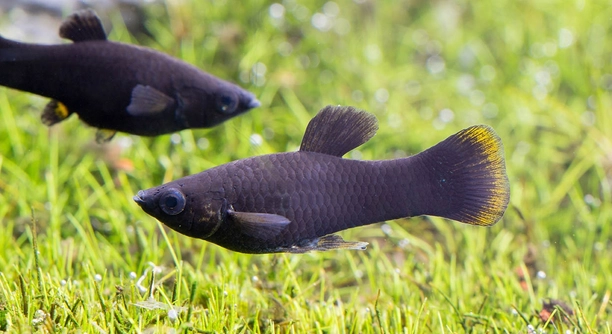
Black Mollies are popular freshwater fish admired for their deep black coloration. Many owners notice their vibrant hue can fade over time, making them appear dull or grayish. Understanding why this happens is important for maintaining their beauty.
Color loss in Black Mollies is commonly caused by poor water quality, inadequate nutrition, stress, aging, illness, genetics, and improper lighting. Each factor directly affects pigment cells and overall health, leading to gradual fading of the fish’s characteristic black coloration.
Identifying the main causes can help you take proper care and restore your Black Molly’s rich color effectively.
Poor Water Quality
Maintaining clean water is essential for Black Mollies to retain their vibrant black color. Dirty or contaminated water can stress the fish, disrupt their metabolism, and impact pigment cells. High levels of ammonia, nitrites, or nitrates can slowly fade their coloration and cause lethargy or disease. Regular water testing and partial water changes are necessary to keep the environment stable. Temperature fluctuations can also contribute to stress, which affects the fish’s natural pigment production. Even small changes in pH or hardness can influence their coloration over time. Black Mollies are sensitive to pollutants, so introducing new plants, decorations, or fish without proper acclimation may worsen the situation. Using a reliable filter and monitoring water parameters consistently helps ensure they stay healthy and maintain their deep black hue. Stress-free water conditions not only support pigmentation but also strengthen the fish’s immune system and overall vitality.
Clean and stable water is the foundation for healthy, vibrant Black Mollies.
Proper filtration, regular testing, and careful water changes create a safe environment that supports color retention. Paying attention to these details minimizes stress and prevents fading. Combining this with stable temperature and pH helps maintain pigment cells, ensuring the fish remain visually striking. Observing fish behavior during water changes also helps detect early signs of stress. A consistent schedule fosters healthier, more resilient Black Mollies that thrive in their tank environment. Over time, attentive care reinforces their natural coloration and overall well-being.
Inadequate Nutrition
Feeding Black Mollies a varied, high-quality diet is crucial for maintaining their black coloration. Diets lacking in essential nutrients, vitamins, and carotenoids can result in dull or faded colors. High-quality flake foods, supplemented with live or frozen foods, help ensure proper pigment development. Vegetables like spinach or zucchini provide additional nutrients that support overall health and coloration. Overfeeding or feeding poor-quality foods may weaken the immune system, making the fish more susceptible to stress and disease, which can also influence pigmentation. Rotating foods and including occasional protein-rich items helps maintain vibrant pigmentation while keeping the fish active and healthy.
Balanced nutrition keeps Black Mollies’ color strong and supports their immune system.
Feeding a mix of flakes, frozen, and live foods ensures proper pigment development. Vegetables provide necessary vitamins, while high-quality protein strengthens health. Avoid overfeeding to prevent stress, disease, and fading coloration. Nutrient-rich diets maintain both vibrancy and energy.
Stress
Stress significantly affects Black Mollies’ coloration. Overcrowding, aggressive tankmates, or sudden changes in the environment can cause them to lose their black vibrancy. Minimizing stress is key to keeping their color deep and healthy.
Stress triggers hormonal changes that impact pigment cells, causing gradual color fading. Loud noises, frequent tank disturbances, or rapid water parameter shifts can intensify stress. Even minor stressors, such as moving decorations or overhandling, may affect their appearance. Providing hiding spots, calm tankmates, and consistent routines helps reduce stress. Observing behavior and addressing sources of tension ensures Black Mollies remain healthy and retain their characteristic black coloration over time.
Long-term stress can also weaken immunity, making fish more prone to infections and illness. When mollies are stressed, feeding behavior may decrease, further affecting pigmentation. Maintaining a stable, quiet environment allows them to thrive, keep their energy, and preserve deep black tones. Consistent care and observation are essential for reducing stress-related color loss in these fish.
Illness
Illness can directly cause Black Mollies to lose their black coloration. Bacterial, fungal, or parasitic infections disrupt metabolism and pigment cells. Signs of illness may include faded color, lethargy, clamped fins, or unusual swimming patterns. Quick identification and treatment are crucial to prevent permanent fading and health decline.
Infections often result from poor water conditions or weakened immunity. Treating waterborne pathogens with proper medication and maintaining excellent water quality helps recovery. Quarantining new fish and avoiding overfeeding also reduces disease risk. A balanced diet strengthens resistance and supports pigment retention. Observing for early symptoms allows intervention before serious damage occurs, helping mollies regain their natural black hue.
Illness affects more than appearance. It can reduce appetite and growth, further impacting coloration. Prompt treatment and preventive measures keep fish vibrant and energetic. Regular observation, clean water, and nutrient-rich diets work together to minimize health-related color loss, ensuring Black Mollies remain visually striking.
Aging
As Black Mollies age, their coloration naturally fades. Older fish may show a gradual loss of deep black tones. This process is normal and reflects changes in metabolism and pigment cell function over time.
Even with perfect care, older mollies will not maintain the same vibrant color as younger fish. Aging is inevitable, and subtle fading is part of their natural life cycle. Monitoring overall health and providing a stable environment can help older fish stay active and maintain as much coloration as possible.
Genetics
Genetic factors influence the intensity of a Black Molly’s color. Some individuals are naturally darker, while others may carry genes for lighter tones, which can become more noticeable as they grow.
Breeding practices also affect pigment expression. Fish from lines selected for specific traits may have reduced black coloration. Understanding genetic background helps set realistic expectations for color retention. Providing ideal care supports whatever natural pigmentation the fish possesses.
Improper Lighting
Inadequate or inconsistent lighting can cause Black Mollies to lose vibrancy. Too little light reduces pigment activation, while too much can stress fish and dull colors.
Maintaining a balanced, consistent light schedule helps promote healthy pigmentation and supports natural activity patterns. Appropriate lighting ensures mollies display their full black tones and remain visually healthy.
What is the most common reason Black Mollies lose their black color?
The most frequent reason for fading coloration in Black Mollies is poor water quality. High levels of ammonia, nitrites, or nitrates create a stressful environment that weakens pigment cells. Even small fluctuations in pH, hardness, or temperature can contribute. Consistent water testing, partial water changes, and a reliable filtration system help prevent color loss. Stress from dirty water also weakens the immune system, making the fish more susceptible to disease, which further affects pigmentation. Maintaining a stable, clean tank allows mollies to retain their natural black color and remain healthy.
Can diet really impact a Black Molly’s coloration?
Yes, diet plays a critical role in maintaining black pigmentation. Foods lacking essential vitamins, minerals, and carotenoids can result in dull or faded colors. High-quality flake foods, enriched with live or frozen foods, are recommended. Leafy vegetables like spinach, peas, or zucchini provide additional nutrients that support pigment cells. Rotating foods and including protein-rich options strengthens overall health, energy levels, and coloration. Overfeeding or providing low-quality food weakens the immune system, which can indirectly cause fading. Proper nutrition ensures that the fish’s natural black tones remain vibrant and consistent.
How does stress affect Black Mollies’ color?
Stress triggers hormonal changes that directly impact pigment production. Overcrowding, aggressive tankmates, sudden water parameter shifts, or frequent disturbances can all cause stress. Stressed mollies may appear dull, hide more often, or lose appetite, further affecting their pigmentation. Creating a calm, stable environment with adequate hiding spots reduces stress. Consistent routines, gentle handling, and observing interactions with tankmates help identify and address potential stressors. Long-term stress not only affects color but also immunity and overall well-being, making stress management crucial for keeping Black Mollies vibrant and healthy.
Can illness cause permanent color loss?
Yes, illness can cause both temporary and long-term fading. Bacterial, fungal, or parasitic infections interfere with pigment cells and metabolism. Early detection is critical to prevent permanent color loss and protect overall health. Symptoms include faded color, lethargy, clamped fins, or abnormal swimming. Treatment often involves medication, water quality adjustments, and improved nutrition. Quarantining new fish and preventing overfeeding also reduces disease risks. Even after recovery, some fish may not regain their full pigmentation if the infection was severe or prolonged, making preventive care essential for color retention.
Does aging always lead to color loss in Black Mollies?
Yes, aging naturally causes some fading. As mollies grow older, pigment cell function decreases, and metabolism slows. Even with perfect care, older fish will not maintain the same vibrant black as younger ones. However, supporting their health through a stable environment, clean water, and proper nutrition can help them retain as much coloration as possible. Aging mollies may also show slower movement or reduced appetite, which can indirectly affect pigment. Accepting these changes while maintaining overall care allows older Black Mollies to remain active and visually appealing.
How important is lighting for maintaining coloration?
Lighting directly affects pigment expression. Too little light reduces pigment activation, leading to dull coloration, while excessive lighting can stress the fish. A balanced, consistent light schedule is essential for natural activity and healthy pigment production. Standard aquarium lighting for 8–10 hours per day usually works well. Providing a gentle day-night cycle supports biological rhythms and prevents stress-related fading. Using adjustable lighting or covering bright areas can help maintain optimal conditions. Correct lighting, combined with clean water and proper nutrition, ensures that Black Mollies show their full black vibrancy consistently.
Can genetics determine a Black Molly’s color retention?
Genetics play a significant role. Some Black Mollies are naturally darker, while others carry genes for lighter tones that may appear over time. Breeding practices can also influence pigment expression. Fish from lines selected for specific traits might have less intense black coloration. Understanding the genetic background helps set realistic expectations for color retention. While care, diet, and environment influence pigmentation, genetic predisposition ultimately limits how dark a Black Molly can remain. Providing optimal conditions ensures that whatever natural pigmentation the fish possesses is maintained to its fullest potential.
How quickly can a Black Molly regain its color after problems are fixed?
Recovery depends on the cause and severity of color loss. If poor water quality or stress is addressed quickly, mollies may regain color within days to weeks. Diet improvements also show relatively fast results. Recovery from illness can take longer, especially if pigment cells were damaged. Aging-related fading is permanent and cannot be reversed. Patience and consistent care are crucial, as abrupt changes or repeated stress can hinder recovery. Monitoring progress and maintaining stable conditions allows the fish to gradually restore vibrancy and display healthy, deep black tones again.
Are there signs that indicate color loss is permanent?
Permanent fading is usually linked to aging, severe illness, or genetic limitations. Signs include long-term dullness despite optimal water quality, proper diet, and low stress. Fish that do not regain color after weeks of improved conditions likely have reached the limit of natural pigmentation. Understanding these factors helps set realistic expectations for care. Maintaining health, even if color is partially lost, ensures that Black Mollies live comfortably and actively, showing whatever pigmentation is naturally possible. Consistent observation helps distinguish between temporary fading and permanent changes.
What routine care helps prevent color loss?
Routine care includes maintaining clean water, providing a balanced diet, monitoring tank conditions, and reducing stress. Regular partial water changes, filtration checks, and water parameter testing are essential. Feeding high-quality flakes, frozen foods, and vegetables supports pigment retention. Stable lighting, gentle tank handling, and proper stocking prevent stress-related fading. Observing behavior allows early detection of illness. These practices combined create a supportive environment where Black Mollies can retain deep black coloration, stay healthy, and remain visually striking over time.
Black Mollies are a beautiful addition to any freshwater aquarium, but maintaining their deep black coloration requires attention to several factors. Their color is influenced by water quality, nutrition, stress, illness, genetics, lighting, and age. Ensuring that the water is clean and stable is one of the most important steps. Regular water changes, testing for ammonia, nitrites, nitrates, and maintaining consistent temperature and pH levels all contribute to a stress-free environment. A stable tank allows the fish to focus on maintaining their natural pigment rather than adapting to constantly changing conditions. Filters should be monitored and cleaned when necessary to prevent buildup of debris or toxins that can harm the fish. Even small details, like avoiding sudden temperature fluctuations or adding too many new tankmates at once, play a role in keeping Black Mollies healthy and vibrant.
Nutrition is another key element in preserving the black color of these fish. Providing a well-balanced diet that includes high-quality flakes, frozen or live foods, and vegetables like spinach or zucchini supports pigment development and overall health. Rotating foods ensures they receive a variety of nutrients, while protein-rich options keep energy levels high. Overfeeding, or feeding poor-quality food, can weaken their immune system and indirectly contribute to color fading. A proper diet, combined with stable water conditions, helps maintain their energy, strengthens their immune response, and allows pigment cells to function properly. Even small improvements in diet can have noticeable effects on coloration over time, highlighting how critical consistent nutrition is for long-term health and visual appeal.
Stress, illness, and genetics also play significant roles in the appearance of Black Mollies. Stress from overcrowding, aggressive tankmates, or frequent disturbances can dull their color, so providing hiding spaces and a calm environment is essential. Illnesses such as bacterial or parasitic infections can cause both temporary and permanent fading, making early detection and proper treatment vital. Genetics determine the natural intensity of their black coloration, so some fish may never achieve very deep tones despite optimal care. Age is another factor that cannot be controlled; older fish naturally show some fading. Focusing on providing consistent care, maintaining a healthy diet, stable water conditions, and a stress-free environment allows Black Mollies to retain as much of their natural coloration as possible, keeping them visually striking and healthy for years.

Hello,
If you enjoy the content that we create, please consider saying a "Thank You!" by leaving a tip.
Every little bit helps us continue crafting quality advice that supports the health, happiness, and well-being of pets around the world, for pets of all shapes, sizes, and species.
We really appreciate the kindness and support that you show us!