
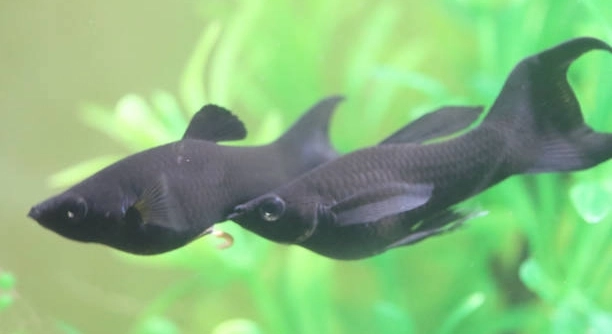
Many aquarists enjoy watching black mollies glide gracefully through their tanks, but sometimes these fish gather in unusual spots. One common behavior is seeing them linger near the thermometer, often capturing the owner’s attention unexpectedly.
Black mollies tend to stay near the thermometer because they are sensitive to water temperature fluctuations. This area often provides a stable or slightly warmer environment, which helps them maintain comfort, regulate metabolism, and reduce stress in their aquarium habitat.
Observing this habit closely can reveal insights about your tank’s conditions and help ensure your mollies remain healthy and active over time.
Why Black Mollies Are Attracted to Thermometers
Black mollies are highly sensitive to changes in water temperature. In a tank, the thermometer is often placed where the water is most stable, which can be slightly warmer than other areas. These fish instinctively seek this stable environment to maintain their body functions efficiently. When water temperatures fluctuate too much, it can stress the fish, weaken their immune system, and reduce activity levels. By staying near the thermometer, black mollies are naturally regulating their exposure to temperature changes. This behavior is more noticeable in tanks that have inconsistent heating or poor circulation. Even small differences in warmth can make the thermometer area more appealing. Observing this behavior can help owners monitor tank conditions and ensure proper heat distribution. Mollies also use this spot for resting, as the stable water provides comfort. Regularly checking the heater and flow patterns can prevent uneven temperatures and promote healthier, more relaxed fish.
This behavior is generally normal and indicates your mollies are sensitive to their environment, seeking comfort in warmer, stable areas of the tank.
Paying attention to where your mollies gather gives insight into your tank’s heating efficiency and water quality, allowing for adjustments to ensure all areas of the tank are suitable for your fish’s needs.
How To Ensure Your Tank Temperature Is Ideal
Maintaining an even temperature is crucial for black mollies. A heater with a reliable thermostat helps keep water consistent. If your thermometer shows varying readings in different areas, circulation may be insufficient, and adjustments to the filter or placement can help distribute warmth evenly. Regular testing with a secondary thermometer can confirm stable conditions. Sudden drops or spikes in temperature can cause stress or disease, so monitoring is essential.
Checking tank conditions weekly allows you to spot areas that are too cold or too warm. Installing a small circulation pump can help reduce temperature gradients, ensuring all mollies have a comfortable environment.
Consistent water temperature supports normal behavior, feeding, and reproduction in black mollies. Uneven heat can cause some fish to isolate in warmer zones while others remain inactive. By understanding where your fish prefer to stay, you can make small adjustments to the heater, filter flow, and tank layout. These steps improve overall health, prevent illness, and make the tank a more balanced habitat. Creating an environment where all areas maintain a steady temperature reduces stress and encourages active swimming throughout the tank. Regular observation and minor tweaks can make a significant difference in keeping your mollies comfortable, thriving, and vibrant.
Feeding and Temperature Preferences
Black mollies often prefer eating in areas where water feels stable and slightly warmer. Staying near the thermometer may coincide with feeding times because the fish associate warmth with comfort and activity. This behavior can also reflect how they explore the tank for food.
Temperature affects appetite and digestion in black mollies. Warmer water increases metabolism, so mollies may spend more time near the thermometer during feeding to optimize digestion. If the water is too cool in other parts of the tank, mollies may avoid those areas while searching for food. Keeping the tank evenly heated ensures mollies feed comfortably and reduces competition in warmer zones. Feeding at consistent times also helps them adjust to temperature patterns naturally.
Monitoring feeding behavior alongside temperature preferences gives insight into your mollies’ health. If a fish consistently avoids other areas, it may indicate a temperature imbalance or stress. Observing their habits allows you to make small adjustments to heater placement, water flow, and feeding routines, helping maintain even activity and reducing crowding near the thermometer. Ensuring all parts of the tank are suitable for feeding can prevent aggression and support healthy growth, keeping your mollies lively and balanced.
Signs of Stress Related to Temperature
If a black molly stays in one spot for long periods, it can indicate stress from uneven water temperature. Watch for lethargy, clamped fins, or erratic swimming. These signs often point to discomfort.
Maintaining consistent water conditions is critical for mollies’ well-being. Sudden shifts in temperature can trigger stress responses, making them seek warmer or more stable areas. Over time, stress can lower immunity, making fish more susceptible to disease. Observing behavior around the thermometer provides clues about tank conditions. If multiple mollies gather there excessively, it may indicate the rest of the tank is too cold. Adjusting heater settings, improving circulation, and using a reliable thermometer help minimize these risks.
Stress from temperature fluctuations also affects social behavior. Black mollies may become more aggressive, hide excessively, or reduce swimming activity in cooler areas. Ensuring even warmth throughout the tank prevents isolation of certain fish and encourages normal interaction. Regular checks of water temperature, combined with visual observation, can highlight potential problem zones. Small changes, like repositioning the heater or adding a circulation pump, can significantly improve comfort, reduce stress, and support overall health. Keeping conditions steady helps mollies remain active, social, and healthy.
Tank Setup and Placement
The location of your heater and thermometer affects where black mollies spend most of their time. Areas with consistent warmth naturally attract them. Proper placement ensures all fish have access to comfortable temperatures without crowding near one spot.
Adding decorations or plants near warmer zones can help mollies feel secure. These areas provide shelter while keeping them in their preferred temperature range. Strategic placement of hiding spots encourages movement throughout the tank, reducing stress and improving overall health.
Observing Daily Behavior
Tracking daily swimming patterns and activity helps identify temperature preferences. Mollies often return to the same spots for warmth and comfort. Noting these behaviors allows for adjustments in tank setup. Regular observation supports healthier habits and reduces risks from uneven heating or stagnant water areas.
Using Multiple Thermometers
Placing more than one thermometer in the tank helps identify temperature differences. This ensures all areas maintain a stable environment for black mollies. Multiple readings provide a clearer picture of water distribution and help prevent cold spots.
Adjusting Heater Settings
Small changes to heater placement or thermostat settings can balance tank temperature. Consistent warmth across the tank reduces stress, promotes even swimming, and ensures mollies remain comfortable throughout their habitat.
FAQ
Why does my black molly always stay near the thermometer?
Black mollies are highly sensitive to temperature changes. The area around the thermometer is often more stable or slightly warmer than other parts of the tank. This provides comfort, reduces stress, and helps regulate their metabolism. Mollies instinctively seek these stable zones to feel safe and maintain normal body functions.
Is it normal for mollies to gather in one warm spot?
Yes, it is common behavior. Fish naturally move toward areas with favorable conditions. In a tank with uneven heating, they may cluster near warmer areas. Consistent warmth in other tank zones can encourage mollies to spread out and explore, reducing crowding.
Can staying near the thermometer indicate stress?
Sometimes, yes. If a molly is stationary for long periods, shows clamped fins, or avoids other areas, it may be stressed by temperature differences. Uneven heating, poor circulation, or sudden water changes can trigger this behavior. Monitoring and adjusting tank conditions can reduce stress.
How do I know if my tank temperature is balanced?
Using multiple thermometers in different tank areas helps identify temperature variations. The readings should be consistent, ideally within one to two degrees of each other. A steady temperature ensures all mollies are comfortable and reduces their reliance on a single warm zone.
Can heater placement affect molly behavior?
Yes, heater location can create hot and cold spots. Placing it too close to one side may make that area warmer, attracting mollies. Proper placement, combined with a filter or circulation pump, ensures even temperature distribution and encourages fish to use the entire tank.
Does water temperature affect feeding habits?
Absolutely. Mollies are more active in slightly warmer water, which boosts metabolism and appetite. They may gather near the thermometer during feeding times if that area provides the most comfortable temperature. Balanced tank warmth helps them feed evenly and reduces competition in one spot.
Are black mollies more sensitive to temperature than other fish?
Compared to some tropical fish, black mollies are moderately sensitive to temperature shifts. Small fluctuations can affect their swimming, behavior, and overall health. Maintaining a stable environment helps prevent stress, illness, and uneven activity within the tank.
What can I do if my mollies still crowd near the thermometer?
Check for uneven heating or poor circulation. Adjust heater placement, add a small pump for better flow, and ensure decorations or plants don’t block water movement. Regular monitoring and minor adjustments help mollies feel comfortable across the entire tank, reducing excessive clustering.
Can temperature affect molly reproduction?
Yes, stable warmth encourages normal breeding behavior. Fluctuating or cold areas can inhibit activity and stress females or males, reducing spawning chances. Keeping a consistent temperature throughout the tank supports healthy reproduction and overall vitality.
How often should I check tank temperature?
Daily checks are ideal for detecting sudden changes. Weekly checks with multiple thermometers help monitor overall stability. Consistent observation ensures mollies remain comfortable and highlights areas that may need adjustment before stress or health issues develop.
Do decorations impact temperature zones?
They can. Dense plants or rocks may block water flow, creating cooler spots. Strategically placing decorations ensures even warmth and gives mollies options for resting without limiting access to stable areas. Proper placement encourages balanced swimming and activity throughout the tank.
Can crowding near the thermometer cause health problems?
Extended clustering can increase stress and aggression, especially in smaller tanks. Over time, this may weaken immunity and make fish prone to illness. Maintaining even tank temperatures and proper space reduces crowding and supports healthier, more active mollies.
What’s the best water temperature for black mollies?
A stable range of 75–80°F is generally ideal. Staying within this range helps mollies regulate metabolism, remain active, and reduce stress. Slightly warmer areas near the thermometer are natural gathering points, but the entire tank should stay within a comfortable range for consistent health.
How do I encourage mollies to explore the whole tank?
Ensure even heating, proper water circulation, and unobstructed swimming paths. Adding plants or gentle hiding spots in cooler areas encourages movement. Feeding in multiple locations can also motivate mollies to spread out rather than stay near a single warm zone.
Are temperature fluctuations harmful over time?
Yes, repeated shifts can lead to chronic stress, weaker immune systems, and susceptibility to disease. Maintaining consistent temperature and monitoring daily behaviors helps prevent long-term health issues and supports a balanced, active tank environment.
How can I tell if my thermometer is accurate?
Compare readings with a secondary thermometer placed elsewhere in the tank. If readings differ significantly, the first thermometer may be faulty. Accurate readings are essential for maintaining stable conditions and understanding why mollies prefer certain areas.
Does lighting affect temperature preferences?
Indirectly. Bright or warm lighting can slightly increase water temperature in certain areas, making those spots more attractive to mollies. Ensuring even lighting and temperature helps prevent clustering and supports healthy, balanced activity.
Can I use a circulation pump to reduce clustering?
Yes. A gentle pump promotes water movement, distributes heat evenly, and encourages fish to explore all tank areas. This reduces stress, prevents stagnant zones, and minimizes excessive gathering near the thermometer, creating a more balanced environment for mollies.
Is it normal for mollies to check the thermometer area repeatedly?
Yes, repeated visits often indicate preference for stable conditions rather than abnormal behavior. Fish naturally return to comfortable zones. Monitoring this behavior helps identify potential temperature issues and ensure overall tank balance.
How does tank size influence thermometer gathering?
Smaller tanks amplify temperature differences, making mollies more likely to cluster near stable spots. Larger tanks with proper heating and circulation allow fish to move freely, reducing reliance on one area for warmth and comfort.
Can water changes affect molly behavior near the thermometer?
Sudden temperature changes during water replacement can make mollies temporarily cluster near warmer areas. Gradual water adjustments and pre-warmed water reduce stress, encouraging mollies to maintain normal swimming patterns throughout the tank.
What signs show mollies are comfortable in the tank?
Active swimming, even distribution, healthy appetite, and normal social interactions indicate comfort. Mollies lingering near the thermometer occasionally is fine, but consistent clustering may signal a temperature imbalance or minor stress requiring attention.
Black mollies are fascinating fish, and their behavior often gives insight into how comfortable they feel in their environment. One of the most noticeable habits is staying near the thermometer. While it may seem unusual, this behavior is often a simple response to temperature preferences. Mollies are sensitive to fluctuations in water temperature, and areas around the thermometer tend to be slightly warmer and more stable. By spending time there, they can maintain a comfortable body temperature, reduce stress, and stay healthy. Observing your mollies near the thermometer provides a clear indication of how well your tank is maintaining warmth and stability. It is a natural part of their instinct to seek comfort and stability, rather than a sign of illness or distress.
Maintaining an even and appropriate temperature throughout the tank is important for black mollies. Uneven heating can cause them to cluster near warmer areas, which may lead to stress, crowding, or competition for space. Using multiple thermometers and checking different areas of the tank ensures all zones remain comfortable for your fish. Proper placement of the heater, good water circulation, and thoughtful arrangement of decorations or plants can help distribute warmth evenly. A balanced environment encourages mollies to explore all parts of the tank, feed properly, and interact normally. Paying attention to their behavior around temperature zones helps prevent problems before they develop. Mollies thrive in steady conditions, and small adjustments can make a significant difference in their overall well-being.
Observing and understanding these behaviors also allows you to create a healthier tank overall. Mollies that feel secure in their environment are more active, feed consistently, and display natural behaviors. By addressing uneven heating or poor circulation, you reduce stress, prevent illness, and promote a more harmonious habitat. Even though spending time near the thermometer is normal, consistent attention to tank conditions ensures your mollies have options to move freely without relying on a single warm area. Monitoring, adjusting, and maintaining proper conditions is a small effort that leads to happier, healthier fish. Recognizing these habits as normal, while using them as a guide to check tank stability, gives you the tools to provide the best care for your black mollies.

Hello,
If you enjoy the content that we create, please consider saying a "Thank You!" by leaving a tip.
Every little bit helps us continue crafting quality advice that supports the health, happiness, and well-being of pets around the world, for pets of all shapes, sizes, and species.
We really appreciate the kindness and support that you show us!