
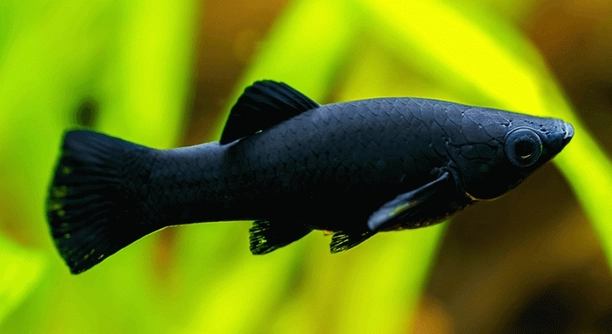
Loving the idea of raising black mollies while trying to understand common breeding myths can feel challenging for many aquarists exploring these lively fish as they manage care routines and seek guidance about breeding success.
Breeding myths about black mollies persist because misinformation spreads easily in aquarist communities, creating confusion about genetics, environmental needs, and reproductive behavior. Scientific guidance shows how proper care, stable water conditions, and accurate knowledge support consistent breeding outcomes for success.
These insights offer a clearer path through common misunderstandings, encouraging progress as you explore ways to support your mollies breeding.
Common Misconceptions
Many people approach black molly breeding with assumptions that sound believable but do not match the way these fish actually behave, and I have seen how easily these ideas spread among keepers. One of the most repeated claims is that black mollies breed better when placed in small tanks, which often leads to stress rather than increased activity. Another misunderstanding is that females always need constant male presence to stay healthy, which can create unnecessary pressure on the group. Some aquarists also think black mollies require heavy feeding to trigger breeding, even though overfeeding can affect water quality and reduce outcomes. Many of these ideas persist because they are repeated without testing, making it difficult for new keepers to sort through them. Learning the real requirements can help you maintain a healthier setup while avoiding practices that make breeding harder for your fish in a calm and stable tank environment.
Some myths focus on color changes, suggesting black mollies lose their shade when breeding conditions are poor, but this idea does not hold up. Color shifts usually relate to genetics, stress, or water issues, not specific breeding phases, so clear care routines matter more than these claims in daily practice.
Clearing up these misunderstandings can make your care routine smoother and help your mollies thrive, especially when you start trusting information supported by actual behavior. Breeding success depends on calm surroundings, regular maintenance, and balanced feeding instead of exaggerated tricks often shared online. When you focus on keeping the water stable and giving the group enough space, you encourage healthier interactions that support steady breeding patterns. Clear guidance also prevents unnecessary adjustments that disrupt the tank and add stress. Applying simple, steady habits gives your mollies the conditions they need to breed without complications or confusion from repeated myths today.
Environmental Factors
Environmental suggestions often turn into myths when breeders assume black mollies need unusual setups to reproduce, yet most of these claims ignore how adaptable they are. Stable temperature, clean water, and adequate space matter far more than drastic changes that complicate the overall care routine in a simple home aquarium.
Many environmental myths develop when aquarists try to explain breeding difficulties without reviewing the basic conditions that influence black molly behavior. Some keepers believe these fish require highly salted water to breed, even though excessive salt levels can cause irritation and reduce overall comfort. Others assume that constant bright lighting improves breeding rates, yet strong lighting can increase stress and disrupt natural patterns. A few people also claim that frequent rearranging of decorations stimulates breeding activity, but such changes usually unsettle the fish and lead to hiding rather than healthy interaction. Stable surroundings create the foundation for dependable breeding outcomes, and these fish respond best to predictable conditions. Maintaining clean water through regular changes supports strong health, and steady temperatures prevent unnecessary strain during reproductive phases. Proper filtration, gentle water flow, and enough room for movement provide a balanced space that encourages natural behavior. Many of the most effective practices rely on consistency rather than unusual methods circulating among keepers. When you focus on these core needs, you reduce confusion and avoid steps that produce the opposite effect of what you want. Clear expectations and simple routines create an environment that nurtures reliable breeding without complications linked to common myths.
Breeding Behavior Clarifications
Some breeders assume black mollies follow strict patterns, but these fish adapt their behavior based on the environment. Misreading their actions often leads to unnecessary changes in the tank, especially when normal social interactions are mistaken for signs of breeding problems or unusual mating habits.
Many people believe male black mollies must chase females constantly to indicate healthy breeding behavior, but excessive chasing often signals stress rather than normal activity. Balanced groups reduce pressure, allowing males to behave naturally without overwhelming the females. Another common assumption is that pregnant females isolate themselves because something is wrong, yet this behavior often reflects a desire for space in a busy tank. Some also misinterpret mild aggression as a sign of breeding failure. In reality, this behavior can appear when the group feels crowded or overstimulated. Understanding these details prevents misjudgments that lead to avoidable tank adjustments.
Clear observations help you recognize when behavior is normal or influenced by the environment. Small shifts in swimming patterns, feeding interest, or group spacing can reflect simple comfort levels rather than breeding issues. When the surroundings remain stable, these fish show predictable habits that make it easier to recognize genuine concerns. Paying attention to how your molly group interacts during daily routines builds familiarity and helps you maintain calm conditions. This approach creates a steady environment that supports healthy reproduction without misinterpreting routine behavior.
Genetics and Color Myths
Color myths often confuse breeders, especially when people assume black mollies can only produce fry identical to them. Genetics allow for a range of shades, and mixed ancestry can appear even when the parents look uniform, which sometimes surprises new keepers who expect predictable results.
Some breeders also believe color fading during breeding phases indicates poor genetics, but fading often appears when the fish experience mild stress or changing water parameters. Other keepers assume darker fish always produce stronger offspring, even though health depends on stable care and not the depth of color alone. Another misunderstanding is that black mollies should never show speckling or lighter patches, but these traits can appear naturally through inherited patterns. Understanding the influence of genetics helps you avoid reacting to normal variations as if they signal problems. Care routines centered on water stability, nutrition, and calm surroundings have a far greater effect on fry health than assumptions about color. When the focus stays on consistent maintenance, you support predictable development without confusion caused by appearance-based myths.
Health and Stress Misunderstandings
Some breeders assume stress always prevents black mollies from reproducing, but mild stress does not stop breeding altogether. These fish often continue their routines as long as the tank remains stable and clean, even when occasional disruptions appear in their environment.
Another misunderstanding is that all illnesses immediately halt breeding, but certain minor issues do not always interfere with reproductive behavior. Consistent care and early attention make it easier for the fish to recover while keeping their natural patterns steady without unnecessary adjustments.
Feeding and Nutrition Myths
Feeding myths often influence how breeders approach black molly care, especially when people assume heavy feeding increases the chances of successful breeding. Overfeeding leads to cloudy water, digestive issues, and elevated stress levels that do the opposite of supporting healthy reproduction. Balanced meals, clean water, and steady routines create far better results. Some keepers also believe that a high-protein diet guarantees larger fry, yet growth depends on overall health rather than excessive protein. When feeding stays predictable and moderate, the fish maintain energy without complications tied to exaggerated dietary practices.
Fry Development Confusions
Some breeders expect all fry to develop at the same pace, but growth rates vary based on genetics, feeding habits, and overall comfort in the tank. Keeping conditions stable supports smoother development without relying on assumptions that create unnecessary concerns.
FAQ
Why do some black mollies refuse to breed even when the tank looks fine?
Breeding behavior often slows down when the tank feels crowded or when the group dynamics place too much pressure on the females. Even if the water appears clean, small inconsistencies in temperature, filtration flow, or lighting can influence comfort. Some females also pause reproduction after stressful events or frequent chasing from males. Allowing more space, keeping stable parameters, and maintaining calm surroundings usually helps the group return to normal behavior without forcing changes.
Do black mollies need brackish water to breed properly?
They do not require brackish water to reproduce. These fish adapt well to freshwater as long as the tank remains stable and clean. Light salt can be used in certain setups for health support, but it is not a breeding requirement. Maintaining good filtration, steady temperature, and moderate feeding habits matters far more than adjusting salinity levels. Many breeders successfully raise large, healthy groups of fry in freshwater only.
Why do some pregnant females look slimmer right before giving birth?
A slight shift in shape can happen when the fry reposition inside the female, which sometimes makes the body appear more streamlined. This change does not always signal a problem. Some females also reduce food intake shortly before giving birth, which may make them seem thinner. As long as the fish remains active and the water stays stable, these changes usually mean she is nearing the end of her gestation rather than experiencing health issues.
Do male black mollies need to be separated during breeding?
Separation is not always necessary, but it can help when males show consistent chasing or create stress for the females. Too much attention from males can interfere with normal routines and make the females seek hiding spots. Keeping the ratio of one male to two or three females reduces pressure and allows the group to interact smoothly. When space and plants are available, the fish often regulate their own behavior without intervention.
Why do black molly fry sometimes grow at different speeds?
Growth rates vary naturally due to genetics, feeding access, and overall comfort in the tank. Fry that receive more food or feel safer exploring may grow faster than others. Minor differences do not signal problems as long as all fry remain active and healthy. Stable water, predictable feeding, and a calm space encourage more even development over time. Crowding or uneven food distribution usually creates wider gaps in growth patterns.
Is it normal for black mollies to pause breeding occasionally?
Yes, pauses happen and do not always reflect a tank issue. Females sometimes rest after giving birth, especially when the previous cycle required extra energy. Changes in temperature, food quantity, or social behavior can also create short breaks. These pauses allow the fish to regain energy and adjust to the environment. When conditions remain stable and stress stays low, the breeding cycle typically resumes without intervention.
Why do some black mollies produce fry with mixed colors?
Mixed colors appear due to genetic variation within the breeding line. Even when both parents look fully black, they may carry traits from earlier generations that influence the fry. This is common in livebearers with long breeding histories. These variations do not indicate poor quality; they simply reflect normal genetic diversity. Stable care practices and good nutrition help all fry grow well regardless of their color pattern.
Do black mollies stop breeding when kept with other peaceful species?
They usually continue breeding without interruption when housed with calm tank mates. Breeding only slows when other species outcompete them for food or create mild territorial pressure. Providing enough space, plants, and hiding areas keeps the environment comfortable. As long as the tank remains balanced, other peaceful fish rarely interfere with molly reproduction. Many aquarists raise fry successfully in mixed community setups.
How can I tell when my black mollies are genuinely stressed rather than acting normally?
Signs of real stress include rapid breathing, clamped fins, dull color, or hiding for long periods. Occasional chasing or mild territorial behavior is normal, especially in active groups. When stress signs appear consistently, reviewing water quality, temperature, and feeding habits can help. Clean conditions and calm surroundings often reduce these reactions. Recognizing the difference between routine behavior and actual discomfort helps you maintain a healthier space for breeding.
Final Thoughts
Black molly breeding often feels more complicated than it truly is, especially when so many myths circulate among keepers. Spending time with these fish helps you notice patterns that do not match what others say, and this makes it easier to rely on direct observation instead of assumptions. When you watch them closely, their behavior becomes more predictable, and many of the so-called mysteries begin to fade. Consistent routines, clean water, and calm surroundings usually create better results than any dramatic adjustments. These fish respond well to stability, and once you understand how they react to changes, you can support their needs without feeling overwhelmed. I have seen how small shifts in care can influence breeding comfort, so focusing on basic maintenance gives these fish the foundation they need to thrive without unnecessary complications tied to repeated myths.
A clear understanding of their environment plays a major role in avoiding common issues. Many myths grow from confusion or from observing behavior without considering the conditions that caused it. When the tank becomes overcrowded, when the lighting shifts too often, or when feeding becomes unbalanced, the fish respond in ways that look unusual. Some keepers misread these reactions and try to fix problems that are not actually related to breeding. Taking a simple approach helps you sort through these misunderstandings. Stable water parameters, consistent feeding, and a comfortable amount of space calm the entire group. These fish do not need dramatic changes to stay healthy or to reproduce, so avoiding unnecessary adjustments prevents stress and keeps their routine steady. When the environment feels predictable, the fish begin to show their natural rhythms, and the supposed problems often disappear on their own. Understanding this reduces confusion and helps you approach their care with more confidence and clarity.
Learning about genetics, behavior, and health concerns also helps you filter out misleading advice. Some people rely on outdated information, while others repeat claims without checking them, and this is how myths spread quickly. Recognizing that color variations, breeding pauses, or shifting behaviors often have simple explanations allows you to focus on what truly matters for long-term care. Practical routines, comfortable surroundings, and steady observation give you a clearer picture of how these fish function at each stage of their lives. When you build your care around these fundamentals, breeding becomes more consistent and less stressful for both you and the fish. You can support them effectively without getting caught up in confusing claims that complicate the process. With a calm and informed approach, your black mollies remain healthy, active, and capable of reproducing naturally while you maintain a smooth and balanced tank environment.

Hello,
If you enjoy the content that we create, please consider saying a "Thank You!" by leaving a tip.
Every little bit helps us continue crafting quality advice that supports the health, happiness, and well-being of pets around the world, for pets of all shapes, sizes, and species.
We really appreciate the kindness and support that you show us!