
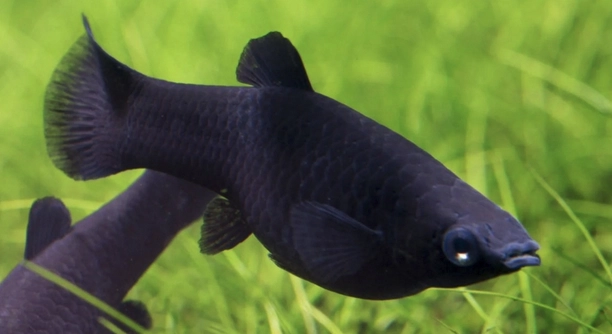
Do you ever notice your black molly fry floating quietly in the tank while the others swim around energetically? Sometimes their stillness can make you worry, especially if you are new to keeping these tiny fish.
The most common reason a black molly fry remains still is due to stress, poor water conditions, or insufficient nutrition. Ensuring stable water temperature, regular feeding, and clean surroundings helps maintain healthy activity and overall fry development.
Observing their behavior closely can reveal patterns that indicate health or environmental issues affecting your fry’s activity.
Common Reasons for Stillness
Black molly fry can remain still for several reasons. Poor water quality is a major factor. If ammonia or nitrite levels rise, fry may conserve energy and stay in one spot. Temperature fluctuations also play a role, as sudden changes can stress delicate fry. Overcrowding can make them feel unsafe, causing them to hide or pause movement. Nutrition affects energy levels too. Fry not getting proper food may appear lethargic. Even temporary stress from moving decorations, tapping the tank, or sudden light changes can cause brief stillness. Observing patterns in behavior helps identify whether stillness is normal or signals a problem. Regular water testing and careful feeding routines prevent issues. Creating small safe spaces with plants or hiding spots encourages fry to explore at their own pace, reducing stress. Monitoring water parameters and feeding frequently supports steady growth and keeps fry active.
Stress and water conditions are the main reasons fry stop moving, but proper care can quickly improve their activity levels.
Sometimes stillness is normal, especially after feeding or during quiet periods. Fry may rest near the bottom or among plants. Providing gentle currents and hiding areas gives them comfort. Ensuring gradual feeding and stable water conditions helps fry regain energy. Tracking activity over days reveals whether stillness is temporary or requires intervention.
Water Quality and Tank Environment
Proper water quality is essential for black molly fry health. Even minor changes in pH, temperature, or chemical levels can impact their behavior. Fry are extremely sensitive to pollutants or leftover food, which can build up harmful bacteria. Maintaining a stable temperature and regular partial water changes helps reduce stress. Filtration should be gentle to prevent fry from being sucked into strong currents. Plants and hiding spots give security and promote natural swimming behavior. Clean gravel and routine checks for toxins prevent sudden lethargy or stillness. Regular testing of water parameters ensures conditions remain safe. Avoid overcrowding and sudden changes in lighting or decorations, as these can trigger inactivity. A calm, balanced environment keeps fry exploring and reduces the chance of prolonged stillness. Observing tank conditions daily allows quick adjustments, supporting healthy growth.
Keeping water clean, stable, and slightly filtered provides an environment where fry are comfortable, active, and able to thrive without unnecessary stress.
Monitoring the tank over time can prevent problems before they start. Adjusting feeding, filtration, and temperature gradually allows fry to adapt smoothly. Small improvements in water quality or tank setup often lead to noticeable changes in activity. Using natural hiding spots, moderate light, and gentle circulation encourages movement and confidence. Avoiding rapid changes and overfeeding maintains stable water chemistry, reducing risks of lethargy. Fry respond to consistent care, and keeping notes on water tests and behavior helps spot trends. By understanding how each factor affects activity, you can create a balanced environment where fry grow strong. Regular observation, careful feeding, and attention to water conditions combine to ensure your black molly fry stay healthy and active. Over time, small, consistent actions prevent stress-related stillness and promote natural, lively behavior in your tank.
Feeding and Nutrition
Proper feeding directly impacts black molly fry activity. Fry require small, frequent meals of high-quality food. Overfeeding can pollute the water, while underfeeding leaves them weak and still. Balanced nutrition supports growth, energy, and normal swimming behavior.
High-protein foods like finely crushed flakes, baby brine shrimp, or micro-pellets provide essential nutrients for fry. Feeding small amounts several times a day ensures they consume enough without fouling the tank. Observing which fry eat actively and which lag behind helps adjust portions and prevent malnourishment. Rotating foods occasionally adds variety, promoting appetite and healthy development. Regular monitoring of feeding behavior is important to spot any early signs of illness or stress, as fry with reduced activity often indicate nutritional deficiencies or digestive issues.
Timing and portion control are key for fry nutrition. Overfeeding creates waste and toxins that lower water quality, while underfeeding slows growth and energy levels. Consistent schedules, high-quality foods, and careful observation help fry thrive.
Observing Behavior Patterns
Noticing when fry are still reveals much about their health. Short periods of rest are normal, but prolonged inactivity may indicate issues. Fry often pause near plants or the bottom for safety.
Tracking daily behavior highlights trends that might otherwise go unnoticed. Fry becoming still after feeding could be normal digestion, while sudden lethargy across multiple fry may signal stress, water imbalance, or disease. Observing swimming patterns, feeding response, and interaction with other fry gives insights into overall well-being. Environmental changes like temperature swings, light shifts, or new tankmates also influence activity levels. Consistent observation allows early detection of problems, making it easier to adjust conditions before serious health issues arise. Keeping a simple log of behavior and water parameters can reveal subtle patterns, helping maintain a stable, healthy environment for your fry to grow confidently and actively.
Tank Setup and Space
Providing enough space reduces stress for black molly fry. Overcrowded tanks limit swimming and make fry more prone to hiding. Adequate open areas allow natural movement.
Plants and gentle decorations create safe spots. Fry feel secure when they can retreat, which encourages exploration and reduces stillness.
Water Temperature
Stable water temperature is crucial for fry activity. Sudden changes can shock them and lead to stillness. Maintaining a steady range around 76–80°F supports metabolism and swimming behavior. Proper heaters and careful monitoring prevent temperature swings, keeping fry comfortable and active.
Light and Activity
Moderate lighting promotes natural activity. Too bright or too dim light can make fry hide or remain still. Consistent light cycles support healthy behavior.
FAQ
Why is my black molly fry staying at the bottom of the tank?
Fry often rest at the bottom when they are stressed, tired, or adjusting to the tank. Poor water quality, low oxygen, or sudden changes in temperature can make them conserve energy. Providing hiding spots, maintaining clean water, and stable temperature encourages more active swimming.
Can black molly fry stay still after feeding?
Yes, it’s normal for fry to rest after eating. Digestion requires energy, and they may pause near plants or substrate. Ensure meals are small and frequent so they do not overeat and the water quality remains stable.
How can I tell if my fry are sick?
Signs include prolonged stillness, clamped fins, irregular swimming, or loss of appetite. Fry may also develop spots, discoloration, or swelling. Observing behavior daily helps catch problems early. Water testing and proper nutrition are critical to prevent illness.
Do all black molly fry behave the same?
No, fry can vary in activity. Some are naturally more timid, hiding more often, while others swim actively. Differences in health, size, and energy levels affect movement. Monitoring all fry helps identify those needing special attention.
Is it normal for fry to hide all day?
Fry may hide during daylight or when startled. Plants and decorations give them a sense of security. Persistent hiding can indicate stress, poor water conditions, or insufficient space. Gradual adjustments to the tank and gentle feeding encourage them to explore more.
How often should I feed black molly fry?
Fry require frequent small meals, typically three to five times daily. Overfeeding can pollute water, while underfeeding slows growth. Use finely crushed flakes, baby brine shrimp, or micro-pellets. Observing their response ensures they are eating enough without leaving excess food.
Can temperature changes cause fry to stop moving?
Yes, fry are sensitive to temperature swings. Sudden drops or rises can shock them and make them lethargic. Maintaining a steady 76–80°F and using a reliable heater prevents sudden stress and keeps fry active.
Do black molly fry need hiding spots?
Yes, fry feel safer with plants or gentle decorations. Hiding areas reduce stress and encourage exploration when they feel secure. A balance of open swimming space and protected spots promotes natural movement and reduces prolonged stillness.
Should I worry if one fry is still while others swim?
Not always. Some fry are naturally calmer or temporarily resting. Watch for changes in color, appetite, or overall health. Consistent inactivity over several hours or days may indicate illness, stress, or nutritional deficiencies requiring attention.
How does water quality affect fry activity?
Poor water conditions reduce energy and can make fry still. Ammonia, nitrite, or nitrate spikes are toxic. Regular partial water changes, gentle filtration, and monitoring parameters maintain a safe environment and encourage normal swimming behavior.
Can overcrowding make fry stop moving?
Yes, overcrowding increases stress, competition for food, and limits space. Fry may hide or remain still to avoid conflict. Reducing the number of fry per tank or providing more space with decorations and plants helps them stay active.
Is it normal for fry to stay still at night?
Fry do rest at night, especially in dim light. Some may sleep near plants or substrate. Providing a consistent light-dark cycle supports natural rest periods and helps regulate their activity patterns.
Can stress from tank changes affect fry movement?
Yes, rearranging decorations, introducing new fish, or sudden water changes can stress fry. They may stay still until they adapt. Making gradual changes and monitoring behavior reduces stress and supports healthy activity.
Do black molly fry need specific water pH?
Yes, fry thrive in slightly alkaline water around pH 7.0–8.0. Sudden shifts in pH can stress them and reduce movement. Regular testing and gradual adjustments help maintain a stable environment that encourages normal swimming behavior.
How long do fry usually remain still after hatching?
Newly hatched fry may stay still for several hours as they absorb their yolk sac and adjust to the tank. This is normal. Active swimming gradually increases as they gain strength and start feeding. Observing them daily ensures they develop properly and stay healthy.
This FAQ addresses the most common concerns regarding black molly fry stillness. Careful observation, stable water, proper feeding, and a secure environment make a significant difference in maintaining active, healthy fry. Monitoring behavior closely allows you to spot problems early and adjust care accordingly.
Final Thoughts
Watching black molly fry can be both exciting and stressful. Their small size and delicate nature make any change in behavior noticeable. Stillness in fry often causes concern, especially for someone new to keeping them. While occasional rest is normal, prolonged inactivity usually points to environmental or health issues that need attention. By understanding the main factors that influence their activity, you can create a safer and more comfortable tank for them. Clean water, proper temperature, adequate space, and balanced nutrition are the most important aspects of fry care. Observing your fry closely allows you to see patterns in behavior and identify potential problems early. Fry that remain active and explore their environment are generally healthy, while those that stay in one place for long periods may be signaling stress or illness.
Consistency in care is key when raising black molly fry. Sudden changes in the tank, like adjusting decorations, adding new fish, or shifting lighting, can trigger stress. Fry are sensitive to water chemistry, so even small fluctuations in pH, ammonia, or nitrite levels can affect their energy levels. Maintaining a stable temperature between 76 and 80 degrees Fahrenheit is also critical. Using a gentle filter and providing plants or small hiding spots helps fry feel secure while encouraging them to swim and explore. Feeding small amounts multiple times per day ensures they get proper nutrition without overloading the tank. Even simple steps, like monitoring water quality daily and providing a consistent feeding routine, can greatly improve fry activity. Paying attention to individual behavior, such as which fry eat well and which hide frequently, allows you to offer extra care to the ones that need it most.
Raising black molly fry takes patience, observation, and attention to detail. Even small adjustments in tank setup, feeding, or water maintenance can have noticeable effects on their activity levels. Remember that fry behavior varies; some may naturally be calmer while others are more energetic. Stillness is not always a sign of a problem, but persistent inactivity often indicates an underlying issue that requires action. By providing a clean, stable, and nurturing environment, you help your fry grow strong and healthy. Over time, consistent care will pay off as you see them develop into lively, active fish. Monitoring their behavior, addressing water quality, and maintaining proper feeding routines are essential steps that support their well-being. Observing these tiny fish teaches patience and attentiveness, and it creates a satisfying experience as you watch them thrive in a well-maintained aquarium.

Hello,
If you enjoy the content that we create, please consider saying a "Thank You!" by leaving a tip.
Every little bit helps us continue crafting quality advice that supports the health, happiness, and well-being of pets around the world, for pets of all shapes, sizes, and species.
We really appreciate the kindness and support that you show us!