
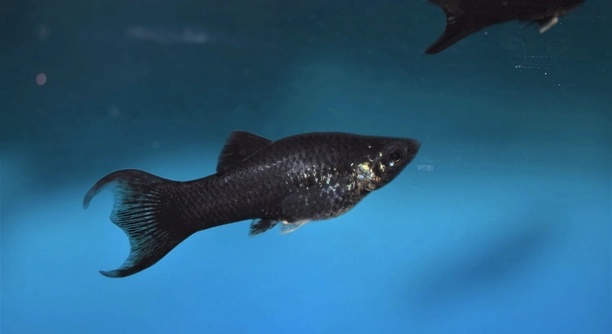
Do you ever notice your Black Molly swimming alongside other fish and wonder how it reacts to different species in the tank? Many aquarists observe their fish closely to understand their behavior and interactions.
Black Mollies can recognize other species to a certain extent. They use visual and chemical cues to identify familiar and unfamiliar fish, showing varying levels of social interaction, territorial behavior, and cautious observation depending on the species present in their environment.
Understanding these behaviors can help you create a harmonious tank environment and ensure your Black Molly thrives alongside other fish.
How Black Mollies Identify Other Fish
Black Mollies rely mostly on sight to distinguish between other fish in their tank. Their eyes are sensitive to movement, size, and color patterns, which help them recognize whether a fish is similar or different. They can notice familiar tankmates and may act more relaxed around them. Chemical signals in the water also play a role in recognition. Mollies release pheromones that communicate stress, territory, or reproductive readiness, allowing them to respond appropriately to neighbors. When they encounter a new species, they may swim cautiously, observing behavior before interacting. Sometimes they form loose schools with other peaceful fish, while aggressive species can trigger defensive actions. Even small changes in the tank environment, like new plants or decorations, can influence how Mollies assess other fish. Over time, repeated exposure helps them learn patterns of behavior and reduces unnecessary stress. This combination of visual and chemical cues ensures they can coexist safely with multiple species in a shared habitat.
Social learning helps Black Mollies adjust their behavior quickly. They observe reactions of other fish and respond accordingly.
Mollies can show different levels of tolerance depending on past experiences. If they are raised with mixed species from a young age, they tend to be less aggressive and more exploratory. Tank layout, water conditions, and feeding routines also impact interactions. They can detect signs of stress or illness in other fish, sometimes avoiding them to stay safe. Understanding these tendencies allows aquarists to plan compatible tanks and minimize conflicts, ensuring a calm environment for all species.
Signs Black Mollies Recognize Other Species
Black Mollies show subtle behaviors when they notice a new species in the tank. They may swim slower, pause frequently, or circle unfamiliar fish.
These behaviors indicate careful observation. Mollies may test boundaries with gentle nudges or mirror movements to gauge reactions. Over time, recognition becomes stronger. They can anticipate feeding times, react to aggressive fish, and even synchronize swimming with compatible species. Mollies can differentiate between dominant and passive tankmates, adjusting their own swimming patterns accordingly. Recognizing other species helps reduce unnecessary fights and stress. Aquarists who pay attention to these cues can manage the tank more effectively, ensuring all fish coexist with minimal tension. Observing how Mollies react provides insight into their social intelligence and capacity to adapt, giving valuable guidance for maintaining a balanced, peaceful aquarium.
Interaction Patterns with Other Species
Black Mollies often mirror the movements of other fish, swimming alongside or around them. They may display curiosity but keep a safe distance from aggressive species. Their behavior adjusts depending on the temperament and size of the tankmates.
These fish are highly observant, noticing even small changes in behavior or appearance. When a new species is introduced, Mollies often pause and study the newcomer, sometimes following at a distance before approaching. They can show both friendly and cautious behaviors, depending on past experiences and the reactions of other fish. Over time, they learn which species are safe to interact with and which require avoidance. Social cues such as sudden darting or chasing signal them to adjust their movements. Mollies also respond to feeding patterns, often associating certain species with mealtime competition.
Some Mollies establish mild dominance hierarchies even with other species. They may chase smaller fish lightly or assert themselves during feeding but rarely engage in harmful fights. Over time, these patterns stabilize, creating a predictable social structure. Understanding these interactions can help you prevent stress and aggression in a mixed-species tank, keeping your Black Mollies and other fish healthy.
Factors Affecting Recognition
Water clarity, tank size, and lighting can influence how well Mollies recognize other fish. Murky water or crowded conditions make recognition harder, leading to stress.
Recognition also depends on the species’ natural behavior and activity levels. Fast-moving or highly aggressive fish may trigger defensive reactions, while peaceful species encourage calm interactions. Black Mollies are more likely to remember familiar tankmates if they are consistently present. Consistent feeding routines and stable water conditions improve recognition and reduce unnecessary conflicts. Mollies are sensitive to environmental changes, so even minor adjustments can affect how they perceive others.
Mollies rely on both memory and repeated exposure to identify other species accurately. If a tankmate is temporarily removed, Mollies may take time to reacquaint themselves upon return. Seasonal changes or shifts in light cycles can also alter recognition, as fish adjust their behavior to new conditions. Social learning plays a role, as Mollies observe responses from other fish and adapt their own behavior accordingly. Careful management of tank conditions, gradual introductions of new species, and observing behavioral cues help maintain harmony. Over time, Mollies form patterns of recognition that guide their interactions with all tankmates.
Compatibility with Different Fish
Black Mollies generally do well with other peaceful species like guppies, platies, and tetras. Aggressive fish can stress them out and trigger defensive behaviors, so careful selection is important for a harmonious tank.
Size differences also affect interactions. Larger fish may intimidate Mollies, while smaller fish can coexist without conflict.
Recognizing Threats
Mollies quickly notice aggressive postures or sudden movements from other species. This awareness helps them avoid potential harm and navigate the tank safely.
Influence of Tank Environment
The layout and decorations in the tank impact recognition. Open spaces make it easier for Mollies to observe other fish, while dense plants or hiding spots allow cautious observation and reduce stress.
Behavioral Adaptation
Over time, Mollies adjust their actions based on repeated interactions. They learn which species are predictable, which are territorial, and how to move safely within the tank, creating a stable social environment.
FAQ
Can Black Mollies live peacefully with all fish species?
Black Mollies are generally peaceful, but they do best with other calm, non-aggressive fish. Fast-moving or territorial species can stress them, causing hiding or defensive behavior. Mollies tend to do well with guppies, platies, and some tetras, but large or aggressive tankmates should be avoided to maintain harmony.
How do Black Mollies recognize other fish in the tank?
They use a combination of visual cues and chemical signals. Movement, size, and color help them distinguish familiar fish from newcomers. Pheromones in the water provide additional information about stress, reproduction, or territorial boundaries, helping them respond appropriately to different species.
Do Black Mollies interact differently with similar species?
Yes. Mollies show more relaxed and social behavior with fish that share similar size, temperament, and swimming patterns. They may swim together, explore the tank collectively, or share feeding areas without tension. Familiar species trigger less stress and encourage natural social behaviors.
Can they recognize individual fish?
To some degree. Black Mollies remember past interactions and can identify tankmates based on repeated exposure. They respond differently to fish they know well versus newcomers, adjusting swimming patterns and distance accordingly. Memory and observation play a key role in their social adaptation.
Do environmental factors affect recognition?
Absolutely. Water clarity, tank size, lighting, and decorations influence how well Mollies see and assess other fish. Open spaces allow better observation, while dense plants or obstacles can make them cautious. Stable conditions improve recognition, while sudden changes can increase stress or confusion.
How do Mollies respond to aggressive tankmates?
They usually display defensive behaviors like swimming away, hiding, or keeping a safe distance. In some cases, they may assert mild dominance during feeding or minor territorial disputes. Avoiding prolonged exposure to aggressive species helps reduce stress and maintains healthier behavior.
Can Black Mollies learn from observing other fish?
Yes. They watch how other fish behave, especially in feeding or conflict situations, and adapt their own behavior accordingly. Social learning helps them anticipate potential threats and cooperate with compatible species, making daily interactions smoother.
Do Mollies have favorite tankmates?
While they don’t form attachments like mammals, Mollies tend to gravitate toward species that are calm, predictable, and non-threatening. Over time, they may swim near these tankmates consistently, showing preference for familiar, non-aggressive fish.
How long does it take for Mollies to recognize new species?
It varies. Some Mollies take a few days of cautious observation before interacting freely. Repeated exposure and calm environments help accelerate recognition, while sudden introductions or large, fast-moving fish can prolong cautious behavior. Patience is key to a stable tank.
Can multiple species coexist with Black Mollies long-term?
Yes, if the tank is properly managed. Providing sufficient space, hiding spots, and compatible species reduces stress and encourages peaceful interactions. Observing behavior, adjusting tankmates if needed, and maintaining consistent feeding and water conditions ensures a balanced environment where Mollies and other species can thrive together.
Do Black Mollies change behavior during breeding?
Breeding can heighten territorial instincts. Males may become more protective and chase certain fish away from breeding areas. Keeping a peaceful, compatible tank population and providing plenty of space helps reduce stress during this period.
Is it necessary to monitor interactions daily?
Monitoring is important, especially after introducing new species. Observing swimming patterns, hiding behavior, and feeding responses ensures that Mollies remain healthy and stress-free. Early detection of tension or aggression allows adjustments before problems escalate.
How do Mollies react to sudden changes in tankmates?
They may become cautious, swim slowly, or hide temporarily. Gradual introductions and maintaining stable environmental conditions help them adapt quickly, reducing unnecessary stress. Sudden changes can disrupt established social patterns and trigger defensive behaviors.
Can recognizing other species improve their overall well-being?
Yes. Proper recognition helps Mollies feel secure, reduces stress, and encourages natural social behaviors. A tank designed with compatible species, consistent routines, and environmental stability supports both recognition and healthy daily interactions, making Mollies more active and content.
Do Black Mollies interact with unfamiliar species differently over time?
Over time, they may become more relaxed as they learn that certain new species are non-threatening. Repeated exposure, calm tankmates, and consistent feeding schedules help them adjust and gradually accept newcomers without unnecessary stress.
How can aquarists encourage peaceful interactions?
Introduce compatible fish slowly, maintain clear water, provide hiding spots, and observe behavior regularly. Avoid aggressive species and monitor feeding routines. Understanding Mollies’ recognition patterns allows adjustments that prevent stress, support natural behavior, and foster a calm, stable tank environment.
Do Black Mollies respond to signals from other species?
Yes. They can detect stress, agitation, or reproductive signals from tankmates through visual cues and chemical signals in the water. These responses guide their behavior, helping them avoid conflict or participate in cooperative activities like schooling or feeding.
What is the most common mistake with mixed-species tanks?
Adding aggressive or much larger fish too quickly is the main issue. Mollies may become stressed, hide excessively, or act defensively. Gradual introductions and careful species selection prevent conflicts and maintain a peaceful, balanced environment for all fish.
Can tank decorations influence recognition and interaction?
Definitely. Plants, rocks, and hiding spots provide visual barriers that allow cautious observation, reduce direct confrontations, and create safe zones. A well-planned environment supports recognition and promotes natural, relaxed behaviors among Mollies and other species.
How do feeding routines affect interactions?
Consistent feeding helps Mollies associate tankmates with predictable behavior. Overcrowding or irregular feeding can cause competition and stress. Structured feeding routines encourage calm behavior and help Mollies recognize which species are safe during mealtime.
Are Black Mollies more social in larger groups?
They often become more confident in larger, compatible groups. Seeing multiple familiar fish encourages schooling behavior and reduces anxiety around new species. Group dynamics help reinforce recognition and establish a balanced social hierarchy, minimizing stress in mixed-species tanks.
What role does memory play in recognition?
Memory allows Mollies to remember past encounters and adjust behavior toward individual fish. They respond differently to familiar and unfamiliar tankmates, avoiding repeated stress and promoting stable, peaceful interactions over time.
Can Black Mollies coexist with territorial species?
It is risky. Territorial species can provoke defensive or aggressive reactions. If coexistence is necessary, providing ample space, visual barriers, and multiple hiding spots reduces conflict, but careful observation is essential to prevent stress or injury.
How do temperature and water conditions influence recognition?
Stable conditions improve sensory perception and behavior. Sudden changes in temperature, pH, or water quality can impair recognition, trigger defensive behavior, and increase stress. Maintaining consistent water parameters is crucial for harmonious interactions among Mollies and other species.
Do Black Mollies ever initiate interaction with other species?
Yes. They may swim close, mirror movements, or explore alongside peaceful fish. Initiating interaction usually occurs when they feel safe, the tank is calm, and species are familiar, showing both curiosity and social awareness.
How important is observation for maintaining a mixed-species tank?
Observation is vital. Watching swimming patterns, responses to new fish, and feeding behavior helps detect early signs of stress or aggression. Regular monitoring allows aquarists to make adjustments, ensuring Mollies and other species coexist safely and comfortably.
Can Black Mollies remember individual behaviors of other species?
Yes. They can recall past actions, such as aggression or passivity, and adjust future interactions. This memory helps them navigate the tank safely, avoid conflict, and establish predictable patterns of social behavior.
Do Black Mollies respond differently to males and females of other species?
They may. Males can display more territorial or competitive behavior toward other males, while females are usually less aggressive. Recognizing gender differences helps Mollies adapt their social interactions accordingly, reducing stress and conflict in the tank.
Can changes in lighting affect recognition?
Lighting affects visibility and perception of colors. Poor or inconsistent lighting can make it harder for Mollies to identify tankmates, triggering caution or stress. Bright, consistent lighting improves recognition and helps maintain natural behavior patterns.
Do Mollies show long-term recognition of species they rarely see?
They retain some memory of previous interactions, but long absences may weaken recognition. Reintroduction often requires cautious observation before resuming normal social behavior, especially with species they have not seen for a long time.
How can new aquarists help Black Mollies recognize other species safely?
Introduce compatible species slowly, maintain clear water, provide hiding spots, and watch behavior closely. Gradual introductions allow Mollies to assess tankmates, adjust safely, and develop recognition patterns without stress.
Does age affect recognition ability?
Younger Mollies are more curious but may need more time to learn boundaries. Adults tend to recognize species more quickly due to prior experiences. Both age groups benefit from stable environments and compatible tankmates to foster calm interactions.
Can recognition improve over generations?
Yes. Offspring raised in mixed-species tanks tend to learn recognition from their environment and the behaviors of adults, showing calmer and more adaptive responses to tankmates.
What is the best way to introduce new species to a tank with Mollies?
Introduce them gradually, monitor reactions, and provide visual barriers or hiding spots. Slow acclimation allows Mollies to observe, assess, and interact safely, reducing stress and encouraging peaceful coexistence.
Are Black Mollies affected by sudden changes in fish behavior?
Yes. Sudden aggression, rapid swimming, or unexpected hiding can stress Mollies. They adjust their own behavior, often becoming cautious or defensive, emphasizing the need for consistent, calm tank conditions.
Do Black Mollies recognize species from sight only?
Sight is primary, but chemical signals in water are also important. Visual and chemical cues work together to help them identify tankmates, gauge safety, and decide how to interact with other species.
Can stress affect recognition?
High stress impairs Mollies’ ability to recognize tankmates accurately. Overcrowding, aggressive species, or poor water quality can cause anxiety, hiding, or defensive behavior, making consistent care and environment crucial.
Do Mollies communicate with other species?
Communication is subtle, mostly through movement, positioning, and chemical signals. They signal intent, stress, or territory, helping both Mollies and other fish adjust behavior for smoother interactions.
Is it normal for Mollies to ignore some species?
Yes. They may avoid fish they perceive as aggressive, too large, or unpredictable. Ignoring certain tankmates reduces conflict and stress, allowing Mollies to focus on safe interactions and maintain calm in the tank.
How can aquarists measure successful recognition?
Observe swimming patterns, feeding behavior, and proximity to tankmates. Calm interactions, minimal hiding, and predictable behavior indicate Mollies are successfully recognizing other species and adapting to their environment.
Do Mollies recognize species differently in small vs. large tanks?
Tank size impacts visibility and comfort. In small tanks, stress may increase and recognition may be more cautious. Large tanks allow safe observation, more hiding spaces, and relaxed interactions, improving recognition and overall behavior.
Can mixed-species tanks improve mental stimulation for Mollies?
Yes. Observing and interacting with multiple species encourages natural behaviors like schooling, exploring, and cautious assessment. A stimulating tank promotes activity, curiosity, and healthier social dynamics.
Do Mollies react differently to slow vs. fast-moving species?
Fast-moving fish can trigger caution or avoidance, while slow-moving, calm species encourage closer interaction. Mollies adjust their swimming and positioning according to the activity level of other tankmates, balancing curiosity with safety.
Can recognition reduce aggression among tankmates?
Yes. Recognizing which species are safe and which are dominant helps Mollies avoid conflicts, maintain personal space, and reduce overall tension in the tank, contributing to a more peaceful environment.
Do Black Mollies interact more during feeding or rest periods?
Feeding time often triggers social interaction, including mild competition or schooling behavior. During rest, they may stay near familiar species for security, showing different patterns depending on the activity level and comfort in the tank.
How long does it take for a tank to stabilize with new species?
Stabilization depends on species compatibility, tank size, and environmental consistency. Usually, a few days to a couple of weeks are needed for Mollies to recognize newcomers and adjust social behaviors, establishing a calm, predictable routine.
Can water temperature changes disrupt recognition?
Yes. Temperature shifts affect activity levels, metabolism, and perception. Sudden changes can make Mollies cautious or defensive, temporarily impairing recognition of tankmates. Consistent temperature helps maintain normal behavior and interactions.
Do Mollies ever test boundaries with other species?
Yes. They may swim close, chase gently, or mirror movements to gauge reactions. Testing boundaries helps them understand social limits and adjust their own behavior to avoid conflict or stress.
Are Black Mollies more likely to recognize peaceful species first?
They tend to respond more quickly to calm, non-aggressive fish. Peaceful species encourage relaxed swimming and social behavior, allowing Mollies to assess them safely and interact without unnecessary caution.
Can multiple recognition factors overlap?
Yes. Sight, chemical cues, past experiences, and environmental conditions all work together. Mollies integrate these factors to make decisions about interaction, movement, and territory, ensuring safety and balanced social behavior.
Do Mollies recognize species across different tanks?
Recognition is usually limited to fish within the same tank. They rely on repeated exposure and environmental cues, so unfamiliar fish in a different tank are treated as new, requiring cautious observation before interaction.
How can recognition patterns guide tank management?
Observing Mollies’ behavior helps determine compatible species, identify stress, and adjust tank layout. Understanding recognition patterns ensures calm interactions, safe coexistence, and long-term health for all tank inhabitants.
Are Black Mollies naturally social or solitary?
They are social but cautious. Mollies prefer company, especially with compatible species, yet they maintain personal space and adjust behavior depending on the temperament of tankmates. Social balance is key to their well-being.
Can sudden additions of multiple species overwhelm Mollies?
Yes. Large introductions can cause stress, hiding, or defensive behavior. Gradual, controlled additions allow recognition to occur safely, promoting stable social dynamics and reducing aggression or anxiety in the tank.
Do Black Mollies interact differently with juveniles?
They tend to be less aggressive toward juveniles, often ignoring or tolerating them. Juveniles are smaller and less threatening, so Mollies adjust behavior to avoid unnecessary conflict while maintaining normal social patterns.
How does water flow affect recognition?
Strong currents can limit visibility and disperse chemical cues, making recognition harder. Calm water allows Mollies to observe movements, assess signals, and interact safely with other species.
Do Mollies ever form alliances with other species?
Not in a deliberate sense. However, they may swim near peaceful species for security, mirroring movements or sharing feeding areas. These interactions are based on safety and comfort rather than intentional partnership.
Can recognizing species improve breeding success?
Yes. Recognizing tankmates helps reduce stress, allowing males and females to focus on mating behavior. Calm, compatible tank conditions encourage healthier reproduction and reduce interference from other fish.
How long do Mollies retain recognition memory?
Memory varies but can last weeks to months. Repeated exposure reinforces recognition, while long absences may require a cautious reintroduction period to reestablish familiarity and calm interactions.
Do Black Mollies respond differently to aquarium decorations than live plants?
They use both for observation and hiding. Dense live plants may provide comfort and safe zones, enhancing recognition of nearby fish, while decorations offer visual barriers that reduce stress and support cautious interactions.
Can recognition affect feeding hierarchy?
Yes. Mollies may allow familiar, non-threatening species to eat first or share feeding areas more peacefully. Recognition helps reduce competition and prevents aggressive behavior during mealtime.
Do Black Mollies interact differently with nocturnal species?
Interactions are limited as Mollies are active during daylight hours. They may ignore nocturnal species during their inactive period but respond cautiously when these species become active, adjusting swimming and territory accordingly.
How does age of tankmates affect recognition?
Younger, smaller fish are usually tolerated and observed calmly. Adults may trigger more cautious behavior, especially if they display dominance or aggressive tendencies, influencing Mollies’ swimming patterns and proximity.
Are there signs of stress when recognition fails?
Yes. Hiding, erratic swimming, reduced feeding, or aggression indicates difficulty recognizing tankmates. Monitoring these signs helps aquarists address environmental or social factors to restore calm behavior.
Can Black Mollies recognize species through water alone?
Chemical signals alone provide information about presence, stress, or reproduction. While sight is crucial, olfactory cues help Mollies assess unfamiliar fish or confirm identity of familiar tankmates.
Do tankmates affect Mollies’ personality?
Yes. Peaceful, compatible fish encourage confidence and calmness, while aggressive or unpredictable species increase caution and defensive behavior. Tank composition shapes daily activity and social interaction.
Can recognition patterns differ between male and female Mollies?
Males may be more territorial or competitive, while females are often calmer and more social. These differences influence how each gender assesses other species and establishes interaction boundaries.
How often should tank conditions be checked to support recognition?
Daily observation of behavior, swimming patterns, and feeding responses helps maintain a stable environment. Consistent water quality, lighting, and decorations reinforce recognition and reduce stress for Mollies and other species.
Do Black Mollies prefer familiar species over newcomers consistently?
Yes. Familiar species are predictable and less stressful. Mollies approach them confidently, while new or aggressive fish trigger cautious behavior, highlighting the importance of gradual introductions and observation.
Can recognition behavior be used to introduce new species successfully?
Observing Mollies’ reactions helps guide introductions. Gradual exposure, hiding spots, and calm environments allow them to assess newcomers safely, increasing the likelihood of peaceful coexistence.
Do Black Mollies ever misinterpret other species’ behavior?
Occasionally. Sudden movements, unexpected chasing, or bright colors can be misread as aggression. Mollies adjust cautiously, often keeping distance until they fully assess the behavior.
How does tank population density influence recognition?
High density can reduce visibility, increase stress, and limit safe interaction. Lower density allows better observation, easier movement, and calmer recognition, supporting harmonious coexistence among all species.
Can Black Mollies recognize species in community tanks better than in single-species tanks?
Yes. Regular exposure to multiple species in a community tank enhances social learning and observation skills, improving recognition and adaptive behavior compared to single-species tanks where social cues are limited.
Do Mollies interact differently with slow-growing species?
They may be more tolerant, avoiding unnecessary competition. Slow-growing species are less threatening, allowing Mollies to swim nearby, explore, and share feeding areas without triggering defensive behavior.
**Can lighting duration affect recognition patterns
Black Mollies are thoughtful and observant fish, and understanding how they recognize other species can make a big difference in maintaining a peaceful aquarium. These fish rely on both sight and chemical signals to assess their environment and the fish around them. Visual cues like movement, size, and color patterns allow Mollies to identify familiar tankmates and detect potential threats. Chemical signals in the water provide additional information about stress, territory, and reproductive readiness. By paying attention to these factors, Black Mollies can respond appropriately to different species, whether by swimming closer to peaceful companions or keeping a safe distance from more aggressive tankmates. Observing these behaviors closely helps aquarists plan compatible communities and reduce unnecessary stress for all fish. Over time, Mollies become more confident as they learn the habits and patterns of their tankmates, which helps create a more stable and balanced environment.
Tank conditions play a significant role in how well Black Mollies recognize and interact with other species. Clear water, consistent lighting, and ample space allow them to observe movements and assess behaviors accurately. Decorations and plants provide hiding spots and visual barriers, which help Mollies approach new or unfamiliar species at their own pace. Environmental stability also supports memory and learning, allowing Mollies to remember tankmates and react appropriately based on previous experiences. Sudden changes in temperature, water quality, or tank population can disrupt these patterns, leading to stress or defensive behaviors. By maintaining stable and well-planned conditions, aquarists give Mollies the best chance to thrive in mixed-species tanks. Consistent feeding routines further help by reducing competition and creating predictable patterns of interaction. All of these factors work together to support healthy social behavior and long-term well-being.
Interactions between Black Mollies and other species are shaped by observation, experience, and adaptation. Mollies can test boundaries gently, adjust swimming patterns, and decide when to approach or avoid certain fish. They are more relaxed around familiar, non-aggressive species, while caution is displayed with aggressive or unpredictable tankmates. Recognition also influences feeding behavior, social hierarchy, and even breeding activity, as Mollies respond differently based on past interactions and the current environment. While they do not form attachments like mammals, repeated exposure and safe interactions encourage natural social behavior and reduce stress. By understanding these tendencies, aquarists can create a tank that accommodates multiple species successfully. Thoughtful planning, careful observation, and patience allow Black Mollies to coexist peacefully, adapt to new situations, and display the full range of their natural behaviors, making the aquarium both healthy and harmonious.

Hello,
If you enjoy the content that we create, please consider saying a "Thank You!" by leaving a tip.
Every little bit helps us continue crafting quality advice that supports the health, happiness, and well-being of pets around the world, for pets of all shapes, sizes, and species.
We really appreciate the kindness and support that you show us!