
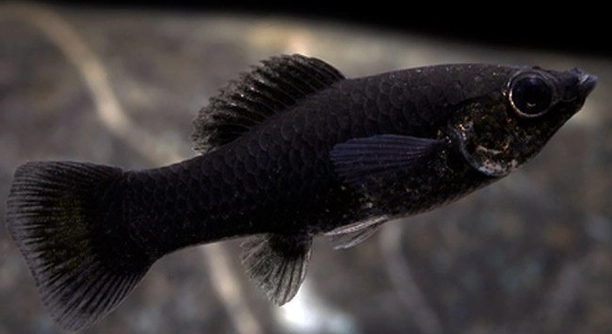
Black Molly are popular freshwater fish known for their striking black coloration and lively personalities. Observing them closely can reveal a lot about their comfort level in a new tank. Healthy adaptation is key to their wellbeing and growth.
Black Molly adapt well when they swim actively, eat regularly, display vibrant coloration, interact calmly with tank mates, and show consistent health indicators such as clear eyes, intact fins, and normal breathing patterns. These signs reflect a stable and stress-free environment.
Recognizing these behaviors early ensures your Black Molly thrive in their new home, helping you maintain a harmonious and healthy aquarium.
Increased Activity and Exploration
When Black Molly are adjusting well, they move around the tank frequently and explore their environment. You may notice them swimming near plants, decorations, and corners they have not visited before. Active swimming indicates they are comfortable with the water temperature and quality. Fish that hide constantly or remain still may be stressed or unwell. Observing the way they interact with different areas helps gauge their confidence. Over time, a well-adapting Molly will gradually expand its range, visiting all parts of the tank. This behavior also shows curiosity, a healthy appetite, and interest in other tank mates. Consistent activity is a good sign that their environment suits them. It also helps maintain their muscle tone and overall fitness. Watching them regularly gives insight into their health and can alert you to early issues before they become serious problems. Active swimming patterns are among the clearest indicators of a Black Molly settling comfortably.
Regular movement signals comfort and curiosity, showing the fish are adapting to the tank environment naturally.
Observation of increased activity highlights their readiness to engage with their surroundings. This behavior demonstrates confidence and healthy adaptation, encouraging better interactions with other fish.
Healthy Appetite
A Black Molly that is adjusting properly will show a steady appetite and eat at regular times. They will respond quickly when food is added and may swim eagerly toward it. Eating consistently indicates that they are comfortable in their environment and not stressed. Stress can reduce appetite, which may lead to weight loss or weakened immunity. Providing a balanced diet with occasional variety, such as flake food, small pellets, or frozen treats, supports their adaptation and overall health. Over time, they will learn feeding routines and may even recognize the person feeding them. It is helpful to monitor how much they eat to ensure each fish receives adequate nutrition. Avoid overfeeding, as leftover food can pollute the tank and create water quality issues. A Black Molly with a healthy appetite is usually bright, active, and shows other positive behaviors, signaling that the tank conditions and water parameters are suitable. Consistency in feeding is also an indirect way to reinforce comfort and stability.
Appetite is a clear and early indicator of a Black Molly’s adjustment and wellbeing.
Monitoring their eating habits confirms their comfort level and signals a stable, stress-free environment that supports long-term health.
Calm Interaction with Tank Mates
Calm behavior around other fish is a sign that Black Molly are adapting well. They do not chase aggressively and can coexist peacefully with community species. Stress or territorial disputes usually indicate adjustment issues or overcrowding.
Black Molly that interact calmly with other fish show balanced social behavior. They swim near tank mates without signs of fear or aggression. This balance reduces stress for all inhabitants and helps maintain a stable environment. Aggression, constant hiding, or frantic swimming can suggest poor adaptation or inadequate tank conditions. Monitoring their interactions ensures compatibility and overall health. Peaceful coexistence also encourages feeding and active exploration, reinforcing comfort and confidence.
Maintaining harmony is essential for long-term wellbeing. Calm interactions demonstrate comfort, indicating that the tank setup and water quality meet their needs. Observing social behavior provides reliable insight into their adaptation progress and overall stability.
Consistent Coloration
Stable and vibrant coloration shows that Black Molly are healthy and well-adjusted. Fading or dull colors often point to stress or illness, while bright tones indicate comfort in their surroundings.
Consistent coloration reflects proper nutrition, suitable water parameters, and low stress levels. Black Molly that display their natural dark hues without fading are likely adapting well. Poor coloration may result from water quality issues, lack of minerals, or stress from aggressive tank mates. Monitoring color changes over time helps track health and adaptation. Maintaining proper lighting, a balanced diet, and stable water conditions supports their natural pigmentation and overall wellbeing.
Bright, even coloration is not only visually appealing but also an important indicator of a Black Molly’s comfort and health. Regular observation allows you to address potential issues early, ensuring long-term stability in the tank.
Clear Eyes and Intact Fins
Clear eyes without cloudiness show that Black Molly are healthy and stress-free. Cloudy or bulging eyes may indicate poor water conditions or illness.
Intact fins without tears or clamping are another sign of proper adaptation. Healthy fins allow smooth swimming and prevent infections, reflecting a stable environment.
Normal Breathing Patterns
Black Molly that are adjusting well breathe steadily and do not gasp at the water surface. Rapid gill movement or frequent surface breathing can indicate oxygen deficiency, poor water quality, or stress. Observing regular, calm breathing ensures that the tank environment meets their physiological needs. Proper filtration, aeration, and regular water changes support normal respiratory function. Consistent breathing patterns reflect comfort and stability, helping the fish remain active, eat properly, and interact safely with tank mates. Monitoring their gill movement and overall breathing is a simple yet effective way to assess adaptation.
Swimming in Schools
Black Molly that swim together in small groups demonstrate security and comfort. Schooling behavior reflects low stress and good social adjustment.
FAQ
How can I tell if my Black Molly is happy in the tank?
A happy Black Molly shows active swimming, explores the tank, and interacts calmly with other fish. Bright and consistent coloration, steady eating habits, and clear eyes with intact fins are all indicators of comfort and health. Observing these behaviors regularly helps confirm that the fish are thriving in their environment.
Why is my Black Molly hiding so much?
Frequent hiding can indicate stress, illness, or adaptation issues. Check water quality, temperature, and tank mates. Overcrowding or aggressive fish can also make your Molly retreat. Providing plants, decorations, and quiet areas helps them feel secure and gradually encourages more active behavior.
What does it mean if my Black Molly changes color?
Color fading or dullness often signals stress, poor nutrition, or water problems. Sudden changes in shade may also indicate illness. Consistent, vibrant coloration suggests comfort, proper diet, and stable tank conditions. Adjusting diet and maintaining water quality supports their natural pigmentation.
How often should I feed my Black Molly?
Feed them small amounts 1–2 times a day, ensuring they consume all food within a few minutes. Overfeeding can pollute water and harm health. A balanced diet of flakes, pellets, and occasional frozen foods supports adaptation and vibrant coloration.
Can Black Molly live with other fish?
Yes, they are generally peaceful and can coexist with other non-aggressive species. Calm interactions indicate good adaptation. Monitor social behavior to prevent bullying or stress, and provide adequate space and hiding spots to maintain harmony in the tank.
What water conditions are best for Black Molly?
They prefer slightly alkaline water with a temperature between 75–82°F (24–28°C). Stable pH, proper filtration, and regular water changes are essential for comfort and healthy adaptation. Avoid sudden changes in temperature or water chemistry to prevent stress.
How long does it take for Black Molly to adapt to a new tank?
Adaptation varies but usually takes 1–2 weeks. Signs of adjustment include regular swimming, normal feeding, calm interaction with other fish, and consistent coloration. Gradual acclimation to water parameters helps reduce stress and promotes long-term health.
What are common signs of stress in Black Molly?
Stress can manifest as hiding, rapid breathing, faded colors, clamped fins, or loss of appetite. Aggressive behavior or lethargy may also occur. Observing these signs early allows corrective actions such as improving water quality, adjusting tank mates, or providing hiding spaces.
Should I use a tank heater for Black Molly?
Yes, maintaining a stable temperature within their preferred range supports health and adaptation. Sudden temperature drops can stress the fish, weaken their immune system, and affect activity and feeding behaviors. A reliable heater ensures a comfortable, stable environment.
How do I encourage my Black Molly to explore the tank?
Adding plants, decorations, and varied terrain encourages natural exploration. Providing sufficient space and quiet areas reduces stress. Consistent feeding and calm interactions with other fish also help them gain confidence and engage with their environment.
Can Black Molly live in both freshwater and slightly brackish water?
Yes, they tolerate slightly brackish conditions but thrive best in freshwater. Gradual acclimation is necessary when adjusting salinity. Maintaining proper water quality and stable conditions ensures comfort and reduces adaptation issues.
What should I do if my Black Molly stops eating?
Loss of appetite can indicate stress, illness, or poor water quality. Check tank conditions, observe for physical signs of disease, and provide fresh, high-quality food. Isolating a sick fish may be necessary to prevent spreading illness and ensure proper recovery.
How important is tank size for Black Molly adaptation?
Adequate space is essential. A small tank can cause stress, aggression, or stunted growth. Providing enough room for swimming and hiding promotes natural behavior, calm interactions, and proper feeding habits, supporting overall health and adaptation.
How often should I clean the tank for Black Molly?
Perform partial water changes weekly and clean substrate and decorations regularly. Avoid over-cleaning, which can disrupt beneficial bacteria. Maintaining stable water quality supports health, reduces stress, and encourages active, confident behavior.
What are signs that my Black Molly is sick?
Indicators include faded coloration, clamped fins, rapid or irregular breathing, lethargy, hiding, and loss of appetite. Physical signs like white spots, fin damage, or swollen eyes may also appear. Early detection and intervention improve recovery chances.
Can Black Molly breed in a community tank?
Yes, they can breed in the right conditions. Providing plants and hiding spaces ensures fry survival. Calm tank mates and proper diet support reproduction. Observing breeding behavior can also indicate overall comfort and adaptation.
How do I reduce stress during water changes?
Introduce new water gradually and match temperature and pH. Avoid sudden changes and ensure the tank is stable during the process. Gentle handling and partial changes reduce stress, allowing Black Molly to maintain normal behavior and feeding patterns.
Is it normal for Black Molly to swim at the surface?
Yes, occasional surface swimming is normal, especially during feeding. Constant gasping or staying at the surface may indicate low oxygen or water quality issues. Proper aeration, filtration, and water maintenance support healthy breathing and activity.
Can I mix different color varieties with Black Molly?
Yes, they generally adapt well with other varieties, but watch for dominance or aggression. Mixing varieties can be visually appealing and encourage natural interaction, provided tank space and water conditions are suitable.
How can I tell if a Black Molly is stressed by tank mates?
Signs include hiding, clamped fins, reduced feeding, or frantic swimming. Observing their behavior around other fish helps identify tension. Adjusting tank layout, separating aggressive individuals, or providing hiding spots reduces stress and promotes calm interactions.
What role does lighting play in Black Molly adaptation?
Lighting affects color, behavior, and activity. Moderate lighting mimics natural conditions, supports plant growth, and allows fish to display vibrant coloration. Avoid overly bright or constant lighting, which can stress the fish and disrupt normal behavior.
How long should I monitor my Black Molly after introducing them to a new tank?
Observe daily for at least two weeks, focusing on swimming, feeding, social behavior, coloration, and breathing. Early observation allows timely intervention for stress, illness, or environmental issues, supporting successful adaptation and long-term health.
Can stress affect breeding in Black Molly?
Yes, stressed fish are less likely to breed. Stable water conditions, peaceful tank mates, proper diet, and consistent routines help reduce stress, encouraging natural breeding behaviors. Stress management is key to healthy reproduction and overall adaptation.
What is the best way to acclimate a new Black Molly?
Float the bag in the tank for 15–20 minutes to match temperature, then gradually add tank water before release. Slow acclimation reduces shock, stress, and the risk of illness, ensuring smoother adjustment to the new environment.
How do I know if my Black Molly has adapted fully?
Full adaptation is evident when fish swim actively, feed consistently, interact calmly with tank mates, maintain vibrant coloration, show steady breathing, and display natural schooling or exploratory behavior. Consistent observation confirms long-term health and comfort.
Can I use supplements to help Black Molly adapt?
Yes, vitamins and minerals can support coloration, immune function, and stress resilience. Use supplements according to manufacturer instructions. Proper diet and water quality remain the most critical factors for adaptation and overall wellbeing.
What should I do if one Black Molly is not adapting like the others?
Isolate the fish in a quarantine tank if necessary. Check water parameters, diet, and health status. Stress, disease, or aggressive tank mates may cause poor adaptation. Gradual reintroduction after improvement helps ensure safety and comfort.
Are there behavioral differences between male and female Black Molly during adaptation?
Males may display more active swimming and occasional chasing, while females tend to be calmer. Both should show healthy coloration, regular feeding, and normal breathing. Observing gender-specific behavior helps gauge overall adaptation and tank harmony.
How important is water filtration for Black Molly adaptation?
Filtration maintains water quality, removes waste, and supports oxygen levels. A well-filtered tank reduces stress, prevents illness, and encourages active swimming, feeding, and social interactions, all of which are essential for successful adaptation.
What is the ideal pH range for Black Molly?
A pH of 7.0–8.0 is suitable. Stability within this range promotes health, comfort, and adaptation. Sudden pH shifts can stress the fish, affecting feeding, coloration, and behavior. Regular monitoring ensures a stable environment.
Can Black Molly adapt to slightly cooler water temporarily?
They tolerate minor temperature fluctuations, but prolonged exposure to cooler water can stress them. Maintain stable temperatures for optimal adaptation, activity, and immune function. Gradual adjustments are safer than sudden changes.
How do I encourage schooling behavior in Black Molly?
Keeping at least three or more together promotes natural schooling. Providing space, calm tank mates, and consistent routines encourages synchronized swimming, boosting confidence and reducing stress.
What signs indicate my Black Molly is thriving long-term?
Active swimming, healthy feeding habits, bright coloration, calm social interaction, steady breathing, intact fins, and normal reproduction indicate long-term wellbeing. Regular observation ensures they remain comfortable and continue adapting successfully.
How often should I check water parameters for optimal adaptation?
Test weekly for pH, temperature, ammonia, nitrite, and nitrate levels. Frequent checks prevent issues, maintain comfort, and support healthy behavior, feeding, and coloration. Consistent water quality is essential for adaptation.
Are there environmental enrichments that help Black Molly adapt?
Plants, hiding spots, decorations, and varied terrain encourage natural behaviors, exploration, and confidence. Enriched environments reduce stress, promote activity, and improve social interaction, supporting overall adaptation.
Can adding new fish disrupt adapted Black Molly?
Yes, introducing new fish can temporarily stress existing fish. Gradual introduction, quarantine of newcomers, and monitoring interactions help maintain a calm environment and prevent aggression or hiding behavior.
How important is tank size for multiple Black Molly?
Sufficient space reduces stress, allows natural swimming, and supports social interactions. Overcrowding can cause aggression, hiding, and poor adaptation. Providing ample swimming area and hiding spots ensures comfort for all fish.
Do Black Molly need a specific diet to adapt well?
Balanced nutrition with flakes, pellets, and occasional frozen foods supports growth, coloration, and immune function. Proper diet reduces stress and encourages feeding behavior, essential for successful adaptation in a new environment.
Can I use water conditioners to aid adaptation?
Yes, conditioners remove chlorine, chloramines, and heavy metals, reducing stress and promoting healthy gill function. Treated water supports feeding, breathing, and overall comfort, helping Black Molly adjust quickly.
How can I prevent stress during tank maintenance?
Perform water changes slowly, avoid sudden temperature shifts, and minimize disruption. Gentle handling and stable conditions help maintain normal behavior, feeding, and coloration, reducing adaptation setbacks.
Is observing behavior more important than appearance for adaptation?
Both are important, but behavior often gives earlier clues. Active swimming, calm interaction, and regular feeding indicate comfort before physical signs like coloration or fin health appear. Monitoring behavior ensures timely interventions.
Do Black Molly prefer plants or open swimming space?
A combination of both is ideal. Plants provide hiding and security, while open space allows active swimming and schooling. Balanced tank layout reduces stress and supports exploration, feeding, and natural behavior.
How quickly should I notice positive adaptation signs?
Within 1–2 weeks, fish should show active swimming, steady feeding, calm social behavior, and consistent coloration. Early observation ensures proper adjustment and identifies potential issues before they worsen.
Can poor water quality reverse adaptation progress?
Yes, unstable or polluted water can stress fish, dull colors, reduce appetite, and cause hiding. Maintaining filtration, aeration, and regular water changes is essential to preserve adaptation and overall health.
Are Black Molly sensitive to sudden changes in light or temperature?
Yes, sudden changes can stress them, affecting feeding, breathing, and social behavior. Gradual adjustments and consistent conditions help maintain comfort and proper adaptation.
What is the best way to track adaptation over time?
Observe daily for swimming patterns, feeding, social interaction, coloration, and breathing. Keep notes if needed. Early detection of changes allows timely adjustments to water quality, diet, or tank setup, ensuring successful adaptation.
Do Black Molly need a specific water hardness?
Moderate hardness (10–25 dGH) is ideal. Stability supports health, comfort, and vibrant coloration. Sudden shifts can cause stress and behavioral changes. Regular monitoring ensures a suitable environment for adaptation.
How important is stress reduction for breeding Black Molly?
Low stress is critical. Comfortable fish are more likely to reproduce. Stable water conditions, proper diet, calm tank mates, and hiding spaces all reduce stress, supporting successful breeding behavior.
Can tank decorations influence adaptation?
Yes, decorations provide hiding spots, reduce aggression, and encourage exploration. Well-placed plants, rocks, or ornaments create security and comfort, helping fish feel safe and adapt more quickly.
Is it normal for Black Molly to occasionally dart around?
Short bursts of rapid swimming are natural and often indicate playfulness or excitement. Continuous frantic movement, however, may signal stress, poor water quality, or aggression.
Do Black Molly need additional oxygenation to adapt?
Adequate aeration supports calm breathing and reduces stress. While they tolerate normal oxygen levels, extra aeration ensures comfort, particularly in densely stocked tanks or warmer water.
How do I know if my Black Molly’s adaptation is stable?
Consistency in swimming, feeding, coloration, social behavior, and breathing over weeks shows stable adaptation. Any sudden change may indicate stress, water issues, or illness. Monitoring these signs ensures long-term comfort and health.
Can seasonal changes affect adaptation?
Temperature fluctuations or sunlight variations can stress fish. Maintaining stable indoor conditions with heaters, filters, and controlled lighting supports consistent behavior, feeding, and coloration.
How can I support shy Black Molly during adaptation?
Provide hiding spots, gradual introduction to tank mates, and minimal disturbance. Consistent feeding and gentle observation encourage confidence, helping shy fish gradually explore and interact comfortably.
Should I monitor Black Molly individually or as a group?
Both approaches help. Individual observation detects subtle health or stress issues, while group behavior shows social adaptation and schooling patterns. Combining observations ensures a complete assessment.
Are juvenile Black Molly harder to adapt than adults?
Juveniles may be more sensitive to water changes and tank mates. Gradual acclimation, proper diet, and a secure environment support their adaptation. Adults are generally more resilient but still require stable conditions.
Can adding plants improve coloration and behavior?
Yes, plants create a natural environment, reduce stress, and encourage exploration. A well-planted tank supports vibrant coloration, calm behavior, and successful adaptation.
Is it normal for Black Molly to rest near the bottom?
Occasional resting is normal, especially after feeding or activity. Persistent bottom-dwelling, gasping, or clamped fins may indicate stress, illness, or poor water quality.
How can I make the tank more comfortable for Black Molly?
Maintain stable water conditions, provide hiding spots, ensure proper filtration, offer a balanced diet, and avoid overcrowding. Comfortable conditions promote activity, feeding, social interaction, and long-term adaptation.
Can temperature swings affect feeding behavior?
Yes, rapid or extreme temperature changes can reduce appetite, stress the fish, and affect digestion. Stable temperatures support regular feeding, activity, and overall adaptation.
Do Black Molly need companionship during adaptation?
They are social fish, and keeping them in small groups encourages natural schooling, reduces stress, and promotes confident exploration. Isolation can slow adaptation and affect behavior.
How often should I observe Black Molly during the first month?
Daily observation is ideal. Focus on swimming, feeding, coloration, breathing, and social interactions. Early detection of issues allows prompt corrective action, ensuring successful adaptation and long-term health.
Can water pH fluctuations cause hiding or stress?
Yes, sudden pH changes can trigger hiding, clamped fins, reduced feeding, and erratic swimming. Maintaining a stable pH ensures comfort, healthy behavior, and successful adaptation.
What is the best way to handle a stressed Black Molly?
Reduce disturbance, check water quality, ensure hiding spaces, and maintain stable temperature and pH. Minimize handling and observe closely until normal behavior returns.
Are Black Molly sensitive to sudden noise or vibrations?
Yes, loud noises, tapping, or vibrations can startle them, causing stress or hiding. Calm handling and stable placement of the tank support consistent adaptation and comfort.
Can different lighting schedules impact adaptation?
Consistent light and dark periods support natural rhythms, feeding, and behavior. Sudden changes or constant lighting can stress the fish and affect coloration, activity, and overall wellbeing.
Do Black Molly need specific minerals in water?
Calcium, magnesium, and trace minerals support growth, coloration, and fin health. Proper water composition ensures comfort, reduces stress, and supports healthy adaptation.
Is it normal for Black Molly to chase each other occasionally?
Mild chasing among males is natural for dominance or mating behavior. Persistent aggression or injury signals stress or overcrowding and requires intervention to maintain harmony.
How do I help Black Molly adapt after a tank move?
Gradually acclimate them to new conditions, maintain stable temperature, pH, and water quality, and provide hiding spots. Monitor feeding, swimming, and social behavior closely for signs of stress.
Can overfeeding affect adaptation?
Yes, leftover food pollutes water and increases stress, illness risk, and aggression. Feed controlled portions and remove uneaten food to support healthy adaptation.
What should I do if adaptation signs suddenly reverse?
Check water quality, tank mates, diet, and health. Identify stressors and correct them. Isolate affected fish if necessary. Consistent care helps restore normal behavior and wellbeing.
Are Black Molly sensitive to tank shape or layout?
Yes, open swimming space combined with hiding areas supports exploration and reduces stress. Poor layout can limit movement and increase hiding behavior, affecting adaptation.
How can I track long-term adaptation progress?
Keep notes on swimming, feeding, coloration, breathing, and social behavior. Compare observations weekly to detect trends, allowing timely adjustments to maintain comfort and health.
Is water hardness more important than pH for adaptation?
Both matter, but pH stability has a more immediate effect on stress and behavior. Proper hardness supports overall health, growth, and coloration. Both contribute to successful adaptation.
Can sudden tankmates cause aggression and stress?
Yes, introducing aggressive or incompatible fish may trigger hiding, clamped fins, or reduced feeding. Gradual introductions and monitoring interactions maintain harmony and support adaptation.
Do Black Molly need extra vitamins during adaptation?
Supplements can help, but a balanced diet and stable environment remain the primary factors for health, coloration, and reduced stress. Use supplements sparingly to avoid overd
Black Molly are resilient and engaging fish, but their well-being relies heavily on a stable and supportive environment. Observing their behavior carefully can reveal whether they are adapting properly. Signs such as active swimming, healthy appetite, consistent coloration, calm interactions with tank mates, and steady breathing are reliable indicators of comfort. Paying attention to these behaviors early helps prevent stress, illness, and long-term health problems. A tank that provides adequate space, proper filtration, appropriate water conditions, and hiding spots allows Black Molly to settle in and display natural behaviors. Maintaining a balanced diet and consistent feeding schedule supports their growth, coloration, and overall health, making adaptation smoother.
Adaptation is not instantaneous and requires patience and observation. Black Molly may take a few days to a couple of weeks to show signs of adjustment, depending on water conditions, tank setup, and individual temperament. Gradual acclimation to the tank, careful monitoring of water quality, and ensuring compatible tank mates can significantly reduce stress and help them thrive. It is important to watch for subtle changes in behavior, such as hiding, clamped fins, or irregular breathing, which can indicate discomfort or stress. Intervening promptly by adjusting water parameters, providing more hiding spaces, or separating aggressive fish ensures that your Black Molly remain healthy and confident in their environment. Understanding their specific needs and observing their responses allows for a long-lasting and harmonious tank environment.
Long-term success with Black Molly comes from consistent care and attention. Providing a tank that balances swimming space, plants, and decorations encourages exploration and natural schooling behavior. Maintaining stable temperature, pH, and hardness supports their immune system, coloration, and overall adaptation. Regular water changes, proper filtration, and controlled feeding schedules prevent water quality issues that could lead to stress or disease. Observing social dynamics between fish ensures calm interactions and prevents aggression. By monitoring behavior and physical signs daily, you can respond to small issues before they develop into serious problems. Black Molly that adapt well will display a balance of activity, curiosity, calm social interactions, and vibrant coloration, reflecting a stable and healthy environment. Consistency in care, observation, and environment allows these fish to thrive, making your aquarium a lively and balanced space for both the fish and yourself.

Hello,
If you enjoy the content that we create, please consider saying a "Thank You!" by leaving a tip.
Every little bit helps us continue crafting quality advice that supports the health, happiness, and well-being of pets around the world, for pets of all shapes, sizes, and species.
We really appreciate the kindness and support that you show us!