
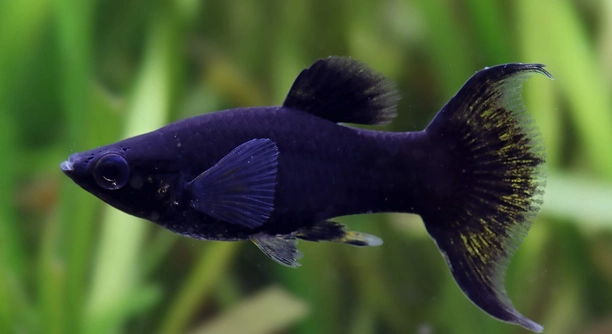
Is your black molly fry losing its vibrant color despite regular feeding and care? Many fish owners notice their young mollies fading over time, leaving them concerned about the health and overall well-being of their aquatic pets.
The most common reasons for color loss in black molly fry include poor water quality, inadequate nutrition, and stress. Maintaining a clean tank environment, providing a varied diet rich in carotenoids, and minimizing stressors can help restore and preserve their pigmentation.
Understanding these factors can help you take immediate action and ensure your molly fry develops strong coloration as it grows.
Common Causes of Color Loss in Black Molly Fry
Poor water quality is often the main reason black molly fry lose their color. Ammonia, nitrite, and nitrate levels that are too high can stress the fry and affect pigmentation. Even small fluctuations in temperature can weaken their immune systems, causing fading. Nutrition also plays a major role. A diet lacking in carotenoids, vitamins, or protein can prevent proper pigmentation. Stress from overcrowding or aggressive tank mates can further contribute to color loss. Fry kept in tanks with strong lighting or frequent disturbances may appear paler. Genetics can also influence coloration. Some fry are naturally lighter and may not develop deep black tones. Maintaining stable water conditions, offering a nutrient-rich diet, and providing a calm environment can help your molly fry regain and maintain healthy coloration. Monitoring tank conditions closely is essential to prevent further fading and keep them vibrant.
Consistently checking water parameters and adjusting diet are simple yet effective ways to support your molly fry’s color development.
Observing behavior alongside physical changes can provide additional insights. Fry that hide often or swim lethargically may be stressed or ill. Early intervention, like partial water changes and feeding high-quality fry food, can make a noticeable difference. Regular tank maintenance, proper filtration, and stable temperatures help maintain overall health and coloration.
How to Improve Fry Pigmentation
Providing a high-quality diet is crucial for color restoration and overall health.
Fry benefit from foods rich in carotenoids, such as spirulina, daphnia, or specially formulated fry flakes. Fresh, small portions encourage feeding and growth without fouling the water. Avoid overfeeding, which can lead to poor water conditions. Alongside diet, maintaining clean water with regular partial changes supports healthy development. Stress reduction is equally important. Limit overcrowding, keep tank mates compatible, and ensure hiding spaces exist. Stable temperature and lighting also enhance natural pigmentation. Observing the fry daily helps you catch early signs of stress or illness, allowing for timely corrective action. Combining these measures over several weeks can lead to more vibrant coloration and stronger, healthier fish. By focusing on diet, water quality, and stress management, you create an environment where black molly fry can thrive and display their natural, rich colors.
Maintaining Optimal Water Conditions
Regular water testing is essential for keeping ammonia, nitrite, and nitrate at safe levels. Partial water changes prevent toxin buildup and keep the environment stable. Proper filtration and avoiding overcrowding reduce stress and help fry maintain healthy coloration.
Water temperature stability is equally important for black molly fry. Sudden drops or rises can stress them, causing color fading or weakened immunity. Using a reliable heater and thermometer ensures consistent conditions. Tank cycling before adding fry establishes a balanced environment with beneficial bacteria. Aeration and gentle water flow also support oxygenation, helping fry stay active and healthy. Monitoring these factors consistently allows for early detection of problems, preventing prolonged stress and further pigmentation loss.
Overfeeding or leaving uneaten food in the tank can lead to ammonia spikes and poor water quality. Feeding small, frequent portions ensures fry get proper nutrition without contaminating the water. Combining careful feeding practices with regular water maintenance creates a stable environment that encourages vibrant coloration and healthy growth.
Stress Management for Fry
Reducing stress is vital for maintaining color and overall health in black molly fry. Small tanks or aggressive tank mates can cause constant tension.
Providing hiding spots and adequate space minimizes confrontations and allows fry to explore safely. A calm environment with minimal disturbances helps them focus energy on growth and pigmentation. Gentle lighting and consistent daily routines reduce startle responses. Limiting sudden changes in water chemistry or temperature prevents stress-induced fading. Fry kept under these stable conditions often display more vivid colors and active behaviors. Observing behavior helps identify stress early, allowing for timely adjustments in tank setup or feeding.
Stress not only affects coloration but can weaken the immune system, making fry more susceptible to illness. Overcrowding increases competition for food and space, leading to slower growth and paler colors. Tank decorations, plants, and gentle filtration create secure areas for hiding and swimming, reducing anxiety. Ensuring compatibility among tank mates prevents bullying and injury, promoting overall well-being. Maintaining a calm, consistent environment combined with careful observation allows fry to develop naturally strong colors while staying healthy. Proper handling and minimal disturbances also support their resilience and long-term vitality.
Feeding Strategies for Vibrant Color
Offering a varied diet rich in protein and carotenoids supports pigmentation. Small portions multiple times a day prevent overfeeding and maintain water quality.
Incorporating live or frozen foods like brine shrimp and daphnia encourages natural foraging behavior while enhancing color. High-quality fry flakes or pellets ensure essential nutrients for growth and strong pigmentation.
The Role of Lighting
Proper lighting helps fry develop and maintain their natural colors. Avoid overly harsh lights that may stress them.
Balanced day and night cycles support normal behavior and coloration. LED or fluorescent lights with moderate intensity work well, enhancing visibility and reducing stress.
Genetic Factors Affecting Color
Some black molly fry naturally have lighter pigmentation due to genetics. Color intensity may vary even under ideal conditions.
Observing Health and Behavior
Watching fry behavior daily helps identify early signs of stress or illness. Lethargy or hiding may indicate problems.
FAQ
Why is my black molly fry turning pale even though the water looks fine?
Even if water looks clear, chemical imbalances like elevated ammonia, nitrite, or nitrate can stress fry. Regular testing is essential, as clear water does not guarantee safe conditions. Small fluctuations in pH or temperature can also impact coloration. Stress from tank disturbances or aggressive tank mates may make fry appear paler.
How often should I feed my black molly fry to maintain color?
Fry benefit from small portions multiple times a day rather than one large feeding. Overfeeding can foul the water, reducing quality and affecting pigmentation. High-protein foods such as brine shrimp, daphnia, or specialized fry flakes encourage healthy growth and vibrant coloration. A consistent feeding routine prevents stress and nutritional deficiencies.
Can genetics cause my fry to remain light-colored?
Yes, some black molly fry naturally have lighter pigmentation due to inherited traits. Even with ideal water conditions and diet, genetics can result in variations in color intensity among fry in the same batch. Focusing on nutrition and environment helps them reach their full potential.
Is stress a major factor in color loss for black molly fry?
Stress significantly affects coloration. Overcrowding, incompatible tank mates, sudden water changes, or excessive handling can cause fry to fade. Providing hiding spots, gentle filtration, and stable water conditions reduces stress, allowing fry to maintain or regain their natural colors over time.
How important is water temperature for fry coloration?
Stable water temperature is crucial. Sudden drops or rises can cause stress and reduce pigmentation. Using a reliable heater and thermometer keeps the environment consistent. Ideal temperatures for black molly fry typically range from 24°C to 28°C, depending on the tank setup and fry age.
Will improving diet alone restore lost color?
Diet alone may not fully restore color if other factors like water quality or stress are not addressed. Nutrient-rich foods improve pigmentation over time, but a combination of stable water conditions, low-stress environment, and proper nutrition produces the best results.
How long does it take to see color improvement?
Color changes can take several weeks, depending on the severity of fading and environmental adjustments. Fry that receive consistent care, proper diet, and stress-free conditions gradually regain vibrant coloration. Patience and observation are key, as rapid changes may indicate persistent stress or illness.
Are there specific foods that enhance black coloration?
Foods containing natural carotenoids, like spirulina, brine shrimp, and daphnia, support black pigmentation. Fry flakes formulated for coloration provide essential nutrients. Variety ensures balanced nutrition and encourages natural foraging behavior, which also promotes healthier, more vibrant fry.
Can overcrowding affect fry color?
Yes, overcrowding increases competition for food and space, causing stress and paler coloration. Each fry needs enough room to swim freely and hide. Proper tank size and compatible tank mates reduce stress and encourage consistent growth and healthy pigmentation.
Should I treat color loss as a health problem?
Color loss can indicate environmental or dietary stress rather than disease. Monitoring water quality, diet, and behavior helps determine the cause. Persistent fading alongside lethargy, abnormal swimming, or appetite loss may signal illness, requiring prompt attention to prevent worsening conditions.
Do hiding spaces really help with pigmentation?
Providing plants, decorations, or other hiding spots reduces stress and allows fry to explore safely. Reduced stress supports immune function and natural coloration. Fry feel secure in spaces where they can retreat, making them more active and vibrant over time.
Is lighting a factor in maintaining color?
Moderate lighting supports healthy pigmentation and normal behaviors. Excessively bright or direct lighting can stress fry, causing them to appear paler. A balanced day-night cycle ensures natural activity and allows fry to display their colors without added stress.
Can water changes alone restore color?
Water changes improve quality and reduce toxins, which helps fry regain natural pigmentation. However, color restoration works best when combined with a balanced diet, stress reduction, and proper tank conditions. Consistency is key to long-term health and vibrant coloration.
Are there signs that color loss is permanent?
Fry that remain pale despite optimal care may have genetic limitations or early stress effects that prevented full pigmentation. Ensuring good water conditions and nutrition still supports overall health, even if full color intensity is not achieved.
How do I monitor progress in fry coloration?
Observe fry daily for subtle changes in pigmentation, activity, and appetite. Taking photos or notes weekly helps track improvements over time. Consistent care and attention to behavior allow early adjustments, ensuring fry develop as vibrantly and healthily as possible.
This FAQ covers the main concerns regarding black molly fry losing color and provides actionable steps for maintaining healthy pigmentation.
Caring for black molly fry and maintaining their vibrant color requires a combination of consistent care, proper nutrition, and a stable environment. Many factors can influence their pigmentation, including water quality, diet, stress levels, and genetics. Even small changes in temperature, pH, or tank conditions can cause fry to fade, which can be concerning for any fish keeper. Ensuring the tank is properly cycled before introducing fry, performing regular water tests, and making partial water changes when necessary helps maintain a healthy environment. A clean and stable habitat reduces stress and prevents the buildup of harmful chemicals that can negatively impact fry coloration. Providing gentle filtration, proper aeration, and adequate space also contributes to their well-being. When these factors are addressed consistently, fry are more likely to retain strong, natural colors as they grow.
Nutrition plays a crucial role in supporting pigmentation in black molly fry. A balanced diet rich in protein, vitamins, and carotenoids helps fry develop vibrant black tones. Live or frozen foods such as brine shrimp and daphnia offer essential nutrients that are readily absorbed, while high-quality fry flakes or pellets provide a convenient and reliable source of nourishment. Feeding small portions multiple times a day ensures fry get the nutrients they need without polluting the water. Avoiding overfeeding is essential, as leftover food can decay and compromise water quality, leading to stress and fading coloration. Observing feeding behavior is also important. Active, curious fry that feed readily are generally healthier and more likely to display strong pigmentation. Combining a nutrient-rich diet with stable water conditions and minimal stress provides the best results for healthy, vibrant fry.
Stress management is equally important for maintaining color and overall health. Fry exposed to aggressive tank mates, overcrowding, sudden environmental changes, or frequent handling can become stressed, which often results in paler coloration. Providing hiding spots, plants, or decorations allows fry to feel secure and reduces tension in the tank. Consistent lighting and predictable daily routines help fry adjust to their environment without added stress. Monitoring fry behavior is key to identifying potential problems early. Lethargy, hiding, or unusual swimming patterns may indicate environmental or health issues that require attention. By focusing on stable water conditions, proper nutrition, and stress reduction, black molly fry can grow into healthy, colorful adults. Ensuring these factors are maintained over time promotes long-term health, strong pigmentation, and a more enjoyable experience as a fish keeper.

Hello,
If you enjoy the content that we create, please consider saying a "Thank You!" by leaving a tip.
Every little bit helps us continue crafting quality advice that supports the health, happiness, and well-being of pets around the world, for pets of all shapes, sizes, and species.
We really appreciate the kindness and support that you show us!