
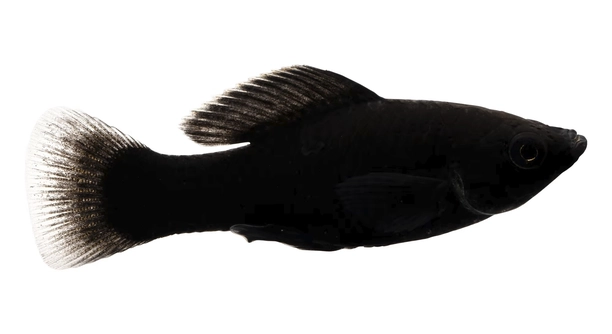
Black Molly fish are known for their lively swimming and social nature in aquariums. Observing them glide through the water is often calming. However, there are certain times when these fish may hesitate or stop swimming freely.
Black Molly fish may refuse to swim freely due to environmental stressors, water quality issues, overcrowding, improper diet, sudden temperature changes, disease, or aggressive tank mates. Each of these factors can significantly impact their behavior and overall well-being.
Understanding the reasons behind their restricted movement can help improve their habitat. These insights will support healthier, happier Black Mollies in your aquarium.
Sudden Water Temperature Changes
Black Mollies are sensitive to sudden changes in water temperature. Even a few degrees difference can make them sluggish or hide in corners. If you recently added new water or heated the tank too quickly, the fish may stop swimming as freely. Gradual adjustments are important. Maintaining a consistent temperature between 24°C and 28°C is ideal for their activity and health. Using a reliable heater and thermometer helps monitor changes and prevent stress. Avoid placing the tank near windows, vents, or appliances that may cause sudden fluctuations. Observing your fish after adjustments allows you to notice any signs of discomfort early. Over time, consistent temperature control encourages natural swimming patterns and reduces risk of illness. Providing areas with plants and decorations can give them safe spaces to retreat when they feel uneasy. This approach keeps Black Mollies comfortable and active in their environment.
Sudden temperature shifts can stress Black Mollies, making them less active and more prone to disease.
Monitoring water temperature consistently prevents stress, encourages regular swimming, and supports their long-term health and comfort in the aquarium.
Overcrowding in the Tank
Too many fish in one tank can make Black Mollies feel restricted and unsafe. They need space to swim and establish territories.
Overcrowding increases stress levels and aggression, which can lead to hiding or refusal to swim.
When a tank is crowded, water quality can also deteriorate faster, creating an unhealthy environment. Waste accumulation raises ammonia and nitrite levels, which are harmful to the fish. Limited space makes it harder for Black Mollies to move freely, and dominant fish may chase or intimidate weaker ones. Introducing fewer fish or upgrading to a larger tank allows more freedom and reduces stress. Proper filtration and regular water changes are essential in crowded tanks to maintain clean and stable conditions. Adding hiding spots like plants and decorations can also help fish feel secure. By addressing overcrowding, you support their natural behaviors, improve swimming activity, and encourage healthier interactions among tank mates. A well-managed tank promotes longevity and overall well-being.
Poor Water Quality
Poor water quality can make Black Mollies lethargic and reluctant to swim. High ammonia, nitrite, or nitrate levels irritate their gills and stress them, reducing activity.
Maintaining clean water is essential for Black Mollies’ health. Regular water changes, proper filtration, and testing for ammonia, nitrites, and nitrates keep the tank safe. Accumulated waste, leftover food, or decaying plants can quickly degrade water quality. Even small spikes in harmful chemicals can cause the fish to hide or stop swimming. Consistent monitoring allows for early action before serious health issues develop. Providing a stable, clean environment encourages natural swimming behavior and reduces stress.
Black Mollies also benefit from balanced water parameters, including pH and hardness. Keeping pH around 7.0 to 8.5 and moderate hardness ensures they remain active. Using water conditioners can neutralize chlorine or chloramine in tap water. Avoid overfeeding, as excess food decomposes and affects water quality. Healthy, stable water supports digestion, immunity, and swimming patterns. Observing the fish regularly helps identify subtle changes in behavior caused by water issues. Proper care and attentive maintenance keep them lively and comfortable.
Aggressive Tank Mates
Aggressive tank mates can intimidate Black Mollies, causing them to hide or swim less. Stress from constant chasing affects their behavior and health.
If the tank contains larger or territorial fish, Black Mollies may struggle to move freely. Aggression can lead to injuries or chronic stress. Providing enough space and visual barriers reduces tension. Careful selection of compatible species allows Black Mollies to thrive alongside peaceful fish. Regular observation ensures any conflicts are addressed early.
Introducing compatible, calm species supports natural behavior and swimming. Aggressive fish can dominate feeding areas, forcing Mollies to avoid activity. Over time, persistent aggression can weaken the immune system, making them susceptible to disease. Plants and decorations help create safe zones where Black Mollies can retreat without being attacked. Adjusting stocking levels, rearranging the tank, or separating aggressive individuals are effective ways to reduce stress. Maintaining a peaceful environment ensures Black Mollies swim confidently, socialize naturally, and maintain overall health.
Improper Diet
An unbalanced diet can make Black Mollies sluggish and less active. They need a mix of protein, vegetables, and occasional live food to stay healthy.
Overfeeding or feeding only one type of food can cause digestive issues. Balanced meals encourage regular swimming and natural energy levels.
Disease or Parasites
Illnesses or parasites can significantly reduce swimming activity in Black Mollies. Common signs include clamped fins, lethargy, or loss of appetite. Early detection and treatment are essential to prevent further health decline. Keeping the tank clean and quarantining new fish can reduce the risk of disease.
Lack of Hiding Spots
Black Mollies feel unsafe without places to retreat. Plants, rocks, and decorations help them reduce stress and swim more confidently.
FAQ
Why is my Black Molly not swimming freely even though the water looks fine?
Even if the water appears clean, hidden issues like pH imbalance, hardness levels, or slight ammonia and nitrite spikes can stress Black Mollies. They are sensitive to subtle changes in water chemistry. Regular testing and adjustments ensure the environment is truly safe for active swimming.
Can overcrowding really make Black Mollies stop swimming?
Yes. Overcrowding creates stress and limits their space to swim. Dominant fish can chase or intimidate weaker Mollies, causing them to hide. A larger tank or reducing the number of fish helps maintain calm and encourages natural movement.
Do Black Mollies stop swimming if they are sick?
Absolutely. Illnesses, including bacterial infections, parasites, or fin rot, can make them lethargic. Signs to watch for include clamped fins, discoloration, or unusual resting positions. Early detection and treatment are critical for recovery and regaining activity.
How does diet affect their swimming behavior?
A poor diet can lead to low energy and sluggish swimming. Black Mollies need a mix of plant-based foods, protein, and occasional live or frozen food. Overfeeding or feeding only one type can cause bloating or digestive issues, reducing activity. Balanced feeding supports normal energy levels.
Can sudden temperature changes cause swimming issues?
Yes, even minor shifts can stress Black Mollies, making them hide or swim less. Consistent temperature, ideally between 24°C and 28°C, is important. Using a reliable heater and thermometer, and avoiding placement near vents or windows, helps maintain stability.
Do aggressive tank mates affect Black Mollies’ movement?
Aggressive fish can intimidate Mollies, forcing them to hide or avoid certain areas. Persistent stress can weaken their immune system and reduce activity. Adding plants, decorations, or rearranging the tank to provide safe zones helps Mollies feel secure and encourages swimming.
How important are hiding spots in a tank?
Hiding spots are essential for stress reduction. Black Mollies use plants, rocks, or decorations to feel secure. Without places to retreat, they may remain inactive, hiding at the bottom. Providing safe zones encourages confidence and more natural swimming behavior.
Can water quality issues go unnoticed?
Yes. Ammonia, nitrites, and nitrates can be present without visible signs. Even small spikes irritate gills and affect swimming. Regular water testing, proper filtration, and frequent partial water changes keep the tank environment safe and support healthy activity.
How can I tell if my Black Molly is stressed?
Signs include hiding, clamped fins, erratic swimming, or refusal to eat. Stress often results from water issues, overcrowding, aggressive tank mates, or temperature fluctuations. Observing behavior closely and addressing the cause helps them regain normal swimming patterns.
What steps can I take to encourage swimming?
Maintain clean, stable water with proper temperature, pH, and hardness. Provide a balanced diet and adequate space. Add plants and decorations for hiding spots, and ensure tank mates are compatible. Regular observation and timely intervention help Black Mollies remain active, healthy, and stress-free.
Is quarantine necessary for new fish?
Quarantining new fish prevents disease introduction, which can cause stress or illness in Black Mollies. A separate tank for observation before adding new fish ensures the main tank remains healthy and active.
Do Black Mollies swim more in larger tanks?
Yes. Larger tanks provide more space for natural swimming and reduce territorial conflicts. Adequate room allows them to explore, interact with other fish, and display normal behaviors, contributing to their overall health and activity levels.
How often should I check water parameters?
Weekly testing for ammonia, nitrites, nitrates, pH, and hardness is recommended. More frequent checks may be needed if issues arise. Consistent monitoring prevents subtle water problems that can cause reduced swimming or stress.
Can tank layout affect swimming behavior?
Absolutely. Open areas allow free swimming, while overcrowded decorations can restrict movement. A balanced layout with open space and hiding spots supports both activity and security, letting Black Mollies swim confidently without stress.
How do I know if my Black Molly is getting enough nutrition?
Healthy Mollies are active, have vibrant colors, and maintain normal body shape. Signs of poor nutrition include lethargy, bloating, faded color, or slowed growth. A varied diet with plant-based and protein foods ensures energy and swimming activity.
Can stress from frequent changes affect swimming?
Yes. Frequent water changes, sudden rearrangements, or new tank mates can stress Black Mollies, making them hide or swim less. Gradual adjustments and stable conditions are key to encouraging regular movement and comfort.
Does the age of Black Mollies influence activity?
Younger fish tend to be more active, while older Mollies may swim less naturally. Age-related changes are normal but should be distinguished from stress or illness, which can further reduce activity. Observing patterns over time helps identify normal versus problem behaviors.
How long does it take for a stressed Black Molly to recover?
Recovery depends on the cause. Correcting water quality, reducing overcrowding, improving diet, and providing hiding spots usually restores normal activity within days to a couple of weeks. Early intervention speeds up recovery and reduces long-term stress effects.
Are there signs of overfeeding affecting swimming?
Overfed Mollies may appear bloated, swim sluggishly, or rest on the tank bottom. Excess food decomposes, affecting water quality. Feeding appropriate amounts and removing leftovers maintains health and encourages normal swimming patterns.
Can seasonal changes affect Black Mollies’ behavior?
Seasonal changes affecting room temperature or sunlight can influence tank conditions. Mollies may swim less if water temperature fluctuates. Maintaining stable tank conditions regardless of external changes helps preserve activity and overall well-being.
What is the most common reason for reduced swimming?
Stress from environmental factors like poor water quality, aggressive tank mates, overcrowding, or improper temperature is the most frequent cause. Addressing these conditions promotes confidence, movement, and long-term health in Black Mollies.
Black Mollies are sensitive fish that rely on stable conditions to remain active and healthy. Observing them swim freely is often a sign that their environment is balanced and well-maintained. However, when they stop moving or hide frequently, it is usually a sign of stress or discomfort. Several factors can affect their behavior, including water quality, tank size, temperature, diet, and the presence of aggressive tank mates. Each of these elements has a direct impact on how comfortable the fish feel in their environment. Maintaining clean water is essential, as even small amounts of ammonia, nitrites, or nitrates can irritate their gills and reduce activity. Regular water testing and partial water changes help ensure a safe and consistent environment.
Tank size and overcrowding are also significant considerations. Black Mollies need enough space to swim, explore, and establish their territories. Overcrowding creates stress, increases aggression, and can lead to injury or disease. Careful planning of stocking levels and selecting compatible tank mates help reduce tension and encourage natural swimming behavior. Decorations and plants can further improve the environment by providing hiding spots and visual barriers, allowing the fish to feel secure. Temperature control is another key factor, as sudden changes can make Black Mollies sluggish or cause them to hide. Maintaining a consistent temperature within the recommended range promotes comfort and activity. In addition, diet plays an important role. A balanced mix of plant-based foods, protein, and occasional live or frozen foods ensures proper nutrition and energy, supporting regular swimming and overall health.
Monitoring behavior is essential for early detection of problems. Signs such as clamped fins, lethargy, hiding, or loss of appetite can indicate stress, illness, or environmental issues. Addressing these issues promptly helps prevent long-term health problems and restores normal activity. Preventive measures, including quarantining new fish, avoiding overcrowding, and maintaining stable water conditions, support a healthy and active tank. Observing Black Mollies closely allows you to respond quickly to changes, ensuring their well-being. By providing a consistent, well-maintained environment, the fish are more likely to swim confidently, interact naturally, and display their full range of behaviors. A careful balance of water quality, diet, tank layout, and compatible tank mates contributes to a thriving, active aquarium where Black Mollies can flourish.

Hello,
If you enjoy the content that we create, please consider saying a "Thank You!" by leaving a tip.
Every little bit helps us continue crafting quality advice that supports the health, happiness, and well-being of pets around the world, for pets of all shapes, sizes, and species.
We really appreciate the kindness and support that you show us!