
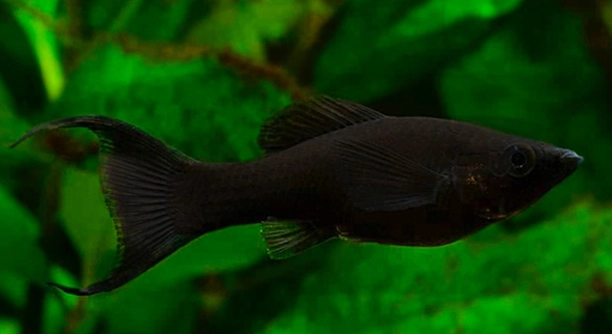
Do you ever notice your Black Molly fry swimming together and wonder if having siblings around affects their growth? Observing these small fish can be fascinating, as their behavior and development seem influenced by their environment and companions.
Black Molly fry growth is primarily influenced by nutrition, water quality, and genetics. While the presence of siblings can affect social behavior and competition for food, there is no conclusive evidence that having siblings directly accelerates growth rates.
Understanding the role of family dynamics in your aquarium can help ensure healthier and more thriving fish. The following insights will guide you through optimizing their growth environment.
Factors Affecting Black Molly Growth
Several factors influence the growth of Black Molly fry, with diet being the most important. Providing high-quality, protein-rich food helps them develop strong bones and scales. Young fry require more frequent feedings than adult fish, usually three to four times a day in small portions. Overfeeding can lead to poor water quality and stunted growth, so portion control is essential. Water conditions also play a key role. Stable temperature, clean water, and proper pH levels ensure that fry expend energy on growth rather than adjusting to stress. Genetics determine potential size and growth rate, but environmental conditions largely shape their actual development. Observing behavior can reveal growth issues early, as slow-growing fry often act less active or stay isolated from siblings. Monitoring these factors allows you to provide a balanced environment that supports steady and healthy growth for your Black Mollies, making them resilient and lively.
Black Mollies thrive when their tank mimics natural conditions, including hiding spaces and plants for security.
Fry growth also depends on social dynamics. Siblings often compete for food, which can influence which fry grow faster. However, having siblings encourages activity and reduces lethargy, promoting healthy development. Overcrowding slows growth, so tank size must accommodate fry numbers. Maintaining proper filtration ensures waste removal, keeping the water safe and oxygen-rich. Additionally, supplementing with live or frozen foods provides nutrients essential for rapid development. Monitoring growth weekly helps identify weak or slow-growing fry early, allowing adjustments in diet or environment. By balancing nutrition, space, and water quality, you create an environment where Black Molly fry can reach their full potential efficiently. Observing interactions among siblings helps refine feeding schedules and tank arrangements, ensuring every fry receives enough food without excessive competition. Consistent care and observation improve survival rates and overall health, making growth steady and predictable.
Sibling Interaction and Growth
Sibling presence influences social behavior and feeding patterns in Black Molly fry.
Fry with siblings often develop faster reflexes and feeding responses, even if overall size growth is similar. Competing for space and resources encourages alertness and activity. Fry raised alone may grow without competition but risk being less stimulated, which can affect behavior later. Adjusting tank density and monitoring interactions allows balanced growth while maintaining healthy social behavior among siblings.
Feeding Strategies for Black Mollies
Proper feeding ensures fry get enough nutrients without compromising water quality. Small, frequent meals are ideal. Avoid overfeeding, as leftover food can foul the tank and slow growth. Rotating between flakes, pellets, and live foods provides a balanced diet for optimal development.
Live or frozen foods like brine shrimp or daphnia boost growth by offering high protein content essential for fry development. These foods stimulate natural hunting behavior, keeping fry active and encouraging better digestion. Pairing this with finely crushed high-quality flakes ensures all fry receive nutrients, even the smaller or weaker individuals. Observing feeding habits helps adjust portions, preventing both underfeeding and overfeeding. Consistency in timing and type of food also supports digestive health, reducing the risk of malnutrition or stunted growth. Maintaining water cleanliness during feeding times further promotes healthy development.
Meal frequency and portion control directly impact growth and behavior. Feeding three to four times daily in small amounts allows fry to absorb nutrients efficiently without causing stress or water contamination. Siblings benefit from shared feeding sessions, encouraging social interactions while reducing competition-related stress. Overfeeding can lead to slower growth due to poor water quality, while underfeeding slows development from nutrient deficiency. Balancing these factors requires careful observation and adjusting the feeding routine according to fry size and activity. Proper feeding strategies create a stable environment for both growth and behavior.
Tank Size and Environment
A spacious tank prevents overcrowding and promotes healthy growth. Fry need room to swim freely and establish territories. Plants and hiding spots reduce stress and encourage natural behavior.
Tank size directly affects water quality, oxygen levels, and social interactions. A larger tank dilutes waste, lowering ammonia and nitrite buildup, which is crucial for fry survival. Overcrowded tanks increase competition for food and space, slowing growth and causing stress-related illnesses. Adding live plants improves oxygen levels and provides cover, allowing shy fry to feed safely and avoid bullying from more aggressive siblings. Proper filtration and regular water changes maintain stability, while gentle water flow keeps fry active without overwhelming them. Adjusting tank environment according to fry numbers ensures balanced growth, reducing mortality and supporting healthier fish development.
Monitoring Growth and Health
Regular observation helps identify slow-growing or weak fry early. Watch for signs of illness, unusual behavior, or stunted growth. Prompt action can prevent problems from affecting the entire group and ensures fry reach their potential size.
Recording growth measurements weekly allows tracking progress and adjusting care. Consistent monitoring supports timely changes in feeding, water quality, and tank conditions.
Adjusting Sibling Numbers
Managing the number of fry in a tank reduces competition and stress. Removing excess fry or transferring them to a separate tank ensures sufficient space and resources for each individual. Balanced numbers improve growth and overall health.
Water Quality Maintenance
Maintaining stable water parameters is critical for Black Molly growth. Regular testing of ammonia, nitrite, nitrate, pH, and temperature ensures optimal conditions. Clean water supports digestion, immunity, and energy for healthy development.
Observing Behavior Patterns
Fry interactions reveal growth and health trends. Active, curious fry usually indicate good nutrition and environment, while lethargic behavior signals potential issues requiring attention.
FAQ
Do Black Mollies grow faster with siblings?
Black Molly fry do not necessarily grow faster simply because they have siblings. Growth is mainly influenced by diet, water quality, and genetics. Siblings may create mild competition for food, which can encourage activity, but this does not directly increase growth rates. Ensuring enough space and consistent feeding allows all fry to reach their potential without stress from overcrowding. Observing interactions helps identify shy or slower fry that may need extra attention to thrive.
How often should I feed Black Molly fry?
Fry need small, frequent meals, usually three to four times a day. Overfeeding can pollute the tank, while underfeeding slows growth. A mix of finely crushed high-quality flakes and live or frozen foods provides balanced nutrition. Watching how fry respond to feeding allows adjustments in portion size. Ensuring all fry get access to food prevents weaker individuals from falling behind. Consistent feeding times support regular growth patterns and reduce stress in a shared tank.
What is the best diet for healthy growth?
A protein-rich diet supports faster development. Live foods like brine shrimp or daphnia promote activity and natural feeding behavior, while high-quality flakes or pellets provide essential vitamins and minerals. Rotating food types ensures balanced nutrition. Avoid relying solely on one food type, as this may lead to deficiencies. Supplementing occasionally with frozen foods adds variety and encourages natural foraging instincts. Proper diet paired with clean water creates ideal conditions for steady growth and stronger, healthier fry.
Does tank size impact growth rates?
Yes, tank size is crucial. Overcrowded tanks cause competition for food and space, slowing growth and increasing stress. A spacious tank dilutes waste, stabilizes water conditions, and provides room for fry to swim and explore. Adding plants or hiding spots reduces stress and supports natural behavior. Proper filtration and regular water changes maintain cleanliness and oxygen levels, ensuring fry expend energy on growth instead of coping with poor conditions.
How do I manage sibling competition?
Excessive fry in one tank can lead to bullying and slower growth for weaker individuals. Reducing fry numbers or transferring some to separate tanks helps balance competition. Observing feeding times ensures all fry get sufficient nutrition. Providing multiple feeding spots and maintaining open swimming areas also reduces aggressive behavior and stress, supporting healthier development.
What water parameters are ideal for growth?
Stable conditions are essential. Keep temperature between 24–28°C (75–82°F) and pH around 7.0–8.0. Ammonia and nitrite should be zero, and nitrates below 20 ppm. Regular testing and partial water changes maintain stability. Proper parameters ensure fry spend energy on growth instead of coping with stress, improving survival and overall health.
How can I identify slow-growing fry?
Fry that lag behind siblings, hide frequently, or appear lethargic may be growing slower. Measuring size weekly helps track progress. Slow growth can result from insufficient food, poor water quality, or stress from siblings. Early identification allows adjustments in feeding, tank environment, or social grouping to help these fry catch up and stay healthy.
Do live plants affect growth?
Live plants improve water quality by absorbing nitrates and providing oxygen. They create hiding spots for shy fry, reducing stress and encouraging exploration. Plants also prevent overcrowding in small tanks by allowing fry to establish territories. A planted tank supports healthier, more active fry, which indirectly promotes better growth through reduced stress and improved nutrition access.
Can I mix Black Molly fry with other fish?
Mixing fry with other species is not recommended until they are larger. Small fry may be bullied or eaten by larger fish. Keeping fry together or with other small, peaceful species ensures they receive adequate food and space, reducing stress and supporting optimal growth.
How do I know when fry are ready to move to a larger tank?
Fry are ready when they are large enough to avoid being eaten by adults and can compete for food safely. Growth progress, size uniformity, and activity level indicate readiness. Moving fry too early can stress them, while waiting too long may cause overcrowding, so timing should balance safety and environmental needs.
What are common mistakes that slow growth?
Overcrowding, poor water quality, irregular feeding, and inconsistent temperature are the most frequent causes. Neglecting water testing or failing to remove uneaten food can stress fry, reducing growth rates. Ignoring individual fry behavior also allows weaker fry to fall behind. Addressing these factors ensures all fry develop steadily.
How important is observation in fry growth?
Daily observation helps catch problems early, whether it’s illness, slow growth, or bullying. Monitoring feeding, behavior, and water clarity allows timely intervention. Adjusting diet, water conditions, or tank setup based on observations supports healthier, faster-growing fry and improves overall survival.
Can genetics override environmental care?
Genetics set potential size and growth speed, but optimal conditions determine whether fry reach that potential. Even genetically strong fry can develop slowly in poor conditions. Conversely, well-cared-for fry with average genetics can achieve good growth, highlighting the importance of diet, water quality, and tank management.
How long does it take for Black Mollies to reach adult size?
Typically, Black Mollies reach maturity within six to twelve months, depending on care. Proper feeding, stable water parameters, and balanced social interactions can influence the rate, while poor conditions slow development. Monitoring growth milestones helps ensure fry remain on track toward healthy adulthood.
Are there signs of overfeeding I should watch for?
Leftover food, cloudy water, or algae blooms indicate overfeeding. Fry may become sluggish or show digestive issues. Reducing portion size and cleaning the tank promptly prevents water quality problems that can stunt growth or lead to disease. Regular observation ensures feeding stays balanced and safe.
Do siblings influence behavior more than growth?
Siblings primarily affect social behavior rather than actual growth rates. Interaction encourages activity, reduces isolation, and can prevent lethargy. Competition may slightly affect access to food, but overall growth depends more on nutrition, water quality, and genetics than the number of siblings present.
How can I promote healthy competition without harming fry?
Provide multiple feeding points, adequate space, and hiding spots. Observing fry ensures weaker individuals are not excluded. Balanced tank density and careful monitoring reduce stress while encouraging active, alert behavior, indirectly supporting growth and overall health.
What is the role of temperature fluctuations?
Sudden temperature changes stress fry, slowing metabolism and growth. Keeping the tank within 24–28°C (75–82°F) maintains steady development. Using a reliable heater and monitoring daily prevents setbacks caused by environmental fluctuations. Stable temperature allows fry to feed, digest, and grow efficiently.
Should I separate fry by size?
If size differences are significant, separating fry can prevent bullying and ensure smaller fry receive adequate nutrition. Size-based separation allows all individuals to grow without constant competition. This approach reduces stress and supports uniform development, improving survival rates in the tank.
How often should water be changed for fry tanks?
Partial water changes of 20–30% once or twice a week keep ammonia and nitrite low and maintain oxygen levels. Frequent changes prevent buildup of harmful substances that slow growth. Consistent water maintenance supports healthy digestion, immunity, and overall development in fry.
Can I use supplements to boost growth?
Occasional vitamin or mineral supplements can aid growth, especially if diet lacks variety. Live or frozen foods naturally provide many nutrients, so supplements are rarely necessary if diet is balanced. Over-supplementing may harm water quality, so careful use is important.
How do I handle slow-growing fry?
Identify causes like poor water quality, insufficient food, or stress. Adjust feeding, improve water conditions, or separate fry if needed. Monitoring progress weekly ensures interventions are effective, allowing slower fry to catch up and maintain healthy development.
Is overcrowding the biggest growth issue?
Overcrowding is a major factor, but not the only one. Combined with poor feeding or water quality, it severely slows growth. Maintaining appropriate fry density ensures fair access to food, reduces stress, and prevents stunted development, supporting overall health and survival.
Can siblings reduce stress in fry?
Yes, having siblings can provide comfort and stimulation, reducing isolation and boredom. Active interactions encourage movement and alertness, indirectly supporting healthy growth. However, proper tank size and food distribution are essential to prevent stress from competition or overcrowding.
What is the ideal number of fry per gallon?
A general guideline is 1–2 fry per gallon for young Black Mollies. This allows enough space for swimming, reduces competition, and maintains water quality. Adjust numbers as fry grow to prevent overcrowding and ensure consistent development.
How do I track individual growth?
Measure fry weekly or take photos for comparison. Tracking size allows identification of slow growers and helps adjust feeding or tank conditions. Consistent monitoring supports uniform growth and ensures timely interventions when needed.
Can siblings eat differently affecting growth?
Yes, dominant fry may eat more while weaker ones get less, impacting growth. Multiple feeding points and careful observation ensure all fry receive sufficient nutrition. Adjusting feeding techniques reduces disparities and promotes balanced development across the group.
How long should I keep fry together before separating?
Keep fry together until they are large enough to avoid bullying and compete safely for food. Timing depends on tank size, fry growth, and behavior. Separation should prevent overcrowding without causing stress.
Do live foods always improve growth?
Live foods often stimulate feeding behavior and provide high protein, supporting growth. However, a balanced diet combining live, frozen, and prepared foods is ideal. Exclusively live foods may lack some nutrients and could introduce pathogens if not properly sourced.
What other environmental factors affect growth?
Light cycles, water flow, and tank enrichment influence activity levels and stress. Regular lighting schedules and gentle water flow support metabolism and behavior. Plants and decorations allow exploration and reduce aggression, indirectly contributing to healthier, faster-growing fry.
How important is consistency in care?
Consistency in feeding, water maintenance, and temperature stabilizes growth conditions. Fry adapt better to predictable routines, reducing stress and ensuring energy is spent on development. Sudden changes can slow growth and cause health issues. Stable care promotes efficient and steady development.
Can tank mates disrupt fry growth?
Yes, aggressive or larger tank mates may stress fry, limit feeding, or cause injury. Keeping fry with small, peaceful fish or only among siblings prevents stress-related slow growth. Ensuring compatible tank mates supports healthy development.
Are there signs of rapid growth issues?
Unusually fast growth can indicate overfeeding or poor water quality management. Fry may become bloated or show digestive issues. Observing behavior and size helps maintain balanced growth and prevent health problems.
Does lighting affect fry growth?
Lighting indirectly affects growth by influencing activity, feeding behavior, and plant health. Proper light cycles help fry remain active, support plant oxygenation, and create a natural environment that promotes healthy development.
How do I balance sibling numbers over time?
Adjusting numbers as fry grow prevents overcrowding and ensures fair access to food. Monitoring growth, behavior, and space needs allows strategic separation, supporting consistent growth and minimizing stress in the tank.
What is the role of filtration in growth?
Proper filtration keeps water clean, maintains oxygen levels, and reduces harmful substances. Clean water prevents disease and stress, allowing fry to focus energy on growth rather than coping with poor conditions. Efficient filtration is essential for healthy development.
How often should I check fry health?
Daily observation allows early detection of illness, slow growth, or stress. Weekly measurements of size and behavior help track progress. Regular health checks prevent issues from affecting the entire group. Consistent monitoring is key to maintaining healthy fry.
Can siblings affect immunity?
Interactions with siblings can help fry develop resilience, but overcrowding or stress lowers immunity. Balanced social environments and proper nutrition strengthen health, helping fry resist illness and grow effectively.
How do I prevent stunted growth?
Ensure proper feeding, water quality, and tank size. Reduce stress from competition and maintain stable conditions. Early intervention for weak or slow-growing fry prevents long-term stunting. Consistency and observation are critical to healthy development.
Are there behavioral signs of growth issues?
Lethargy, hiding, or failure to compete for food indicate potential growth problems. Active, alert fry generally develop well. Monitoring behavior helps identify issues early for timely corrective measures.
Do siblings influence future adult behavior?
Interactions during fry stages affect social behavior as adults. Fry raised with siblings are generally more active, alert, and socially aware. While growth rate may not change, behavioral development benefits from early social interaction.
Can I improve growth with water additives?
Certain water conditioners or supplements may enhance water quality but rarely directly speed growth. Focus on stable parameters, diet, and tank management. Overuse of additives can harm fry rather than support development.
How important is tank placement in the room?
Placement affects light, temperature stability, and stress levels. Avoid direct sunlight or drafts. Consistent environment supports growth by reducing stress and maintaining stable conditions.
Do siblings share food equally?
Not always. Dominant fry may eat more, leaving weaker fry with less. Multiple feeding spots and observation help ensure balanced nutrition and prevent slow growth in smaller individuals.
How can I handle sick fry among siblings?
Remove sick fry promptly to prevent disease spread. Treat according to the condition and maintain optimal water quality for remaining fry. Quick action reduces stress and supports overall growth.
Is water hardness a factor in growth?
Moderate hardness supports proper bone and scale development. Extremely soft or hard water can stress fry, slow growth, and affect overall health. Maintaining recommended parameters ensures balanced development.
Does the number of siblings matter as fry grow?
Yes, overcrowding can become a problem as fry increase in size. Adjust numbers gradually to provide space, reduce competition, and maintain healthy growth. Monitoring and strategic separation prevent stress and promote even development.
Can I encourage growth through activity?
Yes, providing space, gentle water flow, and hiding spots encourages movement and natural foraging. Active fry digest food better and develop stronger muscles, indirectly supporting overall growth.
Are some fry naturally slower growers?
Genetic differences mean some fry will grow slower regardless of care. Ensuring proper nutrition, water quality, and social environment helps slow growers reach their potential without falling behind significantly.
How do I know when fry have reached full growth potential?
Fry typically reach adult size around six to twelve months. Consistent size increase, strong activity, and proper coloration indicate they have achieved their potential. Monitoring progress ensures they remain healthy throughout development.
Can temperature shifts stunt growth?
Yes, sudden changes slow metabolism and stress fry. Maintaining stable temperatures ensures efficient digestion, activity, and growth, preventing developmental setbacks.
Do siblings influence feeding behavior long-term?
Early sibling interactions shape competitive and foraging behaviors. Fry raised with siblings may become more alert and proactive when feeding, indirectly supporting healthier growth patterns as they mature.
Is water clarity linked to growth?
Yes, clear water reduces stress and supports efficient feeding. Dirty water can lead to illness, stunted growth, and weakened immunity. Regular cleaning is essential for steady development.
How often should I test water parameters?
Testing weekly for ammonia, nitrite, nitrate, pH, and temperature ensures stable conditions. Early detection of deviations allows timely adjustments, preventing growth issues and maintaining healthy fry.
Can sibling aggression affect growth?
Yes, aggressive behavior can prevent smaller fry from accessing food, increasing stress and slowing development. Monitoring interactions and adjusting tank setup reduces aggression and promotes balanced growth.
Are tank decorations important for fry development?
Yes, plants, rocks, and hiding spots reduce stress and encourage natural exploration. A well-structured tank promotes activity and social interaction, indirectly supporting healthier growth patterns.
Does water flow influence growth?
Moderate water flow encourages movement without stressing fry. Active swimming improves muscle development and stimulates feeding behavior, indirectly contributing to overall growth.
Can I use growth boosters safely?
Most commercial growth enhancers are unnecessary with proper diet and care. Overuse may harm water quality. Focus on balanced feeding, stable water, and tank management for safe, steady growth.
What are early signs of malnutrition?
Thin bodies, slow growth, faded coloration, or lethargy indicate insufficient nutrition. Adjusting diet and feeding frequency can correct these issues before long-term growth problems occur.
Do siblings reduce loneliness in fry?
Yes, social interaction provides stimulation and reduces stress, supporting better activity levels. Active fry digest food efficiently and maintain healthy growth when they are not isolated.
Can temperature differences among tanks affect growth?
Yes, inconsistent temperatures between tanks can lead to uneven growth if fry are moved. Maintaining stable, uniform conditions ensures all fry develop at similar rates.
Are hiding spots more important than space?
Both are important. Space allows free swimming, while hiding spots reduce stress and prevent bullying. Together they create a balanced environment that promotes healthy growth.
Can overcrowding mask slow growth?
Yes, in crowded tanks, weak fry may be overshadowed by dominant siblings, making slow growth less noticeable. Separating fry helps identify individuals needing extra care.
How do I encourage weaker fry to thrive?
Feed small portions directly to weaker fry, provide hiding spots, and reduce competition. Monitoring progress ensures they catch up without being outcompeted by siblings.
Is growth uniform among siblings?
No, genetic differences and minor competition result in some fry growing faster than others. Consistent care helps reduce disparities and supports healthier overall development.
Can I combine multiple strategies for faster growth?
Yes, balancing diet, water quality, tank size, social management, and environmental enrichment collectively promotes steady, healthy growth, optimizing both size and behavior in Black Molly fry.
How long should I monitor fry for growth issues?
Monitoring should continue until fry reach adult size, typically six to twelve months. Regular observation ensures early detection of growth problems and supports consistent development.
Does tank location in the room matter?
Avoid direct sunlight, drafts, or frequent movement near the tank. Stable environmental conditions reduce stress, allowing fry to focus energy on growth rather than coping with changes.
Can stress from siblings cause long-term effects?
Prolonged stress may slow growth, weaken immunity, and affect adult behavior. Maintaining balanced numbers, sufficient space, and proper feeding minimizes long-term negative impacts.
Is it normal for some fry to lag behind?
Yes, minor differences in growth are expected. Ensuring proper nutrition, water conditions, and social support helps slower fry catch up without compromising health or survival.
Can live plants reduce sibling aggression?
Yes, plants provide hiding spots and territorial boundaries, reducing confrontations and stress, allowing all fry to access food and grow more evenly.
How do I prevent stunted growth in a mixed-age tank?
Keep fry separated from larger or adult fish until they are big enough. Overcrowding or competition from bigger fish can stunt growth and increase mortality. Proper staging ensures healthy development.
Does water hardness affect fry differently than adults?
Fry are more sensitive to extreme hardness levels, which can stress them and slow growth. Maintaining moderate hardness supports bone and scale
Final Thoughts
Watching Black Molly fry grow can be both rewarding and challenging. Their development is influenced by multiple factors, including diet, water quality, tank size, and social interactions. Providing a stable environment with clean water, balanced nutrition, and adequate space helps fry reach their full potential. Even small details, such as consistent feeding schedules and regular observation, play an important role in promoting healthy growth. Fry raised in well-maintained conditions tend to be more active, resilient, and adaptable. Growth is not only about size but also about overall health and behavior, which can be affected by stress, overcrowding, or competition. Ensuring each fry has access to food and a secure space allows them to thrive and develop naturally over time. By keeping a careful watch on both individual and group dynamics, you can address problems early and maintain a stable, supportive environment for all fry in your tank.
Siblings can influence behavior, though they do not necessarily make fry grow faster. Interactions among fry encourage activity and alertness, which indirectly supports development by keeping them engaged and feeding regularly. However, excessive competition or overcrowding may cause stress and hinder growth. Balancing the number of fry in a tank and providing hiding spots or plants helps reduce tension while promoting healthy interactions. Regular water testing, proper filtration, and partial water changes prevent environmental issues that could slow growth. A structured environment supports all fry equally, allowing weaker or smaller individuals to access food and space without being overshadowed by more dominant siblings. Observing behavior and adjusting care according to individual needs ensures consistent development and improves overall survival rates. Attention to these factors creates an environment where fry can grow steadily, maintain good health, and display normal social behaviors.
Long-term success in raising Black Mollies depends on consistent care and attention to detail. Each element—from tank size and water parameters to diet and social management—affects growth outcomes. Proper planning, observation, and intervention when necessary help prevent common issues such as stunted growth, disease, or aggression. While genetics set the potential for growth, environmental factors determine how well fry reach that potential. Healthy fry develop evenly, become more resilient, and transition into strong adult fish. By monitoring progress, maintaining stable conditions, and adjusting the tank environment when needed, you can provide an optimal setting for fry growth. Over time, your efforts will result in a lively, thriving community of Black Mollies, demonstrating that consistent care and thoughtful management are the keys to successful fishkeeping and the development of healthy, active fry.

Hello,
If you enjoy the content that we create, please consider saying a "Thank You!" by leaving a tip.
Every little bit helps us continue crafting quality advice that supports the health, happiness, and well-being of pets around the world, for pets of all shapes, sizes, and species.
We really appreciate the kindness and support that you show us!