
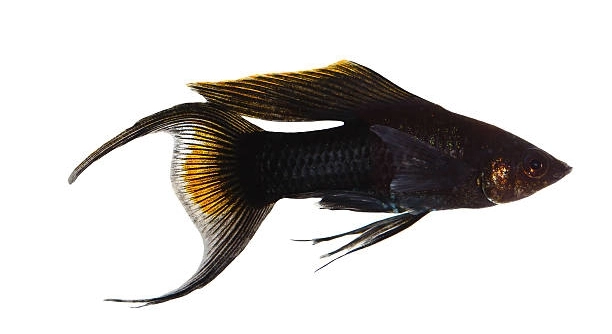
Are your Black Mollies swimming slowly or hiding in corners more than usual? Many aquarists notice periods when these lively fish seem less active. Small changes in their environment can significantly affect their energy and behavior.
To increase activity, consider seven key tank adjustments. Adjusting water temperature, enhancing filtration, improving lighting, providing adequate hiding spots, maintaining proper pH levels, regulating feeding schedules, and adding stimulating décor can collectively create an environment that encourages consistent movement and exploration.
Implementing these changes can transform your Black Mollies’ daily activity and overall health, making your aquarium a more dynamic and engaging space.
Adjust Water Temperature
Black Mollies are tropical fish that thrive in slightly warmer water. Keeping the tank temperature between 75°F and 80°F helps boost their metabolism and activity levels. If the water is too cold, they can become lethargic and hide. Use a reliable heater and thermometer to maintain consistent temperature. Sudden fluctuations can stress the fish, leading to less movement and potential health issues. Gradual changes are safest when adjusting the tank temperature. Black Mollies also respond well to gentle water circulation, which mimics natural currents and encourages swimming. Regular monitoring ensures the tank stays within the ideal range. Avoid placing the aquarium near windows or air vents, as this can cause uneven heating. In addition to temperature, clean water is essential. Frequent water changes help maintain quality, supporting active behavior. Overall, a stable, warm environment is one of the simplest ways to promote lively, healthy Black Mollies in your tank.
Maintaining proper temperature helps your fish stay active and healthy, reducing stress and promoting regular swimming behavior.
Consistent warmth paired with stable water quality ensures that Black Mollies remain curious and energetic. Monitoring both daily allows you to notice subtle changes in their behavior, keeping your aquarium lively. Small adjustments like a heater setting or water circulation can make a noticeable difference.
Improve Tank Lighting
Proper lighting is essential for fish activity. Black Mollies need a balanced light cycle of around 10-12 hours daily.
Bright, natural-like light encourages movement and interaction with the tank environment. Too little light can cause hiding and reduced activity.
Choosing full-spectrum LED lights can mimic daylight and support fish behavior. Lights should be placed so they evenly illuminate the tank without creating intense glare. Too much light can stress the fish, causing erratic swimming or hiding, while too little reduces their motivation to explore. A timer ensures a consistent day-night cycle, which helps regulate their internal clock. Lighting also supports live plants, which improve water quality and create hiding spots. Plant coverage can reduce aggression and provide stimulation, encouraging active swimming. Adjust light intensity gradually, observing how your fish respond. Over time, a well-lit tank promotes confident and lively behavior, making Black Mollies more visible and engaging in their daily routines. Proper lighting complements other adjustments like water temperature and décor, creating an environment that feels natural and encourages movement throughout the aquarium.
Enhance Filtration
A strong filtration system keeps the water clean and oxygen-rich, which encourages Black Mollies to swim actively. Poor water quality can make them sluggish and stressed, reducing their daily movement.
High-quality filters remove debris and maintain clarity while promoting gentle water flow. Black Mollies prefer moderate currents that simulate natural conditions without overwhelming them. Regular filter maintenance is important to prevent blockages that can decrease efficiency. Using a combination of mechanical, chemical, and biological filtration ensures a healthy environment. Clean water supports gill function and overall energy, allowing fish to explore and interact naturally. Observing your Black Mollies after maintenance helps gauge if the water quality is optimal, as active swimming often indicates comfort and well-being.
Consistent filtration paired with partial water changes creates a stable environment. This stability reduces stress and keeps fish more predictable and lively. Proper maintenance enhances tank conditions, directly influencing Black Mollies’ activity levels and overall vitality.
Add Hiding Spots
Providing plants, rocks, or décor allows Black Mollies to feel secure and explore their surroundings without stress.
Hiding spots reduce anxiety and promote natural behavior. Fish with places to retreat are more likely to swim confidently and engage with the tank environment.
Live or artificial plants work well, creating cover and softening open areas. Small caves or decorative structures give fish a sense of territory while encouraging movement between spaces. Black Mollies use these spots to rest or escape during feeding, making them feel safer. Arranging décor in multiple locations encourages exploration rather than clustering in one area. Avoid overcrowding the tank, which can restrict swimming and increase aggression. Observing how they navigate between hiding spots provides insight into their comfort level. Well-placed structures stimulate curiosity and energy, keeping the fish active while reducing stress. The right balance of open swimming space and sheltered areas supports a lively, natural aquarium environment.
Maintain Proper pH Levels
Black Mollies are sensitive to pH fluctuations. Keeping the tank water between 7.5 and 8.5 supports their activity and overall health. Regular testing ensures the environment remains stable and comfortable for swimming.
Sudden changes in pH can stress fish, leading to hiding or lethargy. Gradual adjustments are safest when needed.
Regulate Feeding Schedules
Feeding on a consistent schedule keeps Black Mollies energetic. Overfeeding can cause sluggishness, while irregular feeding may reduce their motivation to swim and explore.
Balanced diets with high-quality flake or pellet food, supplemented with occasional vegetables or live foods, provide nutrients and encourage activity.
Add Stimulating Décor
Objects like floating plants or textured surfaces provide enrichment, encouraging Black Mollies to explore and swim more actively.
Monitor Water Quality Regularly
Frequent testing for ammonia, nitrite, and nitrate levels prevents toxic buildup. Clean water promotes energy, supporting active and healthy behavior in Black Mollies.
FAQ
Why is my Black Molly not swimming much?
Black Mollies may become less active due to water temperature, pH imbalance, or poor water quality. Lethargy is often a sign of stress or illness. Ensuring the tank is within the ideal temperature range of 75°F to 80°F, maintaining proper filtration, and performing regular water changes can restore normal activity. Overcrowding or sudden environmental changes may also make them hide, so monitor tank conditions closely.
How often should I feed my Black Mollies?
Feed adult Black Mollies once or twice daily with small portions. Overfeeding can pollute the tank and reduce swimming activity. A balanced diet including high-quality flakes or pellets, with occasional vegetables or live food, supports energy levels and overall health. Adjust feeding amounts based on how quickly the fish consume the food.
Can tank décor really affect activity?
Yes, providing plants, rocks, or small caves encourages exploration. Black Mollies use hiding spots to feel secure, which reduces stress and increases swimming confidence. Alternating open areas with shelter allows them to move freely while feeling safe, resulting in more consistent and lively activity throughout the day.
What water parameters are best for Black Mollies?
Ideal water parameters include a pH between 7.5 and 8.5, moderate hardness, and temperature from 75°F to 80°F. Regular testing of ammonia, nitrite, and nitrate ensures a safe environment. Maintaining these parameters reduces stress, which directly impacts swimming behavior and overall health.
How does lighting influence their behavior?
Black Mollies respond well to a consistent day-night cycle of 10–12 hours of light. Proper lighting encourages movement, supports live plants, and reduces hiding behavior. Avoid intense or sudden lighting changes, as they can cause stress. Using timers helps maintain consistency and keeps fish active and comfortable.
Will improving filtration make them more active?
Yes, a strong filtration system keeps water clean and oxygenated. Black Mollies are more energetic in well-oxygenated water. Filters also create gentle currents that mimic natural conditions, promoting swimming. Regular maintenance ensures filters continue to function effectively, preventing sluggish behavior caused by poor water quality.
Can Black Mollies live with other fish without becoming stressed?
They can cohabit with peaceful community fish, but overcrowding or aggressive tankmates increases stress and reduces activity. Observing behavior and adjusting stocking levels or tank layout can maintain a calm environment. Proper hiding spots and ample swimming space help them feel secure.
How do I encourage natural swimming patterns?
Adding open swimming areas, plants, and décor with multiple hiding spots encourages exploration. Feeding at different locations stimulates movement. Maintaining stable water conditions, consistent lighting, and proper tank enrichment supports natural behaviors and helps Black Mollies remain active throughout the day.
Is water change frequency important for activity?
Yes, partial water changes of 20–30% weekly remove waste and toxins, improving water quality. Clean water reduces stress and promotes healthy energy levels, making Black Mollies swim more and interact confidently with their environment. Regular maintenance also prevents sudden shifts in pH or ammonia levels.
Can diet alone make Black Mollies more active?
A varied, balanced diet contributes to energy and vitality. Supplementing regular flakes or pellets with live or frozen foods, like brine shrimp, and occasional vegetables provides nutrients that support metabolism and movement. Overfeeding should be avoided, as excess food can decrease activity and pollute the tank.
What signs indicate a healthy, active Black Molly?
Active swimming throughout the tank, exploring decorations, and occasional interaction with tankmates indicate health. Bright coloration, normal breathing, and consistent feeding response also reflect energy and comfort. Monitoring behavior regularly helps identify problems early and maintain a lively, healthy aquarium.
How long does it take to see improvements after adjustments?
Changes in behavior can be noticed within a few days to a week. Adjusting temperature, lighting, water quality, and décor gradually ensures the fish adapt without stress. Patience is key, as consistent care encourages long-term activity and health.
Black Mollies are naturally energetic fish, but their activity can be heavily influenced by their environment. Small adjustments in water temperature, pH levels, lighting, and tank setup can make a noticeable difference in their behavior. Maintaining consistent and stable conditions is essential to keep them healthy and active. Even minor fluctuations in temperature or water quality can cause stress, leading to reduced swimming and more hiding. Observing your fish regularly allows you to notice these subtle changes and respond promptly. A tank that meets their basic needs creates a comfortable space where they feel secure and motivated to explore.
Providing a balanced diet and a proper feeding schedule also plays a crucial role in their activity levels. Overfeeding can lead to sluggishness, while inconsistent feeding may reduce their energy and willingness to swim. High-quality flake or pellet food, supplemented with occasional vegetables or live foods, supports their metabolism and overall health. Adding tank décor such as plants, rocks, or hiding spots encourages natural behavior and exploration. A well-thought-out tank layout that combines open swimming space with places to retreat creates a sense of security while promoting movement. Filtration and water changes are equally important, ensuring clean and oxygen-rich water that supports vitality and reduces stress.
Regular monitoring and maintenance are the keys to sustaining an active aquarium. Checking water parameters like pH, ammonia, nitrite, and nitrate levels, along with consistent lighting and temperature control, provides an environment where Black Mollies can thrive. Adjusting these factors gradually allows the fish to adapt without unnecessary stress. Encouraging activity is not about a single change but a combination of small, consistent adjustments. Each element, from water quality to tank décor and diet, works together to support a lively and healthy aquarium. With attention to detail and ongoing care, Black Mollies can remain energetic, exploring their environment with confidence and contributing to a vibrant and engaging tank.

Hello,
If you enjoy the content that we create, please consider saying a "Thank You!" by leaving a tip.
Every little bit helps us continue crafting quality advice that supports the health, happiness, and well-being of pets around the world, for pets of all shapes, sizes, and species.
We really appreciate the kindness and support that you show us!