
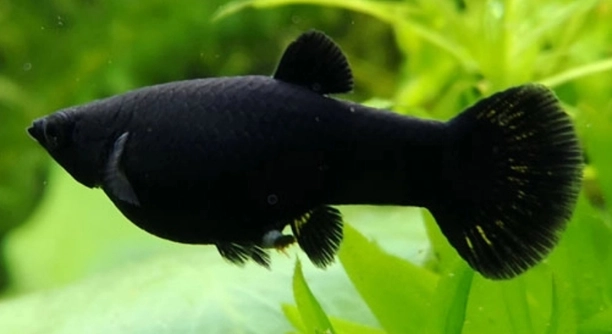
Is your black molly swimming alone at the bottom of the tank, away from other fish and hiding behind decorations? Many owners notice this behavior and feel concerned when their usually active fish suddenly isolates itself.
Isolation in black mollies is often caused by stress, illness, or poor water conditions. Changes in temperature, overcrowding, or a sudden shift in environment can trigger this behavior, prompting the fish to seek safety away from its tank mates.
Understanding why your black molly withdraws is important for its health. By recognizing early signs, you can make simple adjustments to improve its comfort and wellbeing.
Common Causes of Isolation in Black Mollies
Black mollies often isolate themselves due to stress, illness, or changes in their environment. Stress can come from overcrowding, aggressive tank mates, or sudden changes in water temperature. Illnesses such as parasitic infections or bacterial issues also make them retreat. Poor water quality, including high ammonia or nitrate levels, can drive a normally social molly to hide. Even minor changes, like rearranging tank decorations, can make a sensitive fish feel unsafe. Observing their behavior closely helps identify patterns. Feeding habits may change when a molly is unwell, and noticing a decrease in appetite can be an early sign. Providing hiding spots, stable water conditions, and gentle tank companions encourages a sense of security. Regular water tests and proper tank maintenance are essential. Paying attention to subtle signs ensures that your black molly remains healthy, active, and comfortable in its environment, reducing the risk of prolonged isolation.
Stress from environmental changes is often the main reason for withdrawal.
Keeping your tank stable, with consistent temperature and clean water, prevents unnecessary stress. Avoid sudden movements, loud noises, and overcrowding, as black mollies thrive in calm, predictable surroundings. Providing enough space and hiding spots helps them feel safe and reduces isolation behavior. Regular monitoring of water parameters ensures long-term health and encourages social interaction with other tank mates. Small adjustments can make a noticeable difference in their activity levels.
Health Issues That Lead to Hiding
Illnesses can make black mollies hide for long periods. Symptoms like clamped fins, lethargy, or unusual swimming patterns often accompany isolation. Parasites, fungal infections, or internal diseases are common causes. Early detection is key to effective treatment and preventing further health decline. Observing your fish daily and noting changes in appearance or behavior allows you to respond quickly. Quarantining a sick molly can protect other fish while treatment takes place.
Treatment depends on the issue. For bacterial infections, antibiotics may be necessary, while parasites often require specific medications or salt baths. Maintaining optimal water conditions strengthens their immune system and aids recovery. Temperature, pH, and ammonia levels should be checked regularly, as poor water quality worsens illness. Even small injuries, like fin tears, can lead to hiding if left untreated. Feeding a balanced diet supports healing and overall health. Combining preventive care, close observation, and timely intervention ensures that isolated black mollies return to active, social behavior in the tank. Consistency and patience are essential when addressing health-related isolation.
Water Quality and Its Impact
Poor water quality can make black mollies hide. High ammonia, nitrite, or nitrate levels, along with sudden temperature changes, stress them and cause isolation. Regular testing and partial water changes keep the environment stable and safe for all fish.
Maintaining clean water is crucial for black mollies. Sudden spikes in ammonia or nitrites can be toxic, leading to lethargy, loss of appetite, and hiding behavior. Even minor fluctuations in temperature or pH levels can make sensitive fish uncomfortable. Using a reliable water test kit, performing weekly partial water changes, and ensuring proper filtration helps maintain a healthy tank. Stable conditions reduce stress and encourage natural, active behavior, making the fish feel secure in their environment. Observing water parameters consistently prevents many health and behavioral problems.
In addition to chemical balance, physical cleanliness matters. Uneaten food, decaying plants, and waste buildup can degrade water quality quickly. Removing debris and vacuuming the substrate helps keep harmful substances low. Filtration should match tank size and fish load to efficiently remove toxins. Aeration ensures proper oxygen levels, supporting energy and movement. Small improvements, like adding a gentle current or adjusting lighting, can further stabilize the tank. Healthy water encourages social interaction and reduces hiding behavior, giving black mollies a more active and stress-free life.
Tank Companions and Social Behavior
Aggressive or incompatible tank mates can make black mollies retreat. Fish that nip fins or dominate space often drive mollies to hide. Choosing calm, compatible species promotes safety and activity.
Black mollies are social but sensitive. Crowded tanks or overly aggressive companions cause stress and isolation. Avoid housing them with large or territorial species. Introducing peaceful fish that share similar water preferences creates a balanced community. Observing interactions is important; mollies may tolerate some chasing but prolonged harassment leads to constant hiding. Providing hiding spots gives mollies control over their space, reducing stress. Regularly checking behavior ensures the tank remains harmonious.
Hiding can also be linked to breeding behavior. Female mollies may seek shelter to escape persistent male attention. Providing plants, caves, or floating decorations offers secure spaces for rest and reproduction. Ensuring a proper male-to-female ratio reduces harassment and promotes natural social interactions. Grouping mollies in compatible schools supports mental stimulation and activity while minimizing stress. Understanding social dynamics helps prevent unnecessary isolation and keeps the tank peaceful.
Seasonal and Environmental Changes
Black mollies may hide when water temperature fluctuates with the seasons. Sudden shifts in temperature or light levels can stress them, prompting retreat to safer areas. Maintaining stable conditions helps mollies remain active and comfortable throughout the year.
Changes in water chemistry, such as pH or hardness, also impact their behavior. Mollies are sensitive to rapid environmental shifts and may isolate until conditions stabilize. Gradual adjustments prevent stress and promote regular activity.
Diet and Feeding Habits
A poor or inconsistent diet can lead to hiding. Black mollies require a mix of high-quality flake food, vegetables, and occasional protein. Nutritional deficiencies weaken them, causing lethargy and retreat from the tank. Observing feeding behavior helps identify underlying issues.
Tank Setup and Hiding Spots
Providing plants, caves, and decorations encourages natural behavior. Hiding spots give black mollies control over their space, reducing stress and promoting mental stimulation. They use these areas for rest, exploration, and safety from more active tank mates, which supports overall wellbeing.
FAQ
Why is my black molly hiding more than usual?
Hiding is often a response to stress, illness, or changes in the tank. Sudden shifts in temperature, water quality, or the introduction of new tank mates can make mollies feel unsafe. Observing their behavior, checking water parameters, and ensuring proper feeding helps reduce isolation.
Can overcrowding cause my black molly to isolate itself?
Yes. Overcrowded tanks increase competition for space, food, and oxygen, stressing mollies. Providing adequate swimming space and limiting the number of fish per gallon encourages natural behavior. Adding plants and decorations also creates safe areas where mollies can retreat without constant stress.
Is hiding a sign of illness in black mollies?
Isolation can indicate health problems. Parasites, bacterial infections, or internal disease often lead mollies to retreat. Watch for clamped fins, lethargy, loss of appetite, or unusual swimming patterns. Early intervention improves recovery, and quarantining affected fish prevents spreading illness to others.
How does water quality affect my black molly’s behavior?
Poor water quality stresses mollies, causing hiding. High ammonia, nitrite, or nitrate levels, sudden pH changes, and fluctuating temperatures trigger retreat behavior. Regular water tests, weekly partial water changes, and proper filtration maintain a stable environment, helping mollies feel safe and active.
Can tank decorations or layout impact hiding behavior?
Yes. Mollies need hiding spots to feel secure, but sudden changes in layout or removal of decorations can stress them. Plants, caves, and floating objects provide shelter and comfort. Gradually adjusting the tank and observing their response helps mollies adapt without prolonged isolation.
Do aggressive tank mates influence isolation?
Absolutely. Nipping or territorial fish can drive mollies to hide. Peaceful, compatible companions and proper male-to-female ratios reduce harassment. Providing secure spaces allows mollies to avoid aggressive fish while maintaining social interaction with safer companions.
Could diet affect hiding tendencies?
Nutritional deficiencies or irregular feeding can make mollies lethargic and withdrawn. A balanced diet of quality flakes, vegetables, and occasional protein supports energy levels. Observing feeding behavior ensures they are eating well and not retreating due to hunger or weakness.
How long will a black molly hide?
Duration varies based on cause. Temporary stress may last a few hours to days. Illness or poor water quality may prolong hiding. Continuous observation and correcting the root issue—like improving water quality, adjusting tank mates, or treating illness—encourages normal behavior to return.
Do seasonal changes affect black molly activity?
Yes. Mollies are sensitive to temperature and light changes. Sudden seasonal shifts can cause them to hide. Maintaining consistent water temperature and stable lighting conditions reduces stress and keeps mollies more active throughout the year.
When should I seek help for a hiding black molly?
If isolation continues for several days, accompanied by lethargy, poor appetite, or visible signs of disease, action is needed. Testing water, adjusting tank conditions, and consulting a fish health expert ensures timely care, preventing serious health issues.
Can hiding be normal behavior for black mollies?
Some hiding is natural, especially for resting or escaping brief disturbances. However, prolonged or frequent isolation signals stress or health concerns. Providing hiding spots and monitoring behavior helps distinguish normal rest from problem-driven withdrawal.
What are quick ways to encourage a black molly to be more active?
Ensure clean water, stable temperature, and a balanced diet. Add gentle currents, proper lighting, and hiding spaces. Reducing aggressive tank mates and avoiding sudden disturbances encourages black mollies to explore and engage with the tank regularly.
How can I prevent my black molly from isolating in the future?
Maintain consistent water quality, proper tank size, compatible companions, and a balanced diet. Avoid sudden environmental changes. Regular monitoring and preventive care keep stress low, supporting social, healthy, and active behavior over time.
Black mollies are naturally social fish, but they sometimes isolate themselves for reasons that are easy to overlook. Stress, illness, poor water quality, or incompatible tank mates are the main triggers for this behavior. Paying close attention to your molly’s actions, such as hiding in corners or staying still for long periods, helps identify the cause before it becomes a bigger issue. Even small changes in the tank, like rearranging decorations or adjusting lighting, can make a sensitive molly feel unsafe. Observing behavior consistently allows you to notice patterns and respond quickly, which can prevent prolonged isolation. Providing a calm environment, stable water conditions, and appropriate tank companions supports your fish’s natural activity.
Maintaining good water quality is one of the most important steps for keeping a black molly healthy and active. Regular testing for ammonia, nitrites, nitrates, pH, and temperature ensures that the tank conditions remain stable. Partial water changes and proper filtration remove waste and reduce toxins, which lowers stress for the fish. Even if everything looks fine on the surface, minor imbalances can cause mollies to retreat. Including plants, caves, and floating decorations gives them safe spaces, allowing the fish to control their environment while still encouraging exploration and interaction. Proper feeding is also essential. A varied diet of high-quality flake food, vegetables, and occasional protein keeps mollies strong and energetic, reducing the chance of isolation caused by weakness or hunger.
Social dynamics in the tank also play a major role in your molly’s behavior. Aggressive or overly active tank mates may push a black molly to hide more often, while peaceful and compatible fish create a supportive environment. Female mollies especially may retreat to avoid constant attention from males, making hiding a normal part of their behavior. Providing enough space, hiding spots, and a balanced male-to-female ratio helps mollies feel safe. Seasonal or environmental changes, like fluctuations in temperature or light, also affect activity levels, so gradual adjustments are better than sudden ones. By understanding the needs of your black molly and responding to signs of stress, you can create a stable, healthy, and comfortable environment. With careful observation, regular maintenance, and thoughtful tank setup, your molly can return to being active and social, showing the lively behavior that makes these fish so enjoyable to keep.

Hello,
If you enjoy the content that we create, please consider saying a "Thank You!" by leaving a tip.
Every little bit helps us continue crafting quality advice that supports the health, happiness, and well-being of pets around the world, for pets of all shapes, sizes, and species.
We really appreciate the kindness and support that you show us!