
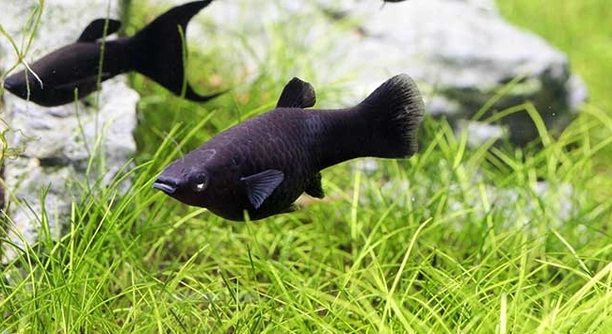
Black Mollies are lively fish that bring energy and color to any aquarium. Their social behavior can be fascinating, yet sometimes unpredictable. Observing them closely can reveal patterns influenced by multiple factors in their environment.
Several key elements influence Black Molly social behavior, including water quality, tank size, population density, diet, light exposure, presence of hiding spaces, and interactions with other species. Each factor plays a significant role in shaping their social interactions and hierarchy.
Knowing what shapes their behavior can help you create a calmer, more balanced aquarium. Understanding these influences makes it easier to support healthy, happy Black Mollies.
Water Quality
Maintaining good water quality is essential for Black Mollies. They thrive in clean, stable conditions where ammonia, nitrite, and nitrate levels are monitored regularly. Sudden changes in pH or temperature can make them stressed and more aggressive toward each other. Regular water changes, proper filtration, and testing the water frequently keep their environment healthy. Clean water reduces the risk of disease and ensures that their natural social behaviors emerge. Black Mollies are sensitive to toxins in the tank, and even minor shifts in chemical balance can affect their mood and interactions. Providing consistent water parameters helps maintain harmony and encourages active schooling.
Poor water conditions often result in shy or withdrawn fish.
When the water is well-maintained, Black Mollies display their usual social patterns. They swim confidently in groups, chase each other lightly, and interact without showing signs of stress. Water quality not only impacts their health but also directly influences the way they communicate and establish social hierarchy. Tanks that are neglected can create tension, where some fish dominate while others hide. Observing your Black Mollies in a clean, balanced tank reveals the natural charm of their behaviors. They become more playful, assertive, and predictable, making it easier to manage a peaceful aquarium.
Tank Size
A larger tank gives Black Mollies space to explore and interact naturally. Crowded conditions can increase stress and aggression, which affects social behavior.
Providing a tank of adequate size allows fish to spread out, reducing competition.
Smaller tanks limit their movement and make it harder for them to establish territories. In cramped conditions, Black Mollies may chase one another excessively or hide constantly. A spacious tank helps them form small groups, maintain distance when needed, and display more balanced social behaviors. Open swimming areas combined with planted or decorated zones offer places for rest and privacy. This combination encourages natural interactions while keeping stress levels low. Fish in larger tanks tend to be healthier, more active, and more confident, which makes observing their social behavior enjoyable. A proper tank size is a simple adjustment that produces noticeable improvements in both their activity and harmony.
Population Density
Overcrowding in the tank can cause tension among Black Mollies. Too many fish lead to frequent chasing and territorial disputes, disrupting normal social behavior.
High population density forces Black Mollies to compete for space, food, and hiding spots. This constant competition increases stress, making some fish more aggressive while others retreat and hide. Fish that are repeatedly chased may become withdrawn, affecting the overall harmony of the tank. By keeping the number of fish appropriate for the tank size, each Molly can have enough room to move freely and interact naturally. Proper spacing encourages a balanced social structure, reduces stress-related illnesses, and allows shy fish to come out of hiding, fostering a calmer environment.
Balancing the number of fish also improves feeding. When space is limited, dominant Mollies often monopolize food, leaving weaker individuals undernourished. Adequate population density ensures fair feeding, less competition, and healthier fish overall. Observing a well-populated tank shows fish engaging in natural schooling behavior, playful chasing, and cooperative interactions. Overcrowding diminishes these positive behaviors and can lead to long-term stress, so keeping numbers in check is essential for both social and physical health.
Diet
A consistent and nutritious diet supports healthy social behavior in Black Mollies. Lack of proper nutrients can make them more irritable or inactive.
Balanced feeding keeps energy levels stable and reduces aggressive tendencies.
Black Mollies thrive on a mix of high-quality flakes, pellets, and occasional live or frozen foods like brine shrimp or daphnia. Adequate protein promotes growth, vitality, and active interactions. Overfeeding, however, can cause obesity, poor water quality, and increased aggression as fish compete for excess food. Feeding small portions multiple times a day prevents dominance issues and ensures all fish receive nutrition. Observing feeding times can also highlight social hierarchy, as more dominant fish may claim preferred spots. A proper diet strengthens immunity, supports reproduction, and encourages playful schooling, ultimately maintaining a balanced and calm aquarium environment.
Light Exposure
Black Mollies are sensitive to the amount of light in their tank. Too much or too little light can make them skittish or less active.
Consistent lighting helps regulate their daily activity and social interactions. Proper light cycles encourage normal swimming patterns and reduce stress-related aggression.
Hiding Spaces
Providing hiding spots is crucial for maintaining peace among Black Mollies. Plants, rocks, or decorations give them areas to retreat when feeling threatened.
Hiding spaces allow timid fish to escape from more dominant individuals. This reduces stress and helps maintain balanced social interactions. Mollies use these areas to rest, explore safely, and establish small territories. A tank with varied shelters encourages confident and healthy behaviors while minimizing conflict.
FAQ
Why are my Black Mollies fighting so much?
Fighting among Black Mollies usually happens when there is overcrowding, insufficient hiding spaces, or poor water conditions. Dominant fish may chase others to establish territory. Ensuring enough space, clean water, and places to hide can significantly reduce aggression. Observing the tank carefully can help you identify which fish are stressed and adjust their environment accordingly.
How can I tell if my Black Mollies are stressed?
Signs of stress include hiding constantly, clamped fins, loss of appetite, and erratic swimming. Stressed fish may also become more aggressive or lethargic. Monitoring water quality, providing a balanced diet, and keeping tank conditions stable are essential for preventing stress. Minor changes in lighting or tank arrangement can also impact their behavior.
Do Black Mollies need companions to be happy?
Yes, Black Mollies are social fish that do best in small groups. Being alone can make them shy or inactive. A group allows them to interact naturally, establish social hierarchies, and engage in normal swimming behaviors. However, it’s important to balance population density to avoid overcrowding and aggression.
How often should I feed my Black Mollies?
Feeding two to three small portions a day works best. Overfeeding can lead to poor water quality and aggressive behavior as dominant fish compete for food. Providing a mix of high-quality flakes, pellets, and occasional live or frozen food ensures they get proper nutrition and stay active.
Can tank decorations affect their social behavior?
Absolutely. Plants, rocks, and other hiding spots help reduce aggression by giving shy fish places to retreat. They also allow fish to explore and establish small territories, which balances social interactions. A varied tank setup encourages healthy behavior and keeps the group calmer overall.
Does water temperature influence their interactions?
Yes, Black Mollies are sensitive to water temperature. Temperatures that are too high or too low can stress them, making them more aggressive or withdrawn. Maintaining a stable temperature within their preferred range supports healthy activity, normal social behavior, and reduces the risk of disease.
What role does diet play in their social behavior?
A nutritious, balanced diet keeps Black Mollies active and reduces aggression. Inadequate nutrition or overfeeding can disrupt social hierarchies, with dominant fish claiming most food. Providing consistent portions of varied foods ensures all fish are healthy, energetic, and capable of normal social interactions.
How can I encourage peaceful behavior among Black Mollies?
Maintaining clean water, proper tank size, balanced population, hiding spaces, and consistent feeding helps. Observing the group and adjusting the environment based on their interactions encourages calm and balanced behavior. Small changes, like adding plants or rearranging decorations, often make a noticeable difference in harmony.
Is it normal for males to chase females constantly?
Yes, males often chase females as part of mating behavior. While some chasing is natural, excessive pursuit can stress females. Providing ample space, hiding spots, and enough females in the tank helps reduce harassment and keeps the group balanced.
How can I prevent bullying in the tank?
Preventing bullying involves maintaining a proper number of fish, giving enough space, and including hiding spots. Monitoring dominant fish and occasionally rearranging decorations can break established territories. A balanced diet and consistent care also reduce competition and encourage peaceful social interactions.
Can introducing new fish disrupt social behavior?
Yes, adding new Black Mollies or other species can temporarily upset the social balance. Introduce fish slowly, quarantine them first, and observe interactions. Proper acclimation and rearranging tank decorations can help reduce initial stress and aggression, allowing the group to adjust gradually.
Do Black Mollies form lasting bonds with tank mates?
While they do not form bonds like mammals, they recognize group members and establish a social hierarchy. Fish often interact more peacefully with familiar tank mates, so keeping a stable group encourages predictable, balanced behavior and reduces stress for everyone.
How does light affect their daily activity?
Regular light cycles help regulate their swimming and social patterns. Too much light can cause stress, while too little reduces activity. Providing consistent day and night periods supports normal interactions, feeding behavior, and overall well-being.
What are signs that my tank setup is affecting behavior?
Excessive hiding, aggression, lethargy, or uneven feeding are signs of environmental stress. These behaviors often indicate issues with space, water quality, lighting, or decorations. Adjusting these factors usually restores balanced social behavior and improves the overall health of the group.
How long does it take for Black Mollies to settle socially?
Settlement depends on tank conditions, population size, and individual personalities. Generally, it can take several days to a few weeks for a group to establish a stable hierarchy. Proper setup and observation help them adjust faster, promoting calmer interactions and balanced social behavior.
Can water chemistry changes cause sudden aggression?
Yes, sudden changes in pH, hardness, or chemical levels can stress Black Mollies, triggering aggression. Regular testing and gradual adjustments prevent sudden mood changes. Consistent water quality helps maintain harmony, reduces stress, and ensures normal social interactions among all tank members.
What is the impact of tank mates on Black Molly behavior?
Other species can influence social dynamics. Peaceful, similarly sized fish usually integrate well, while aggressive or overly active species can stress Black Mollies. Choosing compatible tank mates supports a calm environment, reduces bullying, and allows natural social behaviors to emerge.
How can I observe social behavior effectively?
Watch for chasing, hiding, and feeding patterns. Note which fish dominate and which are shy. Observing over several days gives a clearer picture of hierarchy and stress levels. Adjusting tank conditions based on these observations improves social balance and ensures a healthier aquarium.
Are there signs that a Black Molly is lonely?
Lonely fish may hide more, swim slowly, or avoid interactions. Keeping them in small groups of at least three helps maintain social stimulation and encourages normal behavior. Avoid overstocking while ensuring each fish has companions to interact with, supporting mental and physical well-being.
Does age or size affect social behavior?
Yes, larger or older fish may dominate smaller or younger ones, influencing hierarchy. Keeping similar-sized groups or providing hiding spaces for weaker fish helps balance interactions. Observing growth and adjusting group composition over time supports calmer and healthier social behavior.
Can seasonal changes affect behavior in aquariums?
Even in indoor tanks, light and temperature fluctuations can subtly influence activity and social interactions. Maintaining consistent conditions helps prevent unexpected stress or aggression, ensuring Black Mollies remain active, calm, and interactive throughout the year.
Black Mollies are vibrant, social fish that can bring life and energy to any aquarium. Their interactions are shaped by many factors, including water quality, tank size, population density, diet, lighting, hiding spaces, and tank mates. Understanding these influences helps create a calm and healthy environment for them. When each factor is carefully managed, their natural behaviors, such as swimming in small groups, playful chasing, and exploring, can be observed regularly. Paying attention to their daily habits also allows you to notice any changes early, which can prevent potential problems like aggression, stress, or illness. The more consistent their environment, the more predictable and balanced their social behavior becomes.
Creating the right environment for Black Mollies is not complicated, but it does require careful planning. Clean water, proper tank size, and a balanced population are the foundation for a healthy social structure. Providing nutritious food in the right amounts ensures all fish remain active and reduces dominance issues during feeding. Hiding spots and decorations help fish feel safe and establish territories without causing conflict. Proper lighting helps regulate their activity and supports a natural day-night cycle. Each of these elements works together to support both physical health and social harmony. Small adjustments, like adding a few more plants or rearranging decorations, can make a noticeable difference in behavior and reduce tension among the fish.
Observing Black Mollies closely is the best way to understand their needs and habits. Their behavior can change quickly when conditions are not ideal, so monitoring water parameters, diet, and social interactions is important. When the environment is stable and thoughtfully arranged, you can enjoy watching confident, playful, and balanced fish. Healthy social behavior not only makes the tank more enjoyable to watch but also contributes to longer, healthier lives for the Mollies. By focusing on their environment and meeting their needs consistently, it becomes easier to manage stress, aggression, and other social challenges. Overall, understanding and supporting their behavior is key to creating a peaceful and thriving aquarium where Black Mollies can display their natural charm.

Hello,
If you enjoy the content that we create, please consider saying a "Thank You!" by leaving a tip.
Every little bit helps us continue crafting quality advice that supports the health, happiness, and well-being of pets around the world, for pets of all shapes, sizes, and species.
We really appreciate the kindness and support that you show us!