
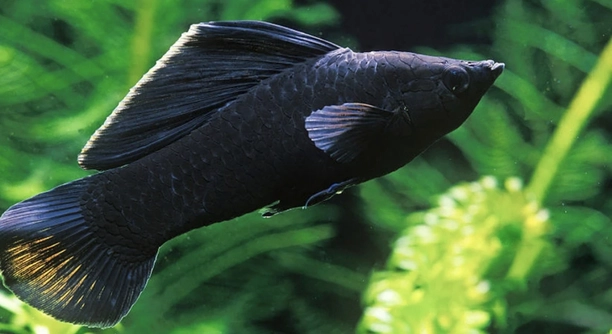
Do you ever find yourself worrying about your aquarium during a sudden blackout? Black Molly fish are lively and social, and losing electricity can make caring for them feel stressful and uncertain.
Black Molly fish can survive short-term power outages if water conditions remain stable. Maintaining temperature, oxygen levels, and cleanliness during the outage is critical to prevent stress and ensure their survival in the absence of filtration and heating.
Knowing how to manage your tank during unexpected outages can make a significant difference for your fish’s health and overall well-being.
Preparing Your Tank Before a Power Outage
Keeping your Black Molly safe starts before the lights go out. Make sure the tank is clean and water parameters are stable. Check that the temperature is steady and oxygen levels are sufficient. If possible, do a partial water change to remove excess waste. Adding an air stone or battery-powered aerator can help maintain oxygen when the power fails. Keep the tank away from direct sunlight or cold drafts to prevent temperature swings. Feed your fish lightly; overfeeding can create harmful waste while filtration is off. Make sure all equipment, such as heaters and filters, is functioning properly beforehand, and have backup power sources ready if outages are frequent. Knowing how to act early reduces stress on the fish and helps prevent sudden declines in water quality, which can be dangerous during a blackout.
Short preparation steps make all the difference in keeping your fish alive and calm during an outage.
Even small measures, like adjusting feeding or adding a portable aerator, can protect your Black Molly. These little efforts keep oxygen levels safe and avoid sudden temperature drops. Planning ahead gives you peace of mind and ensures the fish remain active and healthy. Black Molly are resilient but respond best when their environment stays predictable.
Maintaining Oxygen and Temperature
During a power outage, oxygen levels drop quickly, especially in heavily stocked tanks.
You can maintain oxygen by gently stirring the water or using battery-operated aeration. Temperature is critical; Black Molly prefer stable, warm water. Covering the tank with a blanket can help retain heat, but avoid sealing it completely, which can reduce air circulation. In prolonged outages, consider transferring some fish to a smaller, insulated container. Monitoring behavior is essential—gasping at the surface indicates low oxygen. Avoid sudden changes once power returns; gradually restore equipment to prevent shock. Even short-term attention to these details helps your fish survive until normal conditions return.
To keep Black Molly healthy, controlling oxygen and temperature during a blackout is vital. Battery-operated pumps, air stones, or gentle water movement can prevent suffocation. Covering the tank conserves warmth, and avoiding overfeeding reduces waste buildup. Monitoring fish behavior helps identify stress early. If the outage lasts hours or days, temporary relocation to a smaller container or a friend’s tank can be lifesaving. Always restore heaters and filters gradually to prevent shock. Being proactive ensures your fish remain calm and active, reducing the risk of disease or death. Simple, careful steps can mean the difference between survival and serious health issues. Consistent observation and quick action give your Black Molly the best chance during uncertain times.
Feeding During Power Outages
Feeding should be minimal when the power is out. Black Molly can survive a short period without food, and overfeeding can harm water quality.
Even a single blackout can make leftover food quickly decompose, reducing oxygen and stressing the fish. Offer tiny portions or skip feeding for a day if needed. Avoid adding flakes or pellets unless you are certain the tank can handle the waste. Black Molly are resilient and can manage short fasting periods, but excess food can create ammonia spikes. Monitoring water clarity and behavior helps determine if feeding is safe.
It’s better to underfeed than overfeed during outages. Use small, measured amounts if necessary, and remove uneaten food promptly. Observing fish activity provides guidance on how much they actually need. Fasting for a day or two does not harm them and prevents potential water quality issues. Planning ahead and having a feeding strategy reduces stress and keeps the fish healthy until normal conditions return.
Using Backup Power Solutions
Battery-powered equipment can maintain basic functions for hours.
Air pumps, small heaters, and filters with batteries keep water safe when electricity is gone. Rotate batteries and check devices before outages. Having a backup plan ensures fish survive longer without stress or damage.
Generators are an effective way to run full equipment. Use them safely outside and avoid carbon monoxide risks. Even simple solutions, like a charged power bank with a small pump, can make a difference in short outages. Prioritize oxygenation and temperature stability, since these affect fish survival the most. Planning ahead reduces panic and ensures the tank environment remains suitable. Test your setup occasionally to confirm everything works. Consistent monitoring during an outage helps identify issues early and prevents emergencies. Backup power gives confidence that Black Molly can remain healthy until normal electricity returns.
Signs of Stress in Black Molly
Lethargy, clamped fins, or gasping at the surface are common signs of stress.
Loss of appetite and unusual swimming patterns also indicate the fish is struggling. Immediate action can prevent serious health problems.
Water Quality Management
During a power outage, waste can build up quickly, causing ammonia and nitrite levels to rise. Avoid feeding and gently remove debris with a small net. If possible, perform partial water changes using prepared, temperature-matched water. Test kits help monitor ammonia, nitrite, and pH levels. Maintaining clean water reduces stress and prevents disease. Black Molly are sensitive to sudden changes, so gradual adjustments are best. Keep an eye on the fish for unusual behavior, as this can indicate water problems even if test readings seem normal.
Avoid Overcrowding
Keep the number of fish manageable to reduce stress and oxygen depletion during outages.
FAQ
How long can Black Molly survive without power?
Black Molly can survive short outages of a few hours if water conditions remain stable. Oxygen and temperature are the most critical factors. Longer outages increase stress and risk, so it’s important to monitor the tank and provide backup solutions when possible.
Do Black Molly need air pumps during outages?
Yes, air pumps or battery-operated aerators help maintain oxygen levels. Gasping at the surface indicates low oxygen. Even simple movement of water with a net or cup can temporarily increase oxygen if an air pump isn’t available.
Can I feed my fish during a blackout?
Feeding should be minimal or skipped. Uneaten food decomposes and lowers oxygen, stressing the fish. Black Molly can tolerate short fasting periods without harm. Only feed tiny amounts if you know the water can handle it.
Is it necessary to use a backup heater?
Yes, temperature stability is important. Black Molly prefer warm water, and sudden drops can shock them. Small battery-operated heaters or insulated containers can maintain warmth. Covering the tank with a blanket can help conserve heat.
How do I know if water quality is safe?
Watch for signs like lethargy, clamped fins, or unusual swimming. Test kits for ammonia, nitrite, and pH are helpful. Even small changes in water quality can stress the fish during a power outage. Partial water changes with prepared water may be needed.
Should I move my fish to another tank?
Temporary relocation is an option for long outages. Use a smaller container with stable temperature and oxygen. Avoid overcrowding and make sure the water is clean. Gradually return fish to the main tank once power is restored.
Can Black Molly survive without food for days?
Yes, they can handle short fasting periods of one to two days. Overfeeding during outages is more dangerous than skipping meals. Their metabolism allows them to survive brief periods without food safely.
What equipment is essential during outages?
Battery-powered air pumps, small heaters, and portable filters are most important. Generators can run full equipment if used safely. Having a tested backup setup reduces stress and ensures fish remain healthy until power returns.
How do I reduce stress during an outage?
Minimize disturbances around the tank. Avoid sudden water changes or excessive handling. Small measures like gentle aeration and temperature control make a big difference. Observing fish behavior closely helps you respond to issues early.
Are some tanks more vulnerable than others?
Yes, heavily stocked tanks or large aquariums with high filtration needs are more vulnerable. Smaller tanks with fewer fish may survive better in short outages. Planning ahead and preparing backup solutions helps all tanks, but especially those under strain.
What should I do immediately after power returns?
Gradually restore equipment to avoid shocking the fish. Check water parameters and adjust as needed. Feed lightly and monitor behavior for signs of lingering stress or water quality problems. Prompt care ensures a smooth recovery.
Can plants help during outages?
Live plants contribute some oxygen and improve water quality, but they are not sufficient alone for long outages. They can help slightly with oxygen levels and waste absorption, but backup aeration is still necessary.
How often should I test water during an outage?
Check water parameters more frequently than usual if the power is out for more than a few hours. Ammonia and nitrite can rise quickly. Observing fish behavior also provides important clues about water safety.
Are Black Molly more sensitive than other fish?
They are moderately sensitive to sudden changes in temperature and oxygen. Compared to hardy species, they require more attention during outages. Stability is key to preventing stress, disease, or death.
What is the best way to prepare for recurring outages?
Keep battery backups, portable heaters, and air pumps ready. Know the locations of generators or alternative tanks. Practice using them in advance. Planning ahead reduces panic and ensures the fish remain healthy during repeated outages.
Can I prevent stress completely during an outage?
Complete prevention is difficult, but minimizing temperature swings, maintaining oxygen, and avoiding overfeeding helps a lot. Careful observation and prompt action reduce the risk of serious health issues. Small measures can make a big difference in Black Molly survival.
How long should I monitor the tank after power returns?
Monitor for at least 24 to 48 hours. Fish may show delayed stress or unusual behavior. Check water quality and adjust equipment gradually. Continuing observation ensures any lingering effects of the outage are addressed promptly.
Is it safe to leave fish alone during short outages?
Yes, for a few hours, fish can survive without intervention if water quality is good. For longer outages, active measures like aeration or temporary relocation are recommended. Being proactive improves survival chances significantly.
Do I need to reduce lighting during outages?
Lighting is not essential during a blackout and can even add heat. Focus on oxygen, temperature, and water quality. Keep the tank environment calm and stable.
How can I keep myself calm during an outage?
Having a clear plan, backup equipment, and monitoring routine reduces worry. Watching your fish safely and knowing what actions to take helps you stay in control and ensures they remain healthy.
Are there any long-term effects from short outages?
Short outages usually have minimal long-term impact if the fish survive without stress. Prolonged or repeated outages can cause health issues, but careful preparation and monitoring reduce risks significantly.
Can I combine multiple backup solutions?
Yes, using battery-powered air pumps, heaters, and partial filtration together improves survival. Layered solutions provide redundancy and reduce risk if one method fails.
Do Black Molly behave differently after an outage?
They may be slightly more cautious or less active for a short period. Stress signs should subside once the tank stabilizes, and normal activity usually returns within a day or two.
Is it worth investing in high-tech backup systems?
For frequent outages, yes. Reliable battery backups, generators, and monitored aeration systems can prevent emergencies. For rare outages, simpler solutions are often sufficient. Evaluating your tank’s needs helps determine the best investment.
Can water conditioners help during outages?
Yes, conditioners can neutralize ammonia or chlorine in replacement water. They are useful if partial water changes are needed while the filtration is off. Using them properly prevents additional stress to the fish.
What is the most common mistake during outages?
Overfeeding and panicking are the most frequent issues. Both worsen water quality and stress the fish. Minimal intervention, careful observation, and maintaining oxygen and temperature stability are far more effective for survival.
How can I prevent future stress in my Black Molly?
Regular tank maintenance, monitoring water quality, and having a backup plan are key. Creating a calm, stable environment helps fish handle occasional disruptions without lasting harm. Consistency and preparation are the best protection.
Black Molly are resilient fish, but they depend on a stable environment to thrive. Power outages can be stressful for them, especially if oxygen levels drop or the water temperature changes suddenly. Preparing the tank in advance is the most effective way to minimize risk. Simple steps like cleaning the tank, checking water parameters, and ensuring equipment is working properly can make a big difference. Adding a battery-powered air pump or aerator ensures oxygen continues to circulate when the power goes out. Small adjustments, like covering the tank to preserve warmth or reducing feeding before an expected outage, can help prevent sudden stress on the fish. Even minor preparation gives Black Molly a better chance of staying healthy and active during periods without electricity.
During an outage, it’s important to monitor the fish closely. Signs of stress include gasping at the surface, clamped fins, unusual swimming patterns, or loss of appetite. Observing behavior can give early warnings about problems with oxygen or temperature. Water quality is equally important. Overfeeding or leftover food can produce waste that quickly contaminates the tank when filtration is off. Performing small, careful water changes or removing debris with a net helps maintain a safer environment. Battery-powered heaters or insulation can keep the water at a comfortable temperature. Even short-term outages require attention, but the right steps can prevent health issues and keep the fish comfortable until normal conditions return.
Once the power is restored, gradual adjustments are key. Turn equipment back on slowly and check water parameters before resuming normal feeding. Black Molly may act slightly cautious or less active for a short time after stress, but their behavior usually returns to normal within a day or two. Using backup equipment, observing behavior, and maintaining consistent water quality are the most effective ways to prevent lasting problems. Preparing for outages, staying attentive during them, and taking careful measures afterward ensures your fish remain healthy. With the right planning and actions, Black Molly can survive power interruptions safely while continuing to thrive in their aquarium.

Hello,
If you enjoy the content that we create, please consider saying a "Thank You!" by leaving a tip.
Every little bit helps us continue crafting quality advice that supports the health, happiness, and well-being of pets around the world, for pets of all shapes, sizes, and species.
We really appreciate the kindness and support that you show us!