
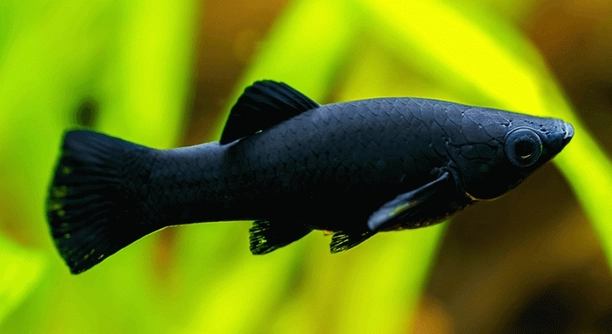
Male and female Black Mollies are common choices for home aquariums, and their differences go beyond just size. Many fish keepers notice subtle traits that help identify their genders more easily. Understanding these traits improves care and breeding success.
Male and female Black Mollies differ in body shape, size, fin structure, behavior, coloration, reproductive organs, and social habits. Males are generally slimmer with longer fins, while females have rounder bodies and display gravid spots when mature.
Knowing these differences allows fish keepers to better manage their tanks, ensure healthy breeding, and maintain a harmonious environment for all Black Mollies.
Body Shape Differences
Male Black Mollies usually have a slimmer, torpedo-like body, making them appear agile and quick in the tank. Females, on the other hand, tend to have rounder, fuller bodies, especially around the belly area. This is most noticeable when they are carrying fry. Observing these body shapes closely can help in identifying genders without handling the fish. Additionally, males may look more streamlined because their fins take up more visual space, creating a sleeker silhouette. Females’ bulkier midsections are designed to accommodate eggs, which is a natural part of reproduction. These differences are subtle at first, but over time, especially in a tank with multiple Mollies, the contrast becomes easier to spot. Watching their swimming patterns also highlights these differences; males often dart around more quickly, while females move with steadier, more deliberate motions.
These body shape differences are key for separating males and females for breeding purposes and tank management.
Understanding body shapes helps improve care, monitor health, and plan breeding more effectively in home aquariums.
Fin Structure and Color
Male Mollies generally have longer and more pointed dorsal and anal fins than females.
The fin structure is one of the most reliable visual cues for identifying gender. Males’ fins are often more elongated, flowing, and sometimes slightly more colorful than those of females. Females have shorter, rounded fins that suit their bulkier bodies. Observing fins closely can help avoid mistakes when pairing fish for breeding. Fin size and shape are influenced by genetics and age, so younger Mollies might not show full differences immediately. In addition, males often flare their fins during territorial or mating displays, which makes them appear even larger and more elaborate. Females rarely show this behavior, making their fins seem less prominent. Differences in color intensity are also noticeable; males might show darker or shinier black hues compared to females, who often have softer or more muted tones. Being aware of these subtle but important differences ensures proper tank setup, reduces aggression, and promotes successful reproduction. Recognizing fin structure can also help detect any health issues early, as damaged fins may indicate stress or fighting. Proper care and observation of fins contribute to overall fish well-being.
Do you want me to continue with the next sections in the same format?
Behavioral Differences
Male Black Mollies are generally more active and territorial in the tank.
Males display more chasing and circling behaviors, especially around females. They may show dominance by flaring their fins or nudging other males. Females tend to be calmer and spend more time exploring or grazing on algae. These behaviors become more noticeable in community tanks or when multiple males are present. Watching their interactions closely helps in identifying gender without physical handling. Behavioral observation also indicates mood and stress levels. Over time, these subtle differences can guide tank arrangement, helping reduce fights and ensuring a peaceful environment.
Paying attention to behavior not only reveals gender but also highlights social dynamics, helping maintain harmony in the tank.
Observing these patterns can improve feeding routines, prevent injuries from aggression, and support breeding plans. Active males often need more space, while females benefit from hiding spots.
Coloration Differences
Male Black Mollies usually have darker, more vivid black tones than females, which often appear softer.
Color intensity is a useful gender indicator, especially under good lighting. Males show richer pigmentation and sometimes a slight metallic shine, while females tend to have muted, uniform black coloration. Differences may become more pronounced during mating periods when males display brighter colors to attract females. These subtle variations help in selecting breeding pairs and monitoring health. Healthy, well-fed Mollies also maintain consistent coloration, whereas dullness can indicate stress or illness. Observing color along with body shape and fin structure gives a complete picture of gender differences. Color can also vary slightly depending on water quality, diet, and age, so these factors should be considered. Proper lighting in the aquarium highlights these differences and supports overall fish well-being.
Color differences are reliable markers for gender identification and can assist in creating visually balanced aquariums.
Keeping track of coloration trends over time helps detect health problems, plan breeding, and understand social hierarchies in mixed tanks.
Reproductive Organ Differences
Male Black Mollies have a gonopodium instead of a traditional anal fin, which is used for mating.
Females have a fan-shaped anal fin and a rounder abdomen to hold eggs. Observing these differences is essential for breeding and identifying gender accurately.
Social Behavior
Males tend to be more territorial and display courtship behaviors around females. They may chase other males and show off their fins to assert dominance. Females are generally more peaceful and spend time grazing or hiding. These differences help maintain harmony and reduce stress in a community tank.
Size Differences
Females are usually larger than males, with rounder bodies and fuller abdomens. This difference is more noticeable in mature fish, especially when females are carrying fry. Monitoring size helps in separating genders for breeding and maintaining balanced tank populations.
Gravid Spot
Females develop a gravid spot near their anal fin when ready to breed. This darkened area indicates egg development and helps distinguish them from males. Observing the gravid spot is a simple, visual way to track reproductive health.
FAQ
How can I tell a male Black Molly from a female without handling them?
You can identify males and females by observing body shape, fin structure, and behavior. Males are slimmer with longer, pointed fins, while females are rounder and have shorter fins. Watching their movements in the tank also helps, as males tend to be more active and chase other fish.
Do color differences indicate gender reliably?
Yes, males usually display darker, more vivid black tones, while females have softer, muted colors. However, lighting, diet, and water quality can slightly affect coloration, so it’s best to use this alongside other traits like body shape and fin length.
Why do males chase females constantly?
Chasing is a natural mating behavior. Males display dominance and courtship by following and nudging females. This behavior is normal, but too much chasing can stress females, so providing hiding spaces and plants helps females rest and reduce stress.
What is a gravid spot, and why does it matter?
A gravid spot is a darkened area near a female’s anal fin, indicating egg development. Its presence signals that the female is ready to breed and helps distinguish her from males. Tracking the gravid spot also gives insight into reproductive health.
Should I separate males and females in the same tank?
Not always. Black Mollies can live together, but multiple males may compete for females, causing stress and aggression. If you notice excessive chasing or fighting, it’s a good idea to provide larger space, hiding spots, or temporary separation.
Do fin lengths affect mating success?
Yes. Longer, flowing fins in males are used to attract females and display dominance. Males with damaged or short fins may have reduced success in breeding. Keeping males healthy and avoiding overcrowding helps maintain their fin condition.
How soon can I tell the gender of young Black Mollies?
Young Mollies can show subtle differences after a few months. Males develop the gonopodium and longer fins earlier, while females gradually grow rounder bodies and a gravid spot appears when they mature. Observing a group over time makes identification easier.
Are male and female Black Mollies aggressive toward each other?
Males can show aggression toward other males, especially in small tanks, but females are generally peaceful. Aggression is often tied to mating competition rather than general hostility. Proper tank size and decoration reduce conflicts and keep both genders comfortable.
Do females ever chase males?
Females rarely chase males. They may swim quickly to escape persistent males or protect themselves, but aggressive pursuit is uncommon. Female behavior is more passive, often focused on grazing and finding secure areas in the tank.
How important is water quality in observing gender differences?
Water quality affects coloration, fin health, and general activity. Poor conditions can mask gender traits, like dull colors or fin damage, making identification harder. Maintaining clean water, proper temperature, and a balanced diet ensures gender differences are visible and fish remain healthy.
Can males and females coexist in small tanks?
They can, but small tanks increase stress and aggression. Males may chase females more frequently, and limited hiding spots can lead to injury. A larger tank with plants or decorations allows space for retreat, reduces conflict, and encourages natural behaviors.
What are signs of stress in male and female Black Mollies?
Stress signs include clamped fins, faded coloration, reduced activity, hiding, or rapid breathing. Males under stress may display excessive chasing or aggression, while females may remain withdrawn. Identifying stress early helps prevent illness and maintains a peaceful tank environment.
How do I prepare for breeding Black Mollies?
Separate males and females into a spacious, planted tank to reduce stress. Monitor the gravid spot in females and ensure males are healthy with intact fins. Feeding a nutritious diet and maintaining clean water encourages successful breeding and healthy fry development.
Are there visual differences in fins between mature and young Black Mollies?
Yes. Juveniles have small, less pronounced fins. Males gradually develop longer, pointed fins, while females’ fins remain short and rounded. Observing fin growth over several months allows for accurate gender identification before full maturity.
Does diet affect male and female appearance?
A balanced diet improves color, fin condition, and overall health. Males show brighter coloration and more impressive fins when well-fed, while females maintain healthy body shapes and reproductive readiness. Poor nutrition can dull colors, weaken fins, and make gender differences less noticeable.
How can I reduce aggression between male Black Mollies?
Provide enough space, hiding spots, and decorations. Limiting the number of males in a tank also helps. Ensuring females have escape routes reduces stress and allows males to display natural behaviors without causing harm. Observing interactions regularly helps prevent fights before they escalate.
What should I do if I misidentify gender?
Misidentification is common with young fish. Monitor body shape, fin development, and behavior over time. As traits become clearer, adjustments can be made for breeding or tank management. Patience and observation are key to accurate identification.
Can females lay eggs without males present?
Yes, Black Mollies are livebearers and can store sperm for a few months after mating. Females may give birth without males nearby, but having males around ensures continuous reproduction and genetic diversity. Observing the gravid spot helps track pregnancy progress.
Are there other subtle differences to watch for?
Yes. Males often swim higher and appear more alert, while females stay near plants or bottom areas. Slight differences in body taper, eye size, or fin curvature can also help. Combining multiple traits ensures accurate gender identification and healthier tank management.
How long does it take to confidently identify male and female Black Mollies?
With careful observation of body shape, fins, behavior, and coloration, most genders can be identified within a few months. Tracking changes over time, especially as females develop gravid spots and males grow longer fins, allows for reliable identification and better tank planning.
Understanding the differences between male and female Black Mollies is important for anyone keeping these fish. Males and females show noticeable variations in body shape, fin structure, coloration, and behavior. Observing these traits carefully helps in identifying genders without stressing the fish. Over time, watching how they swim, interact, and display their fins provides clear indications of which fish are male and which are female. This knowledge is especially useful for breeding purposes, as pairing the right male and female ensures healthier fry and a balanced tank population. Paying attention to details like body roundness in females and fin length in males makes identification easier, even in community tanks with multiple Black Mollies.
Behavior and social patterns also offer valuable clues. Males are generally more active, displaying chasing behavior and dominance to attract females or compete with other males. Females tend to be calmer, spending more time grazing or resting among plants. Recognizing these behavioral tendencies allows for better tank management, as it helps prevent stress and aggression. Providing enough space, hiding spots, and proper tank decorations ensures that both genders can thrive without conflict. In addition, observing social behavior can help in monitoring overall health. Fish that act unusually passive or overly aggressive may be stressed, ill, or uncomfortable with their environment, signaling the need for adjustments in care or tank conditions.
Finally, keeping track of visual cues such as coloration, gravid spots, and fin shape adds another layer of understanding. Males often have darker, shinier black tones and longer fins, while females display rounder bodies and may develop gravid spots when ready to breed. Combining all these observations—body shape, behavior, fin structure, and color—provides a comprehensive way to identify genders accurately. Maintaining clean water, a balanced diet, and proper tank conditions enhances these traits and supports the health of the fish. By learning and applying these differences, fish keepers can ensure a peaceful tank environment, successfully breed Black Mollies, and enjoy watching their unique behaviors and interactions over time.

Hello,
If you enjoy the content that we create, please consider saying a "Thank You!" by leaving a tip.
Every little bit helps us continue crafting quality advice that supports the health, happiness, and well-being of pets around the world, for pets of all shapes, sizes, and species.
We really appreciate the kindness and support that you show us!