
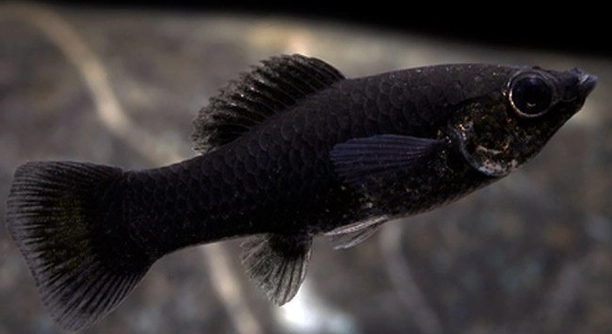
Have you noticed your black molly fry swimming unusually at the top of the tank? Observing these tiny fish behave differently can be worrying, especially when you want them to grow strong and healthy in your aquarium environment.
The primary reason black molly fry float upward is due to swim bladder issues, often caused by overfeeding, poor water quality, or developmental problems. These factors can affect buoyancy, making fry unable to maintain normal swimming depth.
Monitoring tank conditions and adjusting feeding habits can help correct this issue, ensuring the fry develop properly and thrive in a balanced aquatic environment.
Understanding Swim Bladder Issues
Swim bladder problems are common in black molly fry and can make them float at the water’s surface. The swim bladder is a small organ that helps fish control buoyancy. When it is not functioning properly, fry may struggle to stay submerged or move normally. Overfeeding is a frequent cause because uneaten food can lead to constipation, which puts pressure on the swim bladder. Poor water quality can also contribute, as high levels of ammonia or nitrites stress fry and affect internal organs. Genetics sometimes play a role too, where fry are born with weaker swim bladder function. Temperature fluctuations in the tank can worsen the condition by affecting metabolism, making fry more prone to float upward. Observing your fry’s behavior daily helps you spot problems early. Acting quickly to correct feeding practices and maintain clean water can improve buoyancy and help fry regain normal swimming patterns.
Proper tank maintenance and controlled feeding are key to preventing swim bladder problems in fry.
Addressing these issues often involves adjusting feeding routines and improving water quality. Feed fry small amounts more frequently rather than one large meal to reduce the risk of constipation. Perform regular water changes to keep ammonia and nitrite levels low, ensuring a healthy environment. If water temperature is inconsistent, stabilize it with a reliable heater. Some breeders use slightly cooler water temporarily to slow metabolism and ease swim bladder strain. Adding live or frozen foods like baby brine shrimp can improve digestion. Avoid overcrowding, as fry in crowded tanks may compete for food or become stressed, worsening buoyancy problems. By combining careful feeding, clean water, and attention to tank conditions, most black molly fry recover quickly. Consistent observation and adjustments are essential, as early intervention prevents long-term swimming difficulties and promotes healthy growth in the tank.
Feeding Practices That Support Healthy Fry
Small, frequent meals help fry digest food properly and maintain normal buoyancy. Overfeeding can quickly cause swim bladder problems, so moderation is key.
Using high-quality, finely crushed flake foods or specialized fry formulas ensures nutrients are easy to digest. Supplementing with live or frozen foods like baby brine shrimp or micro worms provides protein without overwhelming the digestive system. Rotate food types to support overall growth and immune health. Monitor how much fry consume in a few minutes, removing leftover food promptly to avoid water contamination. A proper feeding schedule, combined with attentive care, reduces stress on fry and prevents common issues like floating at the surface. Consistency in diet and timing helps fry develop strong swim bladders and encourages active, healthy swimming. By adjusting feeding habits carefully, you can support long-term growth and minimize health problems in your black molly fry.
Water Quality and Tank Conditions
Maintaining clean water is critical for black molly fry. High ammonia, nitrite, or nitrate levels can stress fry, weaken their swim bladder, and make them float at the surface. Regular monitoring and water changes prevent these problems.
Frequent small water changes help keep toxin levels low. Using a sponge filter prevents fry from being sucked in while still providing gentle filtration. Avoid adding too many decorations that restrict swimming space. Test water parameters often to ensure stability. Temperature should remain consistent, ideally between 24°C and 28°C, as sudden fluctuations can stress fry and worsen swim bladder issues. A balanced environment supports digestion, reduces stress, and promotes proper buoyancy, allowing fry to swim normally and develop strong bodies.
Overcrowding can worsen water quality quickly. Too many fry in one tank leads to rapid waste buildup, increases stress, and makes maintaining proper feeding difficult. Keep the fry population manageable to maintain a healthy environment.
Observing Fry Behavior
Watch how fry interact with their surroundings to identify early signs of trouble. Floating or spinning at the surface indicates possible swim bladder issues or stress.
Active fry explore the tank, searching for food, while lethargic fry may stay near the top or bottom. Record their behavior daily, noting any sudden changes in swimming patterns or appetite. Healthy fry should be evenly distributed throughout the tank, occasionally resting but moving normally. Early observation allows for timely adjustments in feeding, water quality, or temperature to prevent long-term health problems.
Noticing subtle changes is important. Fry that suddenly float, sink, or tilt may have digestive issues, infections, or swim bladder stress. Adjust feeding amounts, check water parameters, and ensure gentle filtration. Regularly observing fry allows you to react quickly, minimizing risks of illness or developmental delays. Consistent attention to behavior ensures fry grow strong and develop proper swimming skills in a stable, supportive environment.
Adjusting Feeding Frequency
Feeding small amounts multiple times a day helps fry digest food properly and reduces swim bladder stress. Overfeeding can quickly lead to bloating and buoyancy problems, so moderation is essential to keep fry healthy.
Remove uneaten food after a few minutes to prevent water contamination. Using finely crushed flake food or specialized fry food ensures easier digestion and supports steady growth.
Temperature Stability
Maintaining a consistent tank temperature is crucial for black molly fry. Sudden fluctuations can stress fry, slow digestion, and worsen swim bladder problems. Use a reliable heater and thermometer to keep the temperature steady, ideally between 24°C and 28°C, ensuring a stable environment for growth and development.
Tank Layout Considerations
Provide open swimming areas without overcrowding decorations. Fry need space to swim freely, which helps them develop strength and maintain normal buoyancy.
Observation and Early Intervention
Daily monitoring of fry behavior is key. Notice changes in swimming patterns, appetite, or floating tendencies to act quickly and prevent long-term health problems.
FAQ
Why is my black molly fry floating at the surface?
Fry often float due to swim bladder problems, which affect their ability to control buoyancy. This can be caused by overfeeding, poor water quality, or digestive issues. Stress from sudden temperature changes or overcrowding can also make fry struggle to stay submerged. Regular monitoring of feeding and tank conditions usually helps.
How can I fix swim bladder problems in fry?
Adjust feeding routines by giving smaller, more frequent meals. Avoid overfeeding and remove uneaten food promptly. Ensure water is clean, stable, and free of high ammonia or nitrite levels. Providing high-quality fry food or live foods like baby brine shrimp supports proper digestion and reduces pressure on the swim bladder.
Can water temperature affect my fry’s swimming?
Yes, temperature fluctuations can stress fry and slow digestion, contributing to floating problems. Maintain a stable temperature between 24°C and 28°C using a reliable heater and thermometer. Sudden changes in temperature can worsen swim bladder issues and affect fry metabolism, making careful monitoring important.
Is overfeeding the main reason fry float?
Overfeeding is a common factor but not the only one. Excess food can lead to constipation, which presses on the swim bladder and causes buoyancy problems. It also deteriorates water quality, stressing fry. Feeding small portions multiple times a day helps prevent this issue and supports healthy growth.
Can poor water quality make fry float?
Yes, high ammonia, nitrites, or nitrates stress fry and can weaken their swim bladder function. Frequent small water changes and gentle filtration maintain a safe environment. Avoid overcrowding and monitor water parameters consistently to keep fry healthy and reduce floating incidents.
What foods are best for black molly fry?
Finely crushed flake foods designed for fry or specialized powdered formulas are ideal. Live or frozen foods like baby brine shrimp, microworms, or daphnia are nutritious and easy to digest. Rotating food types ensures balanced nutrition and reduces the risk of constipation or swim bladder stress.
How long does it take for fry to recover?
Recovery time depends on the cause and severity. With proper feeding, stable water conditions, and careful observation, fry often regain normal swimming within a few days to a week. Severe swim bladder issues may take longer, but consistent care usually helps them recover fully.
Does overcrowding affect buoyancy?
Yes, too many fry in a tank increases stress and competition for food, leading to digestive problems and swim bladder stress. Overcrowding also accelerates waste buildup, making water maintenance more difficult. Keeping fry numbers manageable ensures proper growth and buoyancy.
Are all black molly fry prone to floating?
Not all fry will float, but some may have genetic predispositions or weaker swim bladders. Environmental factors like feeding, water quality, and temperature play a larger role. Careful management of tank conditions and nutrition helps most fry develop normally and swim confidently.
When should I consult a vet or specialist?
If fry continue floating despite proper feeding, clean water, and stable temperature, it may indicate an underlying health issue. A vet or experienced aquarist can provide guidance on treatments or interventions to prevent long-term developmental problems. Early attention increases the likelihood of recovery.
Can adding salt help floating fry?
A small amount of aquarium salt can sometimes help with minor stress or digestive issues, but it should be used cautiously. Too much salt can harm fry. Always follow recommended guidelines and monitor fry closely when making any adjustments to water chemistry.
How can I prevent floating issues in the future?
Feed small, frequent meals, maintain clean water, and keep a stable temperature. Avoid overcrowding and monitor fry daily. Providing open swimming space and gentle filtration supports healthy development. Consistent care minimizes swim bladder problems and helps fry grow into strong adult fish.
Does fry age affect swim bladder problems?
Younger fry are more vulnerable because their swim bladder is still developing. As they grow, buoyancy issues may decrease if tank conditions and feeding are managed correctly. Monitoring young fry closely is essential to catch early problems before they impact long-term growth.
Are there signs besides floating that indicate swim bladder issues?
Yes, fry may tilt to one side, spin in circles, sink to the bottom, or show reduced appetite. These behaviors indicate digestive or buoyancy problems and should be addressed quickly to prevent stress or delayed development.
Can temperature and diet together cause floating?
Yes, a combination of inconsistent temperature and improper diet increases the risk. Fry may overeat when metabolism is slowed by cool water, causing constipation and swim bladder pressure. Maintaining both stable temperature and proper feeding schedule is key to preventing floatation issues.
Is it normal for fry to rest at the top occasionally?
Occasional resting at the surface can happen, especially after feeding. However, persistent floating, tilting, or inability to swim normally indicates a problem. Consistent behavior at the top should be addressed with diet adjustments and water checks to ensure proper development.
Can live plants help fry swimming issues?
Yes, live plants provide gentle hiding spots and reduce stress. They also help maintain water quality by absorbing nitrates. Avoid dense planting that restricts swimming, as fry need open areas to move freely and strengthen their swim bladder.
Do fry need different care than adult mollies?
Absolutely. Fry require finer food, stable water conditions, and more attention to tank population and temperature. Their swim bladder is still developing, so careful management of feeding, environment, and monitoring is crucial for healthy growth into adulthood.
Is it okay if a few fry always float?
A few fry may have weaker swim bladders or minor digestive issues. While some may recover with care, others may need extra attention or separation to prevent stress and allow stronger fry to thrive. Consistent monitoring and adjustments improve overall tank health.
What is the best approach for long-term prevention?
Feed small, frequent meals, maintain stable water temperature, monitor water quality, avoid overcrowding, and provide open swimming space. Regular observation of fry behavior ensures early detection of problems. These practices support healthy development and reduce the risk of future buoyancy issues.
How important is tank cleanliness for buoyancy?
Very important. Dirty water increases stress, affects digestion, and can damage swim bladder function. Consistent water changes, gentle filtration, and prompt removal of uneaten food are essential for keeping fry healthy and preventing floating problems.
Can stress from tankmates affect fry swimming?
Yes, aggressive or larger tankmates can stress fry, causing erratic swimming or floating. Keeping fry in a separate nursery tank or with similarly sized fish reduces stress and supports proper buoyancy development.
Does the type of water (hard or soft) matter?
Yes, black molly fry prefer slightly hard, alkaline water. Extremely soft or acidic water can stress fry, weaken swim bladder function, and impact digestion. Monitoring and adjusting water parameters helps fry maintain normal swimming and healthy growth.
Are there medications for swim bladder issues?
Medications are rarely needed unless an infection is involved. Most swim bladder problems are environmental or dietary. Correcting feeding practices, water quality, and temperature usually resolves the issue without drugs. Only use medications if advised by a vet or experienced aquarist.
How often should I check fry swimming behavior?
Daily observation is ideal. Noting changes in position, appetite, or movement helps catch swim bladder or digestive issues early. Early intervention prevents long-term developmental delays and ensures fry grow strong and active.
What signs show that fry are recovering?
Fry regain normal swimming depth, move actively, eat well, and no longer float at the surface. Gradual improvement over several days indicates the tank environment and feeding adjustments are helping them recover.
Can fry survive long-term with minor swim bladder issues?
Some fry may adapt if issues are mild, but persistent buoyancy problems can hinder growth, increase stress, or make feeding difficult. Correcting environmental and dietary factors early improves survival and healthy development into adulthood.
Is it necessary to separate sick fry?
Separating affected fry can reduce stress and competition for food. A small, stable nursery tank allows careful monitoring and targeted care while preventing healthy fry from being impacted by weak or struggling individuals.
Are there long-term effects of early swim bladder problems?
Yes, untreated issues can lead to stunted growth, weaker bodies, or permanent buoyancy problems. Early intervention with proper feeding, clean water, and stable conditions helps fry develop normally and prevents lasting complications.
Do all floating fry need treatment?
Not always. Some may briefly float after feeding, which is normal. Persistent floating, tilting, or reduced activity requires attention. Consistent care and observation help distinguish temporary issues from serious swim bladder problems.
How does digestion affect buoyancy?
Constipation or poor digestion can press on the swim bladder, making fry float. Feeding easily digestible food in small portions and observing excretion helps prevent this problem and supports normal swimming behavior.
Can water flow in the tank affect fry buoyancy?
Strong currents can stress fry and interfere with normal swimming. Use gentle filtration or sponge filters that provide slight movement without overwhelming fry, supporting buoyancy and reducing floating or tilting issues.
Is there a difference between male and female fry in buoyancy?
No significant difference is observed at the fry stage. Buoyancy problems affect both sexes equally and are more influenced by diet, water quality, and tank conditions than gender.
How does lighting affect fry behavior?
Bright or fluctuating lighting can stress fry, causing unusual swimming patterns or floating. Moderate, consistent lighting reduces stress, encourages feeding, and supports normal buoyancy.
Can I prevent constipation in fry?
Yes, feed small, digestible meals, include live or frozen foods occasionally, and avoid overfeeding. Proper diet reduces swim bladder pressure and keeps fry swimming normally.
Should I use supplements for fry health?
Supplements are generally unnecessary if the diet is balanced and includes high-quality fry food. Occasional live foods provide nutrients naturally. Over-supplementation can cause water quality issues and stress fry.
How do I know if a fry has a severe swim bladder problem?
Severe cases involve continuous floating, tilting, or spinning, poor appetite, and lack of recovery after environmental adjustments. Persistent symptoms indicate that more attention or separation may be needed to prevent long-term effects.
Can slight floating be normal?
Yes, fry may float briefly after feeding or while resting. Consistent or extreme floating, spinning, or inability to swim normally is a concern and should be addressed.
How important is patience in fry care?
Patience is essential. Fry are delicate and require careful observation, gradual adjustments to feeding and environment, and consistent care. Rushing changes can stress them further, so steady attention helps fry recover and grow properly.
Does tank size impact buoyancy issues?
Smaller tanks can lead to rapid water quality changes, which stress fry. Providing enough space allows stable conditions, easier feeding, and less stress, supporting healthy swim bladder development.
Can I use probiotics for fry digestion?
Probiotics can help support gut health, especially if fry are prone to constipation. Use carefully and according to instructions, as water quality and feeding practices remain the most important factors.
Is it safe to use air stones for fry?
Air stones are safe if they provide gentle bubbles. Strong currents can tire fry or make swimming difficult. Gentle aeration helps oxygenation without stressing buoyancy.
How long should I monitor fry after a floating episode?
Continue observation for several days to ensure they regain normal swimming, appetite, and activity. Persistent or worsening behavior may indicate deeper issues requiring intervention.
Can black molly fry outgrow minor swim bladder problems?
Some may recover naturally as their swim bladder develops, provided tank conditions and diet are adequate. Early care increases the likelihood of complete recovery and normal swimming behavior.
Is fasting ever recommended for fry?
Occasionally skipping a feeding for 12–24 hours can help relieve mild constipation and reduce pressure on the swim bladder. Only do this sparingly, as fry need frequent nutrition to grow.
Do environmental stresses affect all fry equally?
No, some fry are more sensitive. Stress from poor water, temperature changes, or overcrowding affects weaker individuals first, but proper care can support recovery for all fry over time.
Can older fry tolerate slight floating better?
Yes, older fry generally have stronger swim bladders and are less affected by minor issues. Early intervention is still important to prevent long-term swimming problems.
Are there signs that indicate full recovery?
Fry swim evenly, actively, eat well, and no longer tilt or float at the surface. Consistent, normal behavior over several days signals successful recovery.
How often should I perform water changes for fry?
Small, frequent water changes, around 20–30% every few days, maintain stable water quality without shocking fry. This reduces stress and supports healthy swimming.
Can using a breeder box help?
Yes, separating fry in a breeder box allows careful observation, reduces stress from adults, and makes feeding easier. Gentle aeration and clean water in the box improve buoyancy and growth.
Is it normal for fry to swim in circles occasionally?
Occasional circling can happen, but persistent spinning or tilting indicates swim bladder or digestive issues that require adjustments in feeding or tank conditions.
Can lighting schedules affect feeding behavior?
Yes, consistent day-night cycles encourage regular feeding and reduce stress, indirectly supporting digestion and normal buoyancy in fry.
Are water conditioners helpful for fry health?
Yes, conditioners that remove chlorine and chloramine protect fry from stress. Maintaining safe water chemistry is critical for preventing buoyancy and digestive issues.
How long do I need to monitor fry after adjusting diet or water?
Continue careful observation for at least several days to ensure changes are effective. Fry should regain normal swimming patterns and appetite, signaling that adjustments worked.
Is separating sick fry from healthy ones necessary every time?
Not always, but if the fry are struggling to swim or eat, separation reduces stress and competition, allowing better care and monitoring.
Do black molly fry have specific pH requirements?
They thrive in slightly alkaline water, around 7.0–8.0. Maintaining stable pH helps support digestion and swim bladder health, reducing floating problems.
Can sudden light or sound disturbances affect fry buoyancy?
Yes, stress from sudden disturbances may cause fry to float or swim erratically. Providing a calm environment helps maintain normal behavior.
Are minor floating issues reversible?
Yes, most minor swim bladder problems improve with proper feeding, clean water, and stable conditions. Early intervention is key to full recovery.
Can I mix fry from different clutches?
Mixing is possible but increases competition and stress. Keep populations small and monitor behavior to prevent buoyancy problems or injury.
How does fry size affect feeding needs?
Smaller fry require finely crushed or powdered food and frequent small meals. As they grow, portion sizes can increase, but overfeeding remains a concern to avoid buoyancy issues.
Is there a preferred tank substrate for fry?
Fine sand or bare-bottom tanks are ideal. They reduce risk of trapped food causing digestive problems and allow easier observation of fry health and behavior.
Can frequent handling harm fry?
Yes, handling can stress fry and worsen swim bladder issues. Limit interaction to necessary tasks like water changes, feeding, or health checks.
How does oxygen level affect swimming?
Low oxygen can make fry lethargic and float at the surface. Gentle aeration maintains oxygen levels, supporting normal swimming and growth.
Are minor swim bladder issues common in all livebearers?
Yes, many livebearer fry are prone to temporary buoyancy problems. Proper feeding, water quality, and temperature control usually prevent serious long-term effects.
Can I use homemade fry food?
Homemade options like finely crushed egg yolk or specialized mixtures can work if balanced and easy to digest. Ensure small particle size to prevent constipation and floating issues.
Does water hardness affect digestion?
Yes, extremely soft or acidic water can affect digestion, leading to constipation and swim bladder problems. Slightly hard, stable water is best for black molly fry.
Can strong currents in the tank worsen swim bladder issues?
Yes, strong currents make it harder for fry to swim properly and can increase stress. Gentle water movement supports buoyancy without tiring fry.
Should I adjust feeding if fry are slow swimmers?
Yes, small, easily digestible meals help fry maintain energy and prevent constipation, which reduces swim bladder stress and encourages normal swimming.
Can fry recover without any intervention?
Some minor cases may improve naturally, but active care with feeding, water quality, and temperature management ensures faster and more complete recovery.
Do fry need hiding spots?
Yes, small plants or gentle cover reduce stress and allow fry to rest safely while developing strength and buoyancy.
Are swim bladder problems painful for fry?
While fry cannot communicate pain like mammals, buoyancy issues cause stress and difficulty swimming. Correct care reduces discomfort and supports recovery.
Can multiple adjustments at once confuse fry?
Yes, sudden multiple changes in water, temperature, or diet can stress fry. Make gradual adjustments to allow adaptation and reduce swim bladder problems.
How long after adjusting water conditions will fry improve?
Improvement may be seen within a few days if water quality, temperature, and feeding are corrected. Persistent issues may need further observation or intervention.
Are there signs that intervention is no longer needed?
Yes, fry swim normally, eat well, and no longer float or tilt. Consistent behavior over several days indicates that the environment and care are sufficient.
Can stress from handling adults affect fry?
Yes, aggressive adults can stress fry and worsen buoyancy problems. Use separate nursery tanks or breeder boxes to protect young fish.
Is fasting safe for all fry?
Short fasting (12–24 hours) is generally safe to relieve mild constipation. Avoid extended fasting, as fry need frequent nutrition to grow properly.
How often should I check water parameters?
Daily checks are ideal during early fry stages. Monitor ammonia, nitrite, nitrate, temperature, and pH to prevent conditions that contribute to floating or swim bladder issues.
Do different brands of fry food affect buoyancy?
Yes, low-quality or hard-to-digest foods increase the risk of constipation and swim bladder problems. Choose finely crushed, high-quality fry food or live/frozen alternatives.
Can fry tolerate minor pH fluctuations?
Slight variations are usually tolerated, but large or sudden changes can stress fry, affect digestion, and lead to floating. Keep pH stable for healthy buoyancy.
Is gentle filtration always necessary?
Yes, it maintains water quality without creating strong currents that stress fry. Sponge filters are ideal for providing aeration and filtration safely.
How do I know if a fry’s swim bladder is permanently affected?
Persistent floating, tilting, or difficulty swimming beyond the typical recovery period may indicate permanent weakness. Early care improves chances of normal development, but some fry may retain minor buoyancy problems.
**Are there environmental signals that trigger
Black molly fry are delicate creatures that require careful attention, especially during their early stages of development. Floating at the surface is a common issue that many hobbyists notice, and it is often related to swim bladder problems. These problems can arise from overfeeding, poor water quality, temperature fluctuations, or even genetic factors. Paying close attention to the fry’s environment and diet is essential for helping them develop strong swim bladders and maintain normal buoyancy. Observing their behavior daily can provide early warning signs of issues, allowing for timely adjustments that prevent long-term complications. A small change in water quality, feeding habits, or tank setup can make a significant difference in how the fry grow and swim.
Maintaining stable tank conditions is one of the most effective ways to prevent floating problems in fry. This includes keeping the water clean, performing regular water changes, and ensuring proper filtration. Gentle sponge filters are ideal because they provide aeration and filtration without creating strong currents that can stress tiny fry. Temperature stability is also critical, as sudden fluctuations can slow digestion, stress the fry, and worsen swim bladder problems. Feeding routines should be carefully monitored, with small, frequent meals that are easy to digest. Live or frozen foods such as baby brine shrimp or microworms can supplement the diet, providing essential nutrients while reducing the risk of constipation. Avoiding overcrowding and providing sufficient swimming space also help fry develop their muscles and coordination, which supports proper buoyancy over time.
Even with careful care, some fry may experience temporary swimming issues, and it is important to understand that occasional floating is not always a sign of severe illness. However, persistent floating, tilting, or spinning should be addressed promptly. Separating affected fry, adjusting feeding habits, and maintaining optimal water conditions can often resolve these problems. Patience is necessary, as fry may take several days to regain normal swimming patterns. Consistency in monitoring behavior, diet, and environmental conditions increases the likelihood of recovery and helps ensure the fry grow into strong, healthy adult fish. Paying attention to these details and making gradual, thoughtful adjustments will support long-term health and development, allowing black molly fry to thrive in a well-maintained aquarium.

Hello,
If you enjoy the content that we create, please consider saying a "Thank You!" by leaving a tip.
Every little bit helps us continue crafting quality advice that supports the health, happiness, and well-being of pets around the world, for pets of all shapes, sizes, and species.
We really appreciate the kindness and support that you show us!