
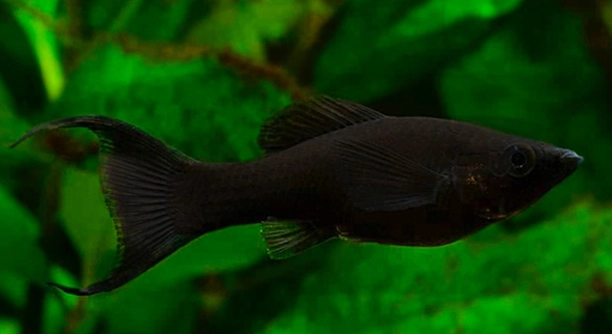
Black Mollies are lively, social fish that thrive in carefully balanced aquarium environments. Too strong a filter flow can stress them, affecting their swimming and overall health. Observing subtle changes in behavior can help maintain their well-being.
Excessive filter flow can cause physical strain and behavioral changes in Black Mollies. Fish may struggle against currents, hide frequently, display fin damage, or show reduced feeding. Monitoring tank flow ensures their environment remains safe and suitable for healthy development.
Recognizing these warning signs early allows you to adjust your tank setup and protect your Black Mollies from unnecessary stress.
Restlessness and Constant Struggling
Black Mollies will often swim against the current when the filter flow is too strong. You might notice them constantly darting from one side of the tank to the other or sticking close to decorations to escape the current. Their movements can appear frantic and uncoordinated, as if they are fighting against the water itself. Over time, this can lead to fatigue, which affects their feeding habits and overall energy levels. Young mollies and weaker individuals are especially prone to stress in these conditions. It is important to observe their behavior closely, noting any repeated patterns of struggling or unusual swimming paths. Adjusting the filter or using flow-reducing techniques can make the tank environment calmer. Even subtle changes, like positioning plants or rocks strategically, can help mollies find calmer areas to rest. Maintaining gentle water flow is essential for their long-term health and comfort.
Excessive swimming against strong currents increases stress and can weaken a Black Molly’s immune system, making them more prone to illness.
Creating calmer zones with plants or decorations allows Black Mollies to rest and recover energy while still enjoying their environment. This helps reduce stress and improves their feeding and social behavior.
Torn or Frayed Fins
Frayed fins are a common sign that the water current is too strong. Black Mollies with torn fins may have difficulty swimming properly and can become more susceptible to infections. Rapid, continuous movement against high water flow can cause fin edges to tear over time. Even healthy mollies can develop fin damage if they are forced to fight currents constantly. Observing fin condition regularly is key, especially for young or delicate fish. Correcting flow issues and providing calm areas in the tank can prevent further damage.
Adjusting the filter output and placing decorations can protect fins from excessive wear.
By creating sections of slower water flow, mollies can swim comfortably without overexertion. Plants, rocks, and other decorations act as buffers, breaking strong currents and giving fish safe resting areas. These adjustments reduce the likelihood of torn fins and support their natural swimming patterns. Over time, calmer water also promotes better feeding behavior and social interactions. A well-structured tank with areas of gentle flow ensures that mollies stay healthy and active, while minimizing physical stress caused by strong currents. Observing their behavior daily helps identify problems early, allowing quick corrections.
Hiding More Than Usual
Black Mollies may spend more time hiding when the filter flow is too strong. They retreat behind plants, rocks, or decorations to escape the current. Excessive hiding can indicate stress and discomfort, reducing their visibility and interaction in the tank.
Frequent hiding affects feeding and social behavior. Fish that remain in secluded spots often miss meals, which can lead to slow growth and weakened health. Social interactions also decrease, making them less active with other mollies. Adjusting the filter flow and creating calmer zones with dense plants or gentle décor helps mollies feel safer. Over time, they will regain confidence, swim more freely, and resume normal feeding patterns, improving overall well-being.
Calmer areas give mollies a chance to rest without constantly fighting currents. Observing which areas they prefer can guide you in rearranging the tank for better flow distribution. Regularly checking behavior ensures their environment remains suitable.
Erratic Swimming Patterns
Erratic swimming often results from strong water currents. Mollies may dart abruptly, change directions quickly, or struggle to maintain a steady course. This behavior is stressful and can harm their fins or body if sustained over time. Recognizing unusual swimming patterns early helps prevent long-term damage and keeps fish healthy.
Strong currents force fish to expend excessive energy, leaving them fatigued. Constantly fighting the flow can weaken muscles and lower immunity, increasing susceptibility to infections. Providing zones of slower water allows them to recover naturally while still swimming comfortably. Even minor changes, like angling the filter output or adding plants, reduce energy expenditure and improve overall tank dynamics. Monitoring swimming behavior helps identify problem areas, ensuring mollies remain active but not stressed. Proper flow management balances movement, feeding, and rest for a healthier, happier fish population.
Loss of Appetite
Strong water flow can make Black Mollies anxious, causing them to eat less or ignore food entirely. Reduced feeding affects growth, energy, and overall health, making it important to maintain a gentler current in the tank.
Even short periods of stress from high currents can disrupt feeding habits. Mollies may retreat to calmer areas, avoiding food and other activities. Ensuring sections of slower water encourages regular eating and helps maintain proper nutrition and vitality.
Clamped Fins
Clamped fins are a clear sign of stress in Black Mollies. When the filter flow is too strong, fish often keep their fins pressed close to their bodies. This defensive posture reduces swimming efficiency and can indicate discomfort or fear caused by excessive water movement.
Sudden Lethargy
Excessive filter flow can exhaust Black Mollies, leading to sudden lethargy. Fatigued fish may rest at the bottom or hover near the surface, conserving energy instead of swimming actively. Constant resistance to strong currents drains their stamina, affecting daily activities and feeding patterns.
How do I know if my Black Molly’s tank flow is too strong?
Strong tank flow often shows through changes in behavior. Black Mollies may struggle to swim, hide frequently, or cling to decorations to escape currents. Torn fins, clamped fins, or erratic swimming are also indicators. Observing them closely during feeding or playtime helps identify stressful conditions.
What adjustments can I make to reduce water flow?
You can reduce flow by adjusting the filter output or adding a sponge pre-filter. Rearranging plants, rocks, or driftwood also breaks the current into calmer zones. Creating areas of gentle flow allows Black Mollies to rest and swim comfortably without exhausting themselves.
Is it safe to lower the filter too much?
Lowering the filter is safe as long as water quality remains stable. Black Mollies need clean, oxygenated water, but they do not require strong currents. Ensure the filter still circulates water and maintains filtration, even at reduced speed, to prevent waste buildup.
How can I create calmer zones in the tank?
Plants, rocks, and decorations are effective at breaking strong currents. Position taller plants near the filter’s output to diffuse water movement. Floating plants also soften surface currents. These areas give Black Mollies places to rest and reduce stress, helping them regain normal behavior.
Can strong flow cause long-term health issues?
Yes, prolonged exposure to strong currents can weaken fins, cause fatigue, and reduce feeding. Over time, this stress lowers immunity, making fish more prone to infections. Regularly monitoring swimming patterns and adjusting flow prevents long-term damage and maintains overall health.
Do all Black Mollies react the same way to strong currents?
Individual tolerance varies. Younger or weaker fish are more affected, while larger, more experienced mollies may manage stronger flows better. Observing each fish’s response allows for customized adjustments, ensuring the tank suits all inhabitants.
How do I monitor recovery after adjusting the flow?
After reducing currents, watch for calmer swimming, increased feeding, and more frequent social interactions. Fins should return to normal, and hiding should decrease. Gradual improvements indicate the tank environment is more comfortable, and mollies are recovering from stress.
Are there tools to measure flow strength?
Yes, flow meters or simple visual tests can help. Watching lightweight objects, like leaves or small decorations, drift in the current gives a practical sense of flow intensity. Adjusting until objects move gently mimics natural conditions for mollies.
What signs indicate that adjustments are working?
Mollies swimming freely, exploring the tank, and eating regularly are clear signs. Reduced hiding, relaxed fins, and less frantic movement all indicate improved comfort. Consistent observation ensures changes are effective and the environment remains suitable.
Can tank mates influence stress from strong flow?
Yes, aggressive or highly active tank mates can push Black Mollies into currents more often. Ensuring compatible companions and adequate hiding spaces reduces compounded stress, keeping the environment safer and more balanced.
How often should I check filter output and fish behavior?
Daily observation is ideal, especially after adjusting flow. Watch feeding, swimming, and resting patterns closely. Regular checks catch problems early, allowing quick fixes before stress causes lasting harm.
Are there temporary fixes if the filter is too strong?
Temporary solutions include partially covering the filter output, adding floating plants, or rearranging decorations to block current. These provide immediate relief while planning more permanent adjustments to ensure mollies’ comfort and safety.
Do strong currents affect breeding?
Yes, Black Mollies may avoid breeding in strong currents. Excessive flow stresses fish, reduces mating behaviors, and can disturb fry. Creating calm areas is essential for successful breeding and raising healthy young fish.
How do I prevent future stress from strong flow?
Set the filter to an appropriate level from the start, and plan tank layout with flow reduction in mind. Regular monitoring, calm zones, and understanding mollies’ preferences help maintain a balanced, stress-free environment.
Black Mollies are resilient fish, but they are sensitive to their environment, especially the water flow in their tank. Too strong a current can cause a range of problems, from constant struggling and hiding to torn fins and clamped posture. These signs are not always dramatic, and sometimes they appear gradually, making it easy to overlook them. Paying close attention to behavior is essential. Watching how they swim, feed, and interact with other fish can reveal whether the water flow is too strong. Simple observations, like noting frequent hiding spots or unusual swimming patterns, are often the first indicators that adjustments are needed. By being attentive, you can catch these signs early and prevent unnecessary stress or injury.
Adjusting the tank environment is both practical and straightforward. Reducing filter output, adding a sponge pre-filter, or rearranging plants and decorations can create calmer zones where Black Mollies feel safe. Floating plants, driftwood, and strategically placed rocks help diffuse strong currents, giving fish areas to rest and recover energy. These changes do not have to be drastic to make a noticeable difference. Even small improvements in flow can reduce stress, restore natural swimming behavior, and encourage regular feeding. Ensuring that the tank has sections of gentle water movement also benefits overall tank health. Waste particles circulate and water remains oxygenated, while the fish can still enjoy swimming without struggling. Observing their response to these changes ensures that the modifications are effective and that the tank remains a comfortable space.
Consistent care and monitoring are key to maintaining healthy Black Mollies in any tank. Behavior, fin condition, feeding habits, and social interactions all provide clues about their well-being. Strong currents are just one factor to consider, but they can have a lasting impact if not addressed. By creating a balanced environment with gentle water flow and safe resting areas, you support both the physical and mental health of your fish. Over time, mollies adapt to calmer conditions, swim more naturally, and display normal feeding and social behaviors. Taking these steps ensures that your Black Mollies thrive, remain active, and enjoy a stable and comfortable home. Careful attention to tank dynamics and water flow management ultimately allows them to live healthier and more stress-free lives.

Hello,
If you enjoy the content that we create, please consider saying a "Thank You!" by leaving a tip.
Every little bit helps us continue crafting quality advice that supports the health, happiness, and well-being of pets around the world, for pets of all shapes, sizes, and species.
We really appreciate the kindness and support that you show us!