
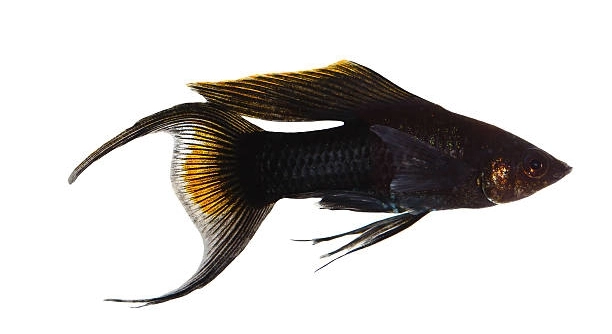
Black Molly fry are tiny and delicate, often disappearing overnight before you even realize it. Many fish owners notice sudden absences in their tanks, leaving them puzzled and concerned about the well-being of their fry.
The primary reasons Black Molly fry vanish overnight include predation by adult fish, insufficient hiding spaces, poor water conditions, inadequate feeding, temperature fluctuations, overcrowding, and stress. These factors create an environment where fry survival is severely compromised.
Understanding these causes can help you improve tank conditions and protect your fry more effectively. Careful observation and adjustments can make a significant difference in their survival.
Predation by Adult Fish
Adult Black Mollies and other tank mates often eat fry without warning. Even if your adult fish seem calm, their natural instincts can make tiny fry an easy target. Many aquarists underestimate how quickly adult fish can reduce a fry population. Providing separate breeding tanks or dense hiding areas can prevent this problem. Plants, moss, and small decorations give fry a safe place to grow, reducing losses overnight. Monitoring feeding schedules for adult fish is also important, as well-fed adults are less likely to hunt fry aggressively. Over time, creating these protected areas can significantly increase survival rates, giving more fry the chance to mature and thrive in your tank. Observation is key, because even subtle signs of predation can signal the need for immediate changes to the tank setup and population balance.
Separating fry from adults is one of the simplest ways to protect them and improve their chances of survival.
Using dense plants and hiding spots allows fry to grow without constant risk. Even minimal shelter can make a noticeable difference in survival rates.
Poor Water Conditions
Fry are extremely sensitive to water quality and parameters that adults tolerate easily. Sudden changes in pH, ammonia spikes, or nitrite levels can quickly stress or kill fry. Black Molly fry thrive in stable, clean water with regular monitoring. Uneven temperature, excess waste, and lack of aeration contribute to unsafe conditions, and tanks with overcrowding worsen these issues. Frequent water testing and small, regular water changes help maintain an environment suitable for fry growth.
Proper filtration and avoiding overfeeding adults keep the water cleaner for fry.
Stress from poor water quality weakens fry, making them more susceptible to disease and death. Many beginners overlook the importance of stable temperature and pH, but these factors are crucial. Overcrowded tanks increase waste and reduce oxygen levels, compounding problems. Maintaining optimal water parameters ensures fry can develop without unnecessary risk. Regular observation of water clarity, temperature, and chemical levels provides a better understanding of how the environment affects fry. Adjusting feeding routines, limiting adult fish density, and using gentle filtration can prevent sudden losses. Even minor improvements in water quality dramatically increase survival rates and reduce overnight disappearances, giving fry a safer, healthier start in life.
Inadequate Hiding Spaces
Fry need plenty of places to hide. Open areas make them easy targets for adults and other tank inhabitants. Dense plants, moss, and small decorations create essential cover.
Providing sufficient hiding spots directly improves fry survival. Without cover, fry are exposed to constant danger, reducing their chances to reach maturity. Creating these safe zones allows them to grow without constant stress, and it can significantly reduce overnight losses. Even simple additions like floating plants or small caves make a noticeable difference. When hiding spaces are scarce, fry may cluster in corners or near filtration intakes, increasing risk. Observing how fry interact with their environment can reveal gaps in coverage and help you make timely adjustments. Regularly rotating or rearranging plants and decorations keeps fry engaged and protected, while also maintaining clean, stable water conditions. This approach ensures that fry can feed, swim, and develop safely.
Careful placement of plants and small decorations provides essential shelter and greatly reduces fry mortality.
Well-structured hiding areas give fry confidence to explore and feed, fostering healthier growth and survival.
Temperature Fluctuations
Fry are sensitive to even small temperature changes. Sudden drops or spikes can stress them, weaken their immune system, and sometimes cause death. Stable temperatures between 76-80°F suit Black Molly fry best.
Maintaining a consistent temperature prevents shock and improves overall survival. Rapid fluctuations increase vulnerability to disease and reduce energy needed for growth. Using a reliable heater and thermometer ensures minimal variation. Avoid placing tanks near windows or vents, which can cause sudden changes. Even minor swings during nighttime can affect fry health, slowing development and reducing activity. A stable environment promotes consistent feeding behavior and reduces stress, which is critical for early stages of life. Monitoring daily helps detect issues before they become severe. Gradual adjustments during water changes are safer than abrupt shifts.
Consistent tank temperature supports healthy fry development and reduces sudden losses caused by environmental stress.
Keeping the tank warm and stable ensures fry can feed and grow without unnecessary strain on their fragile systems.
Overcrowding
Too many fish in a tank increases stress and competition for resources. Fry have less space to hide and grow, making them more vulnerable to predation and poor water conditions.
Reducing tank population allows fry to swim freely and access food without constant pressure from adults.
Inadequate Feeding
Fry require frequent, small feedings of finely crushed flakes or specialized fry food. Without proper nutrition, they weaken quickly.
Consistent feeding ensures fry have energy to grow and avoid malnutrition.
Stress
Sudden changes in environment or aggressive tank mates can stress fry, slowing growth and reducing survival chances. Maintaining calm conditions and minimal disturbance helps fry develop safely.
Disease
Fry are highly susceptible to infections. Poor water quality, stress, and overcrowding increase the risk of bacterial or fungal outbreaks that can wipe out fry populations rapidly.
FAQ
Why do Black Molly fry disappear overnight?
Black Molly fry are tiny and fragile. Predation by adult fish, insufficient hiding spaces, poor water conditions, temperature fluctuations, overcrowding, and inadequate feeding all contribute to sudden losses. Even minor stress or environmental changes can reduce survival, making fry vanish seemingly overnight.
How can I prevent adult fish from eating fry?
Separating fry into a breeding or nursery tank is the most reliable method. Dense plants, moss, or small decorations in the main tank provide hiding spots, but complete separation ensures adults cannot hunt fry. Regular observation of adults’ behavior also helps identify potential threats.
What type of hiding spaces work best for fry?
Floating plants, Java moss, and small decorations like caves or tubes give fry secure areas. Even simple structures, when placed strategically, allow fry to swim, feed, and grow without being constantly exposed to predators. Rearranging or rotating plants occasionally keeps fry engaged and protected.
How often should I feed fry?
Fry require frequent feedings throughout the day with finely crushed flakes, baby brine shrimp, or specialized fry food. Small, consistent meals give them energy to grow and reduce the risk of starvation, especially in crowded tanks. Overfeeding should be avoided to maintain water quality.
What water parameters are ideal for Black Molly fry?
Stable conditions are essential. A temperature range of 76-80°F, pH between 7.0-8.0, and low ammonia and nitrite levels support healthy fry. Regular testing and small water changes help maintain stability. Avoid sudden changes during water changes or filtration adjustments.
How do I reduce stress for fry?
Minimizing disturbances, maintaining a calm environment, and avoiding overcrowding are key. Gentle filtration and avoiding sudden lighting or temperature changes reduce stress. Fry under less stress grow faster, feed better, and are less prone to disease.
What should I do if fry start showing signs of disease?
Remove affected fry to a separate treatment tank if possible. Check water quality, reduce stressors, and treat with appropriate medications for bacterial or fungal infections. Maintaining cleanliness and proper feeding routines helps prevent outbreaks.
Is it necessary to use a breeding tank for Black Molly fry?
While not always required, using a breeding tank drastically improves survival. It allows better control over feeding, water conditions, and protection from adult fish. Even temporary separation during the first few weeks can prevent significant losses.
Can overcrowding cause fry to vanish?
Yes, overcrowded tanks increase competition for food, reduce hiding spots, and worsen water quality. Lowering population density gives fry room to grow, access to food, and safer conditions for survival.
How long does it take for fry to become less vulnerable?
Fry grow quickly in the first few weeks. After about 4-6 weeks, they become more resilient to adult fish and environmental fluctuations, though adequate care should continue to ensure survival to maturity.
What’s the best way to monitor fry health?
Observe activity, feeding behavior, and physical appearance daily. Healthy fry swim actively, feed eagerly, and show no signs of discoloration or lethargy. Regular water testing and monitoring tank conditions complement visual checks, helping detect problems early.
Are live plants necessary for fry survival?
Live plants are highly beneficial. They provide hiding spots, improve water quality, and offer a natural environment for fry to explore. While not absolutely necessary, they increase survival rates and reduce stress significantly.
Can adult Black Mollies be conditioned not to eat fry?
Conditioning adults is difficult and unreliable. Even well-fed adults may eat fry due to instinct. Separation or providing dense cover remains the most effective approach for protecting fry.
How can I improve fry survival rates overall?
Combine stable water conditions, regular feeding, sufficient hiding spaces, minimal stress, and separation from adults. Monitoring daily and making small adjustments as needed ensures the best chance for fry to grow into healthy adults.
Are there signs that indicate fry are in danger?
Sudden disappearances, lethargy, erratic swimming, or small injuries suggest fry are under threat from predation, poor water quality, or disease. Immediate action, such as improving hiding spots or checking tank conditions, can prevent further loss.
What equipment helps maintain a safe environment for fry?
Reliable heaters, gentle filters, water testing kits, and breeding or nursery tanks are crucial. Floating plants, moss, and small decorations provide hiding areas. Using these tools consistently helps create a stable, secure habitat for fry growth.
Can fry survive in the same tank as adults long-term?
It’s risky. Even with hiding spaces, adults may still hunt fry. Long-term survival is much higher in a separate breeding tank or nursery until fry grow strong enough to avoid predation.
How do I balance feeding adults and fry in the same tank?
Feed adults first in designated areas, then provide fry with finely crushed food in places adults can’t reach. This reduces competition and ensures fry receive adequate nutrition.
Is water temperature more important than pH for fry survival?
Both are important, but sudden temperature fluctuations are more immediately dangerous. Stable temperature prevents stress, while pH stability ensures long-term health. Together, they create an environment suitable for fry to grow safely.
How long should fry stay in a breeding tank before joining the main tank?
Typically, 4-6 weeks until fry are large enough to avoid predation. Gradual acclimation to the main tank conditions helps reduce stress and improve survival during transfer.
Black Molly fry are delicate and require careful attention to thrive. Many factors can cause them to disappear overnight, and understanding these elements is essential for anyone raising them. Predation by adult fish, inadequate hiding spaces, poor water conditions, temperature fluctuations, overcrowding, and insufficient feeding all play a role in fry mortality. Even small lapses in care can lead to significant losses, making it important to observe the tank closely and maintain consistent routines. Providing a safe and stable environment allows fry to develop properly and reduces the risk of sudden disappearances. By paying attention to tank setup, water quality, and feeding practices, it is possible to improve survival rates and ensure that more fry reach maturity.
Maintaining proper water conditions is particularly important. Fry are highly sensitive to changes in temperature, pH, and water chemistry. Sudden spikes in ammonia or nitrite can be fatal, while fluctuations in temperature can stress fry and make them more vulnerable to disease. Regular water testing, partial water changes, and the use of a reliable heater and thermometer help create a stable environment. Dense plants, moss, and small decorations provide hiding spaces that reduce predation and stress. Feeding fry small, frequent meals of finely crushed food gives them the energy they need to grow and remain healthy. Reducing overcrowding and separating fry from adult fish also play a key role in minimizing stress and protecting them from accidental predation. Consistency in these practices significantly increases the likelihood of fry surviving the first critical weeks of life.
Attention to detail and patience are crucial when raising Black Molly fry. Even small adjustments in tank setup, feeding routines, or water management can make a noticeable difference. Observing fry behavior daily provides insight into their needs and highlights potential problems before they become severe. Creating a balanced environment where fry have access to food, shelter, and clean water supports their growth and resilience. While losses may still occur, following these guidelines increases the chances of raising healthy, strong fish. Over time, understanding the specific requirements of Black Molly fry allows aquarists to create conditions that foster growth, reduce stress, and improve survival rates, making the experience of keeping and raising these fish more successful and rewarding.

Hello,
If you enjoy the content that we create, please consider saying a "Thank You!" by leaving a tip.
Every little bit helps us continue crafting quality advice that supports the health, happiness, and well-being of pets around the world, for pets of all shapes, sizes, and species.
We really appreciate the kindness and support that you show us!