
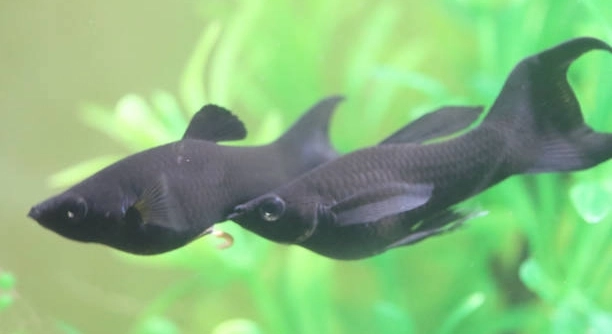
Do your black mollies often swim near the water surface, barely moving or seeming uneasy? Many aquarists notice this behavior and feel concerned about the well-being of their small, shiny fish. Observing them can feel worrying.
Black mollies commonly hang at the top due to low oxygen levels, poor water quality, or sudden changes in temperature. These factors create stress, prompting the fish to seek the surface where oxygen concentration is higher, ensuring survival.
Understanding the reasons behind this behavior helps you maintain a healthier tank environment and keeps your mollies more comfortable and active.
Low Oxygen Levels in the Tank
Low oxygen is one of the main reasons black mollies linger at the top. Fish naturally swim to areas where they can get enough oxygen, and the surface usually has more. Poor aeration, overcrowding, or stagnant water can make oxygen levels drop quickly. Even if the water looks clean, oxygen might still be insufficient, especially in tanks without filters or air pumps. Mollies are active fish, and they need well-oxygenated water to stay healthy. Adding an air stone or increasing surface agitation can help distribute oxygen evenly. Sometimes small changes, like reducing the number of fish or improving water circulation, make a noticeable difference in their activity. I noticed in my own tank that mollies immediately became more active after adjusting these conditions. Temperature also affects oxygen, as warmer water holds less. Monitoring oxygen and making adjustments can prevent stress and keep your fish swimming freely throughout the tank, rather than clinging to the top.
Keeping oxygen levels stable improves your mollies’ health and reduces stress, making them more lively and comfortable.
Regularly checking aeration and observing your fish helps you notice early signs of oxygen issues. Small adjustments often prevent bigger problems.
Water Quality and Its Impact
Dirty water can be harmful to black mollies. Uneaten food, fish waste, and decaying plants release toxins that irritate their gills, making it harder to breathe. Poor water quality can cause stress, disease, and unusual behavior, like hanging at the surface. Keeping the tank clean is essential to prevent these issues.
Frequent water changes and testing parameters like ammonia, nitrite, and nitrate levels are key. Mollies thrive in slightly hard, alkaline water. Using a filter, performing partial water changes, and avoiding overfeeding all help maintain a stable environment. In my experience, even small tanks need consistent care. I used to ignore minor cloudiness, but once I started weekly maintenance and tested water parameters, the fish stopped hovering at the top. Proper water quality encourages natural swimming patterns and reduces stress-related behaviors. It’s also important to rinse decorations and plants to prevent debris buildup, which can lower water quality. By keeping conditions optimal, you not only improve oxygen intake but also create a healthier tank overall, letting your mollies be active, curious, and stress-free throughout the day.
Temperature Fluctuations
Sudden changes in water temperature can stress black mollies. Even small drops or spikes make them swim near the surface to find more comfortable conditions. Consistent, stable temperatures keep them calm and active.
I noticed my mollies became sluggish and hovered near the top when the heater malfunctioned. Mollies prefer water around 75–80°F. When temperatures fall below or rise above this range, their metabolism is affected, making them more likely to gasp at the surface. Sudden drafts or direct sunlight can also shift water temperature quickly, causing stress. Using a reliable heater and thermometer ensures the water remains stable. Observing their swimming patterns helps identify temperature issues before serious problems arise. Maintaining steady warmth encourages natural behavior, letting mollies explore all levels of the tank.
Even slight fluctuations can reduce oxygen availability in water, adding to their stress. Consistent monitoring is key.
Overcrowding and Stress
Too many fish in one tank creates tension and lowers oxygen. Mollies often stay at the top when stressed by overcrowding.
Overcrowding increases competition for food, space, and clean water. Black mollies may hide, swim erratically, or cling to the surface to avoid others. Smaller tanks are more sensitive, and adding even a few extra fish can trigger these behaviors. In my tank, reducing the number of fish noticeably calmed the mollies. They began exploring the middle and bottom levels instead of staying near the top. Providing adequate hiding spots and plants also reduces stress. Balanced stocking keeps fish healthy, prevents aggressive interactions, and maintains better water quality, allowing mollies to swim freely and behave naturally. Regular observation helps spot tension early, so adjustments can be made promptly.
Poor Diet
A diet lacking essential nutrients can weaken black mollies, making them hover at the surface. Balanced feeding helps them stay active and healthy.
Providing high-quality flakes, occasional live or frozen foods, and vegetables supports their immune system and energy levels. I noticed my mollies were more active after improving their diet.
Disease and Parasites
Illness or parasites can cause black mollies to struggle with breathing and swimming. Gasping at the top is a common sign. Observing for spots, clamped fins, or unusual behavior helps detect problems early. Prompt treatment prevents further health decline.
Tank Size
Small tanks limit space and oxygen, stressing mollies. Upgrading to a larger tank gives them room to swim comfortably.
Why are my black mollies hanging at the top of the tank?
Black mollies often stay near the surface due to low oxygen, poor water quality, stress, or illness. I noticed mine would do this when the water wasn’t circulating properly or after adding too many fish at once. Surface swimming is usually a sign they are trying to breathe easier.
Can water changes help my mollies swim normally again?
Yes. Regular water changes improve oxygen levels and reduce harmful toxins. I started doing weekly partial water changes, and the mollies quickly became more active. Make sure to match the new water’s temperature and pH to avoid shocking them. Even small, consistent changes make a big difference.
How can I tell if oxygen is the problem?
If your mollies are gasping at the surface while others behave normally, low oxygen is likely. You might also notice sluggish swimming or clustering around areas where water moves more. Adding an air stone or adjusting the filter can help balance oxygen throughout the tank.
Do black mollies need a specific water temperature?
Yes. They thrive between 75–80°F. I once experienced them hovering at the top because the heater failed, and the temperature dropped below their comfort zone. Using a reliable heater and thermometer keeps water stable and prevents stress-related surface swimming.
Can diet affect their behavior?
Absolutely. Poor nutrition can make mollies weak and more likely to float near the surface. A balanced diet with high-quality flakes, occasional live or frozen foods, and vegetables keeps them energetic. I noticed my fish started exploring the entire tank after improving their diet.
How does tank size influence this behavior?
Smaller tanks limit oxygen and swimming space, causing stress. Overcrowding also makes mollies hang at the top to avoid competition. I found upgrading to a larger tank and reducing the number of fish allowed them to swim comfortably at all levels.
Are diseases responsible for surface swimming?
Sometimes. Parasites or infections can make it hard for mollies to breathe, causing them to gasp at the surface. Watch for clamped fins, spots, or unusual movements. Early detection and treatment prevent serious health issues. In my experience, treating waterborne infections quickly restored normal behavior.
Can plants and decorations help?
Yes. Live plants increase oxygen and give hiding spaces, reducing stress. Mollies in a planted tank often spend less time at the surface. I added some tall plants and driftwood, and my fish started swimming more naturally throughout the tank.
What is the best way to prevent this behavior long-term?
Maintaining clean, well-oxygenated water, stable temperatures, proper diet, and adequate tank space prevents stress and illness. I keep a consistent schedule for feeding, water changes, and monitoring parameters, which keeps my mollies active and comfortable. Regular observation helps catch small problems before they escalate.
Are there signs that the problem is urgent?
Yes. Rapid gasping, lethargy, or floating in one spot for long periods may indicate low oxygen or serious illness. I once had a fish show these signs, and immediate water adjustments and treatment were necessary. Prompt action ensures survival and overall tank health.
Do black mollies need companions?
They are social but can tolerate small groups. Overcrowding or incompatible species can increase stress and surface swimming. I keep a moderate number of mollies together, which allows natural schooling without crowding, reducing stress-related behaviors.
Can lighting affect their swimming habits?
Indirectly. Too much direct light can increase temperature or stress, encouraging surface swimming. I adjusted my tank lighting and noticed mollies became calmer and explored the lower levels more. Balanced lighting and shaded areas help regulate their comfort and activity.
Is it normal for new mollies to hang at the top?
Yes. New fish often explore slowly and stay near the surface until they adjust to water conditions and tankmates. I observed this with new arrivals, and after a few days of stable water, they began swimming freely. Patience during acclimation is key.
How often should I test water quality?
Weekly testing for ammonia, nitrites, nitrates, and pH is ideal. Poor water quality often leads to surface swimming. I maintain a routine of checking and adjusting as needed, which prevents stress and keeps my mollies active throughout the tank.
Are air stones or filters necessary for small tanks?
Yes. Even small tanks benefit from proper circulation and oxygenation. I added a small air stone, and my mollies immediately spent less time at the surface. Filters and aeration prevent stagnant water and improve overall fish health.
What other behaviors indicate stress?
Clamped fins, erratic swimming, hiding, or refusing food are common signs. I noticed my mollies showing these behaviors when overcrowded or when water parameters were off. Addressing the cause promptly keeps them healthy and prevents long-term surface swimming habits.
Can temperature swings from sunlight cause problems?
Yes. Direct sunlight can heat water too quickly, reducing oxygen and stressing mollies. I moved my tank away from windows and installed a thermometer to monitor changes, which stabilized their swimming patterns. Preventing sudden temperature shifts is crucial for calm, healthy fish.
How long does it take for mollies to return to normal behavior?
It varies depending on the cause. Oxygen or water quality issues can show results in hours to days, while illness or stress may take longer. I found that once conditions were corrected, most of my mollies returned to normal within a couple of days.
Are there signs of permanent damage?
Prolonged exposure to poor conditions can weaken mollies or make them more prone to disease. I noticed minor fin damage from stress, which healed after improving tank care. Consistent maintenance prevents long-term harm and keeps fish active and healthy.
Can surface swimming be seasonal?
Sometimes temperature or daylight changes influence behavior, but consistent care usually prevents seasonal issues. I observed minor fluctuations during summer, which improved after adjusting aeration and shade. Regular monitoring helps mollies stay comfortable year-round.
Is preventive care worth it?
Absolutely. Proper feeding, water management, and tank monitoring reduce stress and prevent surface swimming. My routine keeps mollies lively and reduces sudden behavioral problems, creating a stable, healthy environment for the entire tank.
This FAQ section covers the most common reasons black mollies hang at the top, practical solutions, and ways to prevent future issues, helping ensure active and healthy fish.
Black mollies hanging at the top of the tank is a behavior that can feel concerning at first, but it is usually a sign that something in their environment needs attention. These fish are sensitive to changes in water quality, oxygen levels, temperature, and space. When any of these factors are off, mollies instinctively swim to the surface where conditions are slightly better. Observing this behavior early is helpful because it gives you time to correct issues before they become serious. Simple adjustments, like improving aeration, stabilizing temperature, or performing regular water changes, often make a noticeable difference. Mollies are active fish, and once their environment supports their needs, they return to exploring all areas of the tank rather than staying near the surface.
Maintaining a balanced diet is also important for their overall health. Black mollies require a mix of high-quality flakes, occasional live or frozen foods, and some plant-based foods. A proper diet strengthens their immune system and keeps them energetic. In my experience, mollies that were previously hovering at the top due to weakness or stress became more active and lively once their nutrition improved. Food alone won’t fix all problems, but combined with clean water and stable conditions, it supports recovery and encourages natural swimming behavior. Monitoring their feeding habits can also help you notice early signs of illness, which often show up as refusal to eat or lethargy.
Stress from overcrowding, incompatible tankmates, or sudden changes in temperature or lighting can also cause black mollies to cling to the surface. Providing enough space, hiding spots, and stable environmental conditions reduces stress and helps fish feel safe. Even small adjustments, like adding a few plants or moving the tank away from direct sunlight, can improve their comfort. Regular observation and maintenance are key. Watching your fish closely allows you to identify minor problems before they escalate. With consistent care, your black mollies will swim freely, remain healthy, and display natural behavior throughout the tank. Proper attention to water quality, diet, and environment ensures a stable, stress-free home for your mollies, making surface-hanging behavior much less common.

Hello,
If you enjoy the content that we create, please consider saying a "Thank You!" by leaving a tip.
Every little bit helps us continue crafting quality advice that supports the health, happiness, and well-being of pets around the world, for pets of all shapes, sizes, and species.
We really appreciate the kindness and support that you show us!