
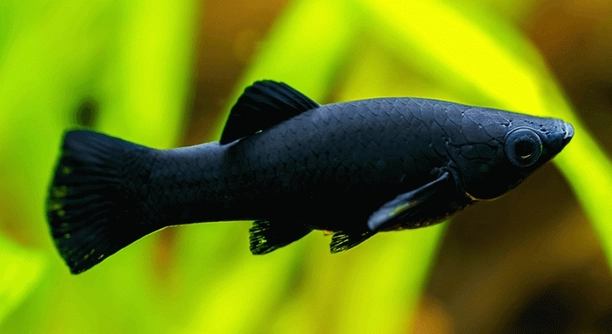
Black Mollies are small, lively fish that brighten up any aquarium with their shiny black scales. They thrive in environments that suit their natural preferences, especially when it comes to lighting conditions. Proper lighting helps them stay active and healthy.
Black Mollies prefer moderate lighting that mimics natural daylight, avoiding extremes of too bright or too dim. Balanced light supports their growth, encourages natural behavior, and enhances their coloration, contributing to overall well-being and a stress-free environment.
Knowing the right lighting will make caring for Black Mollies easier and more enjoyable. The following tips will help you create an ideal environment for them.
Bright, Natural Light
Providing your Black Mollies with bright, natural light can improve their activity levels and overall health. They thrive in well-lit aquariums that replicate daylight without being harsh. Too much direct sunlight can cause algae growth and temperature spikes, but a steady, moderate light source keeps them comfortable. Observe how your mollies react to sunlight exposure, adjusting the angle and duration if they seem stressed or hide frequently. Bright lighting also enhances their black coloration, making them stand out beautifully against plants or decorations. Maintaining a consistent light schedule, typically around 10-12 hours a day, helps regulate their internal rhythms. Combine lighting with proper filtration and regular water changes to maintain clarity and prevent cloudiness. Plants in the aquarium also benefit from natural light, contributing to oxygenation and a more balanced environment. A well-lit tank encourages swimming, feeding, and interaction, keeping your mollies lively and healthy while reducing stress.
Consistent natural light supports your mollies’ coloration and behavior, improving their daily activity levels and overall health.
Setting up bright light requires attention to placement and timing, ensuring no sudden shifts disrupt the fish. Combining light with healthy plants and clear water further creates a balanced aquarium where your mollies feel safe and active.
Low, Subdued Lighting
Low lighting can create calm areas where Black Mollies retreat for rest or privacy.
Subdued lighting helps reduce stress, especially for shy or newly introduced mollies. A few shaded corners or floating plants can provide a natural shelter effect, letting them feel secure without eliminating overall visibility. Overly dark tanks, however, may cause lethargy and reduce their natural color intensity, so balance is key. Adjust dim lighting gradually to give your fish time to adapt, observing their activity to ensure comfort. This approach can also help manage aggression in mixed-species tanks by giving timid fish a safe zone. Low lighting works best when combined with moderate areas, allowing mollies to choose their preferred light intensity. Over time, this flexibility supports their well-being, encouraging natural behaviors like exploring, grazing on algae, and interacting with tank mates.
Providing shaded spots and gentle lighting promotes a sense of safety and comfort, keeping mollies relaxed and healthy.
Careful placement of dim areas can prevent stress and improve tank harmony. Using plants or decorations for shade allows mollies to regulate exposure naturally, supporting their overall health and behavior patterns.
Moderate Artificial Lighting
Moderate artificial lighting works well when natural light is insufficient. It provides a consistent light source, helping Black Mollies maintain normal activity and coloration without causing stress or overexposure.
Artificial lights with adjustable intensity allow control over brightness levels, ensuring the tank does not become too harsh. Using LED or fluorescent lights designed for freshwater aquariums provides uniform coverage and energy efficiency. Setting timers for 10-12 hours of light daily simulates natural day-night cycles, which is essential for regulating feeding and activity patterns. Pairing artificial lighting with live plants can enhance both fish and plant health, improving oxygen levels and water quality. Monitoring mollies’ behavior under artificial light helps identify the ideal settings, as excessive brightness may cause hiding or lethargy, while too dim lighting may reduce coloration. Consistency in lighting prevents sudden stress, keeping mollies active, healthy, and displaying their natural behaviors.
Proper artificial lighting ensures stable growth, vibrant coloration, and a stress-free environment for your Black Mollies.
Adjustable lighting with timers allows control over intensity and duration, providing a reliable solution when natural sunlight is limited. Observing fish behavior ensures the environment stays comfortable.
Areas of Shade
Providing shaded areas in the tank gives Black Mollies spots to retreat and feel secure. Plants, rocks, or decorations create natural shelters that reduce stress and promote natural behavior.
Shaded regions allow mollies to regulate exposure to light, giving them control over their environment. When the tank is brightly lit, these areas act as resting zones, especially for timid or juvenile mollies. Shaded spots also help prevent aggression in community tanks by offering retreats and minimizing conflicts. Using floating plants or strategically placed ornaments can create soft, diffused lighting that benefits both fish and live plants. Over time, mollies use these shaded areas regularly, balancing activity and rest naturally. Observing their choices can guide further adjustments to ensure the tank provides enough contrast between light and shade. Properly designed shelters improve their overall comfort and well-being while keeping the tank visually appealing.
Shaded areas reduce stress, encourage natural behavior, and create a safer, more comfortable environment for all Black Mollies.
Strategic placement of plants and decorations maximizes shelter options. Mollies use these zones to manage light exposure, balance activity, and feel secure within their aquarium habitat.
Early Morning Light
Early morning light is gentle and provides a natural start to the day for Black Mollies. It encourages activity without overwhelming them with brightness.
This soft light helps mollies adjust gradually, promoting feeding and swimming behavior. Timing the light to simulate sunrise can reduce stress and maintain a healthy daily rhythm.
Even Lighting Across the Tank
Even lighting ensures that all areas of the aquarium are properly illuminated. Black Mollies thrive when there are no sudden dark or overly bright spots. Maintaining uniform light levels prevents hiding in one corner and promotes consistent activity throughout the tank. Properly diffused lighting also enhances plant growth, which supports oxygen levels and overall water quality. By combining even lighting with shaded retreats, mollies can choose the right exposure for their needs. Observing their swimming patterns under even lighting helps identify if adjustments are necessary. Balanced illumination contributes to healthier, more active, and visibly vibrant Black Mollies, reducing stress and encouraging natural behavior. Consistency in lighting also supports feeding and social interaction among tank inhabitants.
Gentle Night Lighting
Gentle night lighting provides a dim glow, helping mollies remain oriented without disturbing rest.
FAQ
What is the best overall lighting for Black Mollies?
Moderate, consistent lighting that mimics natural daylight works best. It should not be too bright or too dim. Around 10-12 hours a day is ideal. Using adjustable LED or fluorescent lights helps maintain consistent conditions, ensuring mollies stay active and healthy.
Can Black Mollies tolerate direct sunlight?
Direct sunlight is not recommended. While a small amount of indirect sunlight is fine, strong direct light can cause temperature fluctuations and excessive algae growth. It can also stress your fish, making them hide or become less active.
How does lighting affect coloration?
Proper lighting enhances the natural black color of mollies. Too little light can make them appear dull, while overly bright light may stress them and reduce their vibrancy. Balanced lighting allows their scales to shine naturally.
Do Black Mollies need shaded areas in the tank?
Yes. Shaded areas created with plants, rocks, or decorations give mollies places to retreat. This reduces stress, encourages natural behavior, and helps timid fish feel secure, especially in community tanks.
Is artificial lighting necessary if the tank gets natural light?
It depends on how consistent natural light is. If sunlight is limited or varies, artificial lighting ensures steady illumination, supporting fish activity and plant growth. Timers can help mimic a natural day-night cycle.
Can lighting influence aggression in mollies?
Yes. Strong, uneven light can make some fish more territorial. Providing shaded spots and even light distribution reduces aggression and creates a balanced environment where all mollies can coexist peacefully.
What type of artificial lights are recommended?
LED and fluorescent lights designed for freshwater aquariums are ideal. They provide even, energy-efficient lighting and often come with adjustable intensity to suit your tank’s needs. Timers make it easier to maintain a consistent schedule.
Should the lighting schedule change for different seasons?
It’s helpful to slightly adjust timing to mimic natural seasonal changes, but consistency is more important. Sudden shifts in light duration or intensity can stress mollies, affecting feeding, activity, and health.
How do mollies respond to early morning or evening light?
Gentle morning light encourages activity and feeding, while dim evening light signals a natural transition to rest. Soft lighting at these times supports their internal rhythms and overall well-being.
Can too much light harm Black Mollies?
Excessive bright light can increase stress, promote algae growth, and raise water temperature. Mollies may hide, become less active, or show dull coloration. It’s important to monitor their behavior and adjust intensity accordingly.
Do plants in the aquarium affect lighting needs?
Yes. Live plants benefit from proper lighting, which also indirectly supports mollies by improving oxygen levels and water quality. Plants can also provide natural shade and areas for mollies to explore and rest.
Is there a difference in lighting preferences for juvenile versus adult mollies?
Juveniles tend to prefer slightly dimmer areas to feel secure. Adults are more adaptable but still benefit from moderate, even lighting and shaded zones for resting and privacy.
How can I tell if the lighting is right for my mollies?
Watch their behavior and coloration. Active, swimming fish with bright, shiny scales indicate proper lighting. Excessive hiding, dull colors, or lethargy signal adjustments are needed. Proper lighting should balance activity, rest, and safety.
Can colored lights be used for Black Mollies?
Subtle, aquarium-safe colored lights are acceptable if they do not stress the fish. Red or blue tones can create ambiance but should not replace balanced, natural-spectrum lighting needed for health and growth.
How long should lights be on each day?
A consistent 10-12 hour period works well. Using a timer ensures mollies have predictable light and dark cycles, which supports feeding patterns, activity, and stress reduction.
What should I do if the tank has uneven lighting?
Add decorations or plants to diffuse bright spots and create shaded areas. Even light distribution prevents hiding, encourages natural behavior, and maintains overall fish health.
Does lighting affect feeding behavior?
Yes. Proper lighting encourages normal swimming and exploration, leading to consistent feeding. Fish under too bright or too dim conditions may eat less or become stressed, impacting growth and health.
Can lighting prevent stress-related illnesses?
Proper, balanced lighting reduces stress, which lowers susceptibility to common illnesses. Consistency, shaded areas, and avoiding extreme brightness help maintain immune function and overall well-being.
How often should lighting setups be checked or replaced?
Lights should be monitored regularly for intensity, coverage, and proper function. LED lights last longer, but fluorescent bulbs may need replacement every 6-12 months to maintain effective illumination. Regular checks prevent stress from dim or uneven lighting.
Are timers necessary for maintaining proper light cycles?
Timers are highly recommended. They ensure consistent light and dark periods, preventing abrupt changes that stress mollies and disrupt their natural daily rhythms. Consistency supports feeding, activity, and overall health.
Can lighting alone improve fish behavior?
Lighting is one factor among water quality, diet, and tank setup. Proper lighting improves activity, coloration, and comfort, but it works best alongside other elements that support a healthy aquarium environment.
What is the role of floating plants in lighting management?
Floating plants diffuse bright light, creating shaded areas and softening exposure. They help mollies regulate light levels while enhancing tank aesthetics and improving water quality through oxygenation and nutrient absorption.
How do mollies react to sudden changes in light?
Sudden shifts can cause hiding, erratic swimming, or stress. Gradual adjustments are best to allow adaptation, maintaining comfort and reducing the risk of long-term stress-related issues.
Does tank size influence lighting needs?
Yes. Larger tanks require more evenly distributed light to prevent dark spots, while smaller tanks can manage with a single moderate source. Ensuring coverage supports activity, plant growth, and fish health.
Can lighting affect breeding behavior?
Yes. Balanced lighting supports normal activity and social interaction, which are important for breeding. Overly harsh or dim conditions can reduce courtship behavior and egg production.
Should lights be turned off during feeding?
Lights can stay on, but sudden bright flashes should be avoided. Consistent lighting during feeding helps mollies locate food while keeping stress low. Gradual light changes are more effective than sudden on-off switches.
What is the ideal spectrum for mollies?
Natural daylight spectrum, with a balance of warm and cool tones, supports coloration, plant growth, and overall activity. Avoid narrow-spectrum lights that may distort color or reduce plant and fish health.
How do I combine natural and artificial light effectively?
Use natural light when available and supplement with artificial light for consistency. Timers and adjustable intensity help maintain a stable environment, preventing overexposure and supporting mollies’ activity.
How long does it take for mollies to adjust to new lighting?
Gradual adjustments over several days or a week allow mollies to adapt comfortably. Sudden changes may stress them, so observe behavior closely during transitions.
Can lighting improve tank aesthetics while benefiting mollies?
Yes. Balanced lighting enhances fish coloration, highlights plants and decorations, and creates a visually appealing environment that supports mollies’ health and natural behavior.
What are common mistakes in lighting setups?
Common mistakes include too bright or dim lights, uneven coverage, sudden on-off cycles, and neglecting shaded areas. Avoiding these ensures mollies stay healthy, active, and stress-free.
How important is consistency in lighting?
Consistency is crucial. Predictable light and dark periods regulate feeding, activity, and stress levels. Inconsistent lighting can lead to lethargy, reduced coloration, and behavioral changes.
Can I use timers for gradual sunrise and sunset effects?
Yes. Timers with dimming features simulate natural sunrise and sunset, helping mollies adjust gradually and reducing stress associated with sudden light changes.
Do mollies prefer LED or fluorescent lights?
Both work, but LED lights are energy-efficient, long-lasting, and adjustable. Fluorescent lights are also effective but may need more frequent replacement to maintain proper intensity.
How do I know if my tank is too bright?
Signs include excessive hiding, dull swimming, or fish avoiding well-lit areas. Adjust intensity, add shaded areas, or reposition lights to reduce stress.
How do I know if my tank is too dim?
Signs include reduced activity, faded coloration, and less interest in food. Increasing light intensity or duration gradually helps restore normal behavior and vibrancy.
Are colored LED lights safe for Black Mollies?
Yes, if used sparingly and with balanced white lighting. Colored lights create ambiance without harming fish, but should not replace essential daylight-spectrum illumination.
Can lighting influence algae growth?
Yes. Excessive or prolonged bright light promotes algae growth. Balancing intensity, duration, and shaded areas helps control algae while supporting fish and plant health.
Is it necessary to adjust lighting for seasonal changes?
Minor adjustments are fine, but abrupt changes can stress mollies. Gradual changes mimic natural conditions while keeping fish behavior and coloration stable.
How can I create a natural light gradient in the tank?
Use floating plants, taller decorations, or multiple light sources. This creates zones of bright and dim light, allowing mollies to choose their preferred exposure naturally.
Do Black Mollies need complete darkness at night?
Complete darkness is ideal for rest, but a very dim night light can be used to observe fish or maintain minimal visibility without disrupting sleep patterns.
What is the most important factor in lighting for Black Mollies?
Consistency, moderate intensity, and balance between light and shade are key. Proper lighting supports activity, coloration, feeding, and overall health.
How often should I monitor mollies under new lighting?
Daily observation for the first week ensures they adjust well. Look for signs of stress, hiding, or reduced activity and adjust intensity or duration if needed.
Can lighting alone prevent stress in mollies?
It helps significantly, but stress prevention also requires clean water, proper diet, tank mates, and adequate space. Lighting works best as part of a complete care routine.
What combination of lighting works best for a planted tank with mollies?
Moderate daylight-spectrum light with shaded areas from plants and decorations balances fish comfort and plant growth, supporting overall tank health.
How do I adjust lighting for a community tank?
Provide even light and shaded areas so all species can find suitable zones. Gradually increase or decrease intensity based on fish behavior to maintain harmony.
Are timers better than manual lighting control?
Yes. Timers provide consistency, reduce human error, and ensure mollies experience predictable light and dark cycles, promoting activity and overall well-being.
How does lighting affect social behavior in mollies?
Balanced lighting encourages normal swimming, schooling, and interaction. Extreme brightness or dimness may cause hiding, aggression, or lethargy, disrupting social patterns.
Should lights be placed above or around the tank?
Above the tank is best for even coverage. Multiple sources can reduce shadows and create gradual transitions between bright and shaded zones.
Do Black Mollies prefer constant light or fluctuating light?
Constant, moderate light with predictable changes mimicking natural cycles is preferred. Sudden fluctuations can stress them and affect feeding or activity.
How do I maintain optimal lighting without harming plants?
Use daylight-spectrum LEDs, adjust intensity, maintain a proper light cycle, and create shaded areas with plants. This supports both mollies and aquatic plants.
Can lighting affect molly lifespan?
Indirectly, yes. Proper lighting reduces stress, supports normal behavior, and enhances coloration, contributing to overall health and potentially extending lifespan.
What is the simplest way to test if lighting is right?
Observe fish activity, coloration, and hiding behavior. Active, bright mollies indicate suitable lighting, while lethargic or dull fish signal adjustments are needed.
How often should I clean lights and reflectors?
Regular cleaning every few weeks prevents dust or algae buildup, ensuring full intensity and even distribution, which benefits both mollies and plants.
Can I use multiple light types together?
Yes. Combining LED and fluorescent lights or different spectrums can provide even coverage, enhance coloration, and support plant growth if carefully balanced.
How do mollies react to sudden light outages?
Unexpected outages can cause stress, confusion, and hiding. Timers or backup lighting help maintain consistency and reduce negative effects on behavior.
Is dimming the lights better than turning them off abruptly?
Yes. Gradual dimming simulates natural dusk and reduces stress, allowing mollies to adjust and prepare for rest naturally.
What is the effect of flickering lights on mollies?
Flickering can cause stress, erratic swimming, and hiding. Using stable, high-quality lighting prevents these issues and maintains a calm, comfortable environment.
Can lighting help highlight mollies’ natural patterns?
Yes. Balanced lighting enhances the black coloration and subtle reflections on scales, making their natural beauty more visible.
How should lighting be adjusted for new tank setups?
Introduce lights gradually, starting with moderate intensity. Observe fish behavior and adjust over several days to prevent stress while encouraging exploration and acclimation.
Do mollies need more light in planted tanks than bare tanks?
Planted tanks require sufficient light for plant growth, but balance is crucial. Mollies benefit from shaded spots and moderate illumination to prevent stress while supporting plants.
Can changing light color affect molly behavior?
Subtle color adjustments are fine, but drastic changes may stress fish or affect feeding. Stick to daylight-spectrum for primary illumination and use colored lights sparingly for ambiance.
Are there seasonal behaviors linked to lighting?
Yes. Mollies may adjust activity, feeding, and breeding behavior based on light duration. Consistent cycles help maintain stable patterns regardless of season.
What should I avoid when setting up lighting for mollies?
Avoid overly bright or uneven lighting, sudden changes, neglecting shaded areas, and using incompatible bulbs. Balanced, consistent light ensures health and natural behavior.
Can lighting impact breeding success?
Yes. Proper light levels encourage activity, social interaction, and courtship behavior, supporting successful breeding in healthy, stress-free environments.
How do I combine shaded areas with bright zones effectively?
Use plants, rocks, or floating decorations to create shaded corners while maintaining even light elsewhere. This allows mollies to choose exposure naturally.
Do mollies prefer a quiet, dark area for night rest?
Yes. Gentle darkness at night promotes rest and reduces stress, ensuring normal activity during the day. Minimal dim light can be used if observation is needed.
What is the role of timers in maintaining light consistency?
Timers prevent abrupt changes, ensuring predictable cycles that support feeding, activity, and overall health. Consistent light periods are key for mollies’ well-being.
Can lighting alone improve tank aesthetics?
Yes, when balanced properly. It enhances coloration, highlights plants and decorations, and creates a visually appealing tank without compromising fish comfort.
How do I know if shaded areas are adequate?
Observe mollies’ use of retreats. Frequent visits indicate shaded spots are comfortable and well-placed. Adjust placement or add shelters if fish avoid bright areas.
Is natural light enough for mollies in winter?
Often not. Reduced daylight requires supplemental artificial lighting to maintain consistent intensity and duration, supporting normal activity and feeding behavior.
Can lighting affect plant growth and oxygen levels?
Yes. Proper lighting promotes photosynthesis, which increases oxygen levels and supports water quality. This indirectly benefits mollies’ health and activity.
How do I prevent algae from growing due to lighting?
Balance intensity and duration, avoid direct sunlight, and provide shaded zones. Regular water maintenance also helps control algae without stressing mollies.
What signs indicate lighting stress in mollies?
Excessive hiding, lethargy, faded coloration, or erratic swimming are common indicators. Adjust intensity, duration, or shaded areas as needed.
Do mollies need more light during breeding periods?
Moderate, consistent lighting supports activity and courtship, but extremes are not beneficial. Balanced illumination is sufficient for successful breeding behavior.
Can colored lights mimic natural conditions?
Subtle tints can simulate dawn or dusk, but primary illumination should remain daylight-spectrum to maintain health, behavior, and coloration.
How important is gradual adaptation to new lighting?
Gradual adaptation prevents stress and ensures mollies adjust comfortably. Sudden changes may cause hiding, erratic swimming, or reduced feeding.
Should lights be off during maintenance?
Temporary light-off during water changes or cleaning is fine, but avoid extended dark periods outside regular cycles to prevent stress.
Can uneven light harm juvenile mollies?
Yes. Juveniles are more sensitive and may hide excessively or experience slower growth. Providing even light with shaded areas ensures comfort and proper development.
Is it necessary to measure light intensity?
Not always, but a simple check ensures brightness is neither too high nor too low. Observation of fish behavior is often sufficient for practical adjustment.
Can lighting affect molly activity at night?
Yes. Too bright at night can prevent rest, while very dim light helps orientation without disturbing sleep. Proper night lighting supports daily rhythms.
Do mollies prefer gradual light changes in the morning?
Yes. Gradual sunrise simulation encourages activity and feeding while minimizing stress from sudden bright light.
Can over-lighting reduce lifespan?
Indirectly. Chronic stress from excessive light may affect health, feeding, and behavior, potentially shortening lifespan. Balanced lighting supports well-being.
Are floating plants better than fixed plants for light regulation?
Both work, but floating plants are easier to adjust, providing shade where needed while still allowing even light for other areas of the tank.
How do I monitor light coverage in the tank?
Check for dark corners or bright spots, observe fish behavior, and adjust light placement or intensity. Even distribution ensures comfort and healthy activity.
Can too little light affect mollies’ mood?
Yes. Insufficient light can cause lethargy, reduced activity, and dull coloration. Balanced light supports natural swimming patterns and a positive environment.
Should I adjust lighting when adding new mollies?
Yes. Gradual introduction with moderate lighting and shaded areas reduces stress and allows new fish to acclimate comfortably.
Do mollies sleep better in dim or dark conditions?
Dark conditions are ideal for rest. Dim night lighting is acceptable if observation is needed, but complete darkness encourages natural sleep patterns.
How do I prevent sudden light changes from stressing mollies?
Use timers, dimmers, or gradual adjustments. Avoid turning lights on or off abruptly, allowing fish to adapt naturally.
Are LED lights more beneficial than fluorescent for mollies?
LEDs are energy-efficient, adjustable, and long-lasting. Both are effective, but LEDs offer more precise control over intensity and spectrum, improving comfort and health.
Can lighting influence breeding success in community tanks?
Yes. Balanced lighting reduces stress and promotes activity, which supports social interaction and courtship behavior necessary for
Proper lighting is one of the most important factors in creating a healthy and comfortable environment for Black Mollies. These fish are naturally active and social, and they rely on light to regulate their daily behaviors, including swimming, feeding, and resting. Choosing the right type of lighting and maintaining a consistent schedule helps ensure that mollies remain vibrant and healthy. Bright natural or moderate artificial light encourages activity and enhances their black coloration, while shaded areas provide spaces for rest and privacy. Balancing these elements allows the fish to adjust to their environment and reduces stress, which can prevent common health problems and behavioral issues. Observing your mollies regularly is key to understanding how they respond to the light in your tank, allowing you to make adjustments that fit their needs. This includes checking their activity levels, color, and whether they are using shaded spots or hiding frequently, which can be indicators of stress or discomfort.
Artificial lighting is particularly useful in situations where natural sunlight is limited or inconsistent. LED or fluorescent lights designed for freshwater aquariums provide reliable and energy-efficient illumination, and timers make it easier to maintain a regular light cycle. Consistent lighting supports the natural rhythms of Black Mollies, encouraging normal feeding behavior and social interactions. It also benefits plants in the aquarium, which improve water quality and provide additional shade and shelter for the fish. Even distribution of light prevents dark spots or overly bright areas, allowing mollies to swim freely and feel secure throughout the tank. In combination with proper water care, nutrition, and tank setup, the right lighting creates an environment where Black Mollies can thrive, maintain vibrant coloration, and display natural behaviors. Gradual adjustments when changing lighting setups help mollies adapt without stress, while shaded areas and soft light transitions mimic natural conditions.
Ultimately, understanding the lighting preferences of Black Mollies improves both the health of the fish and the overall enjoyment of keeping them. A well-planned lighting setup creates a visually appealing aquarium that highlights the natural beauty of the mollies and their surroundings. Shaded areas, even light distribution, and appropriate intensity make the tank a comfortable habitat that encourages exploration and social interaction. Consistency is key, as abrupt changes in light can cause stress or behavioral issues. By observing the mollies and providing an environment that balances light and shade, you support their well-being and promote a lively, active, and healthy aquarium. Lighting is not just a decorative element; it plays a practical and essential role in maintaining the daily rhythm, comfort, and long-term health of Black Mollies, making it a critical aspect of responsible aquarium care.

Hello,
If you enjoy the content that we create, please consider saying a "Thank You!" by leaving a tip.
Every little bit helps us continue crafting quality advice that supports the health, happiness, and well-being of pets around the world, for pets of all shapes, sizes, and species.
We really appreciate the kindness and support that you show us!