
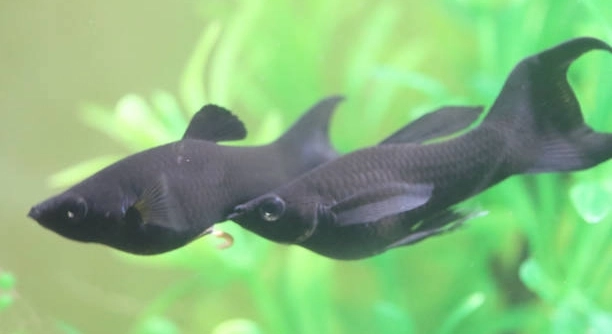
Black Molly fish are popular for home aquariums due to their striking appearance and peaceful nature. Like any pet, they can face health issues, and bacterial infections are among the most common challenges for these fish. Early detection is crucial.
Recognizing the early signs of bacterial infection in Black Molly involves observing changes in behavior, appearance, and physical condition. Common indicators include lethargy, loss of appetite, abnormal swimming patterns, frayed fins, cloudy eyes, discoloration, and visible sores or lesions on the body.
Identifying these symptoms promptly helps ensure proper care and treatment for your Black Molly, supporting its overall health and well-being in your aquarium.
Lethargy and Reduced Activity
When a Black Molly becomes unusually inactive, it is often an early sign of bacterial infection. Normally energetic and curious, these fish will start hovering near the bottom of the tank or hiding in corners. Reduced movement can indicate that the fish is feeling unwell, struggling to maintain its normal routine. Lethargy may be accompanied by slower responses to feeding or interaction with other tank mates. Observing these subtle shifts in activity is essential because early intervention can prevent the infection from worsening. Environmental factors, such as poor water quality or sudden temperature changes, can also contribute to lethargy, making it important to check conditions regularly. Feeding patterns might change as well, with the fish ignoring food it usually enjoys. Monitoring daily behavior helps you spot these differences quickly and take the necessary steps to restore health. Prompt action can make a significant difference in recovery.
Lethargy in Black Molly is a key indicator that something is wrong and requires immediate attention.
Keeping the tank clean and monitoring water quality consistently supports recovery and helps prevent further bacterial growth.
Loss of Appetite
Loss of appetite is a common early symptom of bacterial infection in Black Molly. A healthy fish eagerly accepts food, but an infected one may refuse to eat or show less interest. Ignoring reduced feeding can quickly worsen health, making early observation crucial.
When a Black Molly stops eating, it may appear thinner or less vibrant. Weight loss and faded coloration can develop if the infection persists, impacting the fish’s overall strength. Nutrient deficiency further weakens its immune system, making it more vulnerable to secondary infections. Maintaining proper feeding routines, offering high-quality food, and observing whether the fish responds are critical steps. Temporary appetite loss can sometimes result from stress or environmental changes, but consistent refusal is often linked to bacterial infection. Treating the tank with suitable antibiotics or supportive care under guidance can help. Balancing water temperature, keeping the tank clean, and isolating affected fish when necessary are additional measures to support recovery. Timely intervention ensures the Black Molly regains strength, prevents complications, and maintains long-term health.
Abnormal Swimming Patterns
A Black Molly with bacterial infection may swim erratically, float near the surface, or stay at the tank’s bottom. These changes indicate discomfort and weakness caused by the infection, and they can lead to further stress if left unaddressed.
Erratic swimming can take several forms, including spinning, darting suddenly, or struggling to maintain balance. A healthy Black Molly moves smoothly and confidently, exploring the tank freely. Infection affects the fish’s muscles and nervous system, making coordinated movement difficult. Observing these swimming changes early allows for quick intervention. Adjusting water conditions and isolating the affected fish can help reduce stress and prevent the infection from spreading. Keeping a close eye on daily activity is essential to catch subtle differences that signal health issues before they worsen.
In addition to infection, poor water quality or sudden temperature fluctuations can exacerbate swimming problems. Correcting these environmental factors alongside treatment ensures the fish has a supportive environment for recovery and helps restore normal movement over time.
Frayed Fins
Frayed or damaged fins are a visible sign of bacterial infection. Healthy Black Molly fins are smooth and intact, while infection can cause tearing, ragged edges, or discoloration.
Fraying occurs as bacteria attack soft tissues, weakening the fin structure. Fins may appear shorter or develop white edges, signaling tissue breakdown. Stress and poor water conditions can worsen the damage. Immediate care is important to prevent secondary infections, which can further harm the fish. Maintaining clean water and providing proper nutrition supports healing.
Treatment may include antibacterial medication applied directly or through water treatment, depending on severity. Observing the fish daily ensures progress is monitored, and any worsening can be addressed promptly. Ensuring the tank is free from sharp decorations or aggressive tank mates also reduces further fin damage. With attentive care, fins can gradually regain their natural shape and strength, allowing the Black Molly to swim normally and maintain its vitality.
Cloudy Eyes
Cloudy eyes often appear when a Black Molly develops a bacterial infection. The clarity of the eye diminishes, making the fish look dull or hazy, which can affect its ability to navigate the tank effectively.
This symptom indicates tissue damage or inflammation caused by bacteria. Cloudiness can worsen if the infection spreads, sometimes leading to blindness. Regular observation helps catch this early.
Discoloration
Color changes in a Black Molly can signal stress or bacterial infection. Areas of the body may become pale, faded, or develop unusual patches. Persistent discoloration often points to underlying health issues that require attention.
Visible Sores and Lesions
Open sores or lesions are serious signs of bacterial infection. They appear as red or white patches on the skin, fins, or near the gills, indicating tissue damage. Immediate care is necessary to prevent further deterioration and complications.
Excessive Mucus Production
Excessive mucus on the skin or gills can be a reaction to bacterial infection. It may make the fish appear slimy and affect breathing efficiency.
FAQ
How can I tell if my Black Molly has a bacterial infection?
Look for changes in behavior and appearance. Lethargy, loss of appetite, abnormal swimming, frayed fins, cloudy eyes, discoloration, and visible sores are common signs. Observing your fish daily allows you to notice subtle differences that may indicate an infection. Water quality and tank conditions can also affect health, so monitoring those factors is essential.
What should I do if I notice early signs of infection?
First, isolate the affected fish to prevent spreading. Check water parameters like temperature, pH, and ammonia levels. Perform a partial water change if needed. Providing a clean, stable environment reduces stress and supports recovery. Depending on the severity, antibacterial treatment in water or medication may be required.
Can poor water conditions cause bacterial infections?
Yes, dirty or unbalanced water weakens the fish’s immune system, making them more vulnerable to bacteria. Regular maintenance, cleaning filters, and monitoring water chemistry are crucial to prevent infections. Stable water conditions also reduce stress, which helps the fish recover faster.
Is it necessary to use antibiotics for all bacterial infections?
Not all cases require antibiotics. Mild infections may improve with water quality improvements and supportive care. However, persistent or severe infections with visible sores, frayed fins, or cloudy eyes often need antibacterial treatment. Follow dosage instructions carefully and monitor the fish closely.
How long does it take for a Black Molly to recover?
Recovery time depends on infection severity and care quality. Mild cases may improve in a few days, while severe infections can take weeks. Maintaining optimal water conditions, proper nutrition, and monitoring treatment progress are essential for full recovery.
Can bacterial infections spread to other fish?
Yes, bacteria can infect other fish, especially in crowded or poorly maintained tanks. Isolation of affected fish, regular water changes, and careful observation of all tank inhabitants help reduce the risk of spreading.
Are there ways to prevent bacterial infections?
Preventive measures include keeping water clean, maintaining stable temperature and pH, avoiding overfeeding, and quarantining new fish before introducing them to the tank. Healthy nutrition and minimizing stress also strengthen the fish’s immune system, making infections less likely.
What foods support a Black Molly’s immune system?
A balanced diet with high-quality flakes, pellets, and occasional live or frozen foods provides essential nutrients. Foods rich in vitamins, especially vitamin C, help strengthen immunity. Feeding small amounts regularly rather than overfeeding prevents water pollution, which can trigger infections.
When should I consult a professional?
If the infection persists despite treatment, shows rapid progression, or affects multiple fish, a veterinarian or experienced aquarium specialist should be consulted. Professional guidance ensures proper diagnosis and treatment and helps prevent long-term health issues.
Can stress cause bacterial infections in Black Mollies?
Stress weakens the immune system, increasing susceptibility to bacterial infections. Overcrowding, sudden temperature changes, poor water quality, and aggressive tank mates are common stressors. Minimizing these factors supports overall health and reduces the risk of infection.
Is it safe to medicate all fish in the tank at once?
Not always. Some medications may harm sensitive species or plants. It’s best to isolate the infected fish when possible. Follow instructions carefully and ensure water parameters remain stable during treatment to avoid additional stress.
How often should I check my Black Molly for signs of infection?
Daily observation is ideal. Briefly watch for changes in swimming, appetite, appearance, or interaction with other fish. Catching early signs allows for quicker intervention, improving the chances of successful treatment and recovery.
Can environmental changes alone heal a mild bacterial infection?
Sometimes, improving water quality, stabilizing temperature, and reducing stress can allow a mild infection to resolve naturally. However, persistent or severe symptoms usually require targeted treatment to prevent further damage.
Are all sores and lesions caused by bacteria?
No, some injuries result from tank mates, decorations, or accidents. However, any open wound is susceptible to bacterial infection. Keeping the tank clean and monitoring for infection signs is essential for healing.
What role does quarantine play in infection control?
Quarantining new or sick fish prevents the spread of bacteria. A separate tank with stable water conditions allows observation, treatment, and recovery without risking healthy fish in the main tank. Quarantine is a key step in maintaining a healthy aquarium environment.
Can bacterial infections reoccur after treatment?
Yes, if underlying causes like poor water quality or stress are not addressed, infections may return. Maintaining clean water, proper nutrition, and monitoring tank conditions reduces the likelihood of re-infection.
How do I know if treatment is working?
Improvement in appetite, energy, swimming behavior, and appearance indicates treatment success. Visible signs like fin healing or reduced cloudiness in eyes also show recovery. If symptoms persist or worsen, adjust care or consult a professional.
What are common mistakes in treating bacterial infections?
Mistakes include delayed intervention, ignoring water quality, overdosing medications, and failing to isolate the infected fish. Regular monitoring, proper dosing, and environmental adjustments are critical for effective treatment and long-term health.
How important is tank hygiene in preventing infections?
Extremely important. Clean water, filtered tanks, regular partial water changes, and removal of uneaten food minimize bacterial growth. Consistent hygiene practices support fish health and reduce infection risks.
Can I mix different treatment methods?
Yes, but cautiously. Combining water treatments with medicated food may be effective if instructions are followed. Avoid overmedicating, as it can stress fish or harm beneficial bacteria in the tank. Careful monitoring is essential.
Are Black Mollies more prone to infections than other fish?
They are moderately hardy, but stress, poor water conditions, and overcrowding make them susceptible. Prompt care and preventive practices help maintain their health and reduce infection risks.
How can I make recovery easier for my Black Molly?
Maintain clean, stable water, provide nutritious food, reduce stress, isolate the fish if needed, and follow treatment instructions carefully. Gentle observation and consistent care significantly support recovery and long-term well-being.
Is it normal for a recovering fish to remain weak for a while?
Yes, even after symptoms improve, strength may return gradually. Continue supportive care, maintain optimal tank conditions, and provide nutrition to help the fish regain full vitality over time.
Can bacterial infections affect breeding in Black Mollies?
Infected fish may have reduced fertility or difficulty breeding. Ensuring health before breeding is important, and recovering fish should only be introduced to breeding tanks after full recovery.
What are the signs of severe infection that need urgent attention?
Severe signs include rapid deterioration, heavy lethargy, extensive sores, extreme discoloration, or difficulty breathing. Immediate treatment and professional guidance are necessary to prevent mortality.
How do I track progress during treatment?
Keep a daily log of appetite, activity, appearance, and symptom changes. Comparing these observations helps evaluate treatment effectiveness and decide whether adjustments are needed.
Can bacterial infections be completely cured?
Yes, with proper care, water maintenance, and appropriate treatment, bacterial infections can be fully resolved. Early detection and consistent care are key to successful recovery and long-term health.
How long should I continue monitoring after recovery?
Continue monitoring for at least a few weeks after symptoms resolve. This ensures no recurrence and allows for quick intervention if new issues arise, maintaining the fish’s health.
Are there natural remedies that help with bacterial infections?
Some natural remedies like aquarium salt or herbal treatments may provide mild support, but they are not substitutes for proper antibacterial care in serious infections. Use them cautiously and monitor the fish closely.
What is the best way to prevent future infections?
Consistently maintain clean water, stable tank conditions, proper feeding, and avoid overcrowding. Quarantine new fish, minimize stress, and observe your Black Molly daily. Proactive care is the most effective way to keep bacterial infections at bay.
Taking care of a Black Molly requires attention to both its environment and its behavior. These fish are generally hardy, but bacterial infections can develop if proper care is not maintained. Observing your Black Molly daily is one of the most important steps in keeping it healthy. Subtle changes in swimming, appetite, or appearance often indicate early signs of illness. By noticing these changes early, you can take action before the infection becomes severe. Maintaining stable water conditions, providing nutritious food, and minimizing stress are all practical measures that support the fish’s immune system. Even small adjustments, like removing uneaten food or performing regular water changes, can make a noticeable difference in preventing infections and keeping your fish active and vibrant.
When an infection does occur, prompt attention is essential. Isolating the affected fish and adjusting water quality are first steps that can help control the situation. Depending on the severity of the infection, antibacterial treatments may be necessary. Following the correct dosage and application guidelines ensures the fish receives effective care without additional stress or harm. Supporting recovery also involves maintaining a clean and stable environment and monitoring the fish’s behavior and appearance regularly. Even after visible improvement, continuing attentive care is important because some infections can return if the underlying conditions that caused them are not addressed. Consistent observation and maintenance are key to reducing the risk of recurring infections and promoting long-term health.
Preventing bacterial infections involves a combination of proactive care and careful monitoring. Quarantining new fish before introducing them to the main tank prevents the spread of bacteria and protects existing fish. Providing a balanced diet, avoiding overcrowding, and keeping water parameters stable all contribute to overall health. It is equally important to minimize stress from sudden changes, aggressive tank mates, or poor water conditions. Regularly checking for subtle signs of illness allows for quick intervention and reduces the likelihood of serious health issues. By consistently following these practices, you create a safe and supportive environment for your Black Molly. Over time, these efforts help the fish maintain energy, vibrant coloration, and strong immunity, making it less susceptible to bacterial infections and more likely to thrive in your aquarium.

Hello,
If you enjoy the content that we create, please consider saying a "Thank You!" by leaving a tip.
Every little bit helps us continue crafting quality advice that supports the health, happiness, and well-being of pets around the world, for pets of all shapes, sizes, and species.
We really appreciate the kindness and support that you show us!