
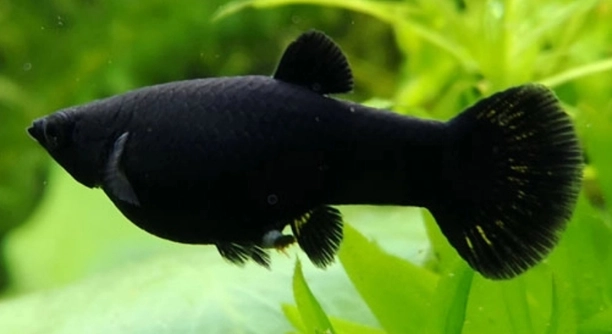
Have you ever noticed tiny snail eggs floating in your aquarium and wondered how your Black Molly would react to them? Black Mollies are curious fish that often explore their surroundings, sometimes nibbling on unusual items.
Black Mollies can eat snail eggs, though they do not rely on them as a primary food source. Their consumption of these eggs can help control snail populations, but it is not a guaranteed method for managing all snails in the tank.
Knowing how Black Mollies interact with snail eggs can help you manage your aquarium more effectively and maintain a balanced, healthy environment for all its inhabitants.
How Black Mollies Eat Snail Eggs
Black Mollies are naturally curious and will often explore anything small enough to fit in their mouths. Snail eggs, being soft and easily accessible, attract their attention. In most aquariums, these fish may nibble on the eggs sporadically, reducing the number of snails over time. However, their interest can vary depending on the tank setup, the availability of other foods, and the individual fish’s temperament. Some Black Mollies may ignore snail eggs completely if they are well-fed with flake food, frozen foods, or live worms. Observing your fish can help you understand their behavior and adjust feeding routines accordingly. While they can help manage snail populations, relying solely on Black Mollies is not enough if snails are breeding rapidly. Maintaining proper tank hygiene, removing excess eggs manually, and balancing the diet of your Mollies ensures healthier fish and a more controlled snail population.
Black Mollies do not exclusively eat snail eggs, but they contribute to keeping snail numbers in check naturally.
Consistent observation is key to understanding how effective your Mollies are at eating snail eggs. Tank conditions such as water quality, plant density, and hiding spots for snails affect how many eggs your fish can reach. Mollies prefer open areas to swim freely, making them more likely to spot and eat exposed eggs. Feeding them a balanced diet ensures they remain healthy and more active, which can increase the likelihood of egg consumption. While they can reduce snail populations, Black Mollies alone cannot completely eradicate snails, so occasional manual cleaning is still necessary. Understanding these dynamics helps create a healthier and more balanced aquarium for all inhabitants.
Benefits and Considerations
Even though Black Mollies can eat snail eggs, it is not a guaranteed method for controlling snails in every tank.
Using Black Mollies as part of your snail management plan provides several benefits. They naturally reduce the number of eggs, which can slow snail population growth without the use of chemicals. This approach is safer for plants and other fish in the aquarium. However, it is important to monitor both your Mollies and snail numbers. Overcrowding can stress the fish, reducing their activity and willingness to eat eggs. Additionally, a well-fed Molly may ignore eggs if they are not hungry. Combining natural predation with regular tank cleaning, controlled feeding, and selective snail removal can keep your aquarium balanced. Understanding the behavior of Black Mollies and observing their feeding patterns allows you to implement a strategy that works for your specific tank setup. By carefully managing both the fish and the environment, you can maintain a healthier and more stable aquatic ecosystem.
How to Encourage Black Mollies to Eat Snail Eggs
Feeding Mollies regularly with a varied diet helps keep them healthy and active, which can increase the likelihood they will nibble on snail eggs. Ensuring the tank has open areas makes egg spotting easier.
Black Mollies are more likely to eat snail eggs when they are not overfed. Providing a mix of flake food, frozen foods, and occasional live treats keeps them interested and energetic. Dense plants or decorations can hide eggs, so arranging the tank with some open swimming space is helpful. Observing your fish and adjusting feeding amounts can improve their egg-eating activity without compromising their health or overfeeding them.
Temperature and water quality also affect Black Mollies’ activity levels. Warmer, stable conditions make them more active and willing to explore their surroundings. If eggs are consistently ignored, manually relocating them to more accessible areas can help. Monitoring the tank and making small adjustments ensures both Mollies and snails remain manageable, keeping the ecosystem balanced while allowing natural behavior to occur.
Managing Snail Populations Alongside Black Mollies
Even with active Mollies, snail eggs can accumulate quickly if not monitored regularly.
Combining natural predation with manual cleaning is the most effective approach to control snail populations. Removing excess eggs during water changes prevents rapid growth, while Mollies handle some of the rest. Avoid overfeeding, as leftover food encourages snails to multiply. Keeping plants trimmed and decorations clean reduces hiding spots for eggs, making them more accessible to Mollies. By observing both snail activity and fish behavior, you can adjust strategies to keep the tank balanced. This combined method is safer than relying solely on chemicals, protecting both Mollies and other aquatic life.
Tank Setup Tips for Black Mollies
Providing open swimming areas helps Black Mollies spot and eat snail eggs more easily. Dense plants or cluttered decorations can hide eggs, reducing their chances of being consumed.
A well-maintained tank with stable water conditions keeps Mollies active. Regular water changes and proper filtration prevent stress, encouraging natural behaviors like exploring and nibbling on eggs.
Balancing Diet and Natural Predation
Black Mollies need a varied diet to stay healthy, but moderation is key. Overfeeding can reduce their interest in snail eggs. Offering flake food, frozen worms, or occasional live treats keeps them energetic and naturally curious, increasing the likelihood they will eat eggs while maintaining their nutritional needs.
Observation and Adjustment
Regularly watch your Mollies’ behavior to see if they are eating eggs. Adjust feeding and tank conditions to encourage natural predation without causing stress or neglecting other care needs.
FAQ
Can Black Mollies completely eliminate snails from my tank?
Black Mollies can help reduce snail populations by eating eggs, but they cannot completely remove snails. Snails reproduce quickly, and some eggs may be hidden or missed. Relying only on Mollies without cleaning or manual removal is unlikely to keep snails fully under control.
Will Black Mollies eat adult snails?
Adult snails are usually too large or protected by their shells for Mollies to eat. Mollies primarily target eggs and very small snail juveniles. Their natural behavior does not include actively hunting adult snails, so other management methods may be needed if adults are causing overpopulation.
How often should I feed my Black Mollies to encourage egg eating?
Feeding Mollies once or twice daily with a balanced diet keeps them healthy and active. Overfeeding can make them ignore snail eggs, while underfeeding may stress them. A consistent feeding routine encourages natural foraging behaviors, including nibbling on snail eggs when spotted.
Do tank plants affect whether Mollies eat snail eggs?
Yes, dense plants can hide eggs, making it harder for Mollies to reach them. Open areas allow fish to spot eggs more easily, while heavily planted sections may protect eggs from being eaten. Arranging the tank with a mix of plants and open swimming spaces is ideal.
Are there specific types of snail eggs Mollies prefer?
Mollies are not picky, but soft, exposed eggs are easier for them to consume. Eggs attached to smooth surfaces or floating in open areas are more likely to be eaten, while sticky eggs hidden under plants or decorations are often ignored.
Can feeding Mollies more food reduce their interest in snail eggs?
Yes, well-fed Mollies may ignore snail eggs if they are not hungry. Eggs become more appealing when their main diet is moderated. Offering varied foods keeps them healthy, but slightly reducing overfeeding can encourage natural egg-eating behavior.
Is it safe to rely on Mollies instead of chemicals for snail control?
Relying on Mollies is safer than chemicals because it avoids harm to other fish and plants. However, it is not a guaranteed solution. Combining Mollies’ natural predation with manual egg removal and proper tank maintenance is the most effective and safe method for controlling snails.
Do Mollies eat eggs from all snail species?
Mollies may eat eggs from common aquarium snails, but some species produce harder or hidden eggs that Mollies cannot reach. Observing the specific types of snails in your tank helps determine how effective your Mollies will be in reducing egg numbers.
How can I tell if Mollies are eating snail eggs?
You may notice fewer visible eggs over time or see fish nibbling in areas where eggs are laid. Observing your Mollies during feeding or while swimming can help you track their behavior. Keeping a log of egg numbers can show trends in predation over time.
Do young Mollies eat snail eggs as well as adults?
Juvenile Mollies are generally smaller and may struggle to eat larger eggs, but they often nibble on tiny or exposed eggs. Adult Mollies are more efficient and active at egg consumption, but young fish can still contribute to controlling snail populations in a minor way.
Will Black Mollies harm other tank inhabitants while eating snail eggs?
Mollies are peaceful fish and focus on small prey like eggs rather than larger fish. They are unlikely to harm other tank inhabitants while eating snail eggs, making them a safe option for natural snail control in community tanks.
Can I encourage Mollies to eat more eggs by changing water conditions?
Stable and slightly warmer water encourages activity, which can increase egg consumption. Sudden changes, poor water quality, or low temperatures can reduce their activity, making them less likely to eat snail eggs. Keeping conditions stable supports healthy, active behavior.
How many Mollies should I have to manage snail eggs effectively?
There is no exact number, as tank size, snail population, and Mollies’ behavior all matter. A moderate group of healthy Mollies in a reasonably sized tank can reduce egg numbers, but it will not guarantee total elimination. Observing and adjusting fish numbers helps maintain balance.
Are there other natural ways to support Mollies in controlling snail eggs?
Maintaining a clean tank, trimming plants, removing excess food, and providing open swimming spaces can support natural egg consumption. Healthy, active Mollies with access to visible eggs will perform better than stressed or overcrowded fish. Balancing care and observation is key for success.
Will Black Mollies continue eating snail eggs if there are plenty of other foods available?
They may eat eggs occasionally, but they are less likely to target them consistently if they are well-fed. Eggs become more appealing when fish are hungry or curious. A balanced approach to feeding ensures Mollies remain healthy while occasionally reducing snail eggs naturally.
Black Mollies can be helpful in controlling snail eggs in your aquarium, but they are not a complete solution. These fish will often nibble on eggs they can reach, especially when they are active and the eggs are exposed. However, not all eggs are accessible, and some snail species lay eggs in hidden spots or attach them to plants and decorations where Mollies cannot reach. Because of this, relying solely on Black Mollies to manage snails can lead to unexpected population growth if other measures are not taken. Observing your tank regularly and noting where eggs are accumulating can give you a better idea of how effective your Mollies are and whether additional intervention is needed.
Maintaining a balanced approach is important for both the health of your fish and the overall aquarium environment. Feeding your Black Mollies a varied diet keeps them healthy and active, which indirectly encourages them to explore and nibble on eggs. Overfeeding can reduce their interest in snail eggs, while underfeeding can stress them and make them less active. Tank setup also plays a role; open swimming areas make it easier for Mollies to spot eggs, while dense plants or cluttered decorations can hide them. Regular water changes, proper filtration, and keeping plants trimmed will create an environment where your Mollies can thrive and perform their natural behaviors more effectively. Combining natural predation with routine tank cleaning ensures both fish and snails remain in a manageable balance.
While Black Mollies provide some help in managing snail eggs, it is important to combine their efforts with manual cleaning and observation. Removing eggs by hand during water changes, controlling leftover food, and monitoring snail populations are all necessary steps to keep numbers from growing too quickly. Understanding the habits and behaviors of both your fish and snails will help you make the best decisions for your aquarium. Mollies are generally peaceful and safe to keep with other fish, making them a good addition to a community tank that also needs snail control. By paying attention to feeding, tank conditions, and the placement of eggs, you can maintain a healthy, balanced aquarium where Mollies can contribute to natural egg reduction without causing harm to other inhabitants. This approach ensures a stable environment that supports both fish health and controlled snail populations.

Hello,
If you enjoy the content that we create, please consider saying a "Thank You!" by leaving a tip.
Every little bit helps us continue crafting quality advice that supports the health, happiness, and well-being of pets around the world, for pets of all shapes, sizes, and species.
We really appreciate the kindness and support that you show us!