
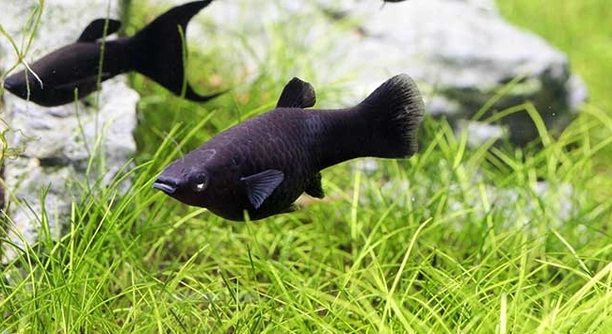
Keeping black mollies healthy is important for any aquarium enthusiast. These small, active fish can hide early signs of illness, making it essential to know how to recognize changes before they worsen. Observation is key.
Early detection of sickness in black mollies involves monitoring behavior, physical appearance, and appetite. Signs such as clamped fins, lethargy, abnormal swimming, discoloration, and rapid breathing are critical indicators that intervention is needed to prevent serious health issues.
Recognizing these early warning signs can help maintain a vibrant, healthy aquarium and prevent small problems from turning into serious concerns for your fish.
Changes in Swimming Patterns
When black mollies are sick, their swimming often changes noticeably. They may hover near the surface or bottom instead of moving freely through the tank. Erratic movements, such as darting suddenly or spiraling, are a warning sign of stress or disease. Slow swimming, dragging fins, or failing to respond to other fish can also indicate illness. Water quality plays a role in these behaviors, but persistent abnormal movement is usually health-related. Observing your mollies daily helps catch issues before they become severe. Sudden changes, especially when paired with other symptoms, should be taken seriously. Providing clean water, balanced food, and proper tank conditions can reduce the likelihood of illness. Even small changes in swimming patterns can point to internal problems that are not immediately visible. Tracking behavior with notes or photos can help identify subtle shifts early. These actions allow you to intervene promptly, improving recovery chances.
Monitoring swimming patterns closely allows for early detection of sickness, helping prevent more serious health complications in black mollies.
Observing their movements in detail can reveal patterns that indicate stress, infections, or other health issues. Minor irregularities often precede visible symptoms. By paying attention to how your mollies navigate the tank, you can make timely adjustments to care, including improving water conditions, adjusting feeding routines, or consulting a veterinarian if necessary.
Changes in Appetite
Loss of appetite is a clear sign your black molly may be unwell. Sick fish often eat less or refuse food altogether, which can quickly weaken them.
A decrease in feeding behavior usually signals internal issues. Tracking how much and how often your mollies eat helps spot illness early.
Appetite changes can result from poor water quality, infections, or parasites. If your molly consistently avoids food, check tank conditions and diet. Nutritional deficiencies or stress can also play a role. Feeding smaller portions or offering varied foods may help stimulate interest. Quick action is crucial, as prolonged fasting can compromise the immune system. Observing feeding alongside other symptoms, like discoloration or lethargy, gives a clearer picture of health. Keeping a regular feeding schedule and noting any deviations allows you to intervene before the situation worsens. Maintaining optimal water temperature, proper filtration, and a balanced diet reduces stress and supports recovery. Ensuring mollies eat well is essential for long-term vitality.
Clamped Fins
Clamped fins are a common sign that a black molly is under stress or ill. The fins stay close to the body instead of spreading naturally.
Fins that remain tightly pressed against the body usually indicate poor water conditions, internal parasites, or bacterial infections. Mollies use their fins for balance and movement, so clamping can affect swimming efficiency and overall energy. Monitoring fin condition daily helps detect problems early. Immediate action, such as improving water quality or isolating affected fish, can prevent the condition from worsening and protect the rest of the tank.
Persistent fin clamping often appears alongside other symptoms like lethargy, loss of appetite, or discoloration. Observing these behaviors together provides a clearer indication of the underlying issue. Maintaining clean water, proper nutrition, and stable temperature can help mollies regain fin health. In some cases, targeted treatment for infections or parasites may be required to restore normal fin function. Consistent observation and care are key to preventing long-term damage.
Rapid or Labored Breathing
Rapid or labored breathing is an early warning sign that something is wrong. Mollies may gasp at the surface or breathe quickly while resting.
This behavior is often caused by low oxygen levels, poor water quality, or gill infections. Mollies rely on steady oxygen intake, so changes in breathing indicate stress or disease. Checking filtration, water parameters, and temperature is crucial. Treatments for gill parasites or infections may be necessary if the condition persists.
Labored breathing can also be linked to overcrowding or sudden changes in water chemistry. Observing the entire tank helps identify whether the problem is environmental or specific to one fish. Correcting water conditions and providing aeration supports recovery. If infections are present, medications prescribed for fish gill health can improve breathing efficiency. Maintaining consistent water quality, including regular cleaning and monitoring parameters like ammonia, nitrites, and nitrates, is essential. Rapid intervention prevents complications and promotes long-term health for all tank inhabitants.
Discoloration
Discoloration in black mollies can signal stress or disease. Faded or patchy colors often indicate poor health or water issues.
Sudden changes in color may result from infections, parasites, or nutritional deficiencies. Monitoring the fish’s natural coloration daily can help identify problems early.
White Spots or Fuzz
White spots or fuzzy growth on the body usually indicate fungal infections or ich. Immediate treatment is needed to prevent spreading. Keeping the tank clean and monitoring water parameters reduces the risk of these infections.
Lethargy
Lethargic black mollies move slowly and show little interest in activity. This behavior often accompanies other signs of sickness.
Bloating or Swollen Belly
Bloating or a swollen belly may indicate internal parasites, constipation, or organ issues. Observing feeding habits and stool consistency helps identify the cause. Treating promptly prevents serious complications and supports recovery.
FAQ
How can I tell if my black molly is sick?
A sick black molly often shows changes in behavior, swimming, or appearance. Look for clamped fins, unusual swimming patterns, loss of appetite, rapid or labored breathing, discoloration, white spots, lethargy, or bloating. Monitoring your fish daily helps detect problems early before they become severe.
What should I do if I notice clamped fins?
Clamped fins usually indicate stress, poor water quality, or infection. Check tank conditions immediately, including temperature, pH, and cleanliness. Isolate the affected fish if necessary and ensure proper nutrition. If the condition persists, consider treatment for bacterial or parasitic infections. Prompt action can prevent further health issues.
Why is my black molly breathing rapidly?
Rapid or labored breathing can result from low oxygen, high ammonia, nitrites, or gill infections. Check water quality first, ensure good filtration, and add aeration if needed. If the fish continues to breathe quickly, consult treatments for gill parasites or bacterial infections. Maintaining stable water conditions supports recovery.
What causes discoloration in black mollies?
Discoloration can occur due to stress, poor water conditions, nutritional deficiencies, or infections. Observe your fish closely to spot subtle changes in color. Adjusting water quality, improving diet, and isolating affected fish for treatment can restore natural coloration over time. Consistent monitoring helps prevent worsening.
How do I treat white spots or fuzz?
White spots or fuzzy growth usually indicate fungal infections or ich. Treating with appropriate antifungal or antiparasitic medication is essential. Clean the tank thoroughly, maintain proper water parameters, and remove debris to prevent recurrence. Early detection significantly improves the effectiveness of treatment and prevents spread.
What should I do if my molly is bloated?
Bloating can result from internal parasites, constipation, or organ issues. Observe stool, feeding, and activity levels. Fasting for a day or feeding high-fiber foods like peas may help with constipation. If parasites are suspected, treat with an appropriate antiparasitic medication. Prompt care reduces the risk of serious complications.
Why is my black molly lethargic?
Lethargy often accompanies other illness signs like loss of appetite or discoloration. Environmental stressors, poor water quality, disease, or parasites may be the cause. Check tank conditions, ensure proper nutrition, and observe for other symptoms. Addressing the root cause early improves the chances of recovery.
Can stress make black mollies sick?
Yes, stress can weaken the immune system and make black mollies more susceptible to illness. Common stress factors include overcrowding, aggressive tank mates, sudden changes in water conditions, or improper temperature. Reducing stress through proper tank setup and stable conditions helps maintain their health.
How often should I check my black mollies for illness?
Daily observation is recommended. Watch their swimming, eating habits, fin position, and body appearance. Early detection of small changes allows for timely intervention and prevents minor issues from becoming serious health problems. Recording observations can help track subtle changes over time.
Is quarantine necessary for sick black mollies?
Quarantining sick mollies is highly recommended to prevent the spread of disease. Use a separate tank with clean water and appropriate treatment. This approach protects healthy fish and allows the sick molly to recover without added stress from tank mates. Proper quarantine practices are key to controlling infections.
Can diet affect a black molly’s health?
Yes, diet is crucial. A poor or unbalanced diet can cause nutritional deficiencies, digestive issues, and weakened immunity. Feed high-quality, varied food including flakes, pellets, and occasional live or frozen foods. Maintaining a consistent feeding schedule supports overall health and resilience against illness.
What water conditions are ideal for black mollies?
Black mollies thrive in clean, stable water with temperatures between 75-82°F (24-28°C), pH around 7.0-8.5, and low ammonia or nitrite levels. Regular testing, partial water changes, and proper filtration prevent stress and reduce susceptibility to disease. Maintaining these conditions is fundamental for long-term health.
How quickly should I act if I notice symptoms?
Immediate action is important. Early intervention increases the chance of recovery and prevents spread to other fish. Observe symptoms, check water quality, adjust care as needed, and begin treatment if necessary. Prompt response minimizes the risk of severe illness and long-term damage.
Can I prevent illness in black mollies?
Prevention is possible through proper tank maintenance, balanced diet, stable water conditions, avoiding overcrowding, and regular observation. Quarantining new fish before introducing them to the main tank also reduces disease risk. Consistent care and vigilance are the most effective ways to keep black mollies healthy.
Keeping black mollies healthy requires consistent attention and care. These small fish can hide early signs of illness, so daily observation is important. Monitoring their behavior, swimming patterns, appetite, and appearance allows you to notice changes before they become serious. Small issues like clamped fins, discoloration, or lethargy may seem minor at first, but they often indicate underlying problems that can worsen if left unaddressed. By paying close attention to these early signals, you give your fish the best chance to recover quickly and maintain long-term health. Clean, stable water and a balanced diet are essential to supporting their natural immune system, helping them resist disease more effectively.
Water quality is one of the most important factors in preventing illness in black mollies. Poor water conditions, including high ammonia, nitrites, or sudden temperature changes, can stress fish and make them more prone to infections. Regular water testing and partial water changes help maintain a stable environment. Filtration should be adequate for the tank size, and aeration can ensure proper oxygen levels. Observing the tank as a whole is also important, as overcrowding, aggressive tank mates, or inadequate hiding spaces can increase stress and weaken the fish. Maintaining proper water conditions is not just about keeping the tank clean, but also about creating a stable, comfortable environment that supports overall health and reduces the risk of disease.
Nutrition and careful observation are equally important for keeping black mollies healthy. Feeding high-quality, varied food helps provide essential nutrients that support growth and immunity. Avoid overfeeding, as uneaten food can degrade water quality, creating conditions that lead to illness. Observing each fish’s behavior during feeding can reveal early warning signs such as loss of appetite or bloating. Prompt action when symptoms appear, whether through adjusting care, isolating the affected fish, or consulting treatment options, improves recovery chances. Consistency in tank maintenance, feeding, and observation creates a routine that allows you to notice even subtle changes. With careful attention to water quality, nutrition, and behavior, black mollies can thrive in your aquarium, staying active, vibrant, and healthy for years.

Hello,
If you enjoy the content that we create, please consider saying a "Thank You!" by leaving a tip.
Every little bit helps us continue crafting quality advice that supports the health, happiness, and well-being of pets around the world, for pets of all shapes, sizes, and species.
We really appreciate the kindness and support that you show us!