
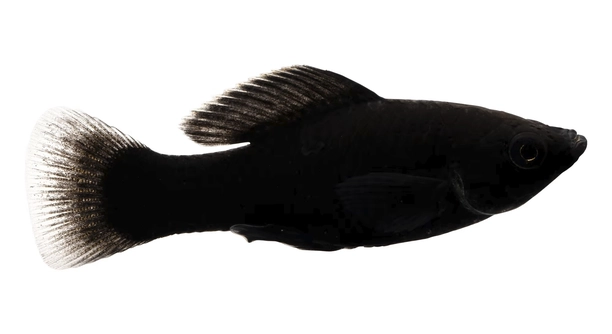
Do you enjoy watching Black Molly fish swim gracefully in your aquarium but find yourself noticing how they interact with other fish around them? Their social behavior can be subtle and interesting to observe.
Black Molly fish do not typically choose a single favorite tank mate. They are generally peaceful and interact with multiple compatible species, forming loose social groups rather than forming exclusive bonds with one fish. This behavior supports stable aquarium communities.
Observing these interactions can help you create a harmonious tank environment and better understand the social habits of your Black Molly fish.
How Black Mollies Interact with Tank Mates
Black Mollies are generally peaceful fish that adapt well to community tanks. They swim calmly alongside other non-aggressive species, often exploring the tank together. While they may show curiosity toward certain tank mates, it doesn’t indicate favoritism. Instead, they focus on food, swimming patterns, and territory. Their behavior is influenced by the tank’s environment, such as hiding spots, plants, and open swimming areas. Mollies often cluster with others for comfort or during feeding times, but this grouping can shift depending on mood or activity. Aggressive or overly territorial species can cause stress, so keeping compatible fish ensures stability. Observing their interactions over time can reveal patterns, like which fish they swim near most often or avoid. Understanding these subtle behaviors allows you to create a balanced aquarium. Proper space, consistent feeding schedules, and suitable water conditions also support their natural social tendencies.
Mollies are not selective; they interact broadly, forming dynamic groups rather than exclusive pairings.
Maintaining a tank with multiple species can sometimes feel chaotic, but Black Mollies adjust quickly. They thrive when the aquarium provides room for swimming and areas to explore. Observing their habits helps determine which tank mates coexist without stress. A well-arranged environment reduces competition for space or food. Lighting, plants, and water flow also influence their comfort and social behavior. Even small changes in the tank can affect which areas Mollies prefer or which fish they swim near. They are responsive to both the physical setup and the behavior of nearby fish. Keeping stress low ensures they remain active and healthy. Over time, patterns may appear, such as certain fish swimming together more often during feeding or resting periods. Understanding these behaviors helps you plan your tank, ensuring all species live in harmony.
Signs of Compatibility with Other Fish
Black Mollies show compatibility through calm, non-aggressive interactions and shared swimming patterns in the tank.
A compatible tank prevents constant chasing or hiding. Mollies swim alongside others without stress signals, such as rapid darting or fin nipping. They tolerate other peaceful species, forming temporary clusters for feeding or exploring, yet remain independent enough to switch groups easily. Water conditions, including temperature and pH, must suit all species to maintain harmony. Even minor differences in water preference can cause tension, making observation essential. Compatibility is also influenced by tank size, hiding spots, and population density. When Mollies and their tank mates are compatible, activity is evenly distributed, and no fish dominate the space. A healthy aquarium encourages natural behavior, social balance, and reduced stress.
Compatibility is not static; it can change over time due to growth, age, or environmental adjustments. Regular observation helps ensure Mollies and other species continue to coexist peacefully. You may notice shifts in swimming patterns, preferred resting areas, or mild chasing, which are natural social adjustments rather than signs of distress. Introducing new species gradually allows Mollies to assess and integrate them without disruption. Tank maintenance, feeding schedules, and environmental enrichment support a stable community. Providing varied plants, open swimming areas, and gentle filtration helps reduce conflicts and stress. Observing interactions over weeks ensures you understand the social dynamics of your aquarium. Well-maintained conditions foster healthy behavior, prevent aggression, and encourage natural, relaxed activity among all tank inhabitants.
Choosing Tank Mates Carefully
Black Mollies do best with peaceful fish that share similar water requirements. Avoid aggressive species or fish that are much larger, as these can stress Mollies and disrupt their social behavior.
Keeping Black Mollies with compatible species reduces aggression and promotes natural swimming patterns. Ideal tank mates include small livebearers, tetras, or guppies. Mollies are active swimmers, so a tank with open space and hiding spots allows everyone to coexist comfortably. Monitoring behavior after introducing new fish helps identify any tension early. Gradual introductions and a well-planned tank layout ensure the Mollies adjust smoothly. Water quality and temperature should meet the needs of all species to avoid stress and health problems.
Observation is key when adding new tank mates. Mollies may initially hide or explore cautiously. They often group temporarily with other peaceful fish but avoid dominance or constant confrontation. Their behavior adjusts over time as they learn the new environment. Tanks with proper filtration, plants, and swimming space help Mollies establish routines while interacting safely with others. Regularly checking for stress signals like rapid swimming or color changes helps maintain a stable community.
Behavior Changes in Mixed Tanks
Mollies may change swimming patterns or social interactions when new species are introduced, showing cautious or exploratory behavior.
Behavior changes are normal in mixed tanks. Black Mollies may spend more time near the surface or in shaded areas as they assess new tank mates. They can become more active during feeding, following other peaceful fish, or temporarily avoiding more assertive species. Their social interactions shift gradually, forming temporary clusters or moving independently depending on comfort levels. Stress signals, like hiding, rapid darting, or nipped fins, indicate incompatibility or overcrowding. Adjusting the tank layout with plants, rocks, or decorations can create safe spaces. Over time, Mollies often return to normal swimming and feeding patterns once the environment stabilizes.
It’s important to maintain consistency during changes in the aquarium. Gradual water adjustments, regular feeding schedules, and careful monitoring reduce stress and encourage Mollies to adapt. Providing multiple hiding spots and open swimming areas allows them to explore without feeling threatened. Mollies may occasionally test boundaries with tank mates, but as long as aggression is low, these interactions are part of natural behavior. Observing them for several weeks helps track comfort levels, social adjustments, and overall health. Ensuring tank conditions meet the needs of all species supports long-term stability and a peaceful, active aquarium community.
Observing Social Behavior
Black Mollies often swim in loose groups, shifting positions based on activity and comfort. They show curiosity but rarely stick to one tank mate consistently.
They interact with several species without forming exclusive bonds. Grouping is temporary and can change depending on feeding times, space, or mood.
Feeding and Group Dynamics
During feeding, Black Mollies become more active and often follow other fish. They compete gently for food, rarely showing aggression. Observing these moments helps understand which tank mates are more compatible. Feeding patterns reveal social hierarchies and preferred swimming areas. Mollies adapt quickly to feeding routines and may temporarily cluster with certain species. Ensuring evenly distributed food reduces stress and allows all fish to eat comfortably. Over time, these patterns stabilize, and Mollies maintain balanced interactions while feeding, which contributes to a peaceful tank environment.
Recognizing Stress Signals
Rapid darting, hiding, or fin nipping indicates stress in Black Mollies or tank mates.
FAQ
Do Black Mollies need a specific tank size?
Yes, Black Mollies require a tank that provides enough space for swimming and exploration. A minimum of 20 gallons is recommended for a small group, with additional space for each extra fish. Adequate room reduces stress, prevents territorial disputes, and supports healthy social behavior. Open areas combined with hiding spots, like plants or decorations, help Mollies feel secure and encourage natural swimming patterns. Overcrowding can lead to aggression, fin nipping, or stunted growth, so planning the tank size carefully is important for their well-being.
Can Black Mollies live with aggressive fish?
Black Mollies are peaceful by nature, so aggressive species can cause stress or injury. Avoid pairing them with larger, territorial, or fin-nipping fish. Suitable companions are other peaceful livebearers, tetras, or similar non-aggressive species. Mixing incompatible fish can lead to hiding, loss of appetite, or erratic swimming. Observing behavior after introducing new species ensures everyone adjusts properly. Gradual introductions and visual barriers can help reduce initial stress, but long-term compatibility depends on the temperament of all tank inhabitants.
How often should Black Mollies be fed?
Feeding Black Mollies twice a day is usually sufficient. Provide a mix of high-quality flake food, micro-pellets, and occasional live or frozen foods like brine shrimp or bloodworms. They are active swimmers and benefit from a balanced diet. Overfeeding can pollute the tank, leading to algae growth and water quality issues, while underfeeding affects growth and social activity. Observe their behavior during feeding times to ensure all fish are eating and adjust portions as needed. Feeding consistency also helps reduce stress and maintain group dynamics.
Do Black Mollies prefer certain water conditions?
Black Mollies thrive in slightly alkaline water with a pH between 7.5 and 8.5 and temperatures from 72°F to 78°F. Stable water conditions are important for their health and social behavior. They tolerate mild variations but sudden changes can cause stress, illness, or erratic behavior. Regular water testing, partial water changes, and proper filtration help maintain a stable environment. Adding plants or rocks can buffer water changes and create areas for exploration. Balanced water chemistry supports immune function, coloration, and longevity in a community tank.
Can Black Mollies form bonds with other fish?
While Black Mollies are social, they do not form exclusive bonds with specific tank mates. They interact with multiple species and often swim in loose groups. Temporary clusters can form during feeding or resting, but these are situational rather than permanent bonds. Observing these patterns helps understand compatibility and comfort levels among tank inhabitants. Mollies may show curiosity or follow certain fish more often, but they remain independent and flexible in their social behavior. Proper tank setup and balanced species combinations allow them to coexist peacefully without forming restrictive attachments.
What are common signs of stress in Black Mollies?
Stress in Black Mollies can appear as rapid darting, excessive hiding, loss of appetite, or faded coloration. Fin damage or erratic swimming is also an indicator. Stress often results from poor water quality, aggressive tank mates, overcrowding, or sudden environmental changes. Monitoring behavior and adjusting tank conditions promptly helps prevent long-term health issues. Adding plants, open swimming space, and maintaining consistent feeding schedules reduces stress. Observing their interactions during feeding and daily activity provides clues about comfort levels and whether changes are needed in tank setup or species composition.
How do Black Mollies interact during breeding?
During breeding, males may become more active and chase females lightly, but this behavior is typically non-aggressive. Providing plants or breeding mops allows females to retreat if needed. Fry are vulnerable and should be separated or provided with dense vegetation for protection. Breeding behavior does not indicate favoritism toward other fish but is part of natural reproductive instincts. Observing interactions ensures that females are not stressed excessively and that fry have a safe environment for development. Consistent water quality and balanced nutrition support successful breeding and healthy offspring.
Are tank decorations important for Black Mollies?
Yes, decorations like plants, rocks, and hiding spots provide security and reduce stress. They allow Black Mollies to explore, rest, and escape from occasional chasing. Open swimming areas combined with hiding spaces support natural behavior and social interactions. Decorations can also help visually divide the tank, reducing conflict and promoting a balanced environment. Mollies enjoy varied structures for exploration, and proper placement ensures everyone can establish temporary personal space without restricting movement. Regular cleaning and maintenance of decorations help keep the tank safe and water quality stable.
How long do Black Mollies live?
Black Mollies typically live between three to five years with proper care. Lifespan depends on water quality, diet, tank conditions, and stress levels. Consistent maintenance, compatible tank mates, and a balanced diet increase longevity. Regular observation of health and behavior helps catch issues early. Providing a stable environment with minimal stress supports overall well-being and allows Mollies to exhibit natural social behavior throughout their lifespan.
What should I do if my Mollies show aggression?
Aggression is uncommon but may occur during feeding or territorial disputes. Observe which fish are involved and whether the behavior is temporary. Adjusting tank layout, adding hiding spots, or separating aggressive individuals can resolve conflicts. Overcrowding or incompatible species often trigger aggression. Maintaining proper tank conditions and monitoring interactions ensures a peaceful community and reduces stress for all tank inhabitants.
Black Mollies are gentle, adaptable fish that can coexist peacefully with many species in a community tank. They do not choose a single favorite tank mate, but instead interact with multiple compatible fish in loose social groups. Observing their behavior over time helps you understand their social patterns, such as which areas of the tank they prefer or which fish they tend to swim near during feeding. These patterns are temporary and situational, reflecting their natural instincts rather than permanent bonds. Their calm nature makes them suitable for beginner and experienced fish keepers alike, as long as tank conditions and companions are chosen carefully.
Providing a proper environment is key to keeping Black Mollies healthy and content. They thrive in tanks with open swimming space, hiding spots, and a balanced diet. Water conditions, including pH, temperature, and cleanliness, should meet their needs as well as those of other species in the tank. Regular water changes, proper filtration, and monitoring water parameters help prevent stress and disease. Decorating the tank with plants or rocks can also reduce tension, giving fish areas to retreat or explore. Feeding them twice a day with a combination of flake, pellet, or occasional live foods supports growth and activity. Consistency in care allows them to maintain regular social interactions, reducing aggression or stress among tank mates.
Understanding their social behavior and needs makes it easier to maintain a harmonious aquarium. Mollies may temporarily cluster with certain fish during feeding or exploration, but they remain independent enough to switch groups or swim alone. Observing them for signs of stress, like rapid swimming, hiding, or fin damage, ensures that you can adjust the tank environment when needed. Black Mollies respond well to compatible species and well-maintained conditions, forming a peaceful community that encourages natural behavior. With careful planning, attention to water quality, and a balanced diet, these fish can live comfortably for several years, providing a lively and calming presence in your aquarium.

Hello,
If you enjoy the content that we create, please consider saying a "Thank You!" by leaving a tip.
Every little bit helps us continue crafting quality advice that supports the health, happiness, and well-being of pets around the world, for pets of all shapes, sizes, and species.
We really appreciate the kindness and support that you show us!