
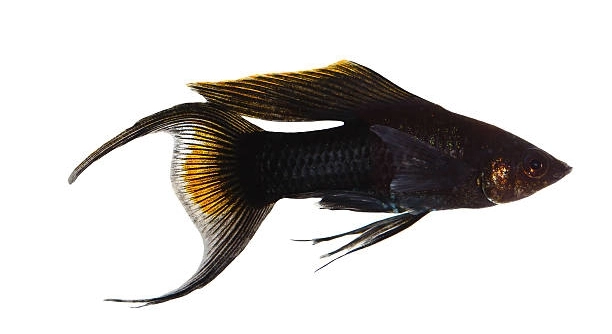
Black Mollies are lively and engaging fish, but certain sounds in their environment can make them uneasy. These noises can cause stress, affect their behavior, and even impact their overall health if repeated too often.
The seven sounds that most commonly stress Black Mollies include sudden clattering, loud banging, high-pitched electronic noises, vigorous tapping on the tank, voices raised nearby, unexpected thuds, and persistent vibrations from household appliances. Managing these noises helps maintain calmer fish.
Knowing which sounds cause discomfort allows you to create a peaceful tank environment. Paying attention to these details ensures your Black Mollies stay healthy and comfortable in their home.
Sudden Clattering
Sudden clattering near the tank can startle Black Mollies. Dropping objects, knocking on furniture, or accidentally hitting a hard surface produces sharp sounds that trigger their stress response. When startled, Mollies may dart across the tank or hide, which uses energy and increases their heart rate. Repeated exposure to such noises can cause chronic stress. Chronic stress affects appetite and immune function, making the fish more prone to illness. Creating a quiet area around the tank and handling items carefully nearby reduces these sharp disturbances. Covering the tank partially or placing it away from high-traffic areas helps the fish feel secure. Over time, Mollies exposed to consistent noise may develop irregular swimming patterns or appear skittish. Minimizing clattering also supports their social behavior, as stressed fish often stop interacting normally with tank mates. Observing their reactions can help identify which sounds are most distressing.
Avoid dropping items near the tank and keep surfaces calm to reduce stress triggers.
Black Mollies are sensitive to sudden loud noises because they rely on environmental stability to feel safe. Their lateral line system detects vibrations, and abrupt sounds signal potential threats. When startled, their bodies release stress hormones, which may affect growth and long-term health. Maintaining a calm space ensures they swim normally, eat well, and remain active. Consistent noise reduction fosters a stable environment, helping them thrive without constant anxiety.
High-Pitched Electronic Noises
High-pitched electronic sounds can disturb Black Mollies and trigger stress.
Devices such as phones, alarms, and small electronics emit frequencies Mollies can detect. Even low-volume persistent noises may irritate them over time. Stress from these sounds can lead to hiding, reduced appetite, or sudden bursts of activity. Removing electronics from close proximity or muffling their sounds lowers this stress. Mollies respond well to steady, quiet surroundings and become more active when electronics are managed properly.
These noises, though subtle to humans, are loud and alarming for fish. Black Mollies have sensitive hearing and can perceive frequencies beyond our range. Continuous exposure affects swimming behavior and may cause avoidance of certain tank areas. Owners often overlook electronics as a source of stress, but even small devices emit enough vibration to impact their comfort. Ensuring the tank area is free from these disturbances allows fish to interact normally, feed consistently, and exhibit natural social behaviors. Monitoring their responses to high-pitched sounds helps prevent long-term stress issues and supports their overall well-being. Reducing or isolating electronic devices near the tank is essential to keep Black Mollies healthy and calm.
Vigorous Tank Tapping
Tapping the tank creates vibrations that make Black Mollies anxious. Even light, repeated tapping can interrupt their normal swimming patterns and cause them to hide or freeze in place.
Vigorous tapping sends strong ripples through the water, which Mollies interpret as potential threats. Their lateral line system detects these vibrations, triggering a stress response that increases heart rate and reduces appetite. Frequent tapping can disrupt social interactions, as stressed fish avoid each other and swim erratically. Over time, this behavior may affect growth and overall health. Placing the tank in a quieter location and avoiding contact with the glass helps maintain a calm environment. Observing their reactions ensures the tank remains a safe space.
Stress from tapping can also impact water quality indirectly. Frantic swimming stirs sediment and disrupts filtration, which may cause cloudiness or uneven chemical distribution. Keeping hands and objects away from the glass prevents unnecessary disturbances. Gradually, Black Mollies learn to swim confidently and interact normally without constant interruption. Maintaining consistent quiet helps them remain active, feed properly, and show their natural playful behaviors.
Raised Voices Nearby
Loud or raised voices near the tank make Black Mollies uneasy. They respond to human sounds as environmental changes that could indicate danger.
Persistent loud talking causes stress by creating vibrations and pressure changes in the water. Black Mollies may hide behind decorations or freeze in place. Chronic exposure to these noises can affect feeding patterns, reduce activity, and weaken immune response. Maintaining a calm speaking volume near the tank supports a more stable and comfortable environment.
Repeated exposure to loud voices can influence long-term behavior. Mollies may avoid certain areas of the tank or become skittish around movement, even when no sound is present. Stress hormones released in response to noise affect digestion, energy levels, and overall vitality. Minimizing loud conversations or placing the tank in a quieter room allows them to swim freely and interact with other fish. Over time, a stable sound environment fosters natural activity, promotes healthy feeding, and ensures their well-being. Black Mollies thrive in calm surroundings, making noise management essential for their daily life.
Unexpected Thuds
Unexpected thuds near the tank startle Black Mollies and make them dart quickly. Loud impacts from dropping items or heavy footsteps can disrupt their sense of safety.
Repeated thuds increase stress levels and may cause hiding or erratic swimming. Over time, frequent disturbances can impact appetite, energy, and overall health.
Persistent Vibrations
Persistent vibrations from appliances or nearby machinery create constant stress for Black Mollies. Continuous low-level shaking of the tank can make them feel unsafe and uncomfortable. Stress hormones may rise, affecting swimming, feeding, and social behavior.
Monitoring the tank area and reducing exposure to vibrations helps maintain their calm. Ensuring the tank rests on a stable surface with minimal vibration allows Black Mollies to swim naturally and engage with their environment. Consistency in their surroundings promotes better health and reduces long-term anxiety.
Voices from a Distance
Even distant, loud voices can make Black Mollies uneasy. Noise travels through walls and floors, disturbing their calm environment and triggering stress responses.
FAQ
What are the signs that my Black Molly is stressed by sound?
Stressed Black Mollies often hide behind decorations, swim erratically, or remain frozen in one spot. They may lose appetite, show irregular breathing, or stop interacting with tank mates. Stress can also cause faded coloration or unusual aggression. Watching their normal behavior helps identify disturbances.
How can I reduce stress from household noise?
Place the tank in a quiet area away from high-traffic zones, heavy footsteps, and loud appliances. Avoid tapping on the glass or clattering objects nearby. Using a thick tank stand or mat can help absorb vibrations, reducing the transmission of noise and sudden thuds to the water.
Are electronic devices harmful to Black Mollies?
Yes, high-pitched or continuous electronic sounds from phones, alarms, or small devices can stress them. Mollies detect frequencies humans cannot hear, and persistent exposure may lead to hiding, erratic swimming, and reduced feeding. Keeping devices at a distance or muffling sounds supports a calmer environment.
Do raised voices affect Black Mollies?
Loud conversations or shouting near the tank can create vibrations and pressure changes in the water. Over time, this can lead to hiding, reduced activity, and weaker immune function. Maintaining a moderate speaking volume and positioning the tank in a quieter room helps minimize this stress.
How often should I check for noise stress?
Observe your Black Mollies daily, especially during times when household noise is common. Look for changes in swimming patterns, feeding behavior, and social interactions. Regular observation ensures early detection of stress and allows for adjustments to their environment before long-term effects develop.
Can stress from sound affect health?
Yes, prolonged stress from noise can weaken their immune system, slow growth, and reduce lifespan. Chronic stress may lead to illness, poor appetite, and abnormal behavior. Providing a stable, quiet environment ensures better health, natural activity, and longer life expectancy.
Is hiding always a sign of stress?
Not always. Black Mollies may hide during normal resting periods, while molting, or when exploring new tank areas. Stress-related hiding is usually accompanied by rapid swimming, loss of appetite, or prolonged periods of avoidance. Observing patterns over time helps determine the cause.
Do vibrations from appliances matter?
Persistent vibrations from washers, dryers, or nearby machinery can create constant low-level stress. Mollies sense these disturbances through their lateral line system, causing discomfort even without visible noise. Placing the tank on a stable, vibration-absorbing surface significantly improves their comfort.
How can I create a peaceful tank environment?
Keep noise sources away, minimize tapping on the glass, and position the tank in a quiet area. Add plants or decorations to provide hiding spots. Regularly check water parameters and maintain consistent feeding schedules. A stable environment reduces stress and encourages healthy behavior.
What should I do if my Black Mollies show severe stress?
If stress symptoms persist, move the tank to a quieter location, reduce vibrations, and eliminate sudden loud noises. Monitor water quality and ensure tank mates are compatible. If behavior doesn’t improve, consulting a fish care specialist can help prevent long-term health issues.
How quickly do Black Mollies recover from noise stress?
Recovery depends on the duration and intensity of stress. Short-term disturbances may see Mollies return to normal within hours, while chronic exposure may take days or weeks. Consistent quiet, proper care, and reduced vibrations accelerate recovery and restore normal behavior.
Are some Black Mollies more sensitive than others?
Yes, younger or newly introduced fish are often more sensitive to sounds. Individual temperament also plays a role. Observing each fish helps identify who needs extra protection from noise and allows for adjustments to reduce stress across the tank.
Can I train Black Mollies to tolerate noise?
Gradual, controlled exposure to mild sounds may reduce sensitivity, but it should be done carefully. Sudden loud noises should be avoided. The goal is not full desensitization but helping them feel secure while maintaining their natural responses.
Does stress affect breeding in Black Mollies?
Yes, stressed Mollies may stop mating, lay fewer eggs, or abandon fry. A quiet, stable environment with minimal disturbances encourages natural breeding behavior and supports the health of both adults and offspring.
How do I know if my environment is suitable long-term?
Monitor your Black Mollies’ behavior daily. Calm, active, and consistently eating fish indicate a suitable environment. Avoid areas with persistent noise, vibrations, or sudden impacts. Over time, stable conditions help maintain health, growth, and social behavior for a thriving aquarium.
Creating a calm environment for Black Mollies is essential for their health and well-being. These fish are sensitive to sudden noises, vibrations, and electronic sounds, which can cause stress and disrupt their normal behavior. Stress in fish is not always obvious, but it can affect feeding, swimming patterns, and even immune response. Ensuring that their tank is placed in a quiet, stable area helps minimize disturbances and allows the fish to behave naturally. Simple actions, such as avoiding tapping on the glass, placing heavy objects away from the tank, and keeping electronic devices at a distance, can make a significant difference in maintaining a peaceful environment. Black Mollies also benefit from hiding spots like plants or decorations, which give them a sense of security and a place to retreat if they feel anxious. Observing their behavior regularly helps identify which noises or vibrations are most disruptive, allowing you to adjust the surroundings accordingly.
Stress caused by sound can have long-term effects on Black Mollies. Chronic exposure to sudden clattering, loud voices, or persistent vibrations may weaken their immune system, reduce appetite, and even affect growth. Fish under constant stress may also show erratic swimming, hiding for extended periods, or avoiding interaction with other tank mates. Addressing these issues promptly is important for maintaining overall tank health. Stability in both noise levels and the general environment helps Black Mollies thrive. Consistent feeding schedules, clean water, and minimal disturbances support their natural behavior, allowing them to swim confidently, explore their surroundings, and interact with other fish. Even small changes in their environment can have noticeable effects on their comfort and activity. By paying attention to these factors, owners can prevent long-term stress and create a space where Black Mollies feel secure and relaxed.
Maintaining a stress-free environment is not complicated but requires awareness and care. Monitoring the tank for sudden or continuous noises, observing how the fish respond to vibrations, and creating a stable, quiet area are all practical steps to improve their quality of life. Black Mollies respond positively to predictable surroundings and gentle handling, which helps maintain their health and social behaviors. Reducing exposure to loud sounds and providing hiding spots allows them to exhibit natural behavior, remain active, and eat regularly. Stress management is an ongoing process, as household noises, electronic devices, and environmental changes can all affect their comfort. Being attentive and proactive ensures that Black Mollies enjoy a calm, safe habitat, promoting their long-term health and well-being. When noise is controlled and the tank environment is stable, Black Mollies show more natural, vibrant behavior, making it easier for owners to care for them and enjoy their lively presence in the aquarium.

Hello,
If you enjoy the content that we create, please consider saying a "Thank You!" by leaving a tip.
Every little bit helps us continue crafting quality advice that supports the health, happiness, and well-being of pets around the world, for pets of all shapes, sizes, and species.
We really appreciate the kindness and support that you show us!