
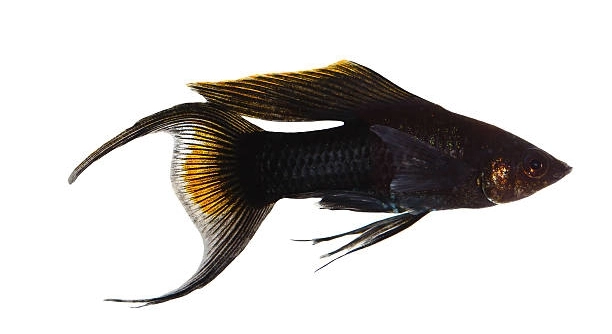
Black mollies are popular freshwater fish known for their hardiness and striking black coloration. Many owners enjoy keeping them in home aquariums, but sometimes they die unexpectedly despite proper care and routine maintenance.
Unexpected deaths in black mollies often result from overlooked environmental and biological factors. Poor water quality, sudden temperature fluctuations, overcrowding, nutritional deficiencies, parasites, stress, and incompatible tank mates are common contributors. Identifying these causes is crucial for prevention and healthier aquariums.
Recognizing these risks early helps protect your black mollies and maintain a stable, thriving aquatic environment for your fish to flourish.
Poor Water Quality
Poor water quality is a leading factor in unexpected black molly deaths. Ammonia, nitrite, and nitrate levels can build up quickly, especially in smaller tanks. Even if the tank looks clean, harmful chemicals may be present. Mollies are sensitive to pH changes, and sudden fluctuations can stress them, weakening their immune systems. Filtration, regular water changes, and monitoring are essential. Neglecting these factors can cause lethargy, loss of appetite, or sudden death. Paying attention to water clarity, temperature, and chemical balance helps prevent these issues. Many deaths are avoidable with consistent care. Fish that seem healthy one day can deteriorate rapidly without proper water maintenance. Observing behavior and tank conditions daily can provide early warning signs before problems escalate.
Maintaining clean, stable water protects your black mollies and supports their long-term health and activity levels.
Even minor lapses in water care can lead to serious health issues. Regular testing and gradual adjustments prevent shock. Observing fish behavior gives clues about water quality. Proper filtration, consistent water changes, and monitoring chemical levels create a stable environment. Black mollies thrive in well-maintained aquariums, and simple daily routines can prevent most deaths. Keeping track of temperature and pH reduces stress.
Overcrowding
Overcrowding increases stress and competition for resources, affecting black mollies’ health. Too many fish in one tank lead to poor water conditions and aggression.
When tanks are overfilled, oxygen levels drop, and ammonia builds up faster. Fish may hide more, eat less, or fight. This environment weakens immunity, making them vulnerable to disease. Overcrowding also limits swimming space, affecting natural behaviors and causing constant stress. A balanced fish-to-tank ratio ensures each molly has enough room. Adjusting the number of fish or upgrading the tank size can prevent these problems. Regular observation helps detect early signs of aggression or illness. Even minor overcrowding can reduce lifespan significantly.
Stress from overcrowding often leads to illness and sudden death. Ensuring adequate space and reducing competition helps black mollies remain active and healthy. Careful planning of tank population is essential for thriving fish.
Sudden Temperature Changes
Sudden shifts in water temperature stress black mollies and can lead to shock. Even a few degrees difference can affect their immune system, making them more vulnerable to disease or sudden death in the aquarium.
Rapid temperature changes reduce metabolic efficiency and weaken natural defenses. Mollies are tropical fish that prefer stable temperatures, usually between 75 and 82°F. When water becomes too cold or too warm, their swimming patterns slow, appetite decreases, and stress hormones rise. This stress can cause internal organ failure or make them more susceptible to infections. Avoid placing the tank near heaters, air conditioners, or windows that cause fluctuations. Gradual temperature adjustments and reliable heaters help maintain stability. Monitoring daily helps detect problems early before they escalate into fatal conditions.
Even small temperature swings affect health over time. Consistent monitoring and using a reliable heater or thermometer can prevent stress-related deaths. Gradual adjustments when needed keep the environment safe.
Nutritional Deficiencies
Black mollies require a balanced diet rich in proteins, vitamins, and minerals. Feeding only flakes or low-quality food can result in poor health and early death.
A lack of essential nutrients weakens immune function and slows growth. Mollies benefit from a mix of high-quality flake food, live or frozen foods like brine shrimp, and occasional vegetable matter. Overfeeding or underfeeding can also cause digestive problems and water pollution. Observing their behavior and physical appearance helps identify dietary issues early. Proper feeding routines prevent nutrient deficiencies and keep them active and vibrant. Rotating foods ensures they get all necessary vitamins and minerals for long-term health.
Providing a varied and balanced diet directly supports immunity and energy. Careful attention to feeding routines prevents illness and extends the lifespan of your black mollies.
Parasites and Disease
Parasites and diseases can quickly overwhelm black mollies. External parasites, like ich or flukes, irritate the skin and gills, while internal parasites affect digestion and energy. Early detection is crucial to prevent sudden death in the aquarium.
Infections spread rapidly in crowded or stressed tanks. Poor water quality and weakened immunity make mollies more vulnerable. Quarantining new fish and maintaining cleanliness help reduce risks. Treatments are available, but timing is essential. Observing changes in behavior, spots, or clamped fins allows intervention before infections worsen. Regular monitoring keeps your fish healthier and prevents fatalities from common parasites and bacterial infections.
Stress
Stress is a major factor in black molly deaths. Noise, sudden movements, or aggressive tank mates can constantly raise stress levels.
Incompatible Tank Mates
Aggressive or territorial fish can injure or intimidate black mollies, leading to stress, suppressed immunity, and even death. It is essential to choose peaceful species and monitor interactions.
Overfeeding
Overfeeding can cause obesity, poor water quality, and digestive problems in black mollies. Feeding small, measured portions prevents waste buildup and keeps fish healthy.
FAQ
What are the most common reasons black mollies die suddenly?
The most frequent causes include poor water quality, sudden temperature changes, overcrowding, nutritional deficiencies, stress, parasites, and incompatible tank mates. Each of these factors weakens their health, making them more susceptible to illness or death. Daily observation and consistent care help prevent these issues.
How can I maintain proper water quality for black mollies?
Regular water changes, testing ammonia, nitrite, nitrate, and pH levels, and using a reliable filter are key. Avoid sudden chemical changes and remove uneaten food promptly. Keeping water clean and stable supports healthy immune function and reduces stress. Gradual adjustments are safer than sudden interventions.
What temperature is ideal for black mollies?
Black mollies thrive in water between 75 and 82°F. Sudden changes outside this range can cause shock and stress. Using a thermometer and consistent heater helps maintain stable temperatures, reducing the risk of stress-related illness or sudden death.
How many black mollies should I keep in a tank?
A proper ratio is important to prevent overcrowding. Typically, one inch of fish per gallon is recommended, but larger tanks allow more space for activity. Overcrowding increases stress, reduces oxygen levels, and accelerates waste buildup, which can harm fish health.
What should I feed black mollies to prevent nutritional deficiencies?
A balanced diet includes high-quality flakes, frozen or live foods like brine shrimp, and occasional vegetable matter. Rotating food types ensures they receive all necessary vitamins and minerals. Avoid overfeeding, as it can lead to digestive problems and water quality issues.
How can I detect parasites or disease early?
Look for changes in swimming patterns, appetite, fin clamping, spots, or unusual behavior. Quarantining new fish and observing existing fish closely helps catch infections before they spread. Immediate treatment increases survival chances and prevents fatalities.
What signs indicate stress in black mollies?
Stress may appear as hiding, loss of appetite, rapid gill movement, or lethargy. Causes include aggressive tank mates, noise, poor water quality, or sudden environmental changes. Reducing stress through stable conditions and compatible companions improves overall health and longevity.
Can tank mates cause black molly deaths?
Yes, aggressive or territorial fish can injure mollies, limit access to food, or cause constant stress. Choosing peaceful species and monitoring interactions ensures a safe environment. Incompatible tank mates often lead to weakened immunity and sudden illness.
How do I prevent overfeeding issues?
Feed small portions once or twice daily and remove uneaten food. Overfeeding causes water contamination, digestive problems, and obesity. Monitoring intake and adjusting portion size as needed keeps black mollies healthy and reduces environmental stress in the tank.
Is it normal for black mollies to die despite good care?
Even with proper care, occasional deaths can happen due to age, undetected illness, or hidden stress factors. Observing behavior, maintaining water quality, feeding a balanced diet, and preventing overcrowding greatly reduce risks, allowing most mollies to thrive for years.
How often should I test the water?
Testing at least once a week is recommended. Frequent monitoring helps detect harmful chemical changes early. Immediate corrective actions prevent stress, illness, and fatalities, keeping the tank environment safe and stable for black mollies.
Can temperature swings be prevented during seasonal changes?
Yes, using heaters in colder months and avoiding direct sunlight or drafts in warmer months helps stabilize the tank. Gradual temperature adjustments reduce stress and prevent sudden health complications, allowing black mollies to maintain normal behavior and appetite.
How can I reduce stress from tank environment?
Provide hiding spots, maintain stable water conditions, limit aggressive species, and avoid sudden loud noises. Consistency in feeding and tank maintenance also minimizes stress, promoting healthier and more active black mollies.
What is the best approach for introducing new fish?
Quarantine new fish for at least two weeks to prevent disease introduction. Gradually acclimate them to the tank’s water conditions. Observing interactions before permanent introduction reduces stress and prevents injuries or infections among black mollies.
How do I know if my mollies are getting enough nutrients?
Healthy black mollies are active, display vibrant coloration, and maintain a good appetite. Slow growth, dull colors, or loss of energy may indicate nutritional deficiencies. Adjusting diet variety and quality can quickly restore health and vitality.
How long do black mollies typically live?
With proper care, black mollies can live around 3 to 5 years. Lifespan depends on water quality, diet, stress levels, and disease prevention. Consistent monitoring and attention to tank conditions increase their chances of reaching their full lifespan.
Are there signs of early illness to watch for?
Yes, watch for lethargy, abnormal swimming, loss of appetite, color fading, or fin damage. Early detection allows prompt treatment and prevents the illness from becoming fatal. Observation is key to maintaining a healthy tank.
What preventive measures ensure long-term black molly health?
Maintain stable water conditions, feed a balanced diet, prevent overcrowding, avoid incompatible tank mates, and monitor for disease. Regular tank maintenance and careful observation prevent most common causes of death. Consistency and attention to detail are essential for thriving fish.
How do I handle water changes without stressing fish?
Perform gradual water changes, replacing 20-30% at a time. Ensure new water matches temperature and pH. Avoid sudden large changes, which can shock mollies. Consistency in maintenance minimizes stress while keeping the tank clean and safe.
Can environmental enrichment reduce deaths?
Yes, adding plants, hiding spots, and open swimming areas reduces stress. A well-structured environment allows natural behaviors, improves immunity, and keeps black mollies more active and healthier over time.
Black mollies are resilient fish, but they can be surprisingly sensitive to changes in their environment. Maintaining a stable and clean aquarium is essential for their health and longevity. Water quality, temperature, and space play a critical role in preventing unexpected deaths. Even minor fluctuations in pH, ammonia, or temperature can stress mollies, weaken their immune systems, and make them more vulnerable to illness. Regular testing and monitoring help catch potential problems early, allowing corrective measures before they become serious. Providing a consistent environment creates a safe and comfortable habitat, which encourages natural behaviors and activity. Observing fish daily gives insight into their health, alerting you to early signs of stress, disease, or dietary deficiencies.
Feeding is another essential aspect of care that is sometimes overlooked. Black mollies require a balanced diet, including high-quality flake food, live or frozen protein sources, and occasional vegetables. Overfeeding can be just as harmful as underfeeding, causing digestive problems and polluting the water. Rotating food types ensures they receive necessary nutrients and vitamins for growth and energy. Nutrition directly influences immune function and overall vitality. A well-fed molly is more active, vibrant in color, and less prone to stress-related illness. Feeding routines should be consistent, providing small portions once or twice a day while removing uneaten food promptly. Diet and environment work together to create optimal living conditions.
Stress and compatibility are equally important for keeping black mollies healthy. Aggressive tank mates, overcrowding, or sudden environmental changes can have a cumulative effect on their well-being. Stress lowers resistance to disease, alters behavior, and can lead to sudden death if unaddressed. Creating a peaceful and spacious tank reduces competition, improves swimming freedom, and allows mollies to interact naturally. Providing hiding spots, plants, and open areas can reduce tension and give fish a sense of security. Quarantining new fish before introducing them to the main tank prevents disease spread and keeps the existing population safe. Attention to these details ensures a balanced, thriving environment where black mollies can live their full lifespan. With proper care, observation, and preventive measures, most unexpected deaths are avoidable, and your fish can remain healthy, active, and vibrant for years.

Hello,
If you enjoy the content that we create, please consider saying a "Thank You!" by leaving a tip.
Every little bit helps us continue crafting quality advice that supports the health, happiness, and well-being of pets around the world, for pets of all shapes, sizes, and species.
We really appreciate the kindness and support that you show us!