
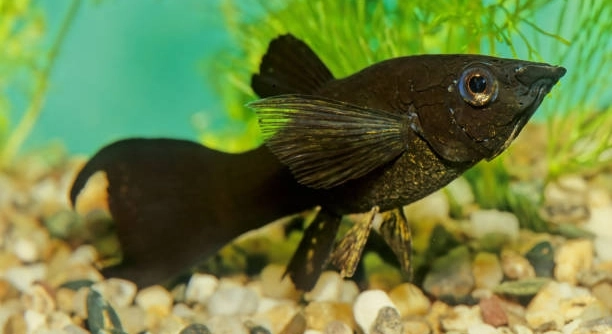
Have you ever noticed your black molly darting around the tank, creating a scene that sometimes leaves you wondering about the energy and purpose behind its constant movement among the other fish in your aquarium.
The primary reason a black molly chases other fish is territorial or dominance related, often triggered by overcrowding, stress, or mating behavior. This activity reflects its instinct to establish hierarchy, secure space, and maintain control within the shared aquatic environment.
Understanding these natural motivations helps you recognize patterns in your aquarium, creating a path toward a calmer and balanced environment.
Understanding Black Molly Behavior
Black mollies often display active and assertive behavior that can feel overwhelming when you first notice it. Their actions are shaped by natural instincts, especially when they are trying to establish their place among other fish. When a black molly begins chasing, it is usually responding to conditions within the tank that influence its comfort and security. Factors such as limited space, shifting social structure, or breeding readiness can encourage more intense behavior. Understanding these reasons helps you respond with confidence rather than worry. When you recognize the triggers behind chasing, it becomes easier to adjust your aquarium in a way that supports calm interactions. This behavior may look aggressive, but it is often a sign that something in their environment needs attention. Learning how their instincts work will help you better manage their living space, giving your fish a peaceful setting that keeps stress levels low for everyone involved.
Chasing often appears intense, yet it is typically a response to tank conditions that shape social behavior. When you understand what drives this activity, you can make small adjustments that ease tension and support steady interactions among your mollies, creating a more comfortable environment for every fish in the tank.
Recognizing the reasons your black molly behaves this way helps you create a tank that feels calmer and more balanced. By observing how your fish interact and identifying moments when chasing increases, you gain a clearer picture of what needs attention. Sometimes the solution is as simple as increasing space or improving water quality, while other times it may involve adjusting tankmates. Each small change supports a healthier atmosphere, allowing your mollies to settle into routines that feel natural and less stressful. With consistency and gentle care, you can guide your aquarium toward a smoother and more peaceful rhythm daily.
How to Reduce Chasing in the Tank
Reducing chasing starts with understanding what affects your mollies each day. When you correct the conditions that stir tension, their interactions become more relaxed. Simple improvements like increasing swimming space or balancing the group can help your fish settle into a calmer pattern that feels steadier for the entire tank.
Creating a comfortable environment for your mollies begins with evaluating the space they share. A tank that is too small increases stress, which often leads to more chasing as fish struggle to claim areas they feel are necessary for comfort. Providing adequate room allows each molly to swim with less pressure from others. Maintaining clean water is equally important, since poor water quality raises tension and disrupts normal behavior. Regular water changes, proper filtration, and avoiding overfeeding help keep conditions steady. Selecting compatible tankmates also plays a key role, since fish with mismatched temperaments can provoke unwanted reactions. When you introduce new fish, monitoring their interactions can prevent ongoing issues. Adding plants or decorations gives your mollies places to rest, hide, and separate when needed, reducing direct confrontation. Observing your fish consistently helps you notice subtle shifts in behavior that signal developing problems. Addressing these signals early means your mollies experience fewer stressful encounters. Each thoughtful adjustment contributes to a more peaceful atmosphere, helping your fish maintain balanced social behavior that feels natural within their environment. This steady balance supports healthy activity levels and encourages smoother interactions that remain consistent throughout their daily routines in the tank every single day.
Signs of Stress in Black Mollies
Stress in black mollies shows through restless swimming, frequent hiding, or sudden changes in activity. These signals often appear when the tank environment feels unstable. Watching for these behaviors helps you understand when your molly needs adjustments that support a calmer and steadier routine.
Identifying stress early makes it easier to protect your molly from escalating issues. When a fish becomes tense, it may begin darting around the tank or avoiding other fish more than usual. These actions often reflect discomfort caused by overcrowding, poor water quality, or sudden changes in the environment. Paying close attention to eating habits also helps, since a stressed molly may lose interest in food. Subtle shifts in color or posture can appear when the fish feels overwhelmed. Addressing these signs promptly allows you to make gentle improvements that help your molly return to a steady and relaxed pattern.
Once you understand how your molly reacts to stress, supporting its needs becomes much simpler. Providing enough space encourages smoother swimming patterns, which helps ease tension. Improving water conditions reduces pressure on your fish, allowing it to recover naturally. Offering plants or hiding spots gives your molly a place to retreat when it feels uneasy. Consistent observation helps you recognize small changes that hint at growing discomfort. Taking action at the right moment prevents stress from turning into ongoing behavioral problems. With steady care, your molly regains confidence in its surroundings, allowing it to move through the tank with comfortable and balanced energy.
When Chasing Becomes a Problem
Chasing becomes concerning when it disrupts the daily harmony of the tank. If the behavior leads to visible tension or repeated targeting of the same fish, the environment may need careful adjustments to help restore balance and prevent unnecessary strain within the group.
A black molly that chases excessively often signals that something in the tank is out of balance. When one fish begins to dominate interactions, it can create an unstable environment that affects the comfort of every fish nearby. Evaluating tank size, water conditions, and group structure helps you identify the cause. Sometimes the issue comes from too many males competing for space or attention, while other times it stems from a lack of hiding areas. Observing how your mollies interact over time allows you to spot patterns that reveal deeper concerns. By making gradual adjustments, you can guide the tank toward steadier behavior, helping your mollies feel secure and supported within their shared space.
Environmental Factors That Trigger Chasing
Changes in the tank environment often influence how a black molly behaves. Limited swimming space, unstable water parameters, or sudden shifts in temperature can increase tension. When the environment feels inconsistent, your molly may react with more chasing, trying to regain a sense of stability and control.
Small improvements in the environment often reduce this behavior. Maintaining steady water conditions, reducing clutter, and keeping the tank clean encourages smoother interactions. When your molly feels comfortable in its surroundings, it reacts with calmer movement. These simple adjustments help your fish stay relaxed and less likely to chase others unnecessarily.
Balancing Social Dynamics in the Tank
Social structure plays a strong role in how your mollies behave each day. When too many males share a small space, competition increases and chasing becomes more frequent. A balanced ratio of males to females helps create steadier interactions, reducing tension within the group. Adding plants or decorations allows each fish to claim a comfortable area without pressuring others. Observing how your mollies interact helps you recognize when certain pairings or groupings create stress. Making small changes to the group’s composition encourages a calmer environment where each fish can move freely at its own pace. This balance supports healthy habits and reduces the chances of ongoing conflict in the tank.
When to Separate Fish
If chasing continues despite improvements to the environment and group structure, separating the aggressive molly may be necessary. A temporary divide allows the stressed fish to settle, giving the rest of the tank a chance to regain balance and maintain peaceful daily interactions.
FAQ
Why does my black molly chase only certain fish?
A black molly often targets specific fish when it senses a shift in social balance. It may feel the need to secure its place or respond to a particular fish that appears weaker or newly introduced. This focused behavior usually reflects stress or competition within the tank.
Is chasing always aggressive behavior?
Chasing is not always aggressive. It can be related to mating, establishing space, or reacting to environmental changes. While it may look intense, it often serves as a natural way for mollies to communicate their needs. Only frequent, forceful chasing indicates a deeper concern.
Can a black molly injure other fish through chasing?
It is possible, especially when the behavior becomes repetitive and forceful. Continuous pressure can exhaust other fish, limiting their ability to eat or rest. Over time, this stress may weaken their immune system. Monitoring interactions helps prevent harm and allows you to intervene early if needed.
What tank size is best to reduce chasing?
A larger tank gives mollies more swimming space and reduces competition. A minimum of 20 gallons works well for small groups, while larger setups encourage calmer interactions. Adequate space allows each fish to claim an area without constant overlap that triggers unwanted chasing.
Does water quality affect chasing behavior?
Poor water quality increases stress, which often leads to more intense chasing. Ammonia spikes, high nitrates, or sudden changes in temperature create discomfort. Keeping the water clean and stable encourages steady swimming patterns and reduces the urge to dominate or control other fish.
How does gender ratio influence chasing?
Too many males in a small group can lead to constant competition. A balanced ratio, such as one male for every two or three females, reduces pressure within the tank. When males do not feel the need to compete constantly, chasing naturally decreases.
Do decorations or plants help reduce chasing?
Decorations, caves, and plants create hiding spaces that help mollies feel secure. These small retreats reduce direct confrontation by giving fish a place to escape or rest. Well placed structures also break up sightlines, lowering the chances of one molly following another continuously.
Is chasing related to breeding behavior?
Yes, males often chase females during breeding periods. This behavior can be persistent, especially when the male feels ready to mate. Ensuring enough females are present spreads the attention. Extra hiding spots help females rest and avoid constant pursuit when they need space.
Should I isolate the aggressive molly?
Isolation can help when chasing becomes excessive. A short separation period allows the aggressive molly to settle and gives other fish time to relax. Reintroducing it slowly after conditions improve may help restore balance without causing new tension among the group.
How do I know if my molly is stressed or sick instead of aggressive?
A stressed or sick molly may show signs like hiding, decreased appetite, faded colors, or erratic movement. If chasing is paired with these symptoms, stress or illness is more likely. Addressing water quality and observing behavior closely helps determine the right response.
Can overcrowding cause more chasing?
Yes, overcrowding encourages constant pressure among fish. When space is limited, mollies feel the need to secure areas and protect access to food. Reducing the number of fish or upgrading to a larger tank eases tension and allows each molly to move comfortably.
Why does chasing increase after adding new fish?
New fish disrupt the tank’s social structure. Your molly may chase to reestablish order or protect familiar territory. This reaction is common and typically fades once the group settles. Adding new fish slowly and monitoring early interactions helps keep stress levels low.
How long does it take for chasing to calm down after changes?
Chasing often decreases within a few days once the environment feels stable again. Some mollies adjust quickly, while others need more time. Consistent care, steady water conditions, and proper space support smoother transitions and help your fish return to balanced behavior.
Black mollies are naturally active and social fish, and chasing is often a part of how they interact with their tankmates. While it may look alarming at first, this behavior is usually linked to instinct rather than true aggression. Understanding why your black molly chases the others can help you respond calmly and make adjustments that improve the overall atmosphere in the tank. Observing their daily patterns and interactions gives insight into what triggers the chasing, whether it is competition for space, mating behavior, or reactions to sudden changes in the environment. Recognizing these factors is the first step toward maintaining a peaceful and healthy aquarium. Over time, paying attention to your fish’s behavior allows you to create a consistent routine that supports calmer interactions and reduces unnecessary stress for all the fish in the tank.
Making changes to the tank environment can greatly reduce chasing behavior. Providing sufficient swimming space allows each molly to establish its own area without feeling threatened by others. Adding plants, decorations, and hiding spots gives them places to retreat and rest when needed, helping to break up direct lines of sight that may trigger chasing. Water quality is equally important, as poor conditions can increase tension among fish. Regular water changes, proper filtration, and stable temperatures support a healthy environment, which in turn encourages smoother interactions. Balancing the number of males and females in the tank also plays a critical role in reducing stress and competition. A well-considered setup ensures that your mollies can move freely, maintain natural social behaviors, and coexist without constant conflict.
Patience and observation are essential when managing chasing behavior. Not all instances require intervention, but monitoring your fish regularly helps you detect early signs of stress or tension. Temporary separation may be necessary in some cases, especially if one molly’s chasing becomes persistent or aggressive. With consistent care, environmental adjustments, and attention to social balance, your mollies will gradually settle into calmer patterns. Each small improvement contributes to a healthier, more comfortable tank, allowing all fish to swim with confidence and security. By understanding their behavior and making thoughtful adjustments, you can maintain an aquarium that feels balanced, stable, and safe for your black mollies and their tankmates.

Hello,
If you enjoy the content that we create, please consider saying a "Thank You!" by leaving a tip.
Every little bit helps us continue crafting quality advice that supports the health, happiness, and well-being of pets around the world, for pets of all shapes, sizes, and species.
We really appreciate the kindness and support that you show us!