
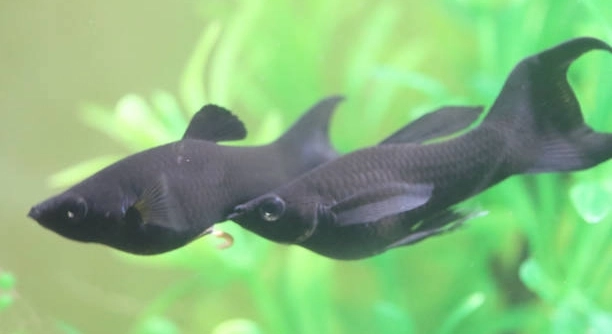
Black Mollies are popular freshwater fish that brighten up aquariums with their dark, shiny scales. Sometimes, these lively fish may act strangely, swimming in odd patterns or appearing confused in their surroundings.
Black Mollies may appear disoriented due to water quality issues, sudden changes in environment, or internal health problems. Poor water parameters, lack of oxygen, or infections can all disrupt their balance and normal swimming behavior.
Observing your Mollies closely can help identify underlying problems and ensure they remain healthy and active in your tank.
Common Causes of Disorientation in Black Mollies
Black Mollies can become disoriented for several straightforward reasons. One of the main factors is water quality. High levels of ammonia, nitrites, or nitrates can irritate their gills and affect their nervous system. Temperature changes that happen too quickly may also confuse them. Even slight fluctuations can cause stress. Overcrowding in the tank may restrict movement and create tension among fish, leading to erratic swimming. Poor diet or sudden changes in feeding can weaken them, making them less coordinated. Some Mollies are also prone to swim bladder issues, which affect their buoyancy. Injuries or infections can add to the problem. Observing them daily helps catch signs early. Proper filtration, regular water testing, and maintaining a stable environment prevent many of these problems. Balanced feeding and avoiding sudden changes in water conditions keep Black Mollies swimming normally and happily.
Monitoring your tank regularly ensures your Black Mollies stay healthy and reduces sudden disorientation events.
Keeping the water clean and maintaining steady conditions helps prevent stress. This simple care routine improves their overall well-being and keeps swimming patterns smooth and predictable.
Health and Nutritional Factors
Diet directly impacts a Black Molly’s balance and energy. A lack of essential nutrients can make them weak or sluggish.
Proper nutrition includes high-quality flake or pellet foods, supplemented with live or frozen options. Feeding them small amounts multiple times a day avoids overfeeding and prevents digestive issues that could affect buoyancy. Vitamins and minerals support a strong immune system, helping them resist infections. Sudden diet changes can shock their system, causing temporary disorientation. Observing how they respond to different foods helps you adjust their diet effectively. Some Mollies develop swim bladder problems due to improper feeding or underlying health conditions. Regularly alternating food types keeps them active and balanced. Combined with clean water and stable tank conditions, good nutrition allows Black Mollies to swim confidently and display natural behaviors without confusion or erratic movements. A consistent approach to feeding and monitoring health creates a stable, thriving environment for them.
Environmental Stressors
Sudden changes in water temperature or pH can quickly stress Black Mollies. Strong currents or loud vibrations nearby may also make them swim erratically.
Black Mollies are sensitive to their surroundings. Moving the tank, adding new decorations, or even changing the lighting can cause them to feel insecure. Stress can make them dart around, bump into objects, or linger near the surface. Overcrowding increases competition for space, causing tension and unusual swimming patterns. Even harmless tank mates that are overly active may intimidate them. Ensuring stable conditions, avoiding sudden changes, and providing hiding spots can reduce these behaviors. A calm, predictable environment allows Mollies to swim smoothly and act normally without unnecessary confusion.
Providing stable water temperature, gentle filtration, and quiet surroundings helps Black Mollies feel safe. Regular monitoring prevents sudden stress-related behavior, keeping them active and healthy in the long term.
Disease and Infection
Internal infections can affect a Black Molly’s balance and swimming ability. Common issues include bacterial or parasitic infections that impact the nervous system or swim bladder.
Early signs of infection may include lethargy, clamped fins, or unusual spots on the body. Swim bladder disease can result from constipation, injury, or bacterial infection, causing the fish to float sideways or sink unexpectedly. Prompt treatment with medicated foods or water treatments can prevent worsening. Quarantining new fish before adding them to the main tank reduces risk. Regular observation, maintaining clean water, and ensuring proper nutrition all support disease prevention. Recognizing symptoms early gives you a better chance of restoring their health.
Neglecting small health issues can escalate quickly, making recovery harder. Consistent care, careful feeding, and keeping the tank environment optimal are key to preventing long-term disorientation caused by illness.
Tank Setup Issues
Poor tank setup can make Black Mollies appear confused. Sharp decorations or overcrowding can disrupt their swimming and create stress.
Inadequate hiding spots or sudden changes in layout may also cause erratic behavior. Properly spaced plants and gentle filtration help them navigate comfortably and feel secure.
Water Quality Maintenance
Regular water testing is essential. Ammonia, nitrite, and nitrate levels must stay within safe limits to prevent stress and disorientation. Cleaning filters and performing partial water changes supports stable conditions. Black Mollies respond quickly to water quality improvements, showing smoother swimming patterns when their environment is balanced.
Observing Behavior
Noticing subtle changes in swimming, feeding, or social interaction helps detect problems early. Consistent observation ensures timely action to maintain Black Mollies’ health and balance in the tank.
FAQ
Why does my Black Molly swim in circles?
Swimming in circles is often linked to swim bladder problems or stress. Swim bladder issues can stem from overfeeding, constipation, or bacterial infections. Stress may come from sudden changes in water temperature, pH, or tank layout. Ensuring proper diet, stable water conditions, and providing hiding spots can help your Molly regain normal swimming patterns.
Can poor water quality make my Black Molly disoriented?
Yes, high levels of ammonia, nitrites, or nitrates irritate gills and affect their nervous system. Low oxygen levels or inconsistent temperatures also contribute to erratic swimming. Frequent water testing, partial water changes, and maintaining a stable temperature and pH help prevent these issues.
Could my Black Molly be sick if it appears confused?
Disorientation can indicate underlying illness. Common causes include bacterial or parasitic infections, swim bladder disease, or internal parasites. Early signs include lethargy, clamped fins, loss of appetite, and unusual spots. Prompt treatment with medications or medicated food improves recovery chances. Quarantining new fish also reduces infection risk.
How can diet affect my Black Molly’s balance?
An unbalanced diet weakens their system, making swimming irregular. Overfeeding or sudden changes in food can cause constipation and swim bladder problems. Feeding small, frequent meals with high-quality flake or pellet food, along with occasional live or frozen foods, supports strong muscles and buoyancy.
Do tank mates influence my Black Molly’s behavior?
Yes, aggressive or overly active fish can stress Black Mollies. Overcrowding or incompatible species may make them hide or swim erratically. Providing ample space, calm tank mates, and hiding spots reduces stress and encourages natural swimming behaviors.
Can temperature changes cause disorientation?
Sudden shifts in water temperature disrupt metabolism and swimming ability. Even a few degrees difference can stress them. Maintaining a consistent temperature with a reliable heater and monitoring daily prevents confusion and erratic movements.
Is swim bladder disease common in Black Mollies?
Yes, it is fairly common. It can result from overfeeding, constipation, bacterial infections, or genetic factors. Symptoms include floating sideways, sinking, or difficulty swimming. Adjusting feeding habits, treating infections, and monitoring water quality helps manage this condition.
How do I know if my Black Molly is stressed?
Signs include erratic swimming, hiding, clamped fins, or loss of appetite. Stress often arises from sudden changes, poor water quality, overcrowding, or incompatible tank mates. Observing them daily and maintaining a calm environment reduces stress and prevents long-term disorientation.
Can cleaning the tank too much harm my Black Molly?
Over-cleaning can remove beneficial bacteria and destabilize water chemistry. Partial water changes, gentle filter cleaning, and careful handling preserve a balanced environment. Maintaining proper cleanliness while avoiding sudden, drastic changes supports consistent behavior and health.
What is the quickest way to help a disoriented Black Molly?
First, check water parameters, temperature, and oxygen levels. Adjust as needed and ensure the tank is calm. Evaluate diet, reduce stressors, and observe for signs of illness. Isolating the affected fish in a quarantine tank may be necessary if an infection is suspected.
How often should I monitor my Black Mollies?
Daily observation is best. Watch for changes in swimming, feeding, and interactions. Regular checks allow early detection of stress, illness, or water issues. Consistent monitoring combined with stable care ensures Mollies remain healthy and swim normally.
Can overfeeding cause disorientation?
Yes, overfeeding can lead to constipation, swim bladder issues, and sluggish swimming. Small, controlled meals and a varied diet prevent these problems, keeping your Black Mollies active and balanced in the tank.
Are there long-term effects of repeated disorientation?
Chronic stress or recurring illness can weaken immunity, stunt growth, and affect reproduction. Maintaining good water quality, proper diet, and a calm environment prevents long-term health problems and helps Mollies thrive over time.
Do decorations or tank layout affect behavior?
Yes, sharp objects, cluttered spaces, or sudden changes in layout can confuse Black Mollies. Adequate open swimming areas, gentle filtration, and stable decorations reduce stress and encourage smooth swimming.
Can I prevent disorientation entirely?
While minor disorientation may happen occasionally, consistent care minimizes risk. Stable water conditions, proper nutrition, compatible tank mates, and stress-free environments greatly reduce instances of confused swimming. Early detection and intervention improve recovery and long-term health.
Is quarantine necessary for new Black Mollies?
Quarantining new fish helps prevent the introduction of diseases, parasites, or stress to existing Mollies. Observing them separately for a few weeks ensures they are healthy before adding them to the main tank.
How does oxygen level impact swimming behavior?
Low oxygen makes Black Mollies lethargic or disoriented. Ensure proper aeration through filters, air stones, or plants. Maintaining oxygen-rich water supports energy, coordination, and normal swimming activity.
What signs indicate swim bladder recovery?
Improved buoyancy, upright swimming, regular feeding, and reduced erratic movements indicate recovery. Continued care, including diet adjustments and water monitoring, supports full restoration of swimming ability.
Can I use medication without knowing the cause?
Using medication without diagnosis can harm Mollies or worsen conditions. Observing symptoms, testing water quality, and consulting guidance ensures safe, effective treatment tailored to the issue.
Does age affect disorientation?
Older Mollies may be more prone to swim bladder issues or slower recovery from stress. Younger fish generally adapt quicker, but proper care remains essential for all ages.
What role does tank size play in behavior?
Small or overcrowded tanks limit swimming space and increase stress. Larger tanks with sufficient swimming areas and hiding spots reduce disorientation and encourage natural, healthy behavior.
Can stress cause long-term behavioral changes?
Yes, repeated stress may lead to persistent hiding, erratic swimming, or reduced appetite. Maintaining calm, stable conditions and proper care prevents lasting effects and promotes normal behavior.
How often should I feed Black Mollies?
Feeding two to three small meals daily helps maintain energy and prevents digestive issues. Avoid overfeeding to reduce the risk of swim bladder problems and disorientation.
Are some Black Mollies more prone to disorientation?
Genetic factors, age, and individual health can make some fish more susceptible. Careful monitoring and consistent tank conditions help reduce the likelihood of repeated disorientation events.
How quickly can disoriented Mollies recover?
Recovery depends on the cause. Minor stress or temporary water issues may resolve within hours, while swim bladder problems or infections can take days or weeks. Prompt action and proper care speed up recovery and restore normal swimming.
Can adding plants improve behavior?
Yes, live or artificial plants provide hiding spots and reduce stress. They help Mollies feel secure, allowing smoother swimming and more confident exploration of the tank.
Is it normal for Black Mollies to occasionally appear confused?
Occasional disorientation may happen due to minor environmental changes or temporary stress. Consistent observation and proper care prevent frequent episodes and maintain healthy behavior.
How do I prevent future disorientation?
Maintain stable water quality, a balanced diet, calm surroundings, and compatible tank mates. Regular observation and prompt response to early signs keep Black Mollies healthy and swimming normally.
What are the signs that stress is reducing?
Active swimming, regular feeding, upright posture, and social interaction indicate lower stress levels. Consistent care reinforces a stable environment, allowing Mollies to regain confidence and normal behavior.
Are live foods better than flakes for reducing disorientation?
Live foods provide enrichment, improve digestion, and encourage natural hunting behavior. They can help strengthen muscles and coordination, supporting better balance and overall activity in Black Mollies.
Does water hardness affect swimming?
Extreme hardness or softness can stress Black Mollies, leading to erratic swimming. Maintaining a moderate, stable hardness level supports comfort, health, and smooth swimming patterns.
How important is tank lighting?
Proper lighting establishes a natural day-night cycle. Sudden or overly bright lights can stress fish, causing disorientation. Consistent, gentle lighting supports natural behavior and reduces stress-related swimming issues.
What is the role of quarantine in preventing disorientation?
Quarantine prevents new fish from introducing stress, disease, or parasites. Observing them separately ensures they are healthy, reducing the risk of disorientation in the main tank population.
Can seasonal changes affect Mollies?
Yes, changes in room temperature or lighting due to seasons can affect water stability, stressing Mollies and temporarily impacting swimming patterns. Maintaining consistent tank conditions mitigates these effects.
How do I balance treatment with minimal stress?
Administer medication or adjustments gently, avoid sudden water changes, and maintain calm surroundings. Minimizing handling and disturbances reduces stress and improves the effectiveness of treatment.
Is disorientation always a sign of a serious problem?
Not always. Temporary stress, minor water fluctuations, or brief dietary issues may cause short-term disorientation. Monitoring and correcting conditions quickly usually restores normal behavior without serious complications.
How long should I observe a new fish before adding it to the tank?
A quarantine period of two to three weeks allows you to detect illness, stress, or parasites. Only add healthy, stable fish to the main tank to prevent disorientation in existing Mollies.
Can multiple small issues combine to cause disorientation?
Yes, low-level stressors such as mild water quality changes, minor dietary issues, and crowded space can add up. Consistent care across all areas prevents cumulative effects that lead to disoriented behavior.
How does water flow impact behavior?
Strong currents may tire or confuse Mollies, while stagnant water reduces oxygen. Gentle, steady water flow keeps them comfortable and helps maintain regular swimming patterns.
Should I isolate a disoriented fish?
Isolation can help if illness or injury is suspected. A small quarantine tank allows monitoring, easier treatment, and protection from stress caused by tank mates.
How can I make long-term care easier?
Routine observation, stable water quality, consistent feeding, and careful tank management simplify care. Establishing habits early helps prevent stress, illness, and repeated disorientation in Black Mollies.
Can disorientation affect feeding behavior?
Yes, confused or stressed Mollies may eat less or miss food. Ensuring calm conditions and proper diet encourages regular feeding and supports recovery.
Do Black Mollies recover fully from swim bladder issues?
With proper care, diet adjustments, and treatment of underlying causes, most Mollies recover fully. Recovery may take several days to weeks depending on severity and consistency of care.
What is the best overall prevention strategy?
Stable water conditions, balanced diet, compatible tank mates, proper tank size, gentle filtration, and consistent observation minimize disorientation. Addressing small issues early ensures healthy, confident swimming behavior over time.
Are there signs that indicate permanent damage?
Persistent floating, inability to swim upright, or continuous lethargy after treatment may suggest lasting effects. Long-term monitoring and care are essential to support quality of life.
How do I maintain consistency in daily care?
Set a routine for feeding, water testing, cleaning, and observation. Consistent timing and methods reduce stress and keep Black Mollies active, healthy, and balanced in the tank.
Can environmental enrichment help prevent disorientation?
Yes, plants, gentle currents, and varied hiding spots provide stimulation and security. Enrichment supports natural behavior, reduces stress, and encourages steady swimming patterns.
Do all Black Mollies respond the same way to stress?
Individual fish vary. Genetics, age, and personality influence responses. Observing each fish and adjusting care based on behavior ensures the best outcomes for all tank inhabitants.
How important is patience in recovery?
Recovery can take time, especially with swim bladder issues or infections. Gradual improvements and consistent care are more effective than rapid, drastic changes, allowing Mollies to regain full mobility and health.
What should I do if disorientation persists?
Reassess water quality, diet, tank mates, and illness potential. Seek advice from experienced hobbyists or aquatic veterinarians. Persistent disorientation signals the need for careful intervention to ensure health and survival.
Can changing tank location help?
Moving the tank can add stress. Only adjust location if necessary, and do so gradually. Maintaining a stable environment is more important than frequent repositioning for overall well-being.
Is it normal for some Mollies to recover faster than others?
Yes, younger or healthier fish may recover quickly. Older or weaker fish take longer. Consistent care and observation ensure all fish have the best chance for full recovery.
Can multiple Black Mollies show disorientation at the same time?
Yes, if water conditions, temperature, or diet affect the whole tank. Regular monitoring and prompt correction prevent widespread issues and maintain a stable, healthy environment.
Does light schedule affect recovery?
Yes, a consistent day-night cycle reduces stress and supports natural behavior. Avoid sudden bright lights or extended darkness during recovery.
How do I know if recovery is complete?
Normal swimming, regular feeding, social interaction, and absence of unusual behaviors indicate recovery. Continue observing to ensure the fish remains stable and healthy.
Can I prevent disorientation by choosing certain Black Molly strains?
Some strains may be more resilient, but care, environment, and diet remain the main factors. Choosing healthy, well-bred fish reduces risk, but proper tank management is essential.
Are disorientation episodes always visible?
Not always. Mild confusion may go unnoticed. Observing daily behaviors closely helps detect subtle issues before they escalate.
Does quarantine duration affect risk?
Longer quarantine periods increase the chance of detecting illness or stress in new fish. Two to three weeks is usually sufficient for safe introduction.
Can enrichment reduce stress after illness?
Yes, providing plants, hiding spots, and gentle currents supports confidence, reduces stress, and encourages normal swimming patterns during recovery.
Is water hardness or pH more important for preventing disorientation?
Both matter. Extreme pH or hardness levels stress Black Mollies. Maintaining moderate, stable levels prevents erratic swimming and supports overall health.
How do I maintain a calm tank environment?
Limit sudden changes, avoid aggressive fish, provide hiding spaces, and use gentle filtration. Consistent, stable conditions help Mollies swim confidently and reduce disorientation.
Can disorientation lead to long-term stress?
Yes, repeated episodes can weaken immunity and behavior. Consistent care, observation, and quick response to stress prevent long-term consequences and maintain healthy Mollies.
Is weekly water testing enough?
Weekly testing works for stable tanks, but more frequent checks may be needed if issues arise. Regular monitoring ensures safe, balanced conditions and reduces disorientation risks.
Do live plants or decorations improve mental stimulation?
Yes, they create hiding spots, mimic natural environments, and reduce boredom. A mentally stimulating tank encourages steady swimming and reduces stress-induced disorientation.
Can temperature swings overnight cause disorientation?
Yes, sudden drops or spikes affect metabolism and swimming. Using a heater or monitoring room temperature helps maintain stability and prevent confusion.
How important is gentle water flow for swimming recovery?
Gentle currents provide exercise without tiring fish. Balanced water movement helps Mollies regain coordination and prevents stress from strong flows.
Should I adjust feeding during illness or stress?
Yes, smaller, frequent meals reduce constipation risk and support digestion. Adjusting diet during illness improves recovery and prevents swim bladder problems.
Can isolation reduce risk for other fish?
Yes, isolating a disoriented or sick fish prevents spread of disease, reduces stress in tank mates, and allows targeted care without interference.
Do tank size and shape matter for swimming?
Yes, larger tanks with ample swimming space reduce stress, support exercise, and prevent collisions. Shallow or overcrowded tanks increase disorientation risk.
Can mild disorientation self-correct?
Occasionally, minor stress or temporary water fluctuations may resolve naturally. Still, consistent care and observation help ensure full recovery and prevent worsening issues.
How do I track improvements effectively?
Keep notes on swimming, feeding, and interactions daily. Documenting changes helps identify triggers, evaluate recovery, and adjust care strategies efficiently.
Is it normal for some Mollies to remain cautious after stress?
Yes, some fish stay wary or hide longer. Consistent calm care and gradual environmental stability help them regain confidence over time.
How do I balance multiple care priorities?
Prioritize water quality, diet, and stress reduction first. Observe, adjust, and address minor issues before they accumulate, ensuring overall tank health and stable behavior.
Can seasonal room changes disrupt Mollies?
Yes, temperature, lighting, and humidity shifts may temporarily confuse them. Maintaining tank stability mitigates seasonal impacts and preserves normal swimming behavior.
Is patience the key to long-term recovery?
Yes, recovery takes time. Gentle handling, consistent care, and observation gradually restore health, swimming ability, and confidence in Black Mollies.
Are there signs that indicate relapse risk?
Recurring erratic swimming, clamped fins, or loss of appetite signal potential relapse. Continued observation and proactive care help prevent repeated disorientation episodes.
How can I simplify ongoing care?
Set routines for feeding, cleaning, water testing, and observation. Predictable care minimizes stress, prevents problems, and maintains healthy Mollies with steady swimming patterns.
Does quarantine remove all risks?
Quarantine reduces but does not eliminate risk. Continuous monitoring, proper care, and maintaining stable tank conditions remain essential for preventing disorientation.
How do I know when to consult an expert?
If disorientation persists despite stable conditions, or if multiple fish show symptoms, professional advice ensures correct diagnosis and treatment. Prompt consultation improves recovery chances.
Can adding more hiding spots help stressed Mollies?
Yes, additional hiding places reduce stress, increase confidence, and encourage smoother swimming. Balanced environments support both physical and mental health.
Do Black Mollies adapt over time?
Yes, they become accustomed to stable conditions and predictable routines. Gradual adaptation reduces stress and supports confident, balanced swimming behaviors.
How important is observation during feeding?
Monitoring eating habits helps detect early signs of illness or stress. Adjusting diet or feeding method can prevent swim bladder issues and disorientation.
Can overhandling worsen disorientation?
Yes, frequent or rough handling increases stress and may prolong erratic swimming. Gentle, minimal interaction is best during recovery and observation periods.
What are the best preventive steps overall?
Maintain water quality, feed a balanced diet, provide space and hiding spots, avoid aggressive tank mates, monitor daily, and respond promptly to stress or illness. Consistency ensures Black Mollies stay healthy and swim confidently.
Does water temperature variation affect recovery speed?
Yes, stable temperatures support metabolism, digestion, and swimming recovery. Sudden fluctuations slow healing and may worsen disorientation, making consistent temperature essential.
Can partial water changes help during disorientation?
Yes, small, controlled changes improve water quality without shocking the fish. Gradual adjustments reduce
Black Mollies are beautiful and lively fish, but they can sometimes show signs of disorientation that worry aquarium owners. This behavior is usually a signal that something in their environment, diet, or health needs attention. It is important to remember that disorientation is not always a sign of a serious problem, but it should never be ignored. Observing your fish carefully every day can help identify small issues before they become bigger. Paying attention to their swimming patterns, appetite, and interactions with other fish allows you to respond quickly and make necessary adjustments in their tank. Even small changes in water temperature, pH, or tank setup can have an impact on their comfort and behavior.
Maintaining stable water quality is one of the most effective ways to prevent disorientation. Black Mollies are sensitive to ammonia, nitrite, and nitrate levels, as well as oxygen content. Regular water testing and partial water changes are key steps in keeping the tank balanced. It is also important to keep the temperature consistent and avoid sudden changes that could stress the fish. Overcrowding should be avoided, as too many fish in a small space can create tension and cause erratic swimming. Tank decorations and plants should be arranged so the fish have clear swimming paths and safe hiding spots. Even minor adjustments to the environment can make a big difference in how confident and relaxed your Mollies feel. A calm and predictable environment reduces stress and supports normal swimming behavior over time.
Nutrition and overall health also play a major role in preventing disorientation. A balanced diet that includes high-quality flakes or pellets, along with occasional live or frozen foods, supports strong muscles, proper digestion, and swim bladder health. Overfeeding or sudden changes in diet can lead to digestive issues that affect balance, so feeding small portions multiple times a day is recommended. Observing the fish during feeding helps identify any early signs of illness or stress. Swim bladder problems, infections, or parasites can also cause disorientation, so monitoring for symptoms like clamped fins, lethargy, or unusual spots is important. Addressing health concerns quickly and maintaining consistent care will improve recovery and help your Black Mollies remain active, confident, and healthy in their tank for the long term.

Hello,
If you enjoy the content that we create, please consider saying a "Thank You!" by leaving a tip.
Every little bit helps us continue crafting quality advice that supports the health, happiness, and well-being of pets around the world, for pets of all shapes, sizes, and species.
We really appreciate the kindness and support that you show us!