
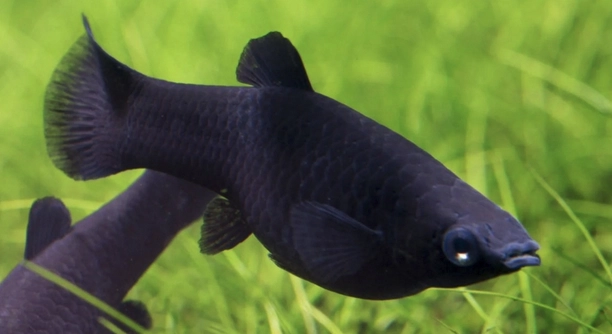
Caring for Black Molly fish can be both rewarding and calming. These lively freshwater fish thrive in well-maintained tanks. Ensuring a peaceful environment requires attention to water quality, tankmates, and proper feeding routines for their overall wellbeing.
Maintaining a peaceful Black Molly tank involves providing adequate space, stable water parameters, compatible tankmates, proper nutrition, regular cleaning, enrichment, and monitoring fish behavior. Implementing these practices reduces stress, promotes health, and supports a harmonious aquatic community.
Following these guidelines will help you create a stable and comfortable home for your Black Mollies, ensuring they remain active, healthy, and peaceful.
Choosing the Right Tank Size
A proper tank size is essential for a peaceful Black Molly community. These fish are active swimmers, so they need space to move freely. A minimum of 20 gallons is recommended for a small group, but larger tanks are better for multiple mollies. Overcrowding can lead to aggression, stress, and health problems. Keeping the tank lightly decorated with open swimming areas encourages natural behavior. Plants, rocks, and gentle hiding spots help fish feel secure without limiting space. Filtration must be strong enough to maintain clean water but gentle to avoid strong currents. Regular water testing is important to monitor ammonia, nitrites, and nitrates, as Black Mollies are sensitive to water quality fluctuations. Maintaining a consistent temperature between 72–78°F supports overall health. Paying attention to both size and environment prevents tension between tankmates, ensuring that all fish remain calm and display normal behavior patterns in a shared tank.
Proper tank size creates a comfortable environment and helps prevent conflicts while keeping water quality stable for the mollies.
Providing enough room in the tank allows mollies to swim freely, reduces stress, and encourages natural social interactions. It also makes cleaning and maintenance easier. A spacious tank minimizes territorial disputes and keeps dominant fish from bullying smaller ones. When adding plants or décor, leave plenty of open areas for swimming. Filtration systems work more efficiently in appropriately sized tanks, reducing waste buildup and harmful chemical fluctuations. Consistent temperature and water quality improve immunity and reduce susceptibility to disease. Overall, the right tank size directly impacts the health, behavior, and longevity of your Black Mollies, making it a crucial factor for a peaceful and thriving aquatic environment.
Selecting Compatible Tankmates
Choosing tankmates requires care. Black Mollies do best with other peaceful, similar-sized fish. Aggressive or fin-nipping species can stress mollies and disrupt tank harmony.
Compatible tankmates such as platies, guppies, and tetras coexist peacefully with mollies. Avoid large or territorial fish that may intimidate them.
Ensuring compatibility means observing behavior closely after introducing new fish. Introducing one or two at a time allows you to monitor interactions without overwhelming the tank. Different species have varying water parameter requirements, so selecting fish with similar pH and temperature preferences is essential. Mixing male and female mollies should be balanced to prevent excessive breeding stress. Adding tankmates gradually and providing ample hiding spots reduces conflicts. Even peaceful species can become stressed in overcrowded conditions or if territorial boundaries are limited. By carefully planning tank composition, you maintain a calm and stable environment. Black Mollies thrive when they share space with compatible, non-aggressive fish, which promotes activity, feeding, and social behaviors without causing tension in the tank.
Maintaining Water Quality
Regular water changes are critical. Black Mollies need clean, stable water to stay healthy and peaceful. Testing for ammonia, nitrites, nitrates, and pH ensures the environment remains safe.
Consistent maintenance prevents stress and illness. Weekly water changes of 20–25% help remove waste and replenish essential minerals. Filters must be cleaned without disturbing beneficial bacteria. Overfeeding can pollute the water, so feed small amounts that fish can consume within minutes. Maintaining a stable temperature between 72–78°F supports metabolism and reduces vulnerability to disease. Black Mollies are sensitive to sudden changes, so gradual adjustments are best when correcting parameters. Clean water encourages normal behavior, reduces aggression, and promotes vibrant coloration, making the tank more enjoyable to observe.
Balancing chemical levels with regular testing and careful feeding ensures a safe environment. Using gentle filtration, removing debris, and monitoring temperature keeps the fish active and calm. Proper water management directly impacts long-term health and tank harmony.
Feeding and Nutrition
A balanced diet supports growth, immunity, and peaceful interactions. Black Mollies thrive on high-quality flake or pellet food, supplemented with fresh vegetables or live foods.
Variety is key. Feeding a mix of protein-rich flakes, occasional brine shrimp or daphnia, and blanched vegetables like spinach or zucchini meets their nutritional needs. Avoid overfeeding, as uneaten food can foul the water. Feeding small portions two to three times daily mimics natural grazing and reduces stress from competition. Maintaining a consistent feeding schedule keeps fish active and healthy while minimizing aggression. Observing fish during feeding helps ensure all individuals are eating, allowing early detection of illness or social tension. Proper nutrition directly contributes to a peaceful, thriving tank environment.
Providing balanced meals enhances color, energy, and immunity. Supplementing with occasional live or frozen foods encourages natural foraging behavior, keeps fish stimulated, and strengthens social bonds among tankmates, promoting a calm community.
Providing Hiding Spots
Hiding spots reduce stress and prevent aggression. Plants, rocks, or small caves give Black Mollies areas to retreat when needed.
Dense vegetation also supports natural behaviors. Floating plants or tall stems create shade and soft boundaries, making the tank feel secure for shy or new fish.
Monitoring Fish Behavior
Observing fish regularly helps identify early signs of stress or illness. Watch for changes in swimming patterns, appetite, or interactions.
Noticing aggression, fin damage, or lethargy allows quick intervention. Removing a stressed or bullied fish temporarily or adjusting tank layout can restore peace and prevent long-term health issues.
Temperature Stability
Stable temperatures keep Black Mollies calm and healthy. Sudden fluctuations can trigger stress, illness, or aggression.
Using a reliable heater and thermometer ensures the water remains consistent. Avoid placing the tank near drafts or direct sunlight, as this can cause rapid temperature changes that disturb the fish.
FAQ
How often should I change the water in a Black Molly tank?
Water changes are essential for maintaining a peaceful and healthy tank. A weekly 20–25% water change is ideal for most setups. This removes waste, reduces nitrate buildup, and replenishes essential minerals. Skipping water changes can lead to stress, disease, and aggression among the fish. It is also important to treat tap water with a dechlorinator before adding it to the tank, as chlorine and chloramine are harmful to Black Mollies. Monitoring water parameters alongside regular changes ensures that the tank remains stable and the fish stay calm.
What is the best temperature for Black Mollies?
Black Mollies thrive in temperatures between 72–78°F. Maintaining a stable temperature reduces stress and prevents sudden health issues. Rapid fluctuations can weaken the immune system, make fish more susceptible to disease, and trigger aggression. A reliable heater paired with a thermometer ensures consistent conditions. Avoid placing the tank near windows, heaters, or air vents, as these can cause sudden spikes or drops in temperature. Gradual adjustments are necessary if changes are required. Keeping the tank at an appropriate temperature promotes active swimming, proper feeding, and peaceful interactions among all tank inhabitants.
Which tankmates are compatible with Black Mollies?
Black Mollies do best with peaceful fish of similar size. Good choices include guppies, platies, and small tetras. Avoid aggressive, territorial, or fin-nipping species, as they can stress the mollies and disrupt tank harmony. Introducing new fish gradually helps prevent conflicts. Observing interactions carefully during the first few days ensures compatibility. Providing hiding spots and open swimming space reduces tension. Keeping a balanced ratio of males and females prevents excessive breeding stress and ensures a calmer environment. Compatibility is crucial for maintaining a peaceful community where all fish thrive without constant aggression or bullying.
How should I feed my Black Mollies?
Feed small portions two to three times daily. High-quality flake or pellet food should form the main diet, supplemented with blanched vegetables like zucchini, spinach, or peas, and occasional live or frozen foods such as brine shrimp. Overfeeding can pollute the water and stress the fish. Observe the fish during feeding to ensure all individuals get enough food. Consistent feeding schedules reduce competition and aggression. A varied diet supports vibrant coloration, strong immunity, and active behavior, contributing to a peaceful and thriving tank environment.
Why do my Black Mollies fight sometimes?
Fighting can occur due to overcrowding, territorial disputes, or imbalance between males and females. Overcrowding increases competition for food and space, leading to stress and aggression. Ensuring a proper tank size, providing hiding spots, and maintaining compatible tankmates minimizes conflicts. Monitoring behavior allows early intervention, such as separating aggressive individuals temporarily or adjusting the tank layout. Male mollies can be particularly aggressive toward each other, so maintaining a ratio of one male per two or three females helps reduce fighting. Peaceful conditions and proper management prevent ongoing aggression and promote a harmonious community.
How do I prevent disease in my Black Molly tank?
Maintaining clean water, proper filtration, and stable temperatures are essential for disease prevention. Avoid overfeeding and overcrowding, as these increase stress and susceptibility to infections. Quarantining new fish before adding them to the main tank prevents introducing illness. Regularly inspecting fish for signs of fin rot, ich, or lethargy allows early treatment. Using high-quality food supports the immune system. Stress reduction through proper tank conditions, compatible tankmates, and hiding spots also reduces the likelihood of disease outbreaks. A proactive approach keeps the tank peaceful and the Black Mollies healthy.
How can I encourage natural behavior in my Black Mollies?
Providing plants, open swimming space, and varied diets encourages natural foraging, exploring, and social behaviors. Floating plants create shade, while rocks and small caves give secure hiding spots. Observing interactions helps ensure that dominant fish are not stressing others. Maintaining clean water, stable temperature, and compatible tankmates allows mollies to display normal behavior. Enrichment, such as occasional live food or gentle water currents, keeps fish stimulated without causing aggression. Supporting natural activity patterns contributes to a calmer, healthier tank where all Black Mollies can thrive.
Can I keep only Black Mollies in my tank?
Yes, a tank with only Black Mollies can be peaceful and easy to maintain. Keeping a small group with a balanced male-to-female ratio reduces aggression. Providing enough space, hiding spots, and consistent care ensures a calm, healthy community. A species-only tank allows better observation of individual behaviors and makes water quality management simpler. Overcrowding or improper conditions may still cause stress, so maintaining proper tank size, regular water changes, and adequate nutrition is crucial. A well-maintained Black Molly-only tank can be lively, peaceful, and visually appealing without needing other species.
Final Thoughts
Caring for Black Mollies requires attention to detail, but the effort is rewarding. These fish are active, social, and visually striking, making them a pleasant addition to any freshwater tank. Maintaining a peaceful environment involves balancing multiple factors, such as tank size, water quality, diet, and compatible tankmates. Each element plays a role in ensuring the health and well-being of your mollies. Even small oversights, like irregular water changes or overcrowding, can lead to stress, illness, and aggression. By keeping their environment stable and comfortable, you create conditions where mollies can display natural behaviors, swim freely, and interact peacefully with one another. Observing the fish regularly helps you catch potential issues early, whether it’s subtle changes in appetite, behavior, or coloration. These observations allow you to take corrective actions quickly, minimizing long-term problems and keeping the tank harmonious. Consistency is key, as Black Mollies respond well to predictable care routines and stable surroundings.
Feeding plays an essential role in their overall well-being. A varied and balanced diet supports not only physical health but also reduces competition and aggression. Overfeeding or providing only one type of food can create problems, both for the fish and the tank’s water quality. Incorporating flake or pellet food with occasional live or frozen treats, along with blanched vegetables, ensures proper nutrition. Monitoring mealtime interactions also provides insight into social dynamics within the tank. It is important to manage feeding carefully to avoid excess waste, which can compromise water quality and trigger stress. Regularly adjusting portions based on the number and size of fish helps maintain clean water and promotes calm behavior. A healthy diet combined with proper tank maintenance fosters an environment where Black Mollies can thrive, display bright colors, and remain active and peaceful.
Creating a stable and harmonious tank is an ongoing process. It requires combining multiple best practices, including maintaining stable temperature, providing hiding spots, observing behavior, and choosing suitable tankmates. Each of these factors contributes to a peaceful and healthy community. Even with a properly set-up tank, vigilance is necessary to prevent issues from arising. Black Mollies are sensitive to sudden changes, so gradual adjustments to water parameters, decorations, or the addition of new fish are essential. Taking time to understand their needs and respond to their behavior allows you to maintain a calm, balanced aquarium. Over time, a well-managed tank becomes a reliable and stress-free environment for the fish, where they can live long, healthy lives. By consistently applying best practices, you ensure that your Black Mollies not only survive but flourish, providing enjoyment and a sense of satisfaction for anyone caring for them.

Hello,
If you enjoy the content that we create, please consider saying a "Thank You!" by leaving a tip.
Every little bit helps us continue crafting quality advice that supports the health, happiness, and well-being of pets around the world, for pets of all shapes, sizes, and species.
We really appreciate the kindness and support that you show us!