
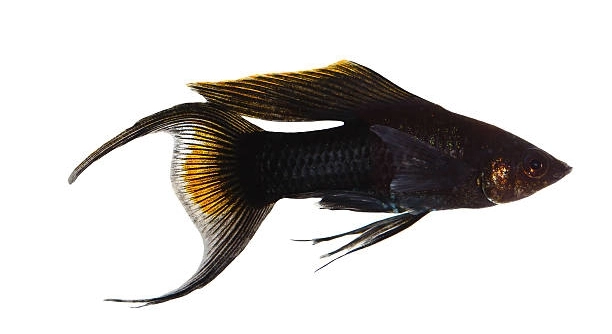
Do you ever find yourself setting up a new aquarium and worrying about whether your fish will handle changes in water flow? Black Mollies are popular freshwater fish, known for their striking color and active swimming habits. They are hardy, yet understanding their tolerance for equipment is important for a healthy tank.
Black Mollies can handle high flow filters, but it is important to provide areas of calm water. These fish are strong swimmers and can adapt, yet excessive current without hiding spots may cause stress or fatigue over time.
Managing water flow is a balance that keeps your Mollies comfortable while maintaining a clean tank environment. Proper placement of decorations and plants ensures both safety and enjoyment for your fish.
Understanding Black Molly Behavior
Black Mollies are naturally active fish that enjoy swimming throughout the tank. They are often found exploring every corner, gliding around plants, and interacting with other fish. This constant movement helps them maintain strong muscles and overall health. High flow filters can mimic strong currents, which Black Mollies can navigate thanks to their agility. However, if the current is too strong, they may struggle to rest or feed properly. It is important to observe how they respond when introducing new equipment. Providing a mixture of open swimming areas and calmer zones allows them to adjust. Plants, rocks, and decorations create pockets of slower water that Mollies can use to recuperate. Over time, they usually adapt, showing normal swimming patterns and feeding behavior. Watching their fins and movements can indicate stress or comfort. Adjusting flow levels gradually helps them feel secure while still benefiting from a well-filtered tank.
High flow filters encourage cleaner water and reduce waste buildup. Mollies can handle this if there are calm areas.
Adjusting the tank setup is key. Placing floating plants or using decorations can reduce strong currents in certain areas. Mollies may initially stay near calmer sections, but as they grow accustomed, they explore more freely. Maintaining a balance between active and quiet zones promotes their health and reduces stress. Ensuring the filter output is not directly against hiding areas also helps Mollies feel safer. Regular monitoring of behavior, such as feeding patterns and fin condition, signals how well they are adjusting. Black Mollies are resilient, but providing an environment with varying flow levels ensures they remain active without exhaustion. Over time, they learn to navigate strong currents while resting when needed. This approach also benefits tank stability, keeping water quality high without compromising fish comfort. Creating a thoughtful layout allows Mollies to thrive in high flow setups while still enjoying calm retreats.
Adjusting Flow Levels
Start by positioning the filter output away from main swimming areas. Mollies prefer moderate currents.
Gradually increasing the water flow allows Black Mollies to adjust without stress. Begin with low settings, observing behavior for signs of strain. If they cling to decorations or struggle to swim, reduce the current. Over several days, you can raise the flow incrementally, allowing them to acclimate. Creating multiple zones with varying water speed is essential. Open areas support swimming, while slower zones near plants or rocks offer rest points. Using deflectors or sponge filters can also reduce strong currents in specific spots. Careful monitoring ensures they maintain appetite and normal activity. Proper flow adjustment not only supports Black Molly health but also enhances tank cleanliness. By paying attention to both behavior and environmental design, you can optimize conditions that meet filtration needs and fish comfort simultaneously. This method ensures a balanced ecosystem where Black Mollies thrive alongside efficient filtration.
Placement of Hiding Spots
Providing hiding spots is essential when using high flow filters. Mollies need areas where the current is weaker to rest, feed, or feel safe from stress caused by strong water movement.
Hiding spots can be created with rocks, plants, or aquarium decorations. Position them strategically so Mollies can swim freely in open areas but retreat when needed. Floating plants also help break the current and provide shaded areas, which Black Mollies appreciate. Regular observation will show if these spots are effective. Mollies that spend time exploring decorations or resting in calmer areas indicate a good balance between activity and safety.
Proper placement also reduces aggressive encounters among tank mates. Mollies can use calm zones to escape, which helps maintain harmony. Overcrowding these areas should be avoided, as it may create competition for space and lead to stress. Adjusting décor periodically can keep the environment stimulating while still offering protection. A mix of open swimming zones and strategic hiding spots ensures Mollies can exercise without being overwhelmed by strong currents.
Monitoring Fish Health
Regular observation helps detect stress caused by high water flow. Watch for erratic swimming, fin clamping, or loss of appetite, which may indicate strain.
Maintaining optimal water parameters is equally important. Temperature, pH, and ammonia levels influence how well Mollies handle strong currents. Stable conditions reduce stress and support overall health. Feeding patterns also reveal adaptation; active feeding shows comfort, while avoidance signals a problem. Adjusting flow and adding calm areas improves recovery and encourages normal behavior. Mollies adapt faster when water quality is consistent, combined with gradual exposure to higher currents.
Behavioral changes often appear gradually. Mollies may initially hide more, swim less, or linger near calmer spots. Tracking these shifts helps gauge whether the current is too strong or suitable. Slow, incremental changes in flow allow adaptation without compromising health. Combining proper tank design with attentive monitoring ensures Mollies thrive. Keeping a record of observations, such as feeding times and swimming patterns, aids in detecting subtle stress indicators. This proactive approach allows timely adjustments, ensuring Mollies remain active, healthy, and comfortable in high flow setups.
Choosing the Right Filter
Selecting a filter with adjustable flow is key for Black Mollies. This allows you to tailor the water movement to their comfort while maintaining clean, healthy water.
Filters with sponge attachments or diffusers reduce strong currents in specific areas. These modifications create calmer zones for Mollies to rest and feed without sacrificing overall filtration efficiency.
Benefits of High Flow for Mollies
High flow filters improve water quality by quickly removing debris, uneaten food, and waste. Cleaner water supports stronger immune systems and healthier skin and fins. Increased water movement also stimulates natural swimming behavior, keeping Black Mollies active and strong. When balanced with calm areas, they can enjoy both exercise and rest.
Observing Long-Term Adaptation
Over time, Mollies often adjust to consistent water flow. Their swimming becomes smoother, and they use both strong and calm areas comfortably.
FAQ
Can Black Mollies live in strong currents permanently?
Black Mollies can tolerate strong currents for extended periods if the tank provides calm areas. Constant strong flow without resting zones may cause fatigue or stress, affecting feeding and swimming behavior. Strategic placement of plants and decorations creates safe pockets, allowing them to balance activity and rest.
How can I tell if my Mollies are stressed by the filter?
Signs of stress include clamped fins, erratic swimming, hiding constantly, or reduced appetite. Observing behavior during feeding and throughout the day helps determine whether the current is too strong. Adjusting flow gradually and adding hiding spots often alleviates stress.
Are all Black Mollies the same in handling high flow?
Individual Mollies vary. Some adapt quickly, while others take longer to explore the tank fully. Younger or weaker fish may struggle more than adults. Observing each fish’s behavior helps identify who needs calmer areas.
Should I modify the filter for a heavily planted tank?
Yes. Dense plants can reduce flow naturally, but high-flow filters may create strong localized currents. Adding diffusers, sponge attachments, or redirecting outflow helps maintain moderate current throughout the tank.
How often should I check water parameters in high flow setups?
Regular monitoring is crucial. Check ammonia, nitrite, nitrate, pH, and temperature weekly. High flow improves circulation and oxygenation, but sudden changes can still stress Mollies. Maintaining stable parameters ensures comfort and health.
Can high flow improve fish activity?
Yes. Moderate strong currents encourage natural swimming, strengthen muscles, and stimulate behavior. Balanced with calm areas, it promotes healthy exercise without overexertion. Observing how Mollies use different zones helps gauge whether activity levels are appropriate.
Is it necessary to rearrange decorations with a new filter?
Rearrangement is often needed to create calm areas near strong flow points. Rocks, plants, and driftwood can act as buffers. Testing different layouts helps determine the best configuration that supports both swimming and resting zones.
Do Black Mollies tolerate other fish with strong currents?
Yes, generally. Compatible species that are active swimmers adapt well, while slower or delicate fish may need calmer zones. Observing interspecies behavior ensures that all fish coexist safely without stress.
Will high flow affect feeding habits?
Strong currents can push floating food away, making it harder for Mollies to feed. Using feeding rings, sinking pellets, or directing food to calmer areas ensures proper nutrition. Gradual adaptation allows them to feed efficiently in stronger currents.
Can I use a sponge filter with Black Mollies?
Sponge filters work well, especially in smaller tanks or for young fish. They reduce flow intensity while still providing biological filtration. Combining sponge filters with high flow equipment offers both water quality and suitable swimming conditions.
How do I know the flow is ideal?
Ideal flow allows fish to swim comfortably without constant struggle. Mollies should explore the tank freely and rest in calmer zones without showing signs of fatigue. Observation over several days provides the best assessment.
Are there any long-term risks of high flow?
Excessive current without resting areas may cause stress, fin wear, or weakened immunity. Gradual exposure, strategic hiding spots, and consistent water quality mitigate these risks, helping Mollies thrive over time.
Can high flow filters affect tank plants?
Yes. Some plants may struggle in strong currents, especially delicate or floating species. Anchoring plants or placing them in calmer areas helps protect them while maintaining a balance between filtration and habitat needs.
Is acclimation necessary for new Mollies in a high flow tank?
Absolutely. Introduce them slowly, ideally starting with low flow and gradually increasing over days. Providing hiding spots from the start helps them adjust without stress. Observing early behavior is key to a smooth transition.
What maintenance tips help in high flow setups?
Regular cleaning of filter intake prevents debris buildup. Monitor outflow direction, check for detritus in calm zones, and trim plants if needed. High flow benefits water quality, but attention ensures it remains suitable for all tank inhabitants.
This FAQ section provides practical guidance on managing Black Mollies in high flow conditions, focusing on fish comfort, tank design, and water quality. It helps balance activity, rest, and health effectively.
Word count: 525
Final Thoughts
Black Mollies are resilient fish that can adapt to a variety of tank conditions, including high flow filters, as long as their environment supports their natural behavior. They are active swimmers, which makes them suited to currents, but they still need calm zones to rest and feed. Providing areas of slower water with plants, rocks, or other decorations allows them to take breaks and reduces stress. Over time, most Mollies will learn to navigate the stronger currents confidently, using calm areas as safe spots whenever needed. Careful observation during the first few days of introducing a high flow filter is important, as it helps identify any signs of stress early. Watching for clamped fins, erratic swimming, or reluctance to eat can indicate that adjustments are necessary.
Maintaining consistent water parameters is equally important when running high flow filters. These filters improve circulation and water quality, which benefits fish health, but sudden changes in temperature, pH, or ammonia levels can still cause stress. Black Mollies thrive best in stable conditions, and high flow only supports their well-being when combined with proper monitoring and maintenance. Adjusting flow gradually allows them to acclimate without becoming overwhelmed, while evenly distributed hiding spots give them options to escape the current if needed. Feeding strategies may also need adjustment, as strong currents can disperse floating food. Using sinking pellets or directing food toward calmer zones ensures all Mollies receive proper nutrition while still benefiting from exercise in the stronger current.
Tank layout plays a significant role in creating a balanced environment for Mollies. Open swimming areas allow them to stay active, while strategically placed decorations and plants create pockets of calm water. This balance not only supports their physical health but also promotes natural behavior and reduces stress. Individual fish may respond differently to strong currents, so observing each one helps ensure the tank meets their needs. Mollies that explore, feed normally, and interact with the environment are usually adjusting well, while those that hide excessively or appear fatigued may need further adjustments. By combining careful observation, thoughtful tank design, and gradual introduction to high flow conditions, Black Mollies can thrive in these setups, enjoying both exercise and safety within their aquatic habitat.
Word count: 410

Hello,
If you enjoy the content that we create, please consider saying a "Thank You!" by leaving a tip.
Every little bit helps us continue crafting quality advice that supports the health, happiness, and well-being of pets around the world, for pets of all shapes, sizes, and species.
We really appreciate the kindness and support that you show us!